How Does A Hot Air Balloon Work
Okay, so you’ve seen them, right? Those giant, colorful teardrops floating serenely across the sky. Pretty magical, huh? Ever wondered, like, how the heck do they do that? It’s not like they have tiny little engines or anything. Turns out, it’s way simpler and way cooler than you might think. It’s all about the air. Yeah, just regular old air, but with a little bit of oomph.
Think about it. You’re standing on the ground, right? The air around you is all cozy and at a certain temperature. It’s doing its job, keeping you from floating away. But then, you introduce some heat. And when you heat up air, it gets… well, it gets lighter. It’s like a tiny, invisible party in there, and everyone’s doing a little jig, taking up more space. The air molecules get all excited and spread out. It’s the ultimate air rave.
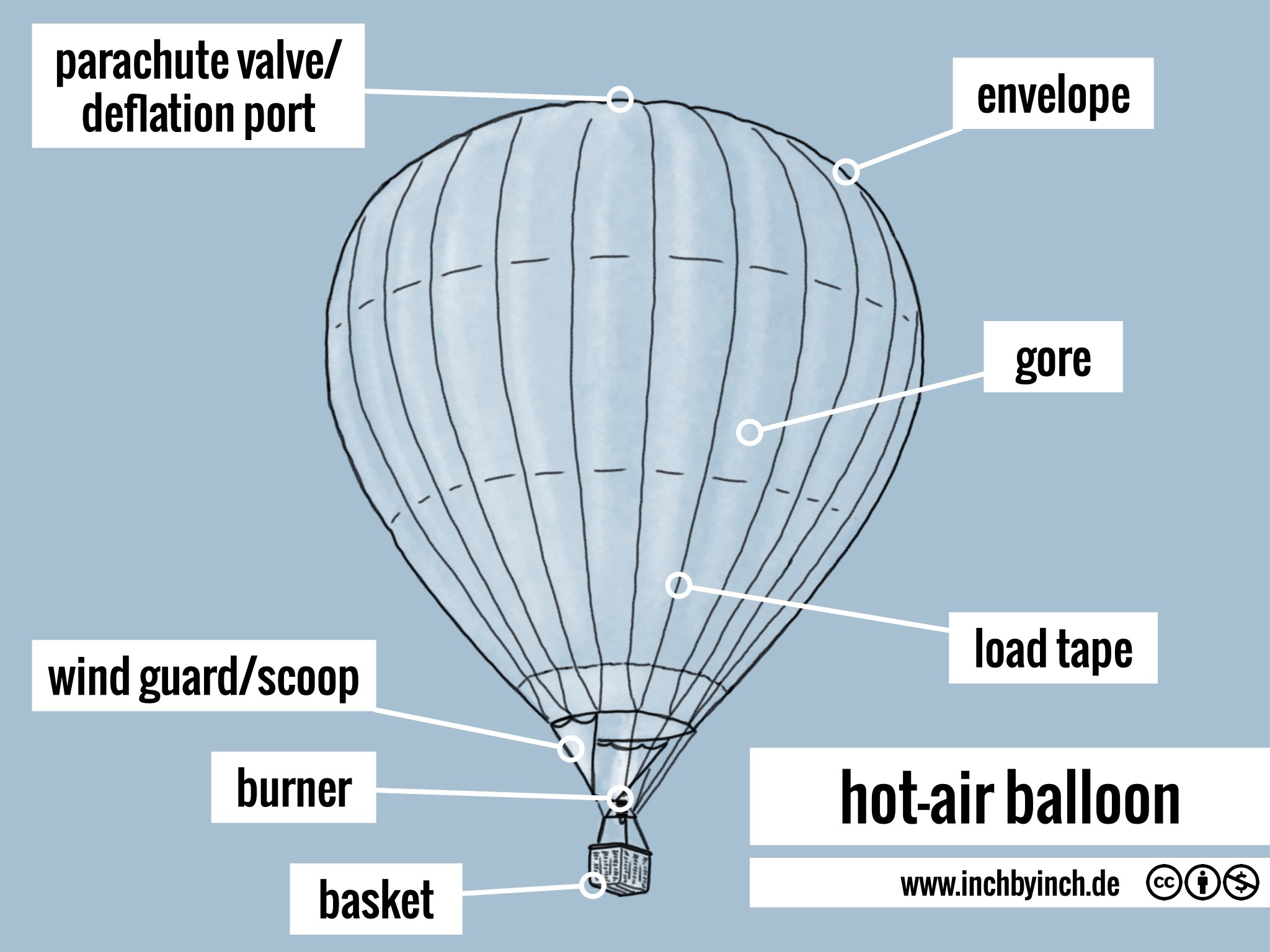
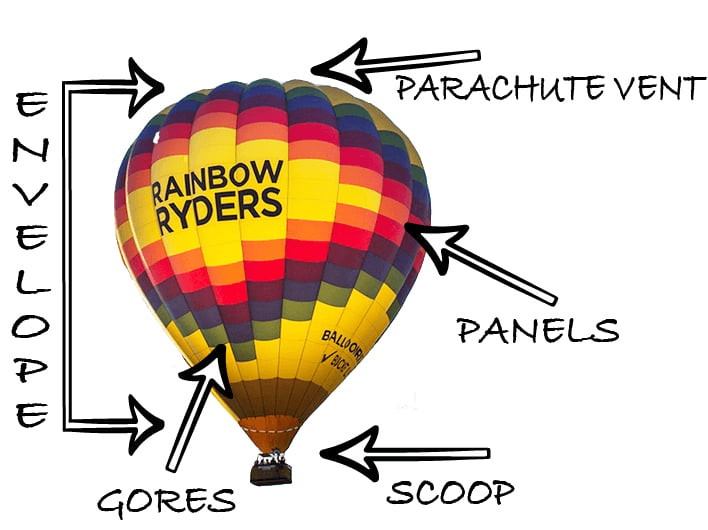
So, the hot air balloon itself is basically a giant bag. A really, really big, fancy, fire-resistant bag. It’s made of this super tough fabric, usually nylon or polyester, that can handle some serious heat. And the best part? The colors! They’re not just for show, though they do look amazing against a blue sky. Those vibrant hues are actually designed to be tough and, you know, not catch fire. Safety first, but make it fashion!
Must Read
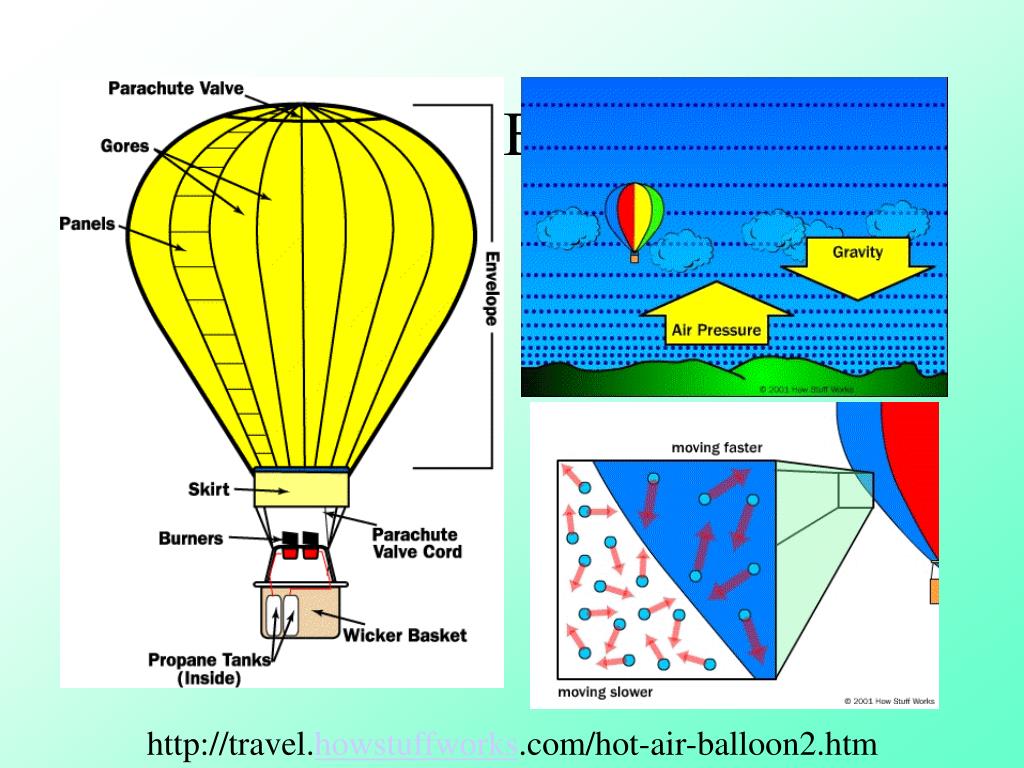
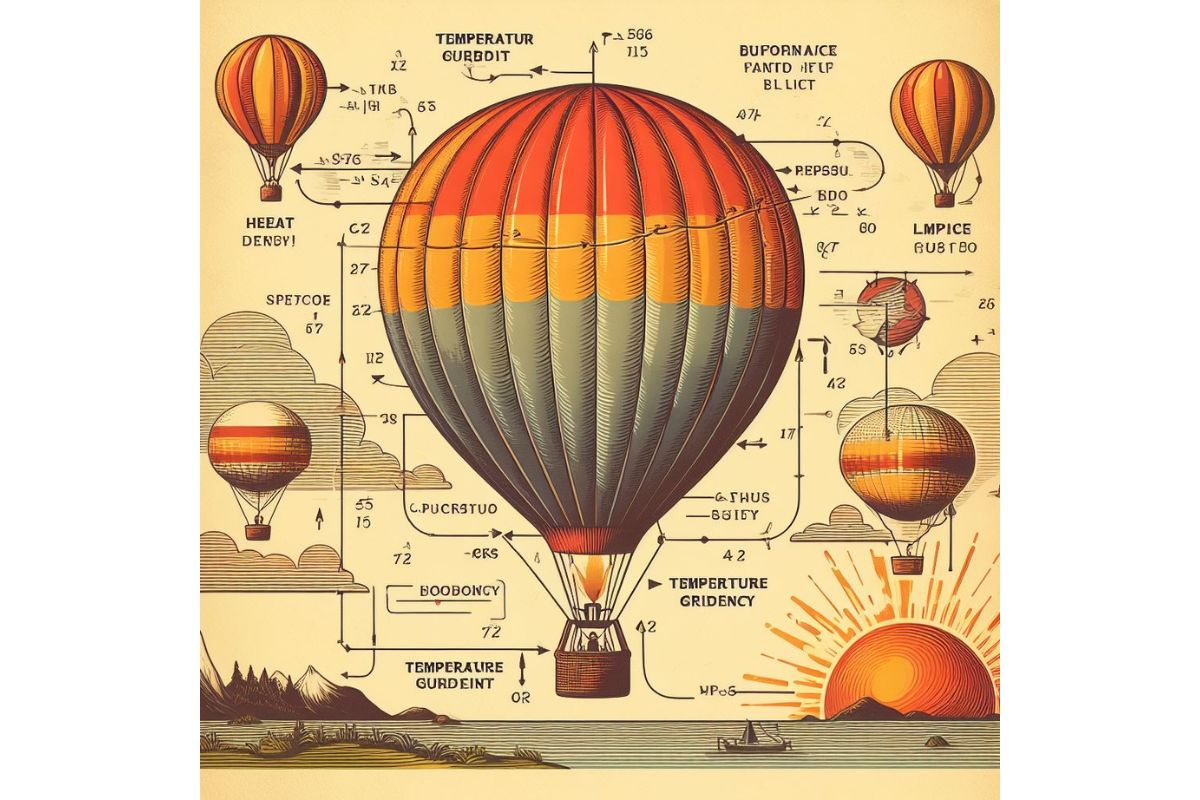
At the bottom of this magnificent fabric sky-blob is the “burner.” This is where the magic (aka science) happens. It’s basically a controlled inferno, blasting flames upwards into the balloon. Think of it like a giant, upside-down hair dryer, but way more powerful and with a lot more dramatic flair. The pilot, bless their brave heart, controls this thing. They decide how much heat to pump in. More heat? Up you go! Less heat? Down you drift.
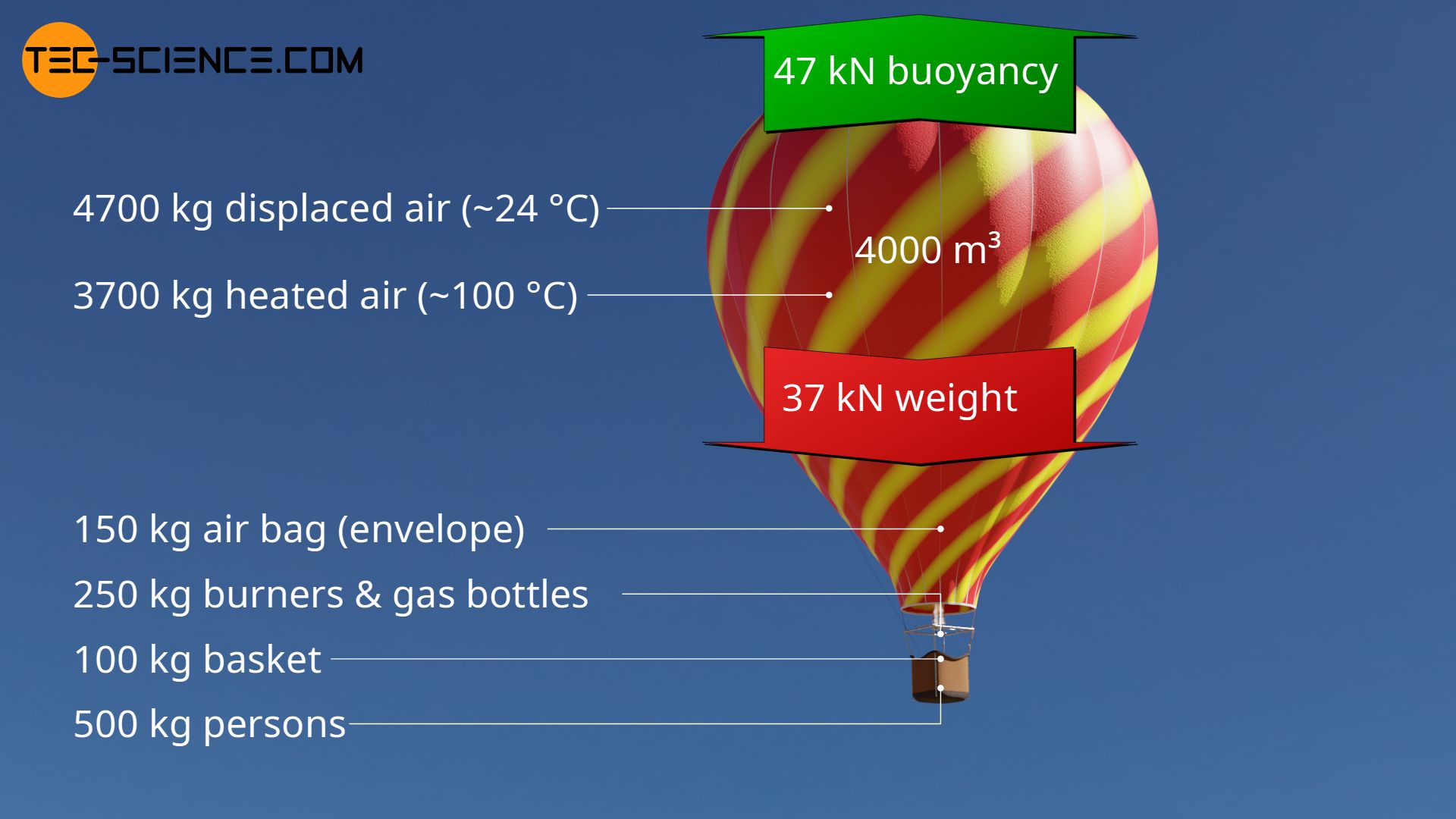
So, the hot air inside the balloon is less dense than the cooler air outside. This is the key. It’s like a giant bubble of lighter stuff floating in a sea of heavier stuff. Archimedes would be so proud. That difference in density creates what we call buoyancy. The cooler, heavier outside air pushes up on the lighter, hotter air inside the balloon, lifting the whole shebang off the ground. It’s the universe giving the balloon a big, friendly shove upwards.
Imagine you have a big bowl of water and you drop a regular beach ball in it. It floats, right? That’s buoyancy. The water is pushing it up. A hot air balloon is kind of like that, but instead of water, it’s cooler air, and instead of a beach ball, it’s a giant fabric sack filled with really warm air. Simple, but oh-so-effective.
Now, here’s a fun quirk: the pilot doesn’t actually steer a hot air balloon. Nope. They’re pretty much at the mercy of the wind. It’s like a kite, but with you inside it. So, how do they get anywhere? They go up! Or down! They use the different wind currents that exist at different altitudes. Sometimes the wind is blowing east at 100 feet, but west at 500 feet. The pilot listens to the weather report like a hawk and plays a clever game of altitude chess to catch the currents that will take them where they want to go.

It’s a bit like being a leaf on a gentle breeze. You’re not in control of where you’re going, but you’re experiencing the journey in the most serene way possible. It's an adventure, for sure, but a very chill adventure. No sudden jerks, no engine noises, just the gentle whoosh of the burner and the whisper of the wind.
And the basket! You know, the wicker thing you stand in? It’s not just for looks. Wicker is surprisingly strong and lightweight. Plus, it’s got a bit of give, which is nice if you land a little bumpier than expected. It’s a classic choice for a reason. It’s got that vintage charm, right? You can almost imagine people in straw hats sipping tea as they float by.
Here's another funny thought: what happens when it's super hot outside? The air inside the balloon needs to be even hotter to be lighter than the already warm outside air. So, on a really hot day, the burner has to work overtime! It’s like trying to heat up a room that’s already a sauna. A challenge, but the pilots are pros. They plan their flights for cooler parts of the day, often early morning or late afternoon, to make life easier for themselves and their balloon.
The amount of fuel they use is also pretty interesting. It’s usually propane, the same stuff you might use for your barbecue. But they use a LOT of it. Enough to keep that giant bag of air nice and toasty for the duration of the flight. They have these big tanks in the basket, and they’re constantly monitoring the fuel levels. Running out of fuel is definitely not on the itinerary!
The sheer scale of it all is mind-boggling. These balloons can be enormous, hundreds of feet tall when fully inflated. Imagine something that big just… hanging in the air. It’s a testament to basic physics and a whole lot of engineering. And the fact that it’s so quiet when you’re up there is another amazing thing. You can hear birds, the wind, the distant sounds of the world below, but the balloon itself is practically silent, save for the occasional roar of the burner.
It’s also a very social experience, usually. You’re often sharing that basket with a few other brave souls, all gazing at the same breathtaking view. It’s the kind of thing that sparks conversation and shared wonder. “Wow, look at that!” “Isn’t this incredible?” You’re all in it together, literally floating through the sky.
So, next time you see a hot air balloon drifting by, give a little nod to the science. It’s not magic, but it certainly feels like it. It’s just a brilliant, simple principle: heat makes air lighter, and lighter air floats. And that, my friends, is how you get a giant, colorful bag full of people to defy gravity. Pretty neat, right?