How Do You Wash A Wool Blanket
:max_bytes(150000):strip_icc()/how-to-wash-wool-blankets-1908733_v4-HL-FINAL-5bf30ecf4cedfd0026a95edf.png)
Ah, the wool blanket. That cozy embrace, the scent of crisp mornings, the silent promise of warmth on a chilly evening. It’s more than just fabric; it’s a little piece of comfort, a tangible connection to generations past, and let's be honest, a serious upgrade to your Netflix binge-watching game. But then comes the inevitable: the question that can induce a mild panic in even the most seasoned homebody. How do you wash a wool blanket?
Fear not, fellow comfort-seekers! Giving your beloved woolly friend a good clean doesn't require a mystical ritual or a secret handshake. It’s actually quite straightforward, and with a little know-how, you can keep it feeling plush and smelling fresh for years to come. Think of it as giving your blanket a gentle spa day, a chance to shed its worries (and maybe a stray popcorn kernel or two).
The Case for Gentle Cleaning
Before we dive into the how, let’s chat about the why. Wool is a natural fiber, and like all natural things, it appreciates a bit of TLC. Unlike synthetics that can often withstand a vigorous wash cycle, wool fibers have a delicate structure. They’re made of protein, much like our hair, and can get stressed, matted, and even shrink if treated too roughly.
Must Read
Over-washing is also a thing. Think of your wool blanket as your favorite cashmere sweater – you wouldn’t toss it in the machine every week, would you? Wool is naturally resistant to odors and dirt, meaning it often just needs a good airing out. So, before you even think about water, consider giving your blanket a good shake outdoors on a breezy day. This can work wonders!
When is it Time for a Wash?
So, how do you know when your blanket has officially crossed the line from "pleasantly lived-in" to "definitely needs a wash"? Here are a few tell-tale signs:
- Obvious Stains: Coffee spills, accidental wine drips, or the aftermath of a particularly enthusiastic toddler art project are pretty clear indicators.
- Lingering Odors: If it smells less like "cozy sanctuary" and more like "forgotten gym bag," it’s probably time.
- General Grubbiness: Sometimes, it’s just a general feeling that it’s lost its luster and could use a refresh.
- Yearly Refresh: Even if it looks and smells fine, a gentle annual wash is a good practice for overall maintenance.
The Gentle Giant Approach: Hand Washing
For most wool blankets, especially vintage or delicate ones, hand washing is the gold standard. It’s the most controlled and gentle method, ensuring your blanket stays happy and healthy.
Step 1: The Prep Work. Find a clean, large basin or bathtub. A bathtub is ideal if you have one, as it gives the blanket plenty of room to move. Make sure it’s spotless – no residual cleaning product smells, please!
Step 2: Cool or Lukewarm Water. This is crucial. Hot water is wool’s mortal enemy. It can cause felting and shrinkage. Think of it like a lukewarm bath for a baby – gentle and comforting. Fill your basin with cool or lukewarm water. Aim for around 30°C (86°F) if you’re using a thermometer, but cooler is generally safer than warmer.

Step 3: The Wool-Friendly Cleanser. You need a specialized wool wash or a very mild, pH-neutral detergent. Think of brands designed for delicate fabrics or even baby shampoo. Avoid harsh detergents, bleach, or fabric softeners. These can strip the natural lanolin from the wool, which is what makes it soft and water-repellent.
Step 4: The Gentle Swish. Add a small amount of your chosen cleanser to the water and swish it around gently to distribute. Then, submerge your wool blanket. Don’t cram it in; let it breathe and absorb the water. Gently knead and swish the blanket in the soapy water. You’re not scrubbing or wringing; you’re just coaxing the dirt out. Think of it as a gentle massage. If you have a specific stain, you can gently dab at it with a soft cloth dipped in the soapy water. Avoid vigorous rubbing, as this can cause felting.
Step 5: The Rinse Cycle. Once you’ve gently worked through the cleaning, it’s time to rinse. Drain the dirty water and refill the basin with clean, cool water. Again, gently press and swish the blanket to release the soap. You may need to repeat this rinsing process several times until the water runs clear and free of suds. Patience is key here. A thorough rinse prevents soap residue, which can attract dirt and make the wool stiff.
The Draining Dance
Once your blanket is thoroughly rinsed, it's time to get the excess water out. Never wring or twist a wool blanket. This is a fast track to stretching and deforming your precious textile. Instead, gently squeeze out as much water as you can while the blanket is still in the basin or tub.
Then, carefully lift the blanket and let it drain for a few minutes. You can also gently press it against the side of the tub or basin to encourage more water to leave.
Machine Washing: A Calculated Risk
Some modern wool blankets, especially those made from merino or finer wools, might be labeled as machine washable. If yours is, always check the care label first. If it says machine washable, you can proceed, but with extreme caution and specific settings.
The Settings:
- Cycle: Choose the "wool" or "delicate" cycle on your washing machine. These cycles are designed to be gentler, with slower agitation and spin speeds.
- Water Temperature: Again, cold or lukewarm water is a must. Never hot!
- Detergent: Use a wool-specific detergent or a very mild, pH-neutral liquid detergent.
- Load Size: Don't overcrowd the machine. Give your blanket plenty of room to move freely.
- Spin Speed: Use the lowest spin setting possible. High spin speeds can agitate the fibers too much and lead to shrinkage or felting.
The Pre-Wash Check: Before putting it in the machine, inspect your blanket for any loose threads or embellishments that could snag. If you’re concerned, you can place the blanket inside a mesh laundry bag designed for delicates. This adds an extra layer of protection.
The Post-Wash Check: After the cycle, remove the blanket immediately. Don’t leave it sitting in the machine. It will still be quite wet.
The Art of Drying
Drying is arguably just as important as washing when it comes to wool. Never, ever put a wool blanket in a tumble dryer, even on a low heat setting. The heat and agitation are a recipe for disaster, leading to irreversible shrinkage and felting. Think of it as the ultimate wool betrayal.
Step 1: Reshape and Bathe. Once you’ve gently squeezed out excess water, lay your blanket flat on a clean, thick towel. Gently reshape it to its original dimensions. This is your chance to coax it back into its perfect form.
Step 2: The Towel Roll. Roll the blanket up inside the towel, like a giant Swiss roll. Press gently to absorb more moisture. You can use multiple towels if needed.
:max_bytes(150000):strip_icc()/how-to-wash-wool-blankets-1908733-07-800bc39e64cb4c17aecf057f1bd53f78.jpg)
Step 3: The Flat Dry. Now, lay the blanket flat on a drying rack or a fresh, dry set of towels. Choose a well-ventilated area away from direct sunlight and heat sources. Sunlight can fade colors, and heat can damage the fibers.
Step 4: Flip and Rotate. Periodically, flip the blanket over and reposition it on the drying rack or towels. This helps ensure even drying and prevents mildew.
Step 5: Patience, Young Grasshopper. Wool drying can take time. Depending on the thickness of the blanket and the humidity, it could take 24-48 hours or even longer. Don't rush the process.
What About Spot Cleaning?
For minor spills and stains, spot cleaning is your best friend. It allows you to tackle issues without a full wash, extending the time between deeper cleans.
The Method:
- Gently blot the stain with a clean, damp cloth. Avoid rubbing.
- If the stain persists, you can use a tiny amount of wool-friendly detergent mixed with cool water. Apply it to the cloth, not directly to the wool.
- Gently dab the stained area.
- Rinse the area by dabbing with a clean cloth dampened with plain cool water.
- Blot dry with a clean, dry towel.
A Little Cultural Tidbit: In many cultures, wool blankets have been treasured for centuries. Think of the iconic Scottish tartan blankets, the cozy Icelandic wool sweaters, or the hand-knitted throws passed down through generations. These are often treated with immense care, a testament to their value and longevity.

A Little Extra Love: Deodorizing and Refreshing
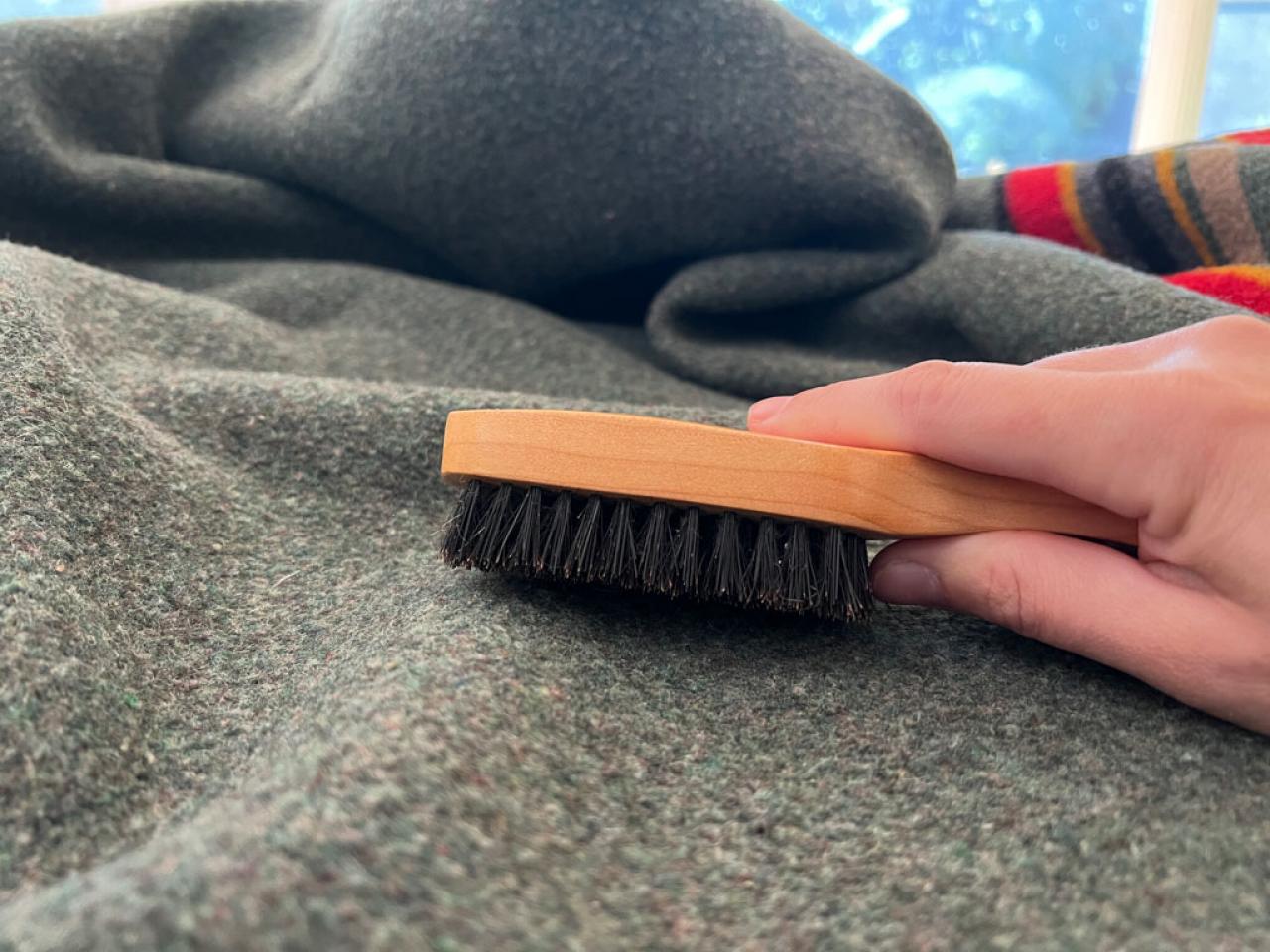
Sometimes, your wool blanket just needs a little pick-me-up, not a full wash. This is where airing out comes in handy. On a dry, breezy day, hang your blanket over a clothesline or railing outdoors. The fresh air is a natural deodorizer and can work wonders.
You can also try a gentle steaming. Hang the blanket in your bathroom while you take a steamy shower. The humidity can help to relax the fibers and release odors. Just ensure the blanket doesn’t get too wet.
Fun Fact Alert!
Did you know that wool is naturally flame-retardant? This is one of the many reasons it’s been used for blankets and clothing for so long. It’s a natural material that offers inherent safety benefits.
The Takeaway: Embrace the Ease
Washing a wool blanket might seem daunting at first, but it’s really about understanding the nature of the fiber and treating it with respect. By opting for gentle methods, cool water, and careful drying, you’re not just cleaning your blanket; you’re preserving a piece of comfort and tradition.
Think of it like tending to a beloved houseplant or perfecting your sourdough starter. It’s a small investment of time and care that yields significant rewards. That feeling of snuggling under a clean, soft, and well-loved wool blanket? It’s a little slice of pure, unadulterated coziness, and it’s absolutely worth the effort.
In the grand scheme of things, this small act of care for our cherished items mirrors how we can approach other aspects of our daily lives. A little mindfulness, a touch of patience, and a gentle approach can go a long way in preserving what we love, whether it's a treasured heirloom blanket or our own well-being.