How Do You Use Gears On A Bike
Alright, gather 'round, you cycling enthusiasts and curious cats who've always wondered what all those fiddly bits on your bike are for. We’re talking gears, my friends! Those magical little contraptions that stop you from feeling like you’re trying to push a rhinoceros uphill with a toothpick. Because let’s be honest, without gears, your bike would be a glorious, albeit rather pointless, stationary ornament. Imagine trying to conquer that Everest-sized hill in front of your house with a single, unyielding gear. You’d be more likely to end up needing a Sherpa and a very strong cup of coffee than a personal best.
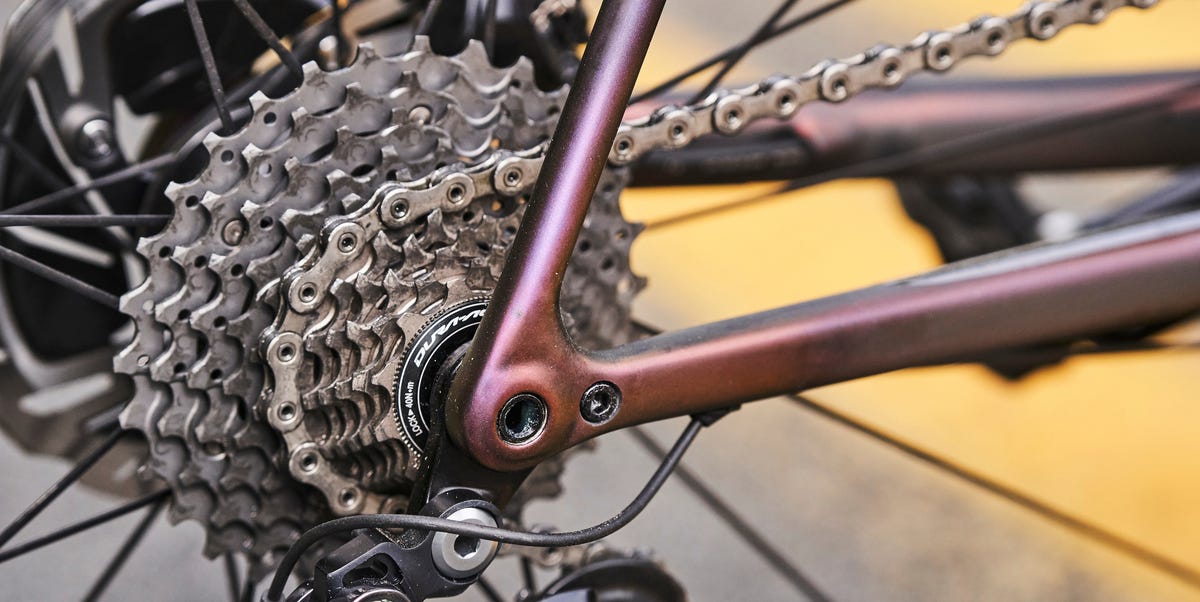
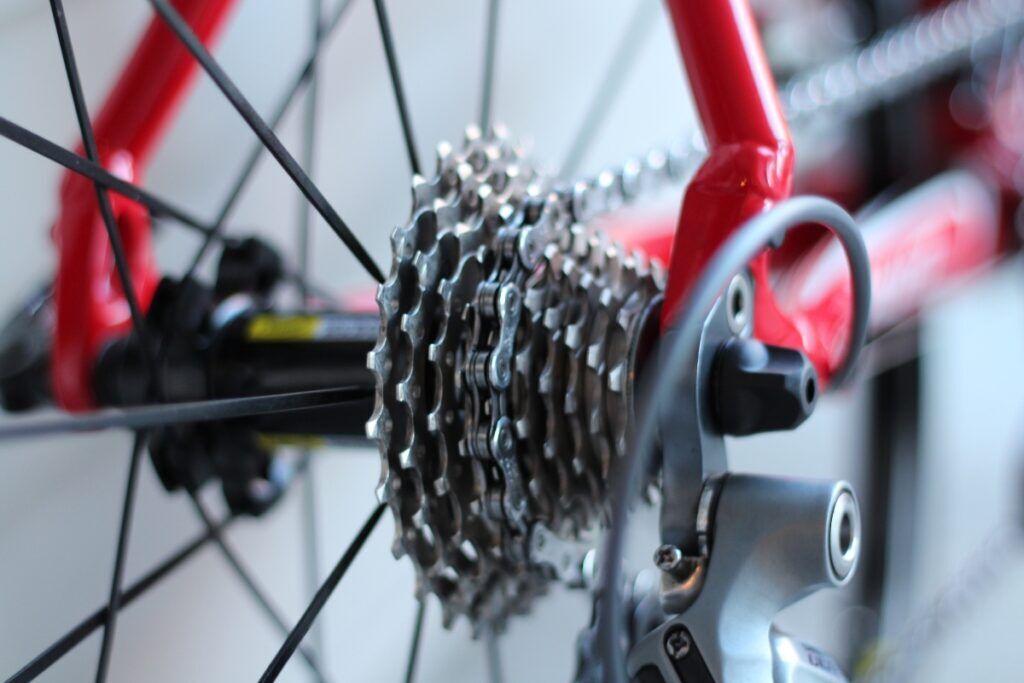
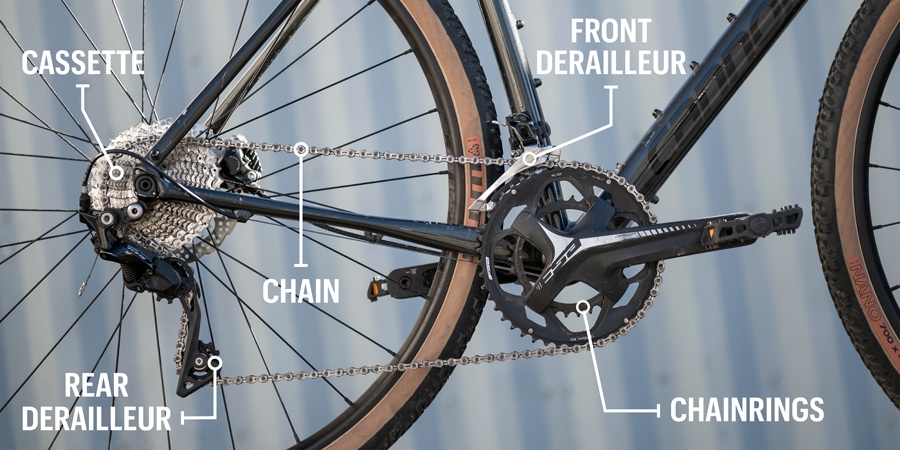
So, how do these mystical gear thingies actually work? It's not rocket surgery, I promise. Think of your bike as having two main sets of gears: one set attached to your pedals (we call these the chainrings, and they’re the big fellas up front) and another set on your rear wheel (the cassette or freewheel, a whole gang of cogs of various sizes). Your bike's gears are basically a wizard's engineer's ingenious way of changing how much effort your legs need to put in to make the wheels go 'round.
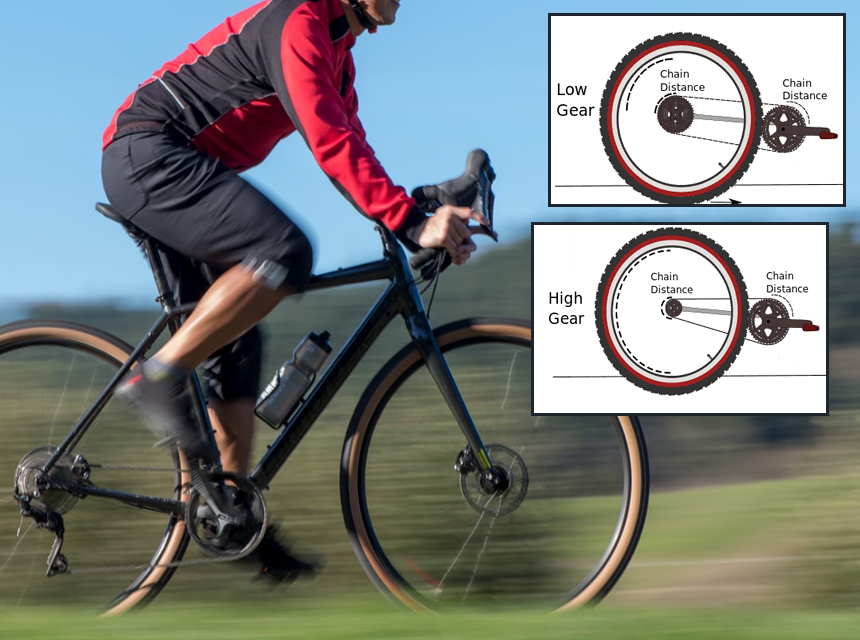
The secret sauce? It all boils down to the ratio. We’re talking about the number of teeth on the front chainrings compared to the number of teeth on the rear cogs. It’s like a teeter-totter of effort and speed. A big chainring and a small cog? That’s your speed demon setup. You’ll be flying downhill, feeling like you’ve accidentally strapped a jet engine to your bike. The wheels spin like a caffeinated hummingbird’s wings, and your legs are barely breaking a sweat. Perfect for when you’re cruising on a flat road and want to pretend you’re in the Tour de France, minus the existential dread and questionable spandex.
Must Read
On the flip side, a small chainring and a big cog? That’s your climbing buddy, your uphill confidant. This is where you say goodbye to that rhinoceros and hello to a gentle breeze. Your legs will be spinning more, yes, but it’ll feel like you’re pedaling through butter, not concrete. It’s the gear that makes you feel like a superhero, conquering inclines that would make a mountain goat sweat. You’re not going fast, but boy, are you making progress without spontaneously combusting.
Now, the magic of having multiple gears is that you can switch between these ratios on the fly. Ever seen those little levers on your handlebars? Those are your gear shifters! The one on the left usually controls the front chainrings (the front derailleur, if you want to sound fancy) and the one on the right controls the rear cogs (the rear derailleur, the unsung hero of bike mechanics). They're like the conductors of your pedaling orchestra, orchestrating the perfect symphony of effort and speed.

Using them is pretty straightforward, though there’s a slight art to it. Think of it as a polite conversation with your bike. You don't just yell at it; you coax it into doing what you want. When you need to go faster, or you’re hitting a downhill slope, you want to shift to a harder gear. This means selecting a bigger chainring up front and/or a smaller cog in the back. It’s like trying to move a giant boulder – you need leverage. So, you go for the bigger front gear.
When the road starts to tilt upwards, and you feel your legs groaning in protest, it's time to shift to an easier gear. This means selecting a smaller chainring up front and/or a bigger cog in the back. It's like giving yourself a little mechanical helping hand. Your legs will spin faster, but each pedal stroke will require less force. You’re basically multiplying your leg power, making that hill look less like Mount Doom and more like a slightly grumpy molehill.
There’s a little bit of etiquette to gear shifting, and by etiquette, I mean avoiding situations where your chain sounds like it’s trying to escape a pit of angry squirrels. Generally, it’s best to avoid cross-chaining. What’s that, you ask? It’s when you’re using the biggest chainring up front and the biggest cog in the back, or the smallest up front and the smallest in the back. This puts the chain at a really awkward angle, like a grumpy old man trying to do yoga. It puts extra strain on your drivetrain and can lead to noisy, unhappy gear changes, or worse, a dropped chain, which is the cycling equivalent of stubbing your toe on a Lego brick. Ouch.
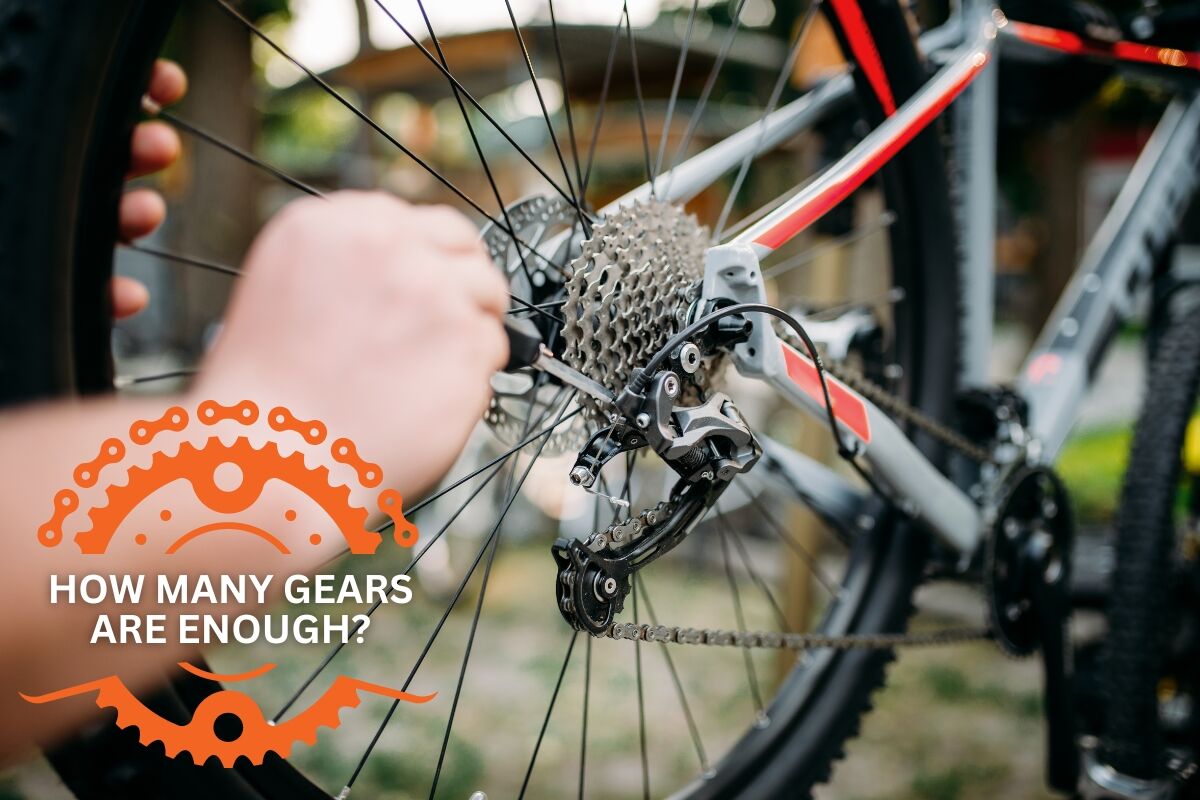
So, a general rule of thumb: if you're on the big chainring up front, try to stick to the middle or smaller cogs in the back. And if you're on the small chainring up front, you can use the middle or bigger cogs in the back. It’s like pairing socks – some combinations just work better than others. And trust me, your bike will thank you with smoother rides and fewer moments of existential despair.
Now, let’s talk about the feel of shifting. You don't just jam the levers willy-nilly. Ideally, you want to shift gears when you’re pedaling. Not pedaling hard, mind you, but with a steady, consistent motion. If you try to shift while you’re standing still, it’s like trying to change your mind in the middle of a sneeze – it’s just not going to happen smoothly. The chain needs to be moving to jump between those cogs. So, a little spin of the pedals, a gentle nudge of the shifter, and voilà! You’re in a new gear, ready to conquer whatever the road throws at you.
Think of your shifters as having different "clicks" or "positions." Each click usually corresponds to moving one cog or chainring. Don't be afraid to experiment! Take your bike out on a safe, flat path and just play around with the gears. Feel how the pedaling effort changes. Listen to the sound. You’ll start to develop an intuitive understanding of what feels right. It’s a bit like learning to dance – you stumble a bit at first, but eventually, you find your rhythm.
And the surprising fact? Most modern bikes have what are called "indexed" shifters. This means that each click is precisely calibrated to move the derailleur to the perfect position for each gear. It's like having a very organized robot controlling your gears. Before indexed shifting, cyclists had to manually fine-tune their derailleurs with friction shifters, which sounds about as much fun as wrestling an octopus in a telephone booth. So, appreciate those clicks, my friends!
Finally, remember that gears aren't just for hills. They’re for managing your energy, making your ride more enjoyable, and preventing you from looking like a cartoon character whose legs are spinning furiously but going nowhere. So, the next time you hop on your bike, embrace those shifters! They’re your ticket to a more efficient, more fun, and ultimately, more victorious cycling experience. Happy pedaling, and may your gears always be smooth!