How Do You Say Bye In Chinese

Ah, the universal farewell! Whether you're jetting off on an exotic adventure, embarking on a new career path, or simply saying goodbye to a friend after a delightful evening, the act of parting is something we all experience. And for many of us, the thrill lies in adding a touch of local flavor to our interactions. Imagine the delight on someone's face when you greet them in their native tongue, or, in this case, bid them adieu! Learning how to say "bye" in Chinese isn't just a linguistic exercise; it's a gateway to connection and a wonderful way to show respect and appreciation for a different culture. It’s a small gesture that can make a big impact, turning a simple goodbye into a memorable moment.
Beyond the sheer joy of expanding your linguistic repertoire, mastering a simple Chinese farewell offers a surprising number of benefits for your everyday life. In our increasingly interconnected world, knowing a few basic phrases in a foreign language can break down barriers and foster a sense of familiarity. For travelers, it's practically essential for navigating new environments with confidence and grace. Even if you're not planning a trip to Beijing anytime soon, understanding these phrases can enhance your appreciation for Chinese culture, whether you're enjoying authentic cuisine, watching a foreign film, or interacting with Chinese colleagues and neighbors. It’s about building bridges and demonstrating a willingness to engage on a deeper level.
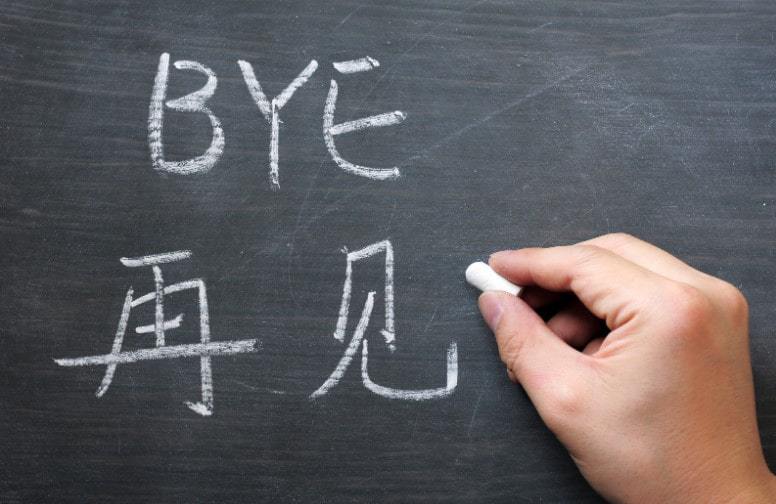
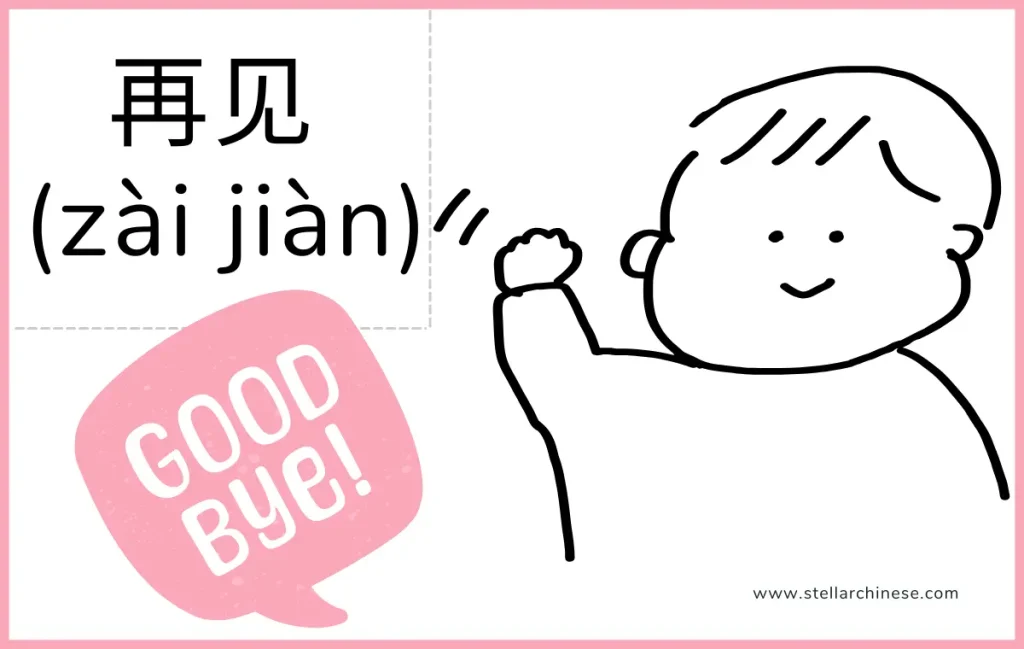
So, how do you actually say "bye" in Chinese? The most common and widely understood term is "Zàijiàn" (再见). This literally translates to "see you again" and is a perfectly polite and suitable way to end most conversations. You'll hear it everywhere, from shopkeepers to train conductors. For a more casual farewell, especially among friends or younger people, you might hear "Bàibài" (拜拜), which is a direct phonetic borrowing from the English "bye-bye" and sounds remarkably similar. It’s a fun and informal option! If you're parting ways with someone with the expectation of seeing them very soon, perhaps later the same day, you can use "Yīhuǐ'er jiàn" (一会儿见), meaning "see you in a while."
Must Read
To truly enjoy the experience of using these phrases, a few practical tips can go a long way. Firstly, don't be afraid to practice out loud. Saying "Zàijiàn" with a clear pronunciation will boost your confidence. You can find numerous audio and video resources online to help you with the correct tones, which are crucial in Mandarin. Secondly, observe and imitate. Pay attention to how native speakers use these phrases in different contexts. Are they smiling? Is their tone warm? Mimicking their delivery can help you sound more natural and convey the right sentiment. Finally, embrace the learning process. There will be moments of hesitation, and that's perfectly fine. The intention behind your effort is often more important than perfect pronunciation. So, go ahead, try it out! You might just find yourself saying "Zàijiàn" more often than you think, and with a newfound sense of accomplishment and connection.