How Do You Repair A Garage Door
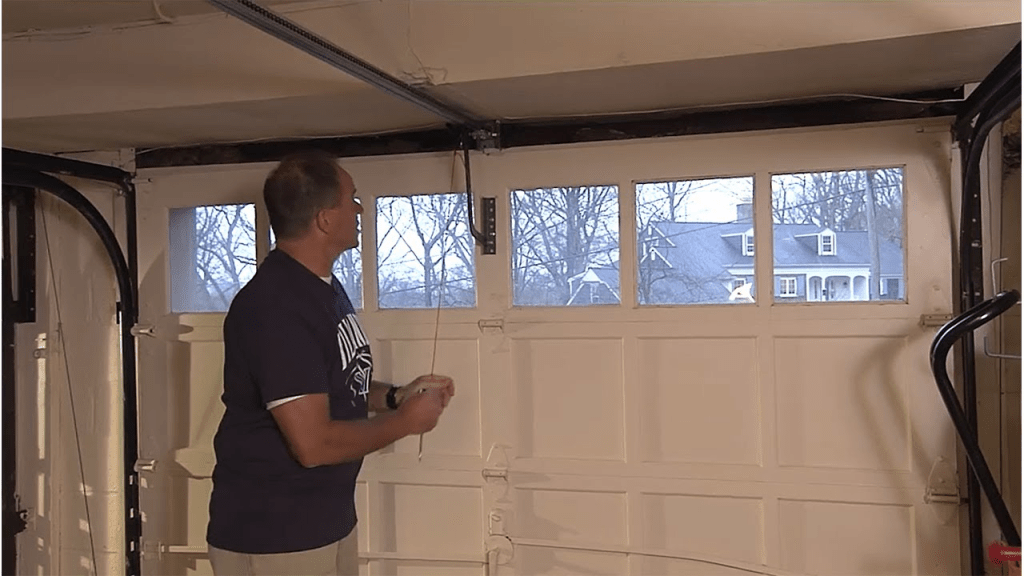
Alright, gather 'round, folks, and let’s talk about the unsung hero of your humble abode: the garage door. You know, that giant, often temperamental metal or wooden beast that guards your car, your lawnmower, and that questionable collection of holiday decorations you swear you’ll “organize” someday. When this behemoth decides to throw a tantrum, it’s less a gentle nudge and more a full-blown existential crisis for your morning routine. Suddenly, your trusty chariot is imprisoned, and you’re left contemplating a brisk walk in your pajamas.
Now, before you start hyperventilating and Googling “how to build a working garage door from scratch using only duct tape and positive vibes,” let me tell you, it’s not as scary as it looks. Think of it like this: your garage door is basically a giant, slightly awkward robot that’s prone to occasional glitches. And just like your phone that needs a good ol' restart sometimes, your garage door might just need a little TLC. We're going to dive into the nitty-gritty, but with a smile, because frankly, wrestling with a stubborn garage door is much more entertaining when you can chuckle about it.
So, what’s usually ailing this metallic marvel? Well, it’s often a symphony of small annoyances. We’re talking about things like a door that groans louder than your teenager at the mention of chores, one that stubbornly refuses to go up or down, or even that horrifying sound of metal grinding against metal that makes you think a bear is attempting to break in (spoiler alert: it's probably just a loose roller).
Must Read
First things first: Safety! I cannot stress this enough. Garage doors are heavy. Like, really heavy. They’re essentially controlled falling objects with springs that are wound tighter than a Kardashian's schedule. So, if you’re contemplating a solo mission to fix a particularly stubborn spring, maybe re-evaluate. Think of it as a superhero mission: do you have the right tools, the backup, and the moral compass to proceed? If not, call in the reinforcements. But for the minor skirmishes, we can proceed with caution.
The Usual Suspects: What’s Going On?
Let’s play detective. What are the common culprits behind a grumpy garage door?
1. The Squeaky Wheel (or Roller) Gets the Grease (Literally)
Is your garage door performing a mournful opera every time it moves? That’s probably the sound of dry rollers. These little guys are crucial for a smooth ride. They're usually made of plastic or metal, and just like your car needs oil changes, these need a bit of lubrication. Grab a can of silicone-based spray lubricant. Avoid WD-40 for this job, unless you want your door to attract dust bunnies like a magnet attracts misplaced socks. Spray it on the rollers and the tracks they glide in. You might need to do this a couple of times. Imagine you're giving your door a spa treatment. Ahhh, much better, right?
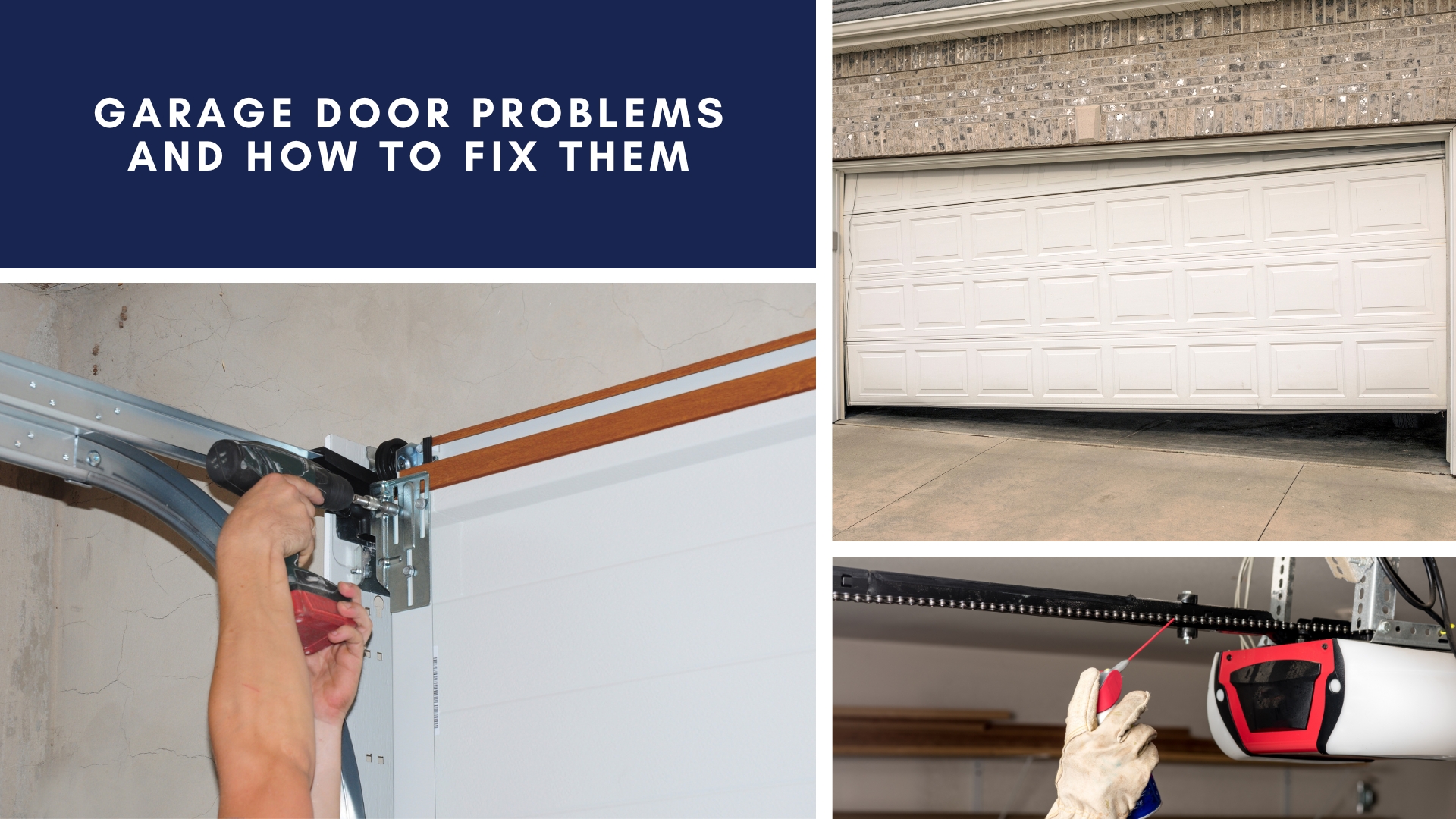
Fun Fact: Some older garage doors use tiny metal balls inside bearings. If yours are ancient, you might be looking at a more involved lubrication job, or even replacement. But for most of us, it’s just a quick squirt.
2. The Cable Conundrum
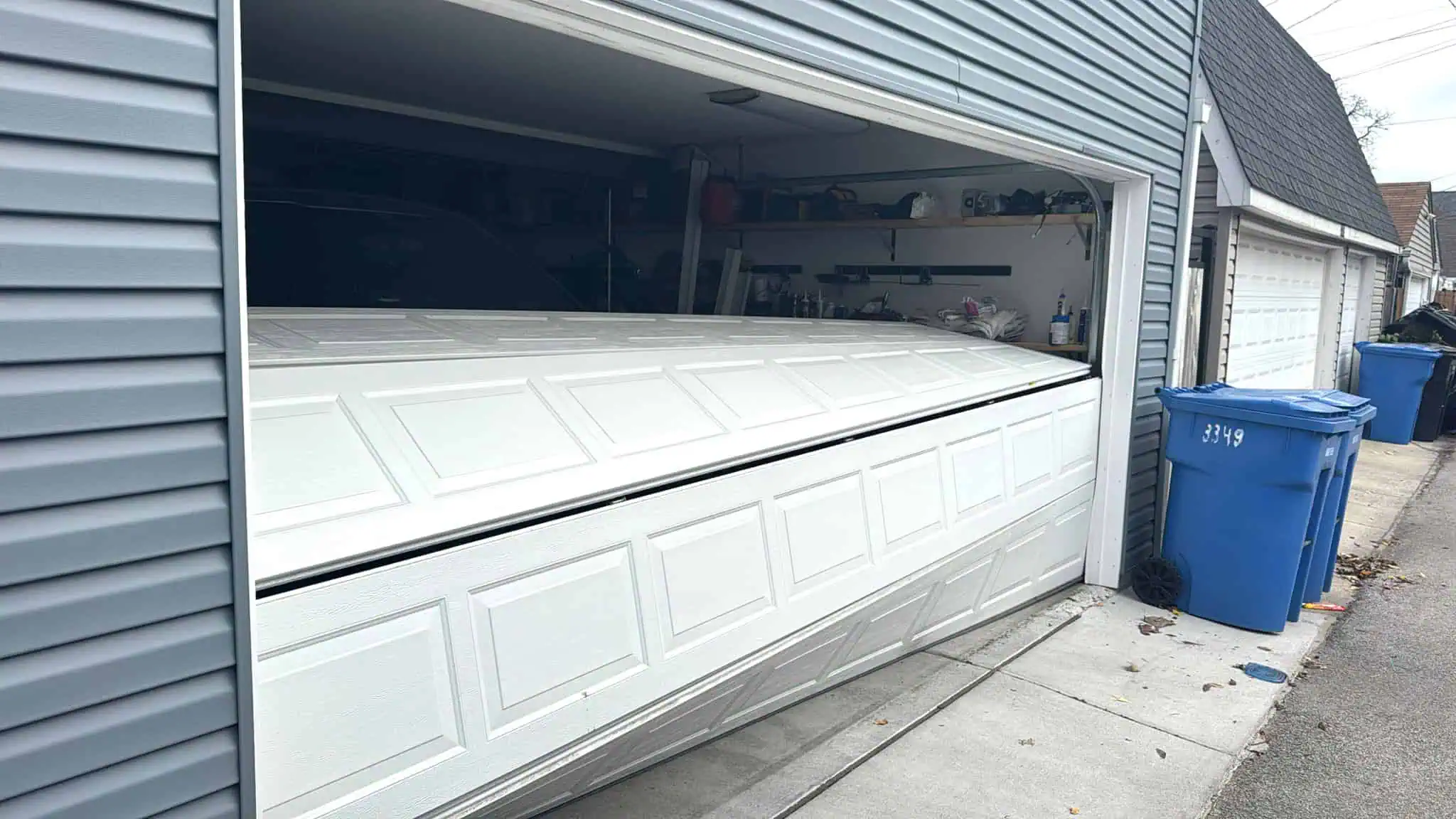
Ah, the cables. These are the unsung heroes that are literally holding your door up. If one of these goes rogue, it’s like a superhero losing their cape. You might notice the door is uneven, or that it’s incredibly difficult to lift manually. This is a serious one, folks. Damaged or frayed cables are a big no-no. You can visually inspect them (from a safe distance, of course). If you see any broken strands or signs of wear and tear, it's time to call in a professional. Trying to fix a snapped cable yourself is like trying to catch a greased pig in a tornado. It’s not going to end well.
Playful Exaggeration: Imagine a cable snapping. It’s not just a little 'boink.' It’s more like a giant rubber band snapping back with the force of a thousand angry squirrels. Protect your face!
3. The Spring Situation (Handle with Extreme Caution!)
Now, this is where we tread on sacred ground. The springs. These are the powerhouses that do the heavy lifting. They’re either torsion springs (mounted above the door) or extension springs (running along the horizontal tracks). These things are under immense tension. If one breaks, it sounds like a gunshot. Seriously. And it can cause the door to slam down with terrifying speed.
My advice? Unless you’ve had formal training and possess the mystical powers of spring-whispering, do not attempt to fix or replace these yourself. Call a qualified technician. Think of them as the brain surgeons of the garage door world. They have the specialized tools and the knowledge to de-tension and replace these safely. Trying to DIY this is like trying to defuse a bomb with a butter knife. You might succeed, but the odds are stacked against you, and the consequences can be… explosive.
4. The Loose Nut & Bolt Fiesta
Sometimes, your garage door is just a bit… wobbly. Like a toddler after too much juice. This could be due to loose nuts and bolts. Go around and gently check all the visible hardware. Tighten anything that feels loose. Don’t go all Hulk on it; just snug them up. Think of it as giving your door a gentle hug, not a wrestling match.
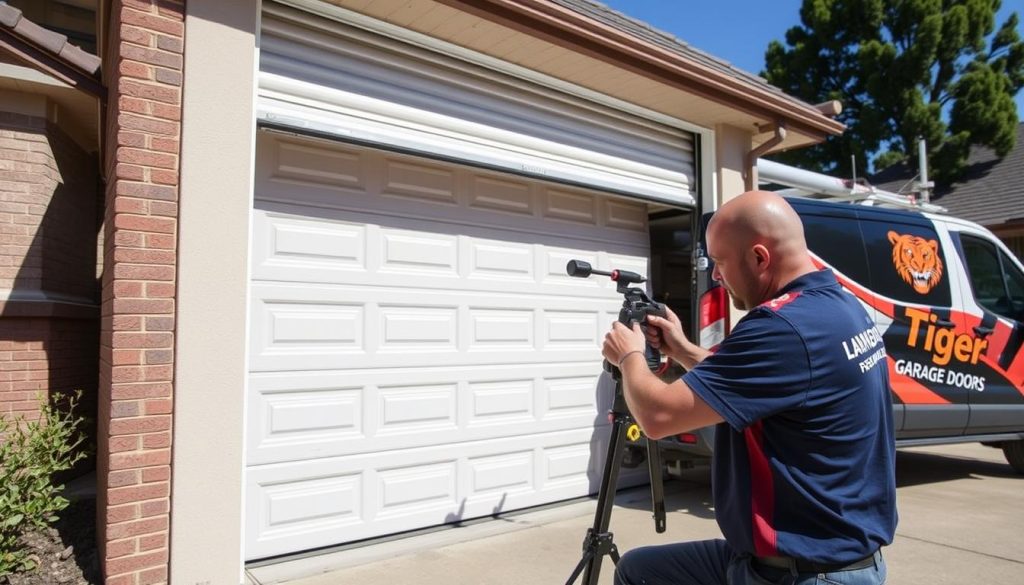
Surprising Fact: A surprisingly large number of garage door issues are simply caused by a nut or bolt vibrating loose over time. Who knew simple maintenance could be so effective?
5. The Remote Control Rebellion
Ah, the opener remote. The modern-day magic wand that summons your garage door from its slumber. If it’s acting up, it could be a few things. First, check the battery. It’s the most obvious culprit, and often the easiest fix. If the battery is fresh and it’s still playing coy, try reprogramming the remote. Your garage door opener’s manual is your best friend here. If all else fails, the opener itself might be on the fritz, or perhaps it’s just decided to take a vacation to a different frequency. Again, professional help might be in order for the opener itself.
Hilarious thought: Imagine your remote is like a petulant child. Sometimes it just needs a firm but loving “reset” to get back in line.

When to Call in the Cavalry
Look, I’m all for DIY enthusiasm. I’ve seen people build entire treehouses with popsicle sticks and sheer willpower. But there are times when you need to swallow your pride and admit that some jobs are best left to the experts. If you’re dealing with:
- Broken springs (I’m saying it again because it’s that important!)
- Damaged cables
- Bent or damaged tracks
- Issues with the opener motor itself
- Anything that makes you feel like you might be playing a role in a disaster movie.
Then it’s time to pick up the phone. A good garage door technician is worth their weight in gold. They can diagnose the problem quickly, have the right parts, and most importantly, they won’t accidentally detach a major component and bring your entire garage down.
So, there you have it. Your crash course in garage door repair, delivered with a side of humor and a healthy dose of caution. Remember, a well-maintained garage door is a happy garage door. And a happy garage door means less stress, more convenience, and fewer early morning sprints to the grocery store because your car is still trapped behind the metal fortress.