
How Do You Put Coolant In A Car

Hey there, car buddy! So, you're wondering about the magical elixir that keeps your engine from going all molten lava on you, huh? Yep, we’re talking about coolant. It's not just fancy colored water, you know. It’s the unsung hero of your car's temperature control. And guess what? Putting it in isn't some rocket science mission. You can totally do this!
Think of your engine like a tiny, super-powered furnace. It gets hot. Like, really, really hot. And if it gets too hot, things start to… well, melt. And nobody wants a melted car, right? That’s where coolant swoops in, like a superhero in a neon-colored cape. It circulates through your engine, grabs all that excess heat, and whisks it away to the radiator. Pretty neat, huh?
So, why are we even talking about this? Maybe your coolant light blinked at you like a confused disco ball. Or perhaps you just like to be proactive. Whatever the reason, you're in the right place. It’s like a little DIY spa treatment for your car’s insides!
Must Read
So, How Do You Actually Do This Thing?
Alright, deep breaths. First things first, you need to gather your supplies. Don't go rummaging through your grandma's pantry for old juice boxes. We need the real stuff. And importantly, you need the right kind of coolant.
This is where things can get a tiny bit tricky. Not all coolants are created equal. You've got different colors, different formulas… it’s like a rainbow convention for your engine. Some cars are picky eaters when it comes to coolant. Imagine giving your car a flu shot that’s the wrong dose – not good!
How do you find out the right one? Easy peasy. Your car’s owner's manual is your best friend here. Seriously, that dusty book has all the secrets. Or, you can pop open your hood and look for a sticker on the radiator or coolant reservoir. They usually spell it out for you. Think of it as the car whispering its dietary needs to you.
If all else fails, you can always call up your local auto parts store. Those folks are basically coolant ninjas. Just tell them your car's make, model, and year, and they'll point you to the correct bottle. No shame in asking for help! It's better than accidentally turning your engine into a lukewarm soup.
Okay, so you’ve got the right coolant. Now, what else? You'll need a funnel. A clean one, please! We're not trying to introduce coffee grounds into our engine's bloodstream. And a rag or paper towels are always a good idea. Because, let’s be honest, spills happen. Especially when you’re a DIY hero.

Safety First, Fun Second (But Still Fun!)
Before we dive in, a word about safety. Coolant can be a bit of a grumpy bear if you're not careful. It’s toxic, so definitely don't drink it. Seriously, it tastes awful and it’s bad for you. Even sniffing it too much isn't ideal. So, keep pets and little humans away from the area.
And here’s a biggie: never, ever open the radiator cap when the engine is hot. I repeat: NEVER. The system is under pressure, like a shaken-up soda bottle. If you twist that cap off, you’ll get a geyser of scalding hot, pressurized coolant that will give you a nasty burn. Trust me, you don’t want that. Think of it as a car booby trap.
So, the golden rule is: let the engine cool down completely. This can take a while, so be patient. Grab a coffee, read a magazine, maybe even contemplate the mysteries of the universe. When the engine is cool, you can’t feel any heat radiating from it, you’re good to go.
Locating the Coolant Reservoir (It’s Not Hiding!)
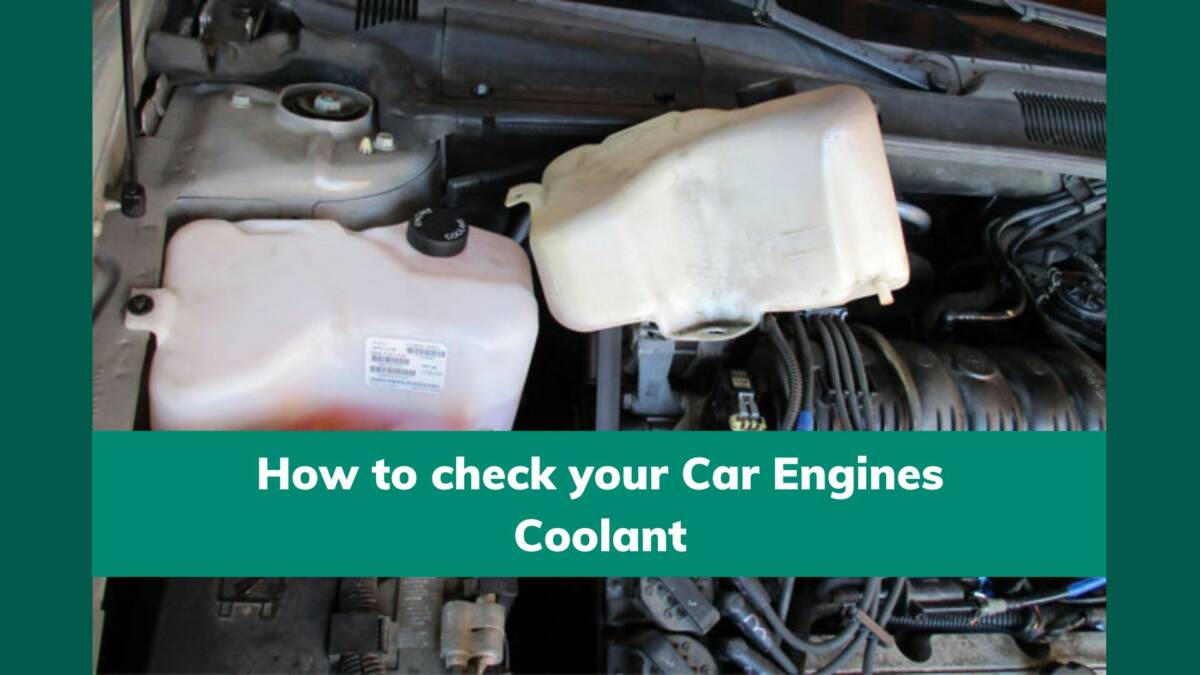
Now, where does this precious liquid actually go? It's usually pretty obvious. Look for a plastic tank, often translucent, with "Coolant" or a temperature gauge symbol on it. It’s typically located somewhere in the engine bay, often near the front or side. It might have "MIN" and "MAX" lines on it. See? Not so scary.
This is called the coolant reservoir, or sometimes the overflow tank. It’s like the coolant’s little holding pen. The radiator itself also has a cap, and that's the one you definitely don't want to open when it's hot. The reservoir is usually the easier and safer place to add coolant.
Some older cars might have a fill point directly on the radiator itself. If yours is one of those, you'll need to be extra, extra careful about letting it cool down. But for most modern cars, the reservoir is your friend.
The Actual Filling Process (Drumroll Please!)
Okay, you’ve got your cool engine, your right coolant, your funnel, and you’ve located the reservoir. Time for the main event!
First, open the hood. Of course. That’s usually step one for anything under there. Then, find that coolant reservoir cap. It might be a twist-off cap, or sometimes it has little tabs you need to push. Just give it a gentle tug or twist.
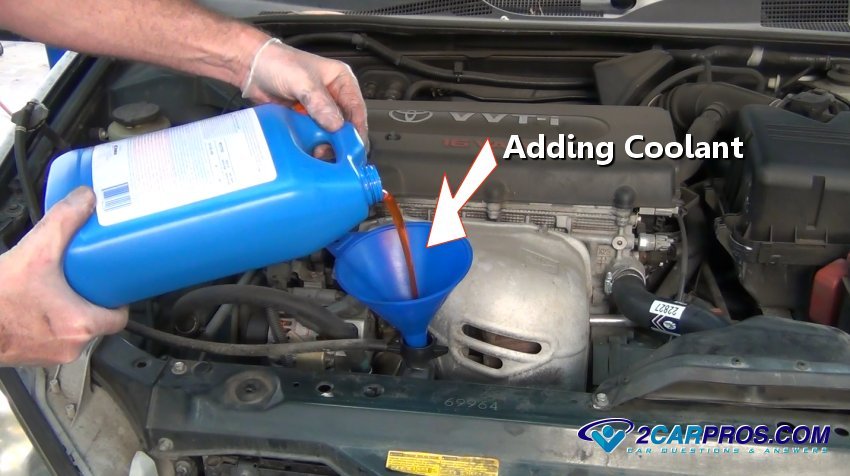
Once the cap is off, take your funnel and stick it into the opening. Make sure it’s seated securely. You don’t want it wobbling around like a loose tooth.
Now, grab your coolant. Most coolants come pre-mixed, which is super convenient. If yours isn't, you'll need to mix it with distilled water. Again, check your owner's manual for the correct ratio. Usually, it’s 50/50. Don’t use tap water! It’s full of minerals that can gunk up your cooling system. Think of it as giving your engine mineral water when it needs pure spring water.
Slowly start pouring the coolant into the funnel. Pour at a steady pace. Don’t just dump the whole bottle in at once. You’ll get a geyser of your own, but this time it’ll be coolant all over your engine bay. And nobody wants a sticky, brightly colored engine. That’s not the cool look we're going for.
Keep an eye on the "MIN" and "MAX" lines on the reservoir. You want to fill it up to somewhere between those two lines. Don’t overfill it! The coolant expands when it gets hot, so it needs a little room to breathe. If you fill it to the brim, it’ll just push the excess out when it heats up, making a mess.
![How To Put Coolant (Antifreeze) In Your Car [2024 Guide] - Auto Chimps](https://autochimps.com/wp-content/uploads/2022/05/How-To-Put-Coolant-Antifreeze-In-Your-Car-1024x576.jpg)
Once you're at the right level, remove the funnel. Give the reservoir cap a good twist or push back into place, making sure it’s sealed tight. You want that little guy to hold its contents securely.
What About That Radiator Cap?
As I mentioned, the radiator cap is a different beast. If your coolant level is really low, or if you suspect air might be in the system, you might need to fill it through the radiator cap. But honestly, for most regular top-ups, the reservoir is sufficient.
If you do need to open the radiator cap (and remember, engine must be COLD!), you'll see a spring-loaded cap. You usually have to push down and then twist it counter-clockwise. Again, be super cautious here. Once it's off, you can fill the radiator directly until the coolant is visible. Then, put the cap back on securely.
Adding coolant directly to the radiator is more about getting the system full and bleeding out air. If you're not comfortable with it, stick to the reservoir. It’s usually all you need!
The Grand Finale: Testing and Cleaning Up
You’ve done it! You’ve successfully given your car a coolant transfusion. High five! Now, a little follow-up is in order.
Start your engine. Let it run for a few minutes. Keep an eye on your temperature gauge on the dashboard. It should stay in the normal range. If it starts climbing quickly or looks like it’s heading for the red zone, turn the engine off immediately and re-evaluate. You might have a bigger issue, or maybe you didn’t get the air out properly.

While the engine is running, it's also a good time to check for leaks. Look under the car for any puddles of brightly colored liquid. If you see any, it’s time to investigate further. Small drips might be okay initially, but persistent leaks need attention.
Clean up any spills. Use those rags or paper towels to wipe down any coolant that escaped. You don't want it sitting around, especially with pets nearby. And definitely don’t pour leftover coolant down the drain or on the ground. Dispose of it properly! Most auto parts stores have hazardous waste disposal. They're not going to arrest you for a small amount, but it's the responsible thing to do.
Put away your tools. Close your hood. Admire your handiwork. You just saved yourself a trip to the mechanic and learned a valuable skill. Aren’t you the clever one?
When in Doubt, Call a Pro (No Shame!)
Look, sometimes things are a little more complicated than just pouring liquid into a tank. If your coolant level keeps dropping rapidly, if you’re seeing white smoke from your exhaust, or if your engine is consistently overheating despite your best efforts, it’s time to call in the cavalry. There could be a leak in your radiator, a faulty thermostat, or a blown head gasket. Those are more serious issues that require a mechanic's expertise.
But for regular maintenance, topping up your coolant is a fantastic way to keep your car running smoothly and prevent costly repairs down the line. It’s a small act of kindness for your car, and in return, it’ll keep you from getting stranded on the side of the road with a steaming engine. And who needs that kind of drama?
So, there you have it. Putting coolant in your car. Not so scary, right? Just remember to be safe, use the right stuff, and keep an eye on that temperature gauge. You’ve got this, car buddy!
![How to Put Antifreeze in Car [Where Does Antifreeze Go?]](https://roadsumo.com/wp-content/uploads/2022/01/how-to-put-coolant-in-car-768x512.jpg)