How Do You Know If Fish Is Done
:max_bytes(150000):strip_icc()/How-to-tell-when-fiah-is-done-final-resized-fcf6535a06dc4e8585570b30c0c8ef2d.jpg)
So, you've got some beautiful fish, right? Fresh from the market, or maybe you even caught it yourself. High five! Now comes the slightly nerve-wracking part: cooking it perfectly. We've all been there, haven't we? That moment of doubt where you poke it with a fork and think, "Is this… done? Or am I about to serve up rubber? Or, worse, something that makes my guests do the 'too polite to say it' face?"
Don't worry, friend. We're going to tackle this mystery together, armed with nothing but our wits and maybe a kitchen timer. Think of this as our little fishy confession booth. We're going to spill all the secrets to perfectly cooked fish, so you can ditch the guesswork and say hello to flaky, flavorful deliciousness. No more culinary catastrophes, just pure piscine perfection. Ready to dive in?
The Visual Clues: What Your Eyes Tell You
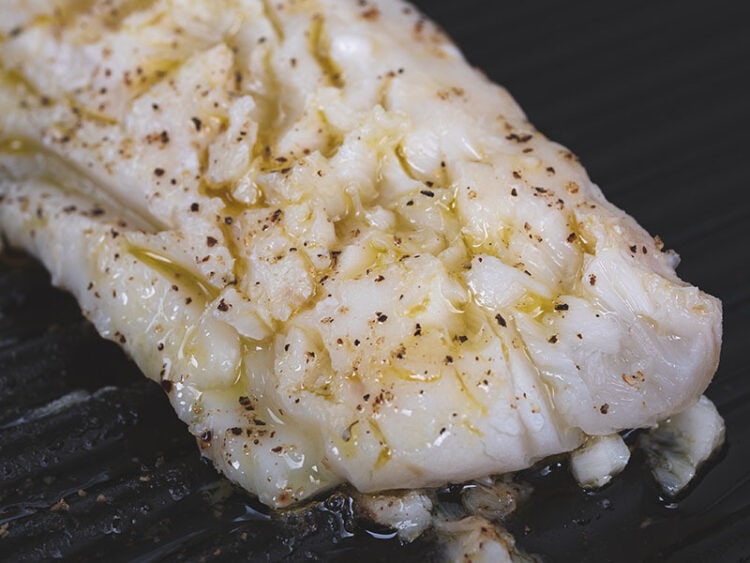
Let's start with the obvious, shall we? Your eyes are your first line of defense. When fish is cooked, it changes color. Like, drastically. Raw fish is usually kind of translucent, right? Kind of… see-through. Think of a pretty piece of sashimi. But once it's cooked, it turns opaque. It goes from a bit watery-looking to a solid, milky white (or whatever its natural color is, but definitely not see-through anymore!).
Must Read
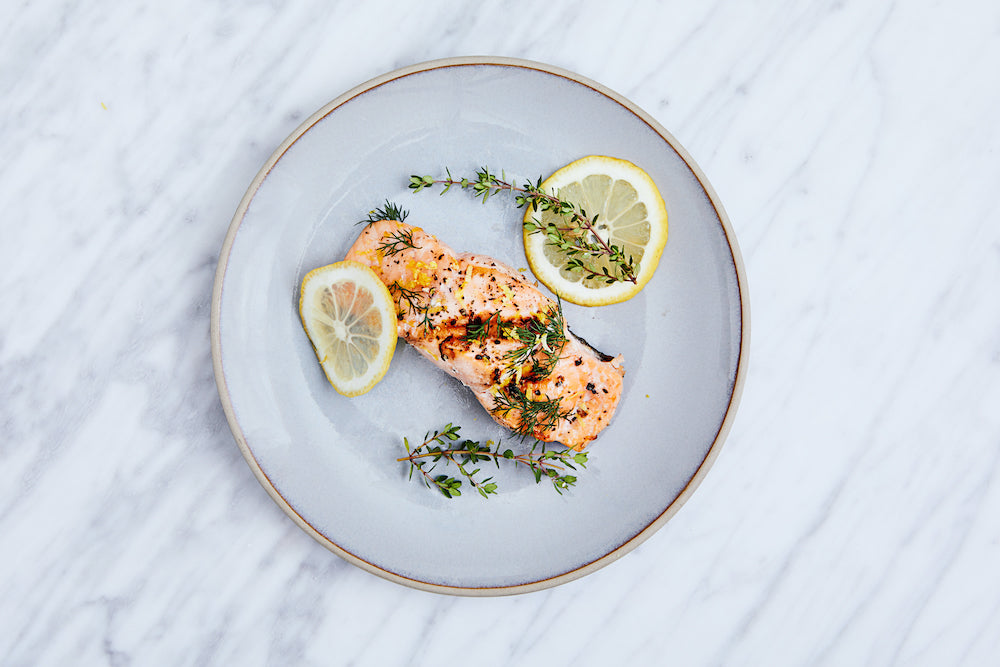
Imagine a perfectly cooked piece of cod. It's no longer the slightly pinkish, almost glassy stuff you bought. It's bright white, almost glowing with perfection. Salmon? It goes from that vibrant pink-raw to a lovely, cooked coral color. Tuna? It’s a whole other story, but it also loses that raw, deep red hue. It’s like a transformation, a culinary Cinderella moment. If it still looks a bit… glassy in the thickest part, it probably needs a little more love. A little more heat. A little more… cooking time. Simple, right?
But here's a sneaky little trick: don't just look at the outside. The inside is where the real magic (or the real disaster) happens. You want to check the thickest part of the fillet. That's usually the last part to cook. So, even if the edges look done, if the center is still raw and translucent, you've got a bit more cooking to do. It’s all about that thickest point, the heart of the fishy operation. Think of it as the VIP section of your fish fillet.
The Flake Test: Your Fork's Best Friend
Okay, so you've seen the color change. Now, let's get a little hands-on. This is where your trusty fork comes in. It’s not just for shoveling deliciousness into your mouth, you know. It’s also a culinary detective tool. Gently insert the tip of your fork into the thickest part of the fish and give it a little twist. What happens?
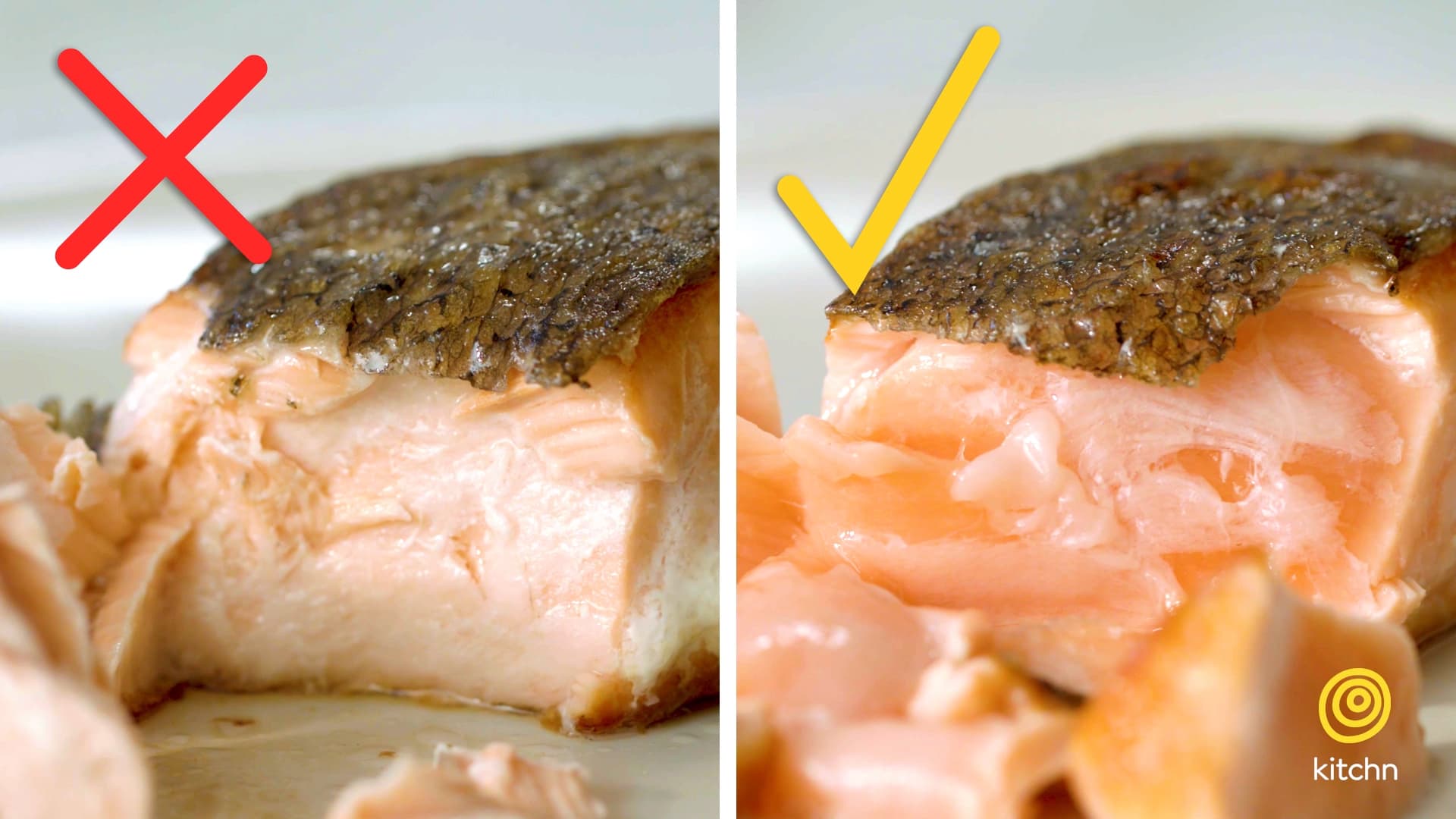
If the fish flakes easily into distinct, moist pieces, congratulations! You've done it! It’s like the fish is saying, "Hooray! I'm finally ready to be devoured!" It should separate along the natural lines of the flesh. It’s not mushy, and it's definitely not tough and rubbery. It’s just… perfectly flaky. Like a delicate pastry, but, you know, fish.
Now, if you try to flake it and it’s still kind of resistant, like you're trying to pry open a stubborn oyster, it’s probably not quite there yet. It needs a little more encouragement from the heat. Think of it as gently coaxing it to reveal its delicious secrets. And if it breaks apart into a million tiny, dry little bits? Uh oh. You’ve gone too far. We’ve entered the territory of overcooked fish, the culinary equivalent of a bad hair day. But don't beat yourself up! It happens to the best of us. We learn, we adjust, we try again. It's a journey, not a destination, right?
The Temperature Tango: For the Precision Chefs
For those of you who like to be absolutely, positively, one hundred percent sure, there's a tool for that. Yes, I’m talking about the magical world of food thermometers. It might seem a bit extra for fish, but honestly, it’s a game-changer. Especially for thicker fillets or whole fish. It takes all the guesswork out of the equation. No more poking and prodding like a nervous surgeon.
The magic number for most fish is around 145°F (63°C). Stick your thermometer into the thickest part of the fish, avoiding any bones. If it hits that mark and holds steady, you’re golden. The fish will be cooked through and beautifully opaque. It’s like a little digital confirmation of your culinary genius. Seriously, if you're often on the fence, investing in a good instant-read thermometer is like buying a ticket to guaranteed fish success. It's a small price to pay for peace of mind and perfectly cooked seafood.
Think of it this way: would you rather rely on a vague visual cue and a fork poke, or have a precise number telling you, "Yep, it's ready to party!"? For me, it’s the thermometer, every single time. It’s especially helpful with fish that can go from perfectly cooked to sadly overcooked in what feels like milliseconds. Salmon, for example, can be amazing when cooked to medium, but overcooked? Not so much. A thermometer helps you nail that sweet spot.
Don't Forget About Carryover Cooking!
Here’s a little insider tip, a secret weapon in your fish-cooking arsenal. Fish, like many other foods, continues to cook after you take it off the heat. This is called carryover cooking. So, even if your thermometer reads just a few degrees shy of 145°F, you can often pull it off the heat a bit early. The residual heat will do the rest. It’s like the fish taking a victory lap in its own warmth.
This is super important for not overcooking your delicate fish. You don't want to take it off the heat when it's already at 145°F, only for it to climb to 155°F while it's resting. That’s a recipe for dryness, my friends. So, aim to remove it when it’s about 5 degrees Fahrenheit (or about 2-3 degrees Celsius) below your target temperature. Let it sit for a few minutes, and voilà! Perfectly cooked. It’s a subtle art, but once you get the hang of it, you'll be a fish-cooking ninja. You’ll be wowing your friends and family with your almost-telepathic understanding of fish temperatures.

The Feel Factor: A More Intuitive Approach
For some people, especially those who have cooked a lot of fish, it’s more about feel. It’s a more intuitive thing. You can gently press the top of the fish with your finger (carefully, it’s hot!). If it feels firm but yields slightly, it’s probably done. It shouldn't feel mushy or overly resistant.
Think of it like checking if an avocado is ripe. You give it a gentle squeeze. Fish is similar, but with less bruising, please! You want it to have a slight bounce back. If it feels really soft and squishy, it’s not ready. If it feels like a rock? Yeah, you’ve probably gone too far. This takes practice, though. Don't expect to be a fish-feel guru overnight. It's like learning a new language; you start with the basics and gradually develop an ear for the nuances.
This method is great for thinner fillets, where a thermometer might be overkill or even tricky to use without piercing the whole thing. It’s all about developing that connection with your ingredients. You start to understand their textures, their densities, their subtle shifts as they cook. It’s a more organic, almost spiritual approach to cooking. Plus, who doesn't love a little culinary intuition? It feels fancy, doesn't it?
Consider the Type of Fish!
Now, this is a biggie. Not all fish are created equal when it comes to cooking. You wouldn’t cook a delicate sole the same way you’d cook a hearty tuna steak, right? Different fish have different moisture contents, different fat levels, and different densities. So, the cooking time and the “doneness” cues can vary.
For leaner, white fish like cod, tilapia, or haddock, they tend to cook quickly and can dry out easily. You want them to be opaque and flake easily. Overcooking is their arch-nemesis. For fattier fish like salmon, mackerel, or tuna, they can handle a bit more cooking and are often delicious served slightly less done, almost medium. They have more natural moisture and fat to keep them from drying out. So, when you’re checking for doneness, always consider what kind of fish you’re working with. It’s like tailoring your approach to the individual personality of each fish. Each one has its own quirks and preferences.

Think of it as getting to know your seafood. Some fish are shy and need gentle cooking. Others are robust and can take a bit more heat. Do a quick search for the specific type of fish you’re cooking if you’re unsure. Most recipes will give you a good idea of how long to cook it and what to look for. It’s all about gathering intel before you go into battle with your stovetop.
The Aroma Test: Is Your Kitchen Singing?
This is a more subtle cue, but it’s a good one. When fish is cooking, it releases a lovely aroma. When it’s perfectly cooked, that aroma is usually a pleasant, savory scent. If it starts to smell fishy in a not-so-good way, or if it smells like it’s burning, you’ve probably gone too far. Like, way too far. That’s the smell of desperation, not deliciousness.
A well-cooked piece of fish should smell inviting. It’s a sign that the proteins are breaking down beautifully and releasing those delicious flavor compounds. It’s the smell of a happy, well-treated piece of seafood. Think of it as the fish giving you a little olfactory thumbs-up. If you’re unsure, a quick sniff can sometimes give you a clue. But don’t rely on this alone, it’s more of a secondary indicator. It's like a bonus hint from your kitchen gods.
Also, consider the sounds. A perfectly pan-seared fish will have a gentle sizzle. If it's screaming and spitting like it's in pain, it might be a sign of too much heat, which can lead to overcooking. Listen to your fish, friend. It’s trying to communicate with you!
When in Doubt, Err on the Side of Underdone
This is my golden rule, my fish-saving mantra. If you’re truly on the fence, and you’ve tried all the tests and you’re still not sure? Err on the side of underdone. You can always put it back on the heat for a minute or two. It's incredibly difficult, if not impossible, to salvage fish that has been overcooked into a dry, rubbery husk. It’s like trying to un-ring a bell. Impossible!

So, if it’s looking a little too pink in the center, or if it’s not flaking quite as easily as you’d like, just pop it back in the pan or oven for a few more minutes. Keep a close eye on it, though! You don’t want to go from slightly underdone to overdone in the blink of an eye. It’s a delicate dance, but it’s a much better problem to have than the alternative. This one tip alone has saved countless fish dinners in my kitchen. It’s the culinary equivalent of a “get out of jail free” card.
And hey, if you do accidentally overcook it? Don't throw it away in despair! Sometimes you can salvage it by chopping it up and using it in a fish pie, a salad, or even fish tacos where its texture might be less noticeable. It’s not ideal, but it’s better than a total waste. We’re all about minimizing food waste here, right?
Practice Makes Perfect, Seriously!
Look, nobody expects you to be a Michelin-star chef from day one. Cooking fish perfectly is a skill, and like any skill, it takes practice. The more you cook fish, the more you’ll develop that intuition, that feel for when it’s just right. You’ll start to recognize the subtle changes in texture and color without even thinking about it.
So, don't be discouraged if your first few attempts aren't flawless. Every time you cook fish, you're learning. You're gathering data. You're becoming a better cook. Embrace the process, enjoy the journey, and celebrate those perfect fish dinners when they happen. They will happen! And when they do, you’ll feel like a culinary superhero. A cape might even be appropriate.
The next time you’re staring down a beautiful fillet, take a deep breath. You’ve got this. Use your eyes, use your fork, maybe even use your trusty thermometer. And remember, when in doubt, a little more cooking is always better than too much. Happy fish cooking!