How Do You Know Gold Is Real
Ever found yourself staring at a shiny, golden trinket and wondered, "Is this the real deal, or just some fancy pyrite playing dress-up?" It's a question that pops into our heads more often than you might think, right? Whether it’s a vintage ring at a flea market, a piece of inherited jewelry, or even just a curious coin, the allure of gold is undeniable. But how do you actually know if that glinting beauty is genuine?
Let's ditch the high-tech labs and secret codes for a sec and chat about some of the cool, old-school ways people have been sussing out real gold for ages. Think of it like being a detective, but with a lot more sparkle involved!
The Weighty Truth: It's All About Density!
One of the first things you might notice about real gold is its heft . It feels… substantial. This isn't just your imagination running wild; it's science! Gold is a really, really dense metal. Imagine comparing a feather to a tiny pebble of the same size. The pebble is way heavier, right? Gold is like that pebble, but on steroids.
Must Read
So, if you have a piece that feels surprisingly light for its size, it might be a red flag. Counterfeiters often use lighter metals to fake the look of gold. Think of it like trying to make a bowling ball out of styrofoam – it might look the part from a distance, but it just doesn't have that satisfying thunk when you pick it up.
The Float Test (Sort Of!)
Okay, so we're not actually floating gold in water, but the principle is similar. If you have a piece of solid gold and compare it to something that looks like gold but isn't, the genuine article will sink faster and feel heavier. This relates back to that density thing we just talked about. It’s a simple, intuitive test that doesn't require any fancy gadgets.
Think about dropping a tiny bead of lead versus a tiny bead of plastic into a cup of water. The lead sinks like a stone, right? Gold is much closer to lead in density than it is to most common fake-gold materials. It’s a good initial clue, especially if you’re feeling things out.
The Magnet Test: Gold Says "Nah."
Here’s a super easy one you can do at home with a strong magnet – the kind you might stick on your fridge, but maybe a bit stronger if you have one! Real gold is not magnetic . Nope. Zilch. Nada. If your golden item jumps up and clings to the magnet like a love-sick puppy, then… well, it’s probably not solid gold.

This is a fantastic quick-check because many common metals used to make fake jewelry are magnetic. So, if your supposed gold earrings do a little dance with the magnet, you’ve got your answer. It's like asking someone if they want to go skydiving, and they immediately say "Yes!" – you know they're probably not telling you the whole truth about their fear of heights.
What About the Spring?
Sometimes, a piece might have a small, non-golden component, like a spring in a clasp. This little spring might be magnetic. So, if only that tiny part sticks to the magnet, the rest of the piece could still be real gold. It’s all about isolating the material you’re actually testing. Don’t let a sneaky little spring fool you!
The "Bite" Test: A Historical (and Slightly Silly) Approach
Okay, this one is a bit more… dramatic. And honestly, probably not recommended for valuable items! Historically, people would gently bite into gold to see if it would leave a mark. Why? Because pure gold is quite soft.
Think of biting into a piece of hard candy versus biting into a marshmallow. Pure gold is much closer to the marshmallow – it's pliable. So, if you could leave a tiny dent with your teeth, it was a sign of genuine gold. However, this is a terrible idea if you don’t want to damage your teeth or your jewelry!
Plus, most jewelry isn't made of pure gold (24 karat). It's usually an alloy, meaning it’s mixed with other metals to make it stronger and more durable. So, the "bite" test is really only relevant for understanding the properties of pure gold, not for practical testing today.
A Safer Alternative: Scratching
Instead of risking your dental work, a slightly safer (but still potentially damaging to the item!) method involves scratching the item on an unglazed ceramic plate. Real gold will leave a yellow streak. If it leaves a black streak, it's likely not gold. Again, proceed with caution if you’re testing something you care about!
Hallmarks and Stamps: The Manufacturer's Signature
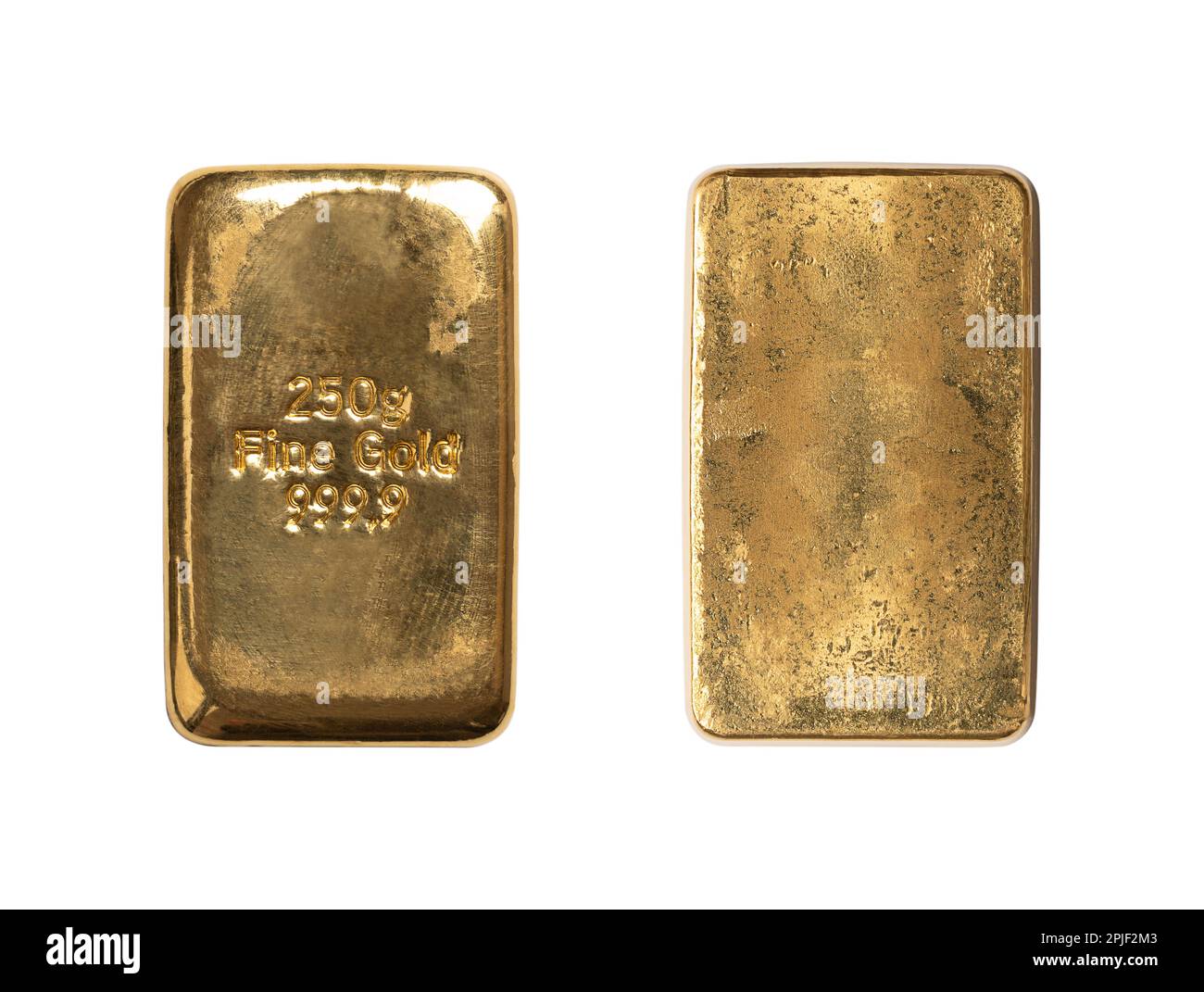
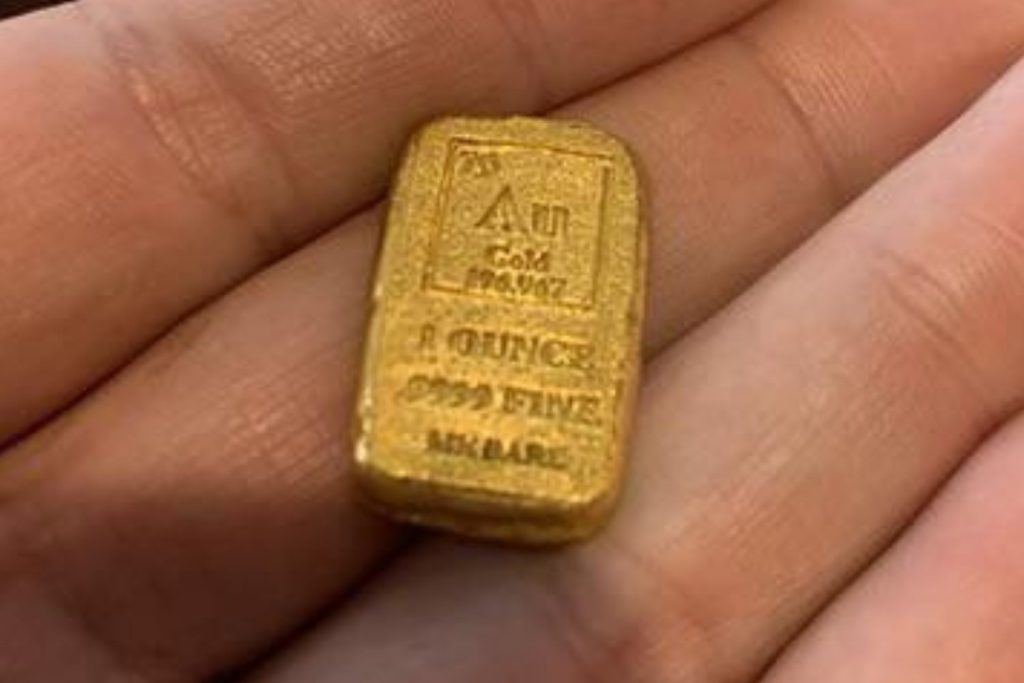
This is a big one, and often the easiest to check. Most gold jewelry, especially from reputable sources, will have hallmarks or stamps on it. These are tiny little markings that indicate the purity of the gold.
You’ll often see numbers like “10K,” “14K,” “18K,” or “24K.” These refer to karats, which is a measure of gold purity. 24K is pure gold (99.9%), while 10K is about 41.7% gold. You might also see numbers like “417” (for 10K), “585” (for 14K), “750” (for 18K), or “999” (for 24K).
In addition to the karat marking, you might find a maker’s mark, which is like a tiny signature from the company that made the jewelry. These stamps are usually found on the inside of rings, on the back of pendants, or on the clasp of necklaces and bracelets.

Where to Look?
You’ll need a good magnifying glass or a jeweler’s loupe to see these tiny marks clearly. They’re often found in inconspicuous places. Think of them as secret codes left by the artisan, telling you the story of the metal.
The Acid Test: A More Serious Approach
Now we’re stepping into territory that’s a bit more involved. The acid test is a common method used by jewelers and gold buyers. It involves using a set of nitric acid solutions specifically designed to test different karats of gold.
Here's the gist: A small, inconspicuous part of the gold item is scratched to expose the metal beneath. Then, a drop of the appropriate acid is placed on the exposed area. If the metal reacts with the acid (meaning it dissolves or changes color), it’s not that specific karat of gold. If it holds up, it likely is.
This test is more accurate than the magnet or weight test alone, but it does require specialized acids and a bit of practice. It’s also crucial to be careful when handling acids, as they can be corrosive. It's definitely not a casual living room experiment!
Why Different Acids?
Each acid is formulated to react with specific gold purities and common alloys. This allows for a more precise determination of the gold’s karat. It’s like having a color palette where each shade tells you something different about the composition.
Professional Appraisal: The Ultimate Gold Standard
When in doubt, or if the item is particularly valuable or has sentimental importance, the best and most reliable way to know if gold is real is to take it to a professional jeweler or appraiser.
These folks have the tools, knowledge, and experience to test gold accurately and without damaging it. They can use electronic gold testers, advanced chemical tests, and their own keen eyes to give you a definitive answer. It’s like going to a doctor when you’re not feeling well – they have the expertise to diagnose the situation.
What Do They Look For?
Professionals look at a combination of factors: the item’s weight, its hallmarks, its color and luster, and then they perform various non-destructive or minimally destructive tests. They can also identify any gemstones and assess the overall value.
So, the next time you’re captivated by a golden gleam, remember these tips. From a simple magnet to a professional appraisal, there are plenty of ways to uncover the truth behind that shiny surface. It’s all part of the fun of appreciating these precious metals, isn't it?