How Do You Grill In The Oven

Ever find yourself craving that delightful, smoky char of grilled food, but the weather outside is less than cooperative? Or perhaps you're in an apartment with strict grilling rules. Well, good news! You don't always need a backyard and a fancy charcoal briquette setup to achieve that satisfying grilled flavor. Believe it or not, your trusty oven can become your culinary ally in the quest for grilled goodness. Learning to "grill" in the oven isn't about magic; it's about understanding how to harness the intense heat your oven can provide to mimic those coveted char marks and delicious crispy edges. It's a really fun and accessible way to expand your cooking repertoire, especially when outdoor grilling just isn't in the cards.
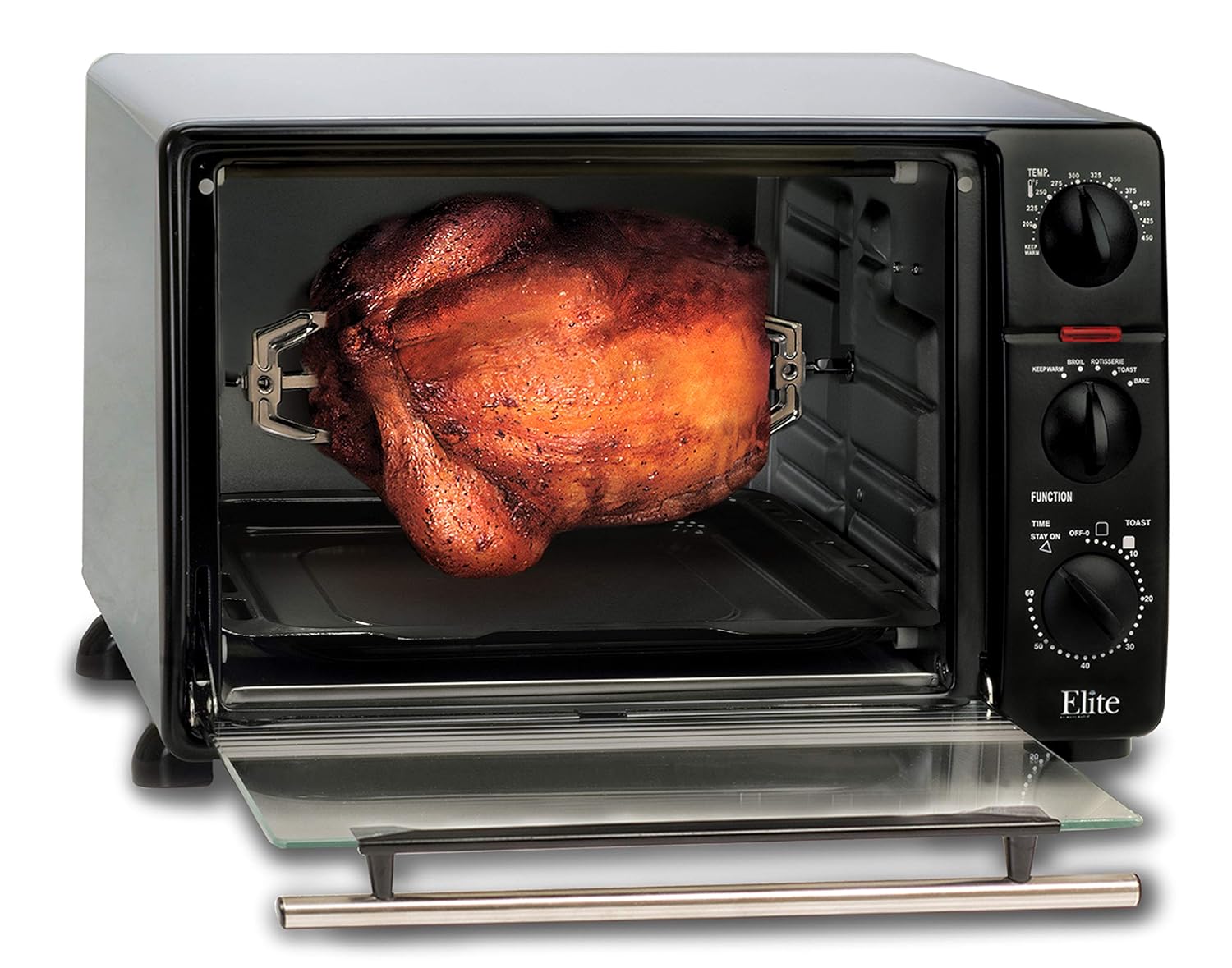
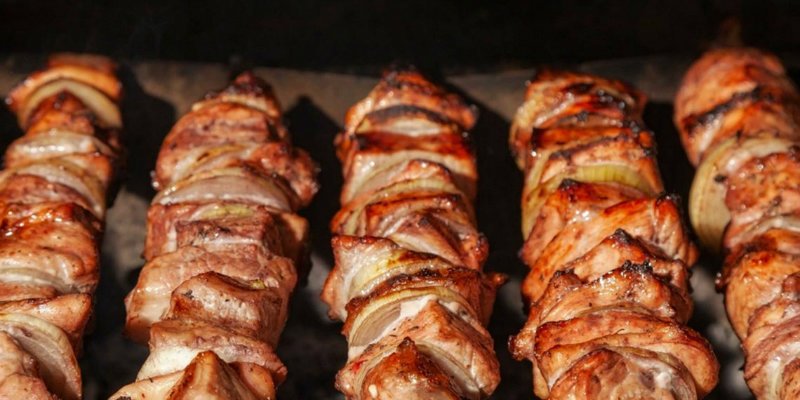
The primary purpose of "grilling" in the oven, often referred to as broiling, is to introduce a direct, intense heat source that sears the surface of your food. Think of it as upside-down grilling. Instead of heat coming from below, the heating element in your oven, usually at the top, becomes your grill. The benefits are numerous! You can achieve that wonderful caramelization and slightly smoky taste without needing specialized equipment. It’s incredibly fast, making it perfect for weeknight meals. Plus, it’s a much cleaner process than outdoor grilling, with less mess and easier cleanup. It’s also a fantastic way to cook delicate items that might fall through traditional grill grates, like thinly sliced vegetables or certain types of fish.
In terms of daily life, the applications are wonderfully diverse. Imagine wanting to make a quick and easy weeknight chicken breast with those desirable grill marks. Broiling is your answer! It's also perfect for toasting tortillas for fajitas, melting cheese on open-faced sandwiches, or even getting that crispy topping on a gratin. In an educational setting, teaching children about different cooking methods, oven "grilling" (broiling) is a great way to demonstrate how heat transfer works. They can observe how the direct heat from the broiler element creates browning and changes the texture of food, offering a tangible and delicious science lesson.
Must Read
So, how do you actually do it? It’s surprisingly simple! First, you’ll want to position your oven rack about 4-6 inches below the broiler element. You don't want your food too close, or it will burn before it cooks through. Next, preheat your broiler. Most ovens have a dedicated "broil" setting, often with high and low options. For most foods, high broil is what you're looking for. Prepare your food on an oven-safe baking sheet or a broiler pan. A broiler pan is ideal because it has raised ridges that allow fats to drip away, mimicking a grill. If you don't have one, a regular baking sheet lined with foil works well, just be mindful of any excess fat. Pat your food dry thoroughly before placing it under the broiler; this is crucial for achieving good searing and browning.
For a simple exploration, try broiling some thick-cut zucchini or bell pepper slices. Toss them with a little olive oil, salt, and pepper, spread them on your baking sheet, and let them broil for a few minutes per side until tender and nicely charred. Salmon fillets are another excellent choice for oven "grilling." They cook quickly and develop a lovely crispy skin. Keep a close eye on your food while broiling, as it can go from perfectly cooked to burnt in a matter of moments. Flipping your food halfway through is usually necessary to ensure even cooking and charring. So next time the grill is out of reach, remember your oven is ready to step in and deliver that delicious, grilled flavor!