
How Do You Get Sap Off Clothes

Ah, summer. Sunshine, lazy days, and… sticky sap. Whether you’ve been enjoying a whimsical woodland stroll, attempting some ambitious DIY woodworking, or simply brushing past a particularly generous pine, you’ve probably encountered the dreaded sap stain. It’s like a tiny, transparent, and incredibly stubborn guest that’s decided your favourite tee or your go-to jeans are its new summer home. But fear not, fellow wanderers and creators! This sticky situation is entirely fixable, and with a little know-how and a dash of patience, you can banish those sap spots to the land of forgotten laundry woes.
Let’s face it, the moment you notice that glistening blob on your beloved fabric, a mini panic might set in. Will it ever come out? Is this shirt officially ruined? Will you have to relegate it to gardening duty forever? Deep breaths. We’ve all been there. Think of it as a little badge of honour from your outdoor adventures, a sweet, albeit sticky, souvenir. But if you’re aiming for that pristine look, we’ve got you covered. Forget harsh chemicals and expensive dry cleaning bills. We're diving into the world of gentle, effective, and surprisingly simple sap removal.
The Sticky Truth About Sap
So, what exactly is this tenacious goo? Tree sap is essentially the lifeblood of a plant. It’s a sugary, resinous substance that helps trees transport nutrients and water, and it also acts as a natural sealant for wounds. Pines, firs, and maples are notorious sap-droppers. It’s nature’s way of saying, “I’m alive and kicking!” while simultaneously testing our laundry resolve. The resin in sap is what makes it so sticky and, frankly, a pain to remove. It hardens over time, making it even more challenging to dislodge.
Must Read
Historically, people have always had to contend with the natural world’s less-than-convenient byproducts. Before the advent of modern detergents, resourceful individuals would have relied on things like natural oils, fats, and even alcohol to break down these sticky residues. It's a testament to human ingenuity that we've developed such effective methods, many of which are surprisingly natural and readily available in our own homes. Think of it as a little nod to our ancestors who were masters of resourcefulness.
The Cold Approach: Freezing Out the Stickiness
One of the most effective ways to tackle fresh sap is to make it less… well, sticky. And what’s the enemy of stickiness? Cold! If the sap is still somewhat soft, pop the garment into the freezer. This might sound almost too simple, but it’s a game-changer.
Here’s the drill: Fold the clothing so the sap stain is exposed. Place it in a plastic bag (to prevent freezer burn or any accidental flavour transfer – nobody wants a pizza-scented sweater). Leave it in the freezer for a couple of hours, or until the sap is completely hardened. Once it's frozen solid, you can often just gently scrape it off with a dull knife, a credit card, or even your fingernail. It should flake away quite easily.
This method is particularly brilliant because it avoids the need for any liquids or chemicals, which can sometimes spread the stain or damage delicate fabrics. It’s a clean, dry, and surprisingly satisfying process. Imagine the sap as a stubborn little ice cube; it's much easier to chip away at when it's frozen than when it's melting and gooey.
The Oily Solution: Breaking Down the Resin
Sometimes, freezing isn't enough, or the sap has had a bit too much time to bond with the fabric fibers. This is where oils come to the rescue. Think of it like this: oil and sap are both organic substances, and oil can often help to emulsify and lift the sticky resin.

What kind of oils are we talking about? Your everyday kitchen staples can be surprisingly effective. Vegetable oil, olive oil, or even peanut butter (yes, really!) can work wonders. The oils in these substances help to break down the sticky compounds in the sap.
To use this method, apply a small amount of your chosen oil directly to the sap stain. Let it sit for about 10-15 minutes, allowing the oil to work its magic. You should see the sap start to soften and become less tacky. Then, gently rub the area with a clean cloth or an old toothbrush. You’ll be amazed at how much of the sap starts to lift away. It’s like a tiny, at-home spa treatment for your clothes!
After you’ve managed to lift most of the sap, you’ll have an oily stain to contend with. Don't fret! That’s what the next step is for. This is where the magic of dish soap comes in. The degreasing power of dish soap is legendary for a reason. Apply a good amount of liquid dish soap directly to the oily spot and rub it in gently. Let it sit for a few minutes, then wash the garment as usual in warm water. The dish soap will effectively break down the oil, leaving your clothes sap-free and clean.
The Alcohol Advantage: Dissolving the Stickiness
For those tougher, more stubborn sap stains, alcohol can be your best friend. Rubbing alcohol (isopropyl alcohol) is a fantastic solvent that can break down the sticky resins in sap effectively. It's like a secret weapon in your laundry arsenal.
How to use it: Dampen a clean cloth or cotton ball with rubbing alcohol. Gently dab the sap stain, working from the outside in to avoid spreading it. You should see the sap start to dissolve and transfer to the cloth. Keep dabbing with a clean section of the cloth until the sap is no longer coming off. Be patient; this might take a bit of dabbing and re-dabbing.
Once you've removed the sap, you'll want to wash the garment as normal to remove any residual alcohol. Be sure to check the care label on your garment before using alcohol, as it can be a bit harsh on some delicate fabrics. It's always a good idea to test it on an inconspicuous area first, just to be safe. Think of rubbing alcohol as a powerful cleaner, much like the solvents used in professional cleaning, but in a more accessible, home-friendly form.

A fun fact: Many commercial stain removers for sticky residues actually contain alcohol as a key ingredient! So, you’re essentially using a tried-and-true method that the pros rely on.
The Mighty Might of Vinegar
White vinegar is another household hero that can work wonders on sap stains. Its acidic nature helps to break down the sticky resins. It’s a natural deodorizer too, so you’re getting a two-for-one deal!
Here’s how to employ this trusty solution: Mix equal parts white vinegar and water. Dip a clean cloth or sponge into the solution and gently blot the sap stain. Let it sit for about 10-15 minutes, then rub gently with a soft brush or cloth. The sap should start to loosen its grip.
After you've worked the vinegar solution in, wash the garment as you normally would. Vinegar is surprisingly gentle on most fabrics, making it a great option for those who prefer to avoid harsher chemicals. It’s a classic for a reason, a staple in many natural cleaning routines, much like baking soda or lemon juice.
Pro Tip: If the stain is particularly stubborn, you can try applying undiluted white vinegar directly to the sap, letting it sit for a longer period, and then gently scrubbing. Just be mindful of fabric types.
The Gentle Touch: Dish Soap Strikes Again!
We’ve touched on dish soap in the context of oil, but it deserves its own moment in the sun for sap removal. For smaller, fresher sap spots, a good quality liquid dish soap can be remarkably effective on its own.
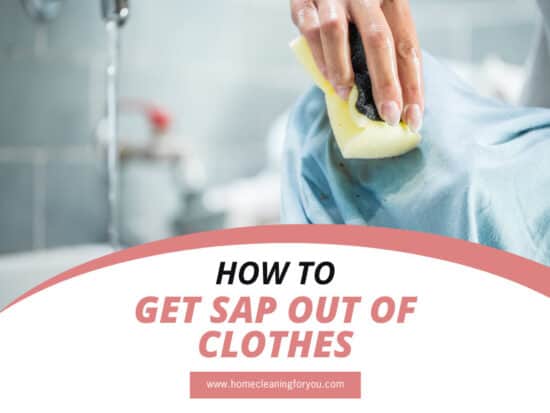
Simply apply a generous amount of dish soap directly to the sap stain. Use your fingers or a soft-bristled brush (like an old toothbrush) to gently work the soap into the stain. Let it sit for about 15-20 minutes. The soap will help to lift and break down the sap.
Then, rinse the area with warm water and wash the garment as usual. This method is particularly good for those light, sticky smudges that haven't had a chance to fully set. It’s the equivalent of a quick, targeted intervention for minor sap incidents.
When All Else Fails: Commercial Stain Removers
If you’ve tried the natural remedies and the sap stain is still giving you grief, don’t despair. There are excellent commercial stain removers specifically designed for sticky residues and tough stains. Look for products that are formulated for grease and oil, as these often contain ingredients that are effective against sap.
Always follow the product instructions carefully, and test on an inconspicuous area of the fabric first. These removers can be very powerful, so it’s important to use them judiciously. Think of these as your powerful allies when nature's gentle nudges aren't quite enough.
A Note on Fabric Care
It's always wise to be mindful of the fabric you're dealing with. Delicate fabrics like silk or certain synthetics might not respond well to harsh scrubbing or strong solvents. Always check the garment’s care label before attempting any stain removal. If in doubt, a gentle approach is usually best, and sometimes, professional cleaning is the safest bet for precious items.
Consider the type of sap too. Pine sap is notoriously sticky and resinous, while other tree saps might be less so. The methods described here are generally effective across the board, but you might find you need to apply a little more elbow grease for the really tough cases. It’s a bit like a detective story for your laundry room, figuring out the best approach for each unique stain.
The Post-Sap Routine: Washing and Rinsing
Once you’ve successfully loosened and lifted the sap, the final step is to wash the garment as you normally would. Use your preferred detergent and the warmest water setting that the fabric allows. This will help to ensure that all traces of the sap, oil, or cleaning agent are thoroughly removed.
Before you throw the garment in the dryer, always check to see if the stain is completely gone. Heat from the dryer can set any remaining sap residue, making it even harder to remove later. If a faint mark remains, you might need to repeat the stain removal process. Air drying until you’re absolutely sure is a smart move.
A Reflection on Sticky Situations
Isn't it funny how something as simple as a bit of tree sap can feel like such a monumental challenge? In our quest for perfection, we can sometimes get a little stressed by these minor imperfections. But much like life itself, sometimes the most effective solutions come from unexpected places – a freezer, a bottle of olive oil, or a trusty bottle of vinegar.
This little sap adventure is a gentle reminder that imperfections happen. They’re part of the story, part of the journey. Whether it’s a sap stain on your clothes, a small misunderstanding, or a detour from your planned path, these moments often teach us resilience and resourcefulness. They encourage us to be creative, to adapt, and to find solutions that are often simpler and more satisfying than we initially thought.
So, the next time you find yourself facing a sticky situation, literal or figurative, take a deep breath. Remember the power of gentle persistence, the effectiveness of everyday items, and the satisfying feeling of triumph over a seemingly impossible foe. You've got this. And who knows, maybe that little sap stain will become a fond memory of a sunny day, a beautiful hike, or a project well done – a reminder that even the stickiest of problems can be smoothed out with a little care and know-how.

