How Do You Get A Stool Sample
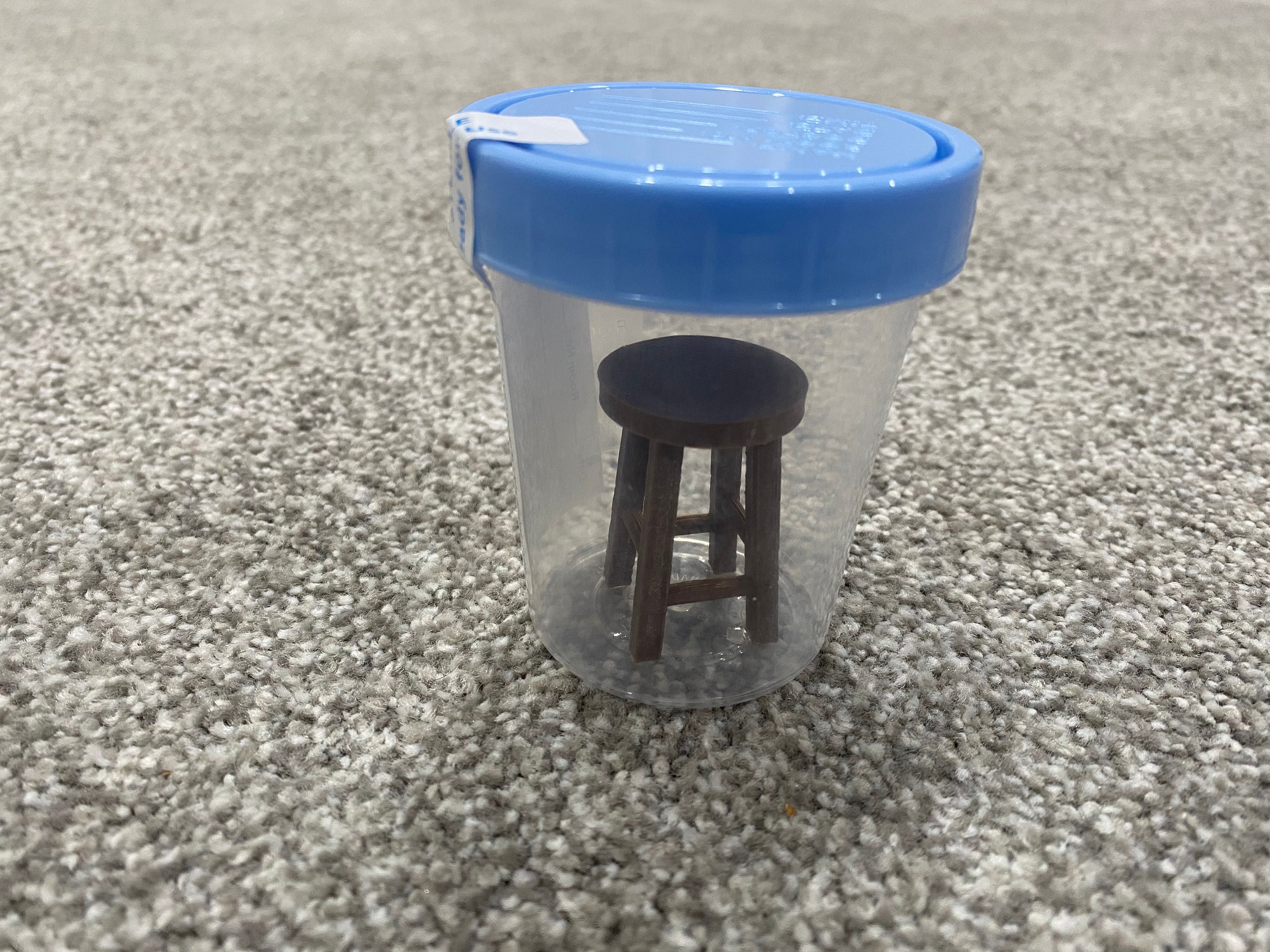
Let's talk about something a little… earthy. We’re diving into the fascinating world of the humble stool sample! Now, before you wrinkle your nose, think of it as your body’s personal report card, a tiny treasure trove of information that can unlock secrets to your well-being. It might not be as glamorous as a red carpet event, but understanding how to collect a stool sample is surprisingly practical and can be a key step in keeping you feeling your best. Plus, who doesn't love a bit of insider knowledge about their own inner workings? It’s a topic that touches everyone, and knowing the 'how-to' can save you a bit of stress and confusion when the time comes.
So, why on earth would you need to collect a stool sample? Think of it as a detective mission for your digestive system. This little sample is invaluable to healthcare professionals because it can help them spot all sorts of things, from infections like bacteria or parasites to subtle signs of digestive issues, or even detect early indicators of diseases like colon cancer. It’s a non-invasive way to get a clear picture of what’s happening inside, without needing more complex procedures. The benefits are huge: early detection means faster treatment, more effective management of conditions, and ultimately, a better chance at staying healthy and vibrant. It's like giving your doctor a superpower – the power of detailed insight into your gut health.
Your stool is a fascinating window into your digestive health!
Now, for the moment of truth: how do you actually get this all-important sample? It’s not as daunting as it sounds, and with a little preparation, it’s a straightforward process. The most common method involves using a special collection kit provided by your doctor or a pharmacy. These kits are designed to make things as clean and easy as possible.
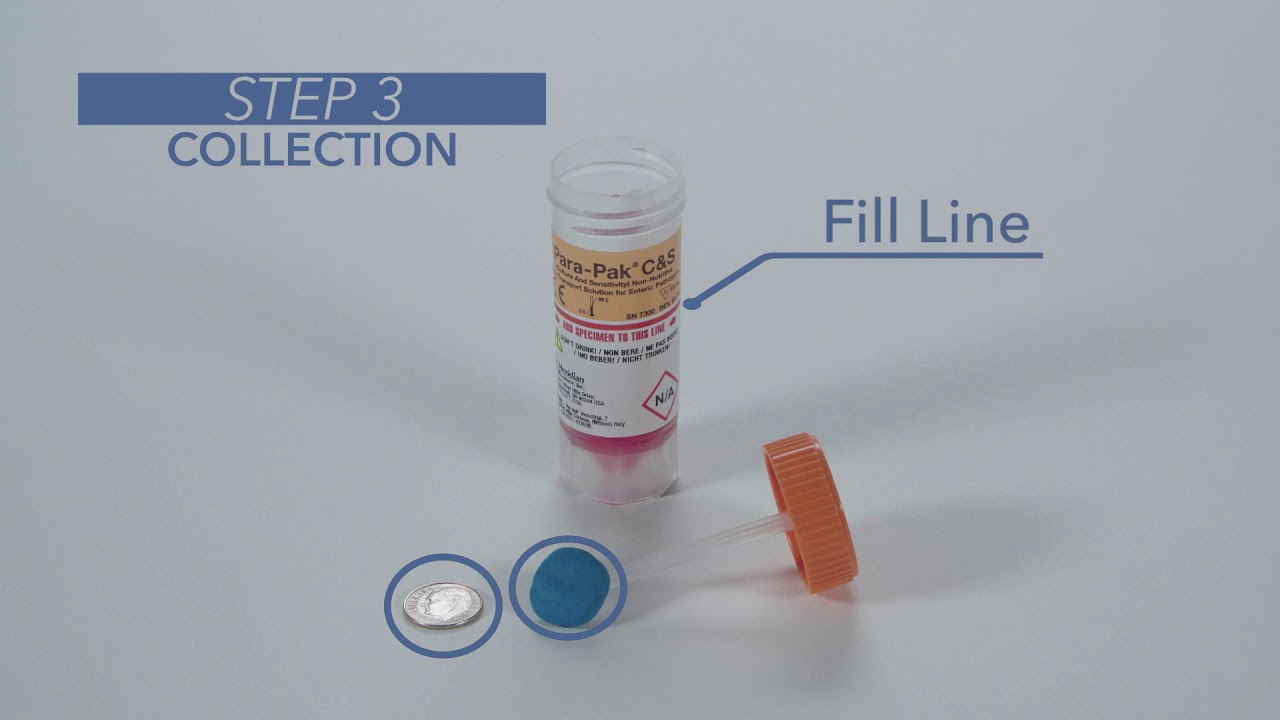
First, you’ll likely be given a container, often with a lid and sometimes a small scoop or a special paper to catch the sample. The key is to collect a representative portion. This usually means avoiding any urine or toilet paper from mixing with the sample. Some kits come with a special toilet paper that you place over the water in the toilet bowl. You then do your business onto this paper, ensuring it catches the stool. Alternatively, you might use a designated collection tray that fits inside your toilet bowl.

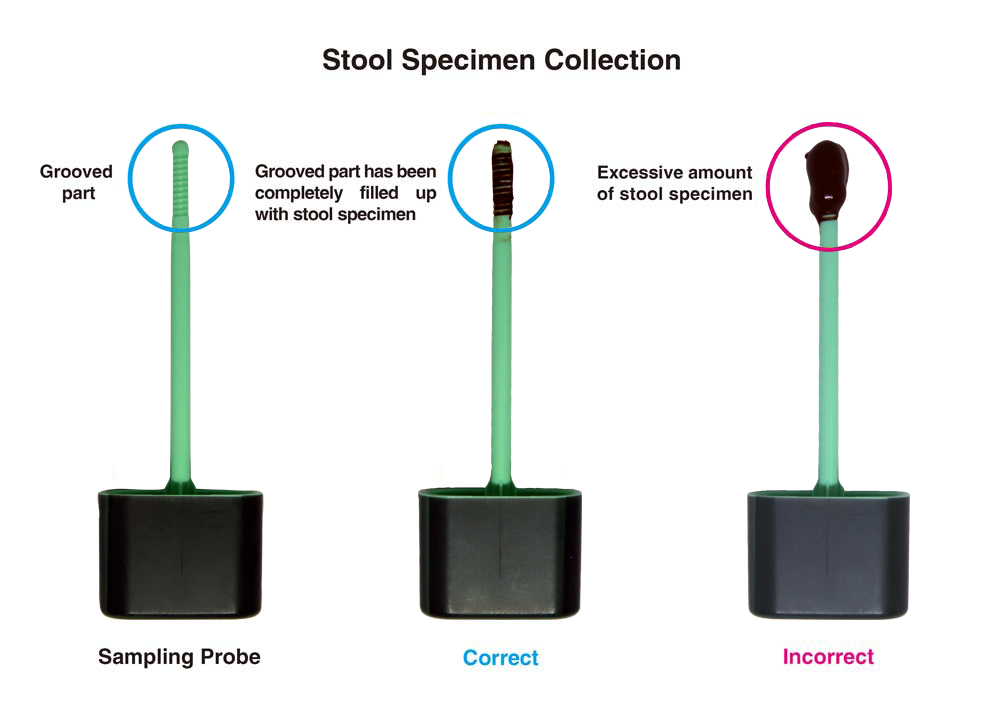
Once you’ve successfully collected your sample, it's time to transfer it to the container. Again, follow the instructions in your kit carefully. There’s often a specific amount needed – not too much, not too little. Use the provided scoop or applicator to carefully place the stool into the sterile container. Seal it tightly. Cleanliness is paramount throughout this entire process to ensure the sample is accurate and free from contamination.
After sealing, you’ll typically need to label the container with your name, date of birth, and the date and time of collection. This is crucial for the lab to identify your sample correctly. Then, it’s usually a case of returning the sample to your doctor’s office or a designated lab drop-off point within a specified timeframe. Refrigeration might be required for certain tests, so always check the instructions on your kit or ask your healthcare provider.
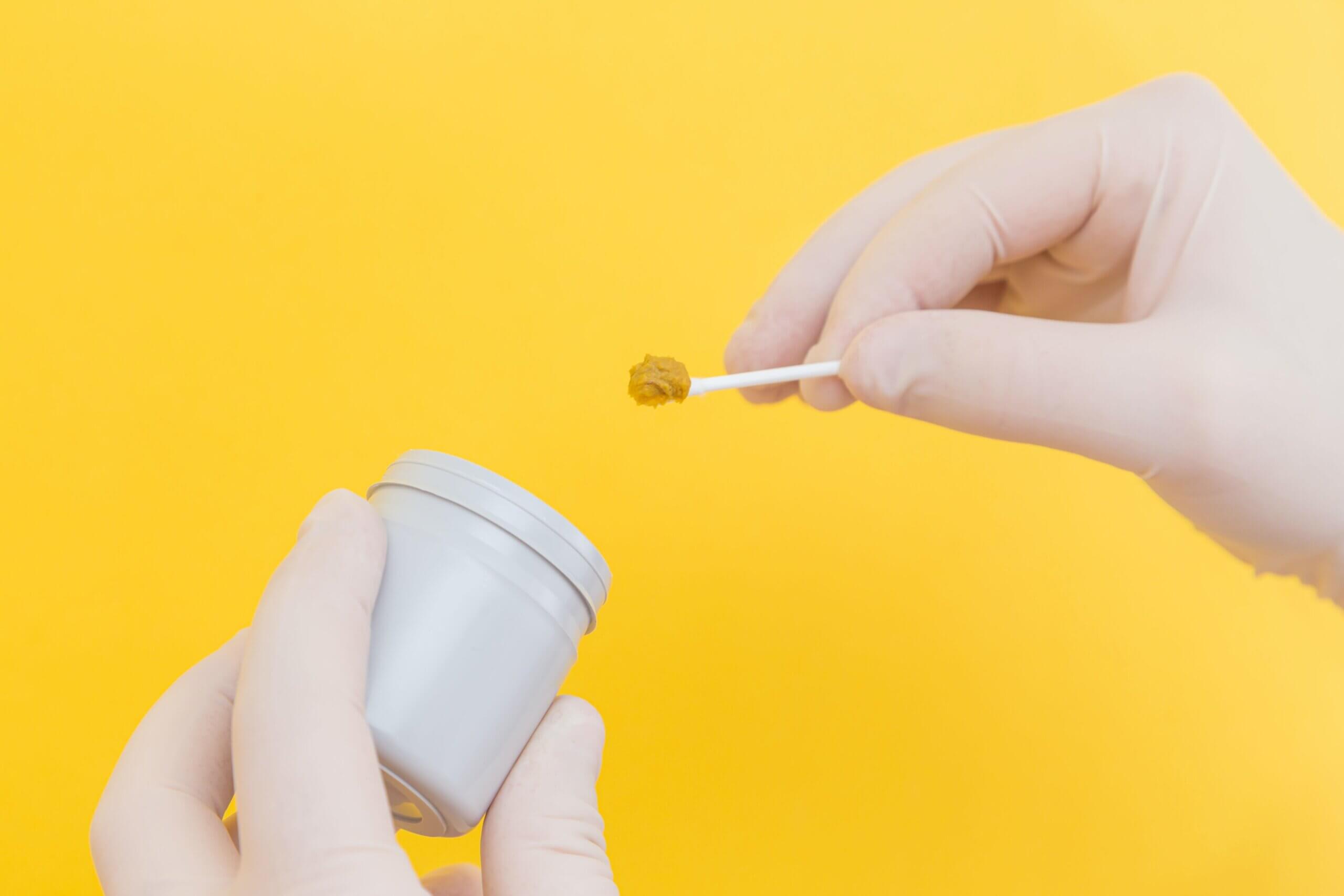
It's important to remember that preparing for a stool sample collection might involve some dietary considerations. For instance, your doctor might advise you to avoid certain foods or medications for a few days beforehand, as they can sometimes interfere with test results. Always follow your healthcare provider's specific instructions to ensure the most accurate outcome.
While it might seem a bit indelicate, collecting a stool sample is a powerful tool in understanding and maintaining your health. It’s a simple act that can lead to profound insights and proactive health management. So, the next time you’re asked for a sample, approach it with a sense of purpose and a touch of scientific curiosity. You’re contributing to your own well-being, one tiny sample at a time!
Key takeaways for a successful collection:
- Follow kit instructions precisely.
- Avoid mixing with urine or toilet paper.
- Collect a representative portion.
- Label clearly and return promptly.
- Adhere to any dietary or medication advice from your doctor.