How Do You Find An Ants Nest
So, you've got ants. Tiny little invaders, right? Suddenly your kitchen counter looks like a busy ant highway, and you're thinking, "Where on earth are they all coming from?" It's like they just materialized out of thin air, a miniature army on a mission for your crumbs. But nope, they have a base, a secret lair, a bustling metropolis of ant-dom. And today, my friend, we're going on a little adventure to find that nest. Buckle up!
Finding an ant nest can feel a bit like playing detective, or maybe a very low-stakes treasure hunt. Except the treasure is… well, more ants. And the prize for finding it is figuring out how to deal with them, which is usually the real challenge. But hey, knowledge is power, right? And knowing where they’re chilling is the first step to saying "see ya later!" to your unwelcome guests.
First things first, let's talk about the scouting mission. You can't just randomly dig up your entire garden. That would be… excessive. And probably a bit embarrassing if your neighbors saw. We need to be strategic. Think like an ant. Where would you set up shop if you were tiny, loved sugar, and had a million siblings?
Must Read
The most obvious place to start your hunt is by observing the ants themselves. Seriously. Just watch them. It sounds simple, I know, but sometimes the best clues are right in front of your face, hiding in plain sight. They're not exactly trying to be inconspicuous, are they? All those little legs marching in a determined line. It's like a tiny, persistent parade.
Follow the trail. This is the classic ant-finding technique, and for good reason. Pick a lone scout ant, or a busy worker ant carrying something precious (probably a microscopic crumb of your forgotten cookie), and just… follow. You'll need a bit of patience. These little guys aren't exactly zipping around at warp speed. They've got their own pace, their own ant rhythm. So, grab a cuppa, settle in, and become one with the ant path.
Where are these trails usually leading? Well, outside is a biggie. Ants love the great outdoors. They're basically nature's tiny recyclers, busy bees of the insect world. So, if you see them marching towards your back door, heading out into the yard, that’s your first major clue. They're not going for a casual stroll; they're heading home. Or at least, towards their home's vicinity.
Look for those tell-tale lines of ants. Sometimes they’re super obvious, like a dark ribbon across your patio. Other times, they’re more subtle, weaving through blades of grass or hugging the edge of a flower bed. You might even see them crawling up the side of your house. They’re tenacious, these ants. Like tiny, determined mountaineers.

Now, if the ants are marching in your house, the same logic applies, but you’re looking for the entry point. Where are they getting in? Are they squeezing through a tiny crack in the window frame? Are they finding a gap under the door? Are they masters of stealth, finding holes you didn't even know existed? These are the questions that keep us up at night, aren't they?
Think about where you see the most ants. If it's always around the kitchen sink, they might be coming from a crack in the wall behind the cabinets. If it's near the pet food bowl, they're probably getting in somewhere close to that area. It’s like a crime scene, but with less chalk outlines and more… six-legged suspects.
So, you've spotted a trail. Hooray! Now, what do you do? You follow it. With your eyes, of course. Don't get too close and accidentally disrupt the whole operation. They might get suspicious. You don't want to scare them away before you've pinpointed their HQ. That would be a rookie mistake.
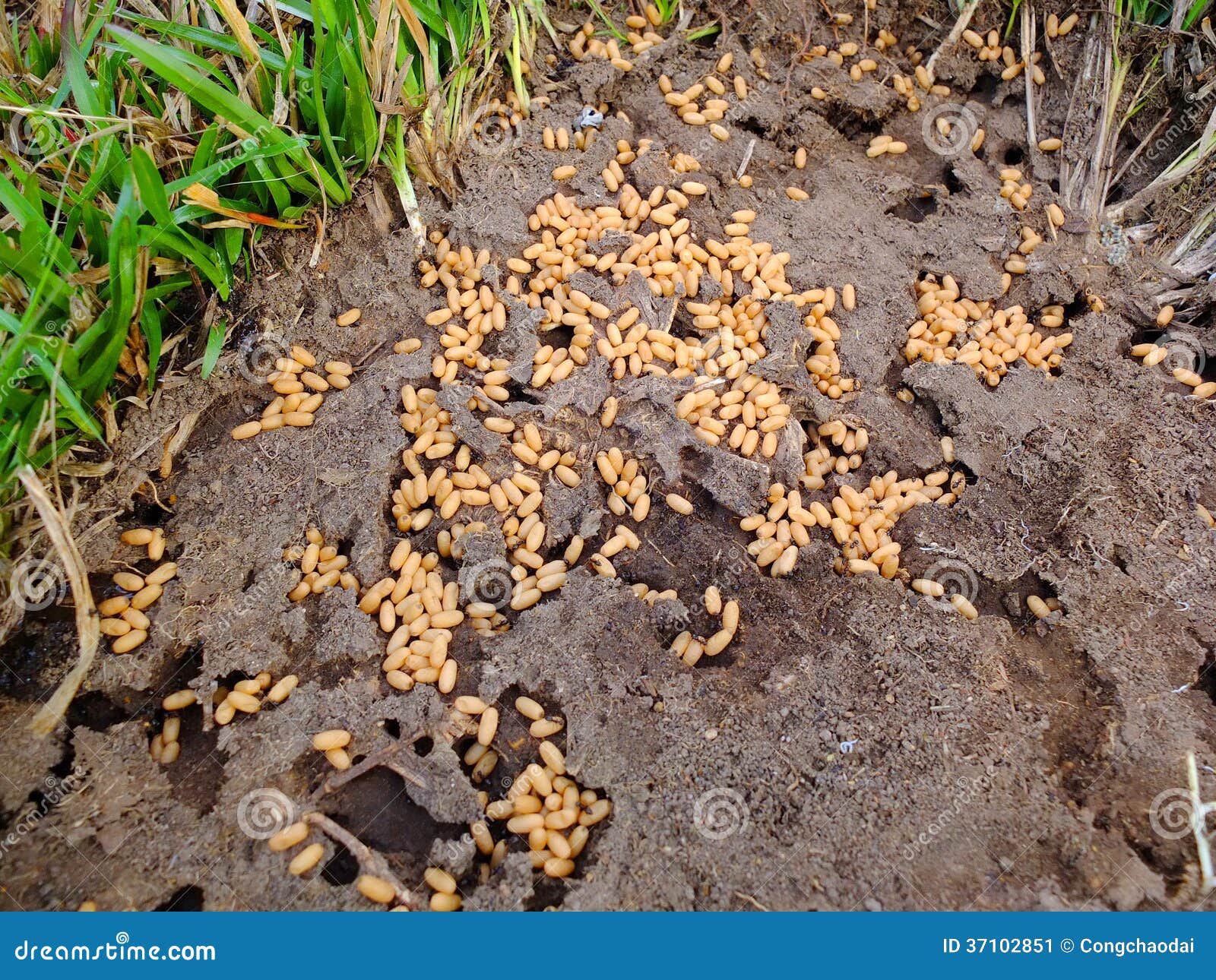
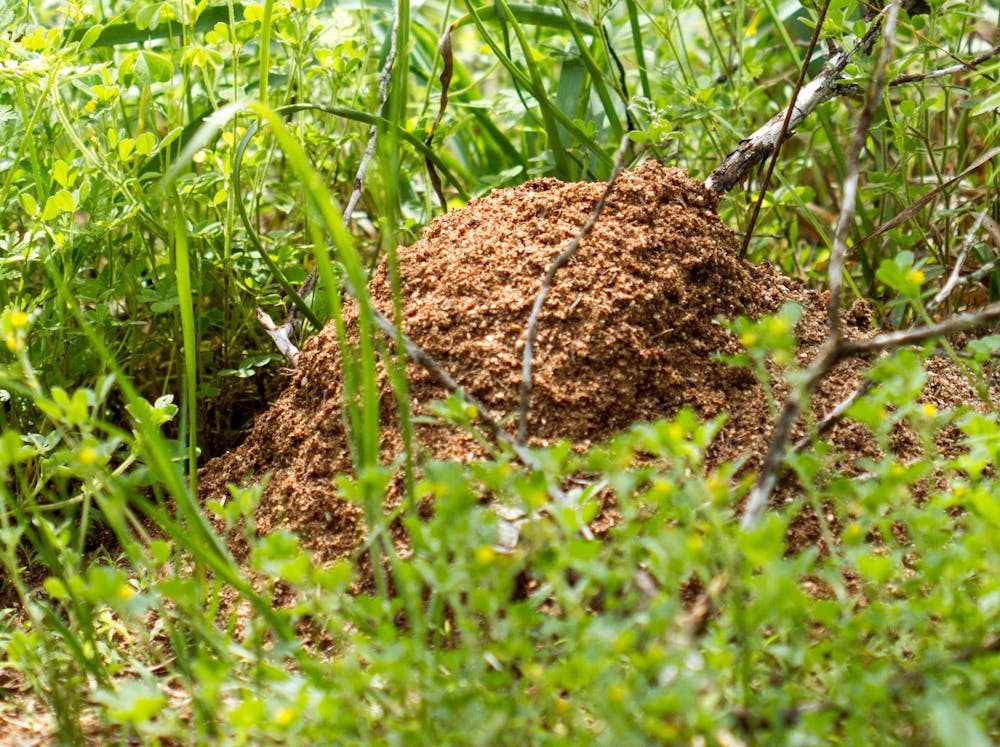
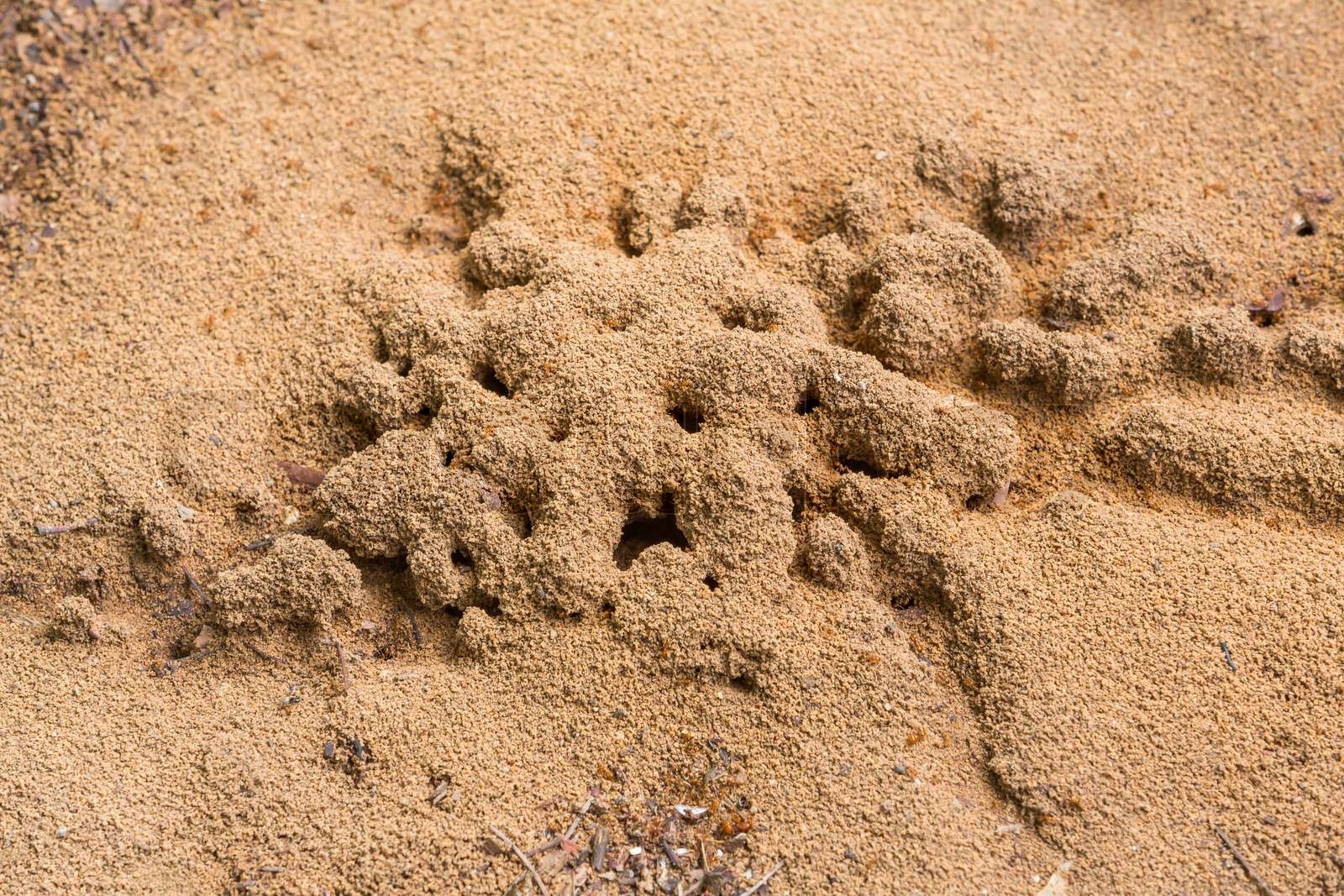
Where does the trail end? This is the million-dollar question. Often, it leads to a hole in the ground. Yep, simple as that. A tiny opening, maybe no bigger than a peppercorn, but it’s the gateway to their underground kingdom. You might see a little mound of dirt around it, a miniature volcano of ant activity. This is a strong indicator, my friends. A very strong indicator.
Look in areas with soft, disturbed soil. Think flowerbeds, vegetable patches, even areas around trees and shrubs. Ants love to burrow. It’s their thing. They're basically tiny architects of the subterranean world. Imagine them in hard hats, with tiny blueprints. It’s a funny image, isn't it?
What about wooden structures? Ants can also nest in wood. This is where it gets a little more concerning, because it can potentially damage your home. Look for areas where wood is damp or decaying. Fence posts, deck railings, even the wooden frames of your house. If you see ants crawling in and out of these areas, it’s a sign they might be making a cozy home for themselves within the timber.
Carpenter ants, for example, are notorious for this. They don't eat wood, but they excavate it to build their nests. So, if you see a lot of sawdust-like material (called frass), that’s a big red flag. It’s like finding little piles of wood shavings at the base of a post. Not exactly what you want to see, right?
Sometimes, the nest isn't in the ground or in wood. Some ants like to get creative. They might set up shop in wall voids, attics, or even in potted plants. If you've tried following trails and haven't found anything obvious, expand your search. Think about those less conventional spots.
Potted plants, especially if they're large and have been there for a while, can be a prime nesting location. The soil provides a nice, moist environment for them to tunnel. And if you've got a lot of plants, it's like a tiny ant apartment complex. Multiple opportunities for a cozy domicile.
And don't forget about those little nooks and crannies around your house. Underneath outdoor furniture, inside old garden tools, even within stacked firewood. Ants are opportunistic. They'll take advantage of any sheltered, undisturbed spot they can find.
What if you're seeing ants, but you can't see a trail? This can be a bit trickier. Sometimes, they’re foraging in scattered patterns, not adhering to a strict highway. In this case, try to remember where you've seen the most ants. Was it in a specific corner of the kitchen? Near a particular window? Try to think of it as a concentration of ant activity. That's probably where the nest is nearby.
Another strategy is to use a little bait. Now, I'm not saying you need to set up a tiny ant buffet. But you can strategically place a small amount of something sweet, like a drop of honey or a tiny bit of jam, in an area where you’ve seen ants. Then, just watch. See where they congregate and where they seem to be heading after they’ve had their tiny snack.
This can help you identify the direction of travel, which can then lead you back to the source. It's like leaving a little breadcrumb trail for yourself. Very meta, I know. Ants leaving breadcrumbs, you following them. It’s a whole ecosystem of crumb-related behavior.
What about when to look? Ants are often more active during certain times of the day and in certain weather conditions. If it’s a hot, dry day, they might be more concentrated around water sources, or seeking shade. After rain, they might be more active as they emerge from flooded tunnels. So, timing can be key.
Early morning or late evening can sometimes be good times to observe ant activity. They might be more focused on their routines and less disturbed by human presence. It’s like catching them when they’re not expecting to be watched. They’re just living their best ant lives.

Let's talk about different types of ants. Not all ants are created equal, you know. Some are tiny and black, some are red and feisty, and some are enormous and frankly, a little intimidating. The type of ant can sometimes give you a clue about their nesting habits.
Black garden ants, for instance, are very common and often nest in the soil. Pharaoh ants, on the other hand, are tiny and can nest in walls or even inside appliances. So, if you can identify the type of ant you're dealing with, it might narrow down your search considerably. It's like having a suspect profile.
If you’re still really struggling, and you’ve exhausted all your ant-observation skills, it might be time to call in the professionals. Pest control experts have all sorts of fancy gadgets and know-how to locate and deal with ant infestations. Think of it as calling in the SWAT team for your ant problem.
But before you do that, try these observational tricks. Be patient. Be observant. And remember, the ants are just trying to survive. They’re not doing it to annoy you specifically (though it feels like it sometimes, doesn't it?). They’re just following their instincts. And their instincts are leading them to a cozy place to call home.
So, next time you see a line of ants marching across your floor, don't just swipe them away with a sigh. Take a moment. Observe. Follow the trail. Become an ant detective. Because finding that nest is the first, and perhaps most crucial, step in reclaiming your home from these tiny, six-legged squatters. Good luck, brave ant hunter!