How Do You Find A Roof Leak

Hey there, friend! So, you've noticed a little drip, drip, drip from your ceiling, or maybe a mysterious water stain that seems to be growing? Uh oh. That's the universe's not-so-subtle way of saying, "Psst, your roof might be having a little plumbing party without your invitation!" Don't panic! Finding a roof leak can feel like a detective mission, but it's totally doable, and honestly, kind of satisfying when you crack the case. We'll break it down, make it easy, and have you feeling like a roof-whispering superhero in no time. Think of me as your trusty sidekick on this watery adventure.
First things first, let's acknowledge the elephant in the room: nobody wants a leaky roof. It’s messy, it can lead to some seriously expensive damage (hello, mold and rotten wood!), and it’s just generally a buzzkill. But hey, the sooner we find it, the sooner we can fix it, and the sooner you can get back to enjoying your perfectly dry, cozy home. So, grab a cup of your favorite beverage, put on some comfy pants, and let's get this investigation started!
The "Inside Job": Your First Clues
Your roof leak is probably trying to send you a message. The first place to decode this cryptic communication is, of course, inside your house. Those tell-tale signs are your initial breadcrumbs.
Must Read
The Classic Ceiling Stain
This is the granddaddy of all leak indicators. You've probably seen them: those yellowish-brownish splotches that seem to appear out of nowhere. They're like nature's Rorschach test, but instead of seeing a butterfly, you're seeing... well, a leak. The color can tell you a bit about how long it's been there. A faint, new stain might be recent, while a dark, widespread stain could mean it’s been lurking for a while. Don't just stare at it and ponder its meaning; it's a sign to investigate further!
The Dripping Menace
Okay, this one's a bit more obvious and, let's be honest, a little more alarming. If you see water actively dripping from your ceiling, it’s game on! This usually means the problem is pretty significant, and the water has already saturated the insulation and drywall. Your immediate reaction might be to grab every towel you own (and maybe a few buckets). While that's a good immediate containment strategy, remember to also start thinking about where this water is coming from.
Peeling Paint or Wallpaper
Ever notice your paint looking a bit blistered or bubbled near a ceiling stain? Or perhaps your wallpaper is starting to curl or peel at the edges? That's moisture, my friends, and it’s not a good look for your walls. The water is seeping into the materials, causing them to deteriorate. It's like your house is crying, and the tears are showing up as paint problems.
That "Musty" Smell
Sometimes, you can't see the leak, but you can smell it. A persistent, musty odor, especially in a particular area of your home, is a strong indicator of hidden moisture. This is often the precursor to mold growth, so if you detect that distinct, earthy scent, it’s time to follow your nose! It's like a scent-detecting bloodhound, but for water.

The Attic Investigation: Getting Up Close and Personal (Safely!)
Once you've gathered your indoor intel, it's time to venture into the belly of the beast: your attic. This is where the real detective work happens. But before you go scrambling up there, a word of caution: safety first! Attics can be dark, dusty, and full of… well, you don't want to know. Make sure you have good lighting, wear a mask and gloves, and be careful where you step. There's usually insulation everywhere, and you don't want to end up looking like a woolly mammoth.
Bring on the Light!
You're going to need a powerful flashlight or a headlamp. The darker your attic, the more likely you are to miss crucial clues. Shine that beam everywhere! Look for darkened areas, water stains, or drips on the underside of the roof sheathing (that's the wooden boards under your shingles). You might even see streaks where water has run down.
Insulation Clues
Your insulation is like a giant sponge. If it's wet, it's a dead giveaway that water has been seeping through. Look for damp, matted-down, or discolored insulation. This is a prime indicator of a leak directly above it. If you find a wet patch, try to pinpoint the exact spot on the roof that's directly above it. This is your smoking gun!
The "Trace" Method (If You're Feeling Brave)
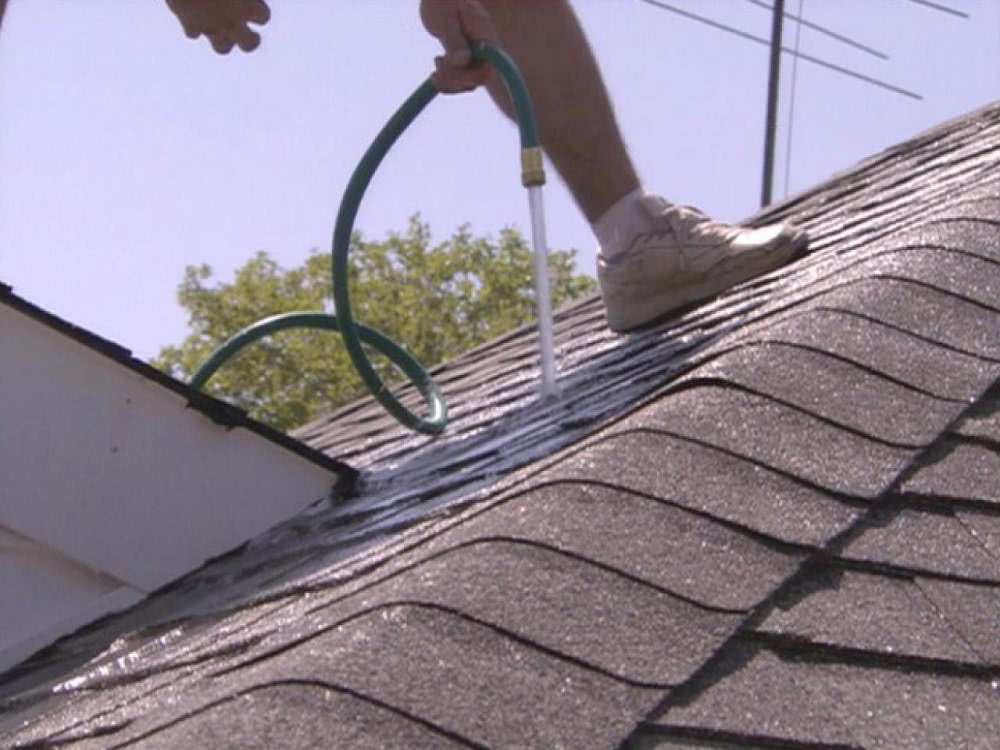
This is where things get a little more involved, but it can be incredibly effective. If you've identified a general area inside your home that's leaking, and you can safely access the attic space above it, you can try a little "trace" experiment. On a dry day, grab a garden hose and have a helper gently spray water on a specific section of your roof outside. Have another person inside with you in the attic, watching closely for any signs of water infiltration. Start with a small area, and gradually expand your search. This is like playing "Marco Polo" with your roof, but instead of "Polo," you're shouting "Leak!" when you find it.

Important Note: Only do this on a clear, non-rainy day, and be extremely careful when working with water near electrical components in the attic. If you're not comfortable with this, it's perfectly okay to skip it and leave it to the pros!
Ventilation Checks
Did you know that some leaks aren't from rain at all? In older homes, or even in newer ones with poor ventilation, moisture can build up in the attic from normal household activities (like showering and cooking!). This moisture can condense on the cold roof sheathing and drip down. So, check your attic's ventilation system. Are the vents clear? Is there good airflow? Sometimes, a simple ventilation fix can solve a baffling "leak."
The Exterior Reconnaissance: Putting on Your Hard Hat (Figuratively!)
Now it's time to go outside and have a look at the roof itself. This is probably the part that feels the most daunting, but remember, you don't have to go climbing around on the roof like a squirrel. We're talking about a visual inspection from the ground or, if you have a safe vantage point like a sturdy ladder, a closer look.
Shingle Shenanigans
Your shingles are like your roof's tiny soldiers, and they're the first line of defense. Look for missing shingles, cracked shingles, or shingles that are curling or buckling. These are all openings for water to sneak in. If you see a shingle that looks like it's waving a tiny white flag of surrender, it's a likely suspect.

Granule Gold Rush
Shingles have tiny granules on their surface that protect them from the sun. If you see a lot of these granules pooled in your gutters or around the base of your house, it means your shingles are breaking down and losing their protective layer. This is a sign of an aging roof that might be more prone to leaks. Think of it as your roof shedding its skin, but less glamorous.
Flashing Failures
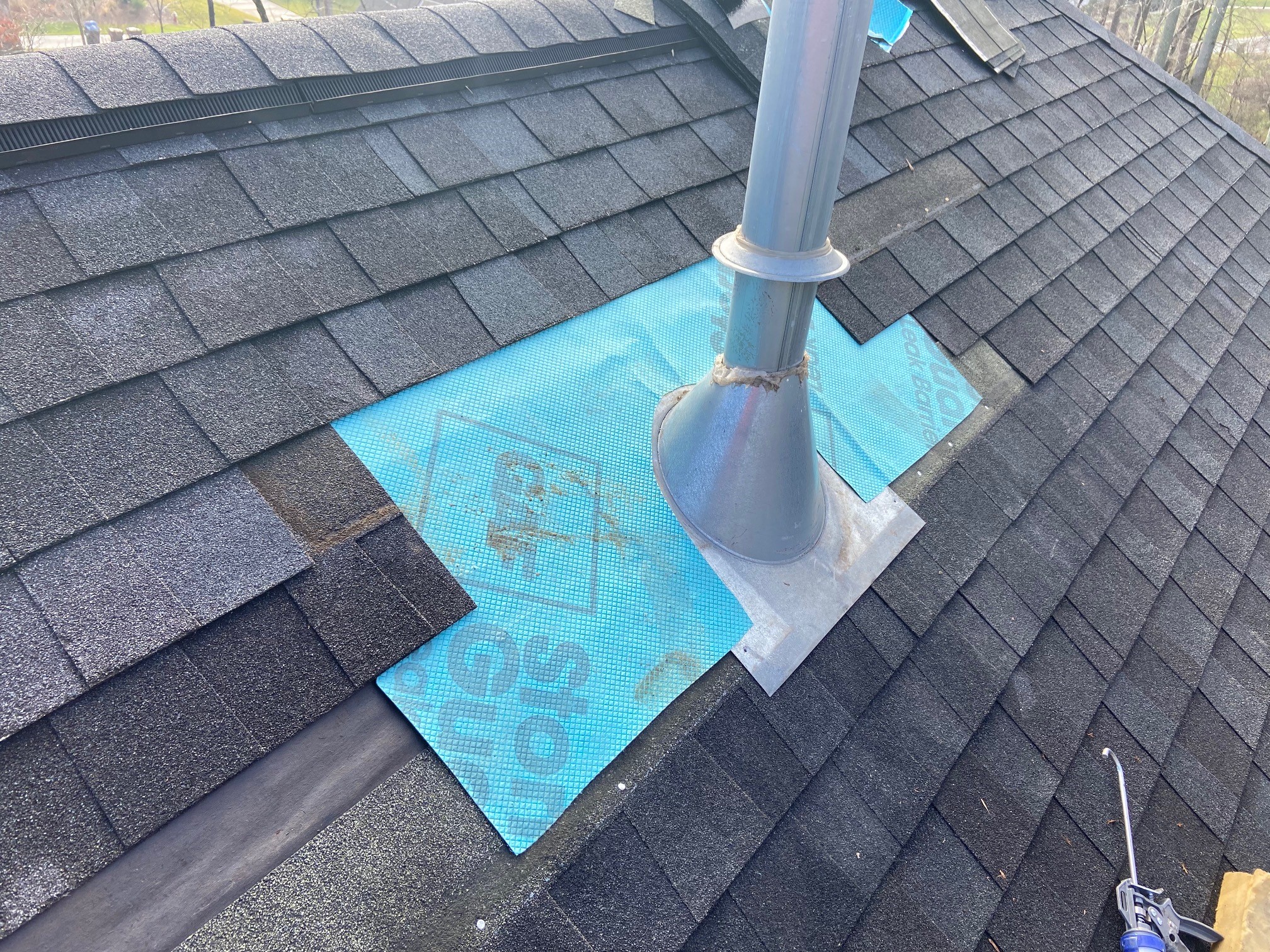
This is a big one! Flashing is that metal material installed around things that stick out of your roof, like chimneys, vents, and skylights. It's designed to create a watertight seal. If the flashing is rusted, cracked, loose, or improperly installed, it's a prime spot for leaks. Pay special attention to where the roof meets vertical surfaces, like the wall of your house.
Chimney and Vent Watch
Your chimney and any roof vents (like plumbing vents) are common culprits. Look for cracks in the mortar around your chimney, damaged seals around vents, or loose caps. Water loves to find these little weaknesses. Imagine your chimney is a brave knight, and the flashing around it is its armor. If the armor is damaged, the knight is vulnerable!
Gutter Guardians
Are your gutters clogged with leaves and debris? If water can't drain away properly from your roof, it's going to back up and find a way inside. Clean gutters are happy gutters, and happy gutters help keep your roof leak-free. It’s like giving your roof a proper drainage system, so it doesn’t get overwhelmed.

When to Call in the Cavalry
Okay, so you've done your due diligence, played detective, and you've got a pretty good idea of where the leak might be. Awesome job! But here's the deal: sometimes, even with the best intentions and the brightest flashlight, a roof leak is a job for the professionals. Don't feel like a failure if you need to call in the experts. They have the tools, the experience, and most importantly, the ability to get up on that roof safely and get the job done right.
If you've tried the above steps and can't find the source of the leak, or if the leak is significant and causing immediate damage, it's definitely time to pick up the phone. Also, if you're uncomfortable working at heights or dealing with the attic, that’s a perfectly valid reason to call in a pro. Your safety is paramount, and a leaky roof is fixable, but a serious injury is not.
When you call a roofing contractor, be ready to describe what you've seen and heard. The more information you can give them, the faster they can diagnose the problem. They'll likely perform their own thorough inspection, both inside and out, to pinpoint the exact location and cause of the leak.
The Silver Lining (and the Dry Ceiling!)
Look, finding a roof leak is never fun. It's a bit like finding out your favorite sweater has a hole in it – inconvenient and slightly depressing. But here’s the bright side: you’re proactive! You’re not letting a small problem turn into a big, expensive disaster. You’ve armed yourself with knowledge, you’ve bravely peeked into your attic, and you’ve become a bit of a home-maintenance whiz. That’s something to be proud of!
The feeling of finally solving the mystery and then seeing your ceiling dry and stain-free again? Pure satisfaction! It’s a victory dance moment. So, take a deep breath, tackle this leak with confidence, and know that a dry, happy home is well within your reach. You’ve got this, and your roof will thank you for it – in its own silent, stoic way.