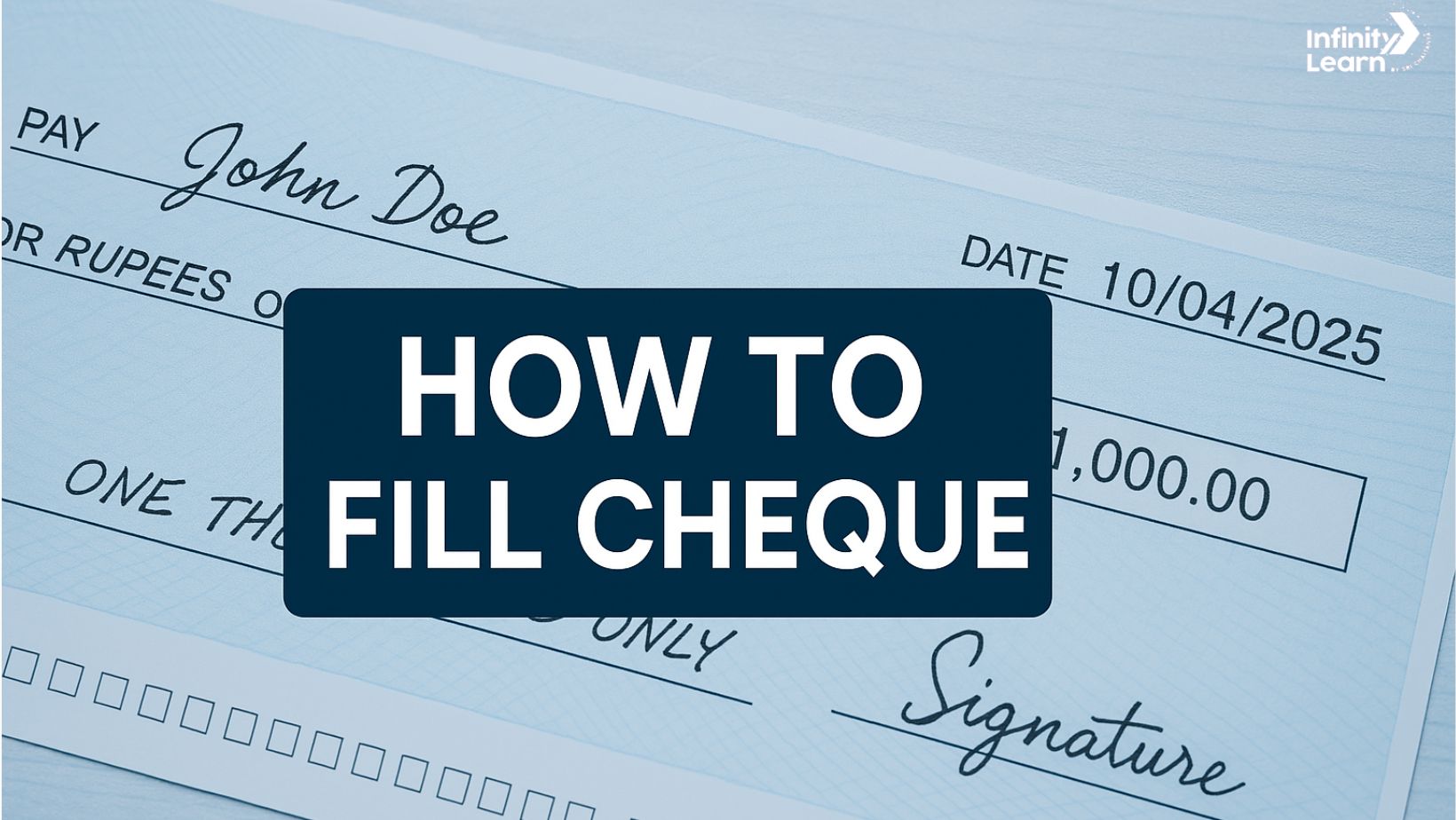
How Do You Fill In A Cheque
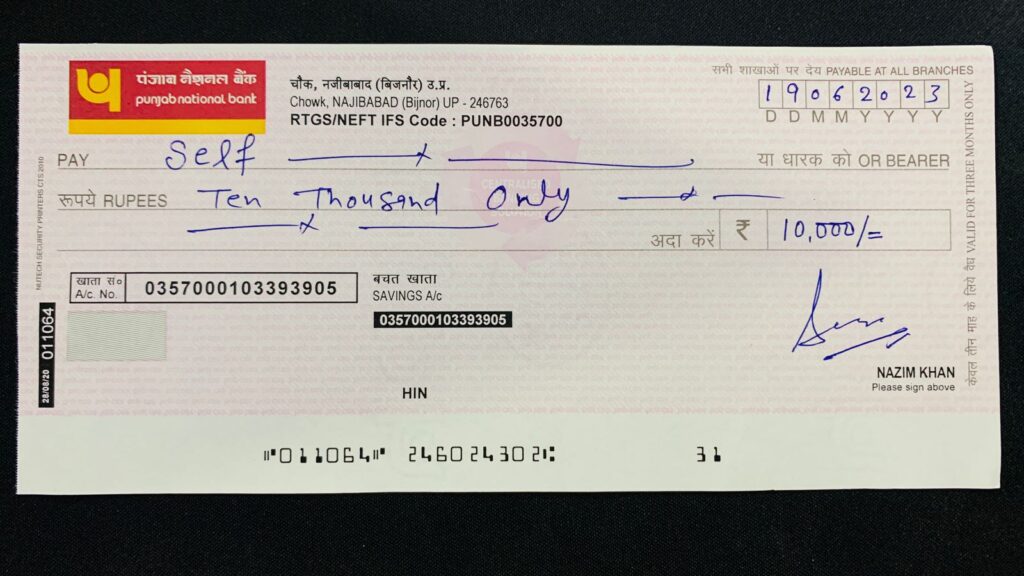
Alright, let's talk about the humble cheque. Remember those? They’re like the flip phones of the financial world – a bit retro, maybe a little clunky, but surprisingly, still kicking around! These days, we're all swiping cards and tapping phones like seasoned ninjas, but every now and then, life throws a curveball, and you find yourself staring at one of those little paper rectangles, pen in hand, with a familiar, “Uh oh, what do I do now?” feeling. Don't worry, we've all been there. It’s like trying to assemble IKEA furniture without the instructions – a bit daunting at first, but totally doable if you take it one screw… I mean, one box… at a time.
Think of filling out a cheque as a mini-adventure, a treasure hunt where the treasure is… well, your money being transferred. And just like any good treasure hunt, there are a few key landmarks you need to find and fill in. It’s not rocket science, folks. It’s more like baking a cake. You need your ingredients, the right measurements, and a bit of careful attention to detail. Mess up the flour ratio, and you get a brick. Mess up a cheque, and well, let's just say your money might end up on a spontaneous vacation to the wrong account. And nobody wants that, right? We’re aiming for a smooth sailing, money-to-its-rightful-home kind of operation here.
The Grand Tour of Your Cheque
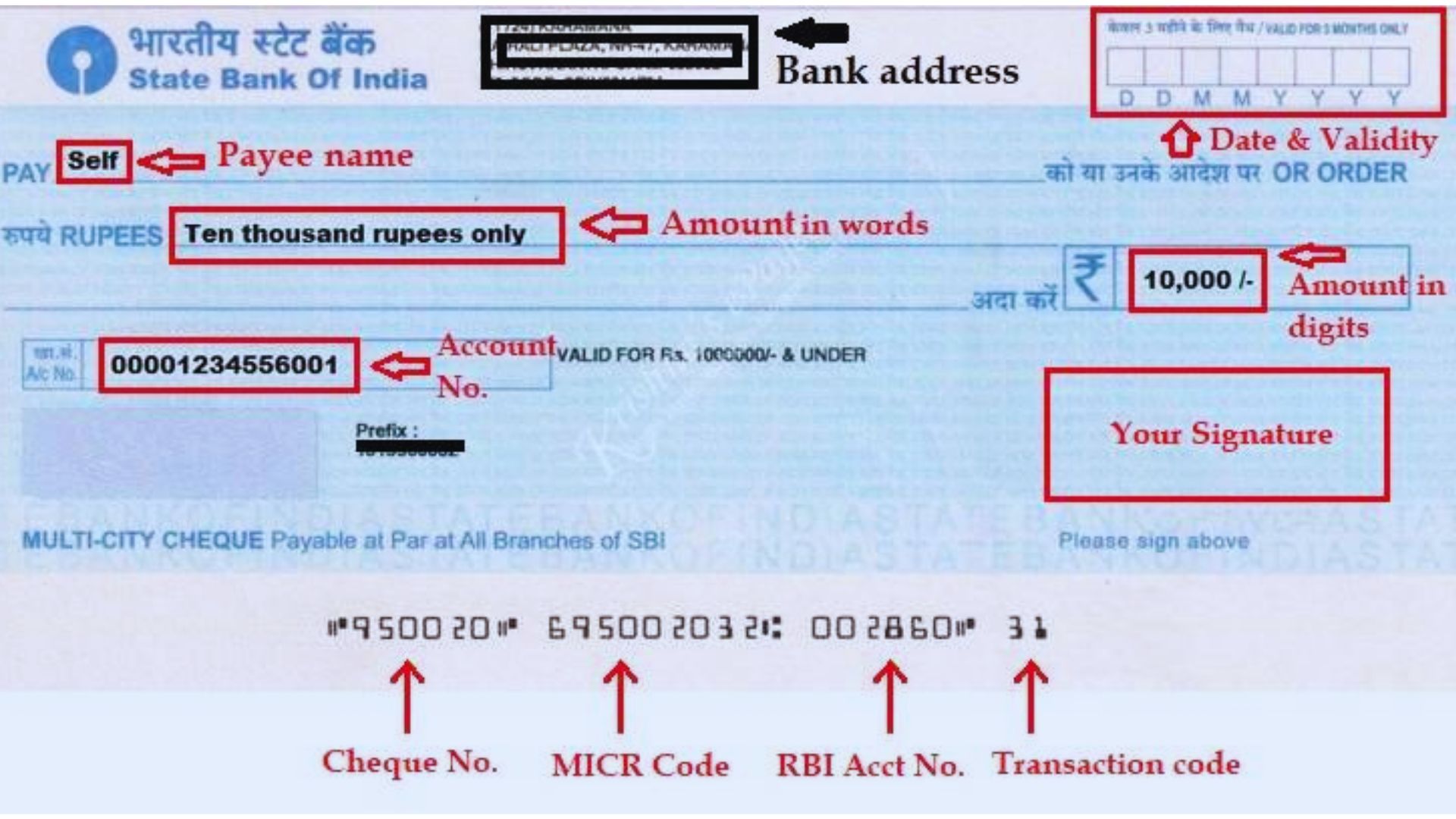
So, you’ve got your cheque. It’s probably got a fancy border, maybe a little picture of a majestic eagle or a serene landscape. Fancy, right? But beneath all that artistic flair are the important bits. Let’s break them down, like dissecting a really interesting bug in biology class. Except, you know, less… creepy-crawly, and more… cash-money.
Must Read
The Date: Where and When
First up, the date line. This is usually in the top right corner. It’s like telling the bank, “Hey, this is a valid ticket for this specific day, or any day after it, if it’s not post-dated.” Think of it as the expiration date on your favourite yogurt. You wouldn’t want to eat yogurt past its prime, and the bank doesn’t want to cash a cheque from the Mesozoic Era. So, put today’s date there. Simple. Easy peasy, lemon squeezy. Just make sure it’s legible. No scribbles that look like a spider had a fight with an ink bottle. A nice, clean date is your friend.
Sometimes, you might see a cheque that’s been written with a future date. This is called post-dating. It’s like saying, “Hey, I’m giving you this IOU, but it’s not good for a few days.” Banks usually honour these, but it’s a bit of a gamble. It’s like telling your friend you’ll pay them back next week. They might trust you, or they might be eyeing your wallet a little closer. It’s generally best to just use the current date to avoid any potential confusion or awkward phone calls from the bank asking, “Uh, is this cheque lost in time?”
The Payee Line: Who Gets the Loot?
Moving on, we have the “Pay to the order of” line. This is arguably the most important part. This is where you declare, in no uncertain terms, who is getting the moolah. This is like announcing the winner of a very important, albeit small, lottery. You need to be precise here. If you’re paying your landlord, Mr. Henderson, you write “Mr. John Henderson” or just “John Henderson.” Don't get lazy and write "Landlord." The bank teller might look at you funny, and your landlord might not appreciate being referred to as a generic job title. It’s a bit like calling your teacher "Hey, you!" – not exactly ideal, is it?

And what if you’re paying a business? Write the full, official name of the business. “Best Pizza Place” is good, but “Best Pizza Place Inc.” or “The Best Pizza Place, LLC” is even better. You want to make sure the money lands in the right corporate pocket, not in the pocket of a disgruntled ex-employee named Bob who also happens to like pizza. Specificity is key. It’s the difference between sending a letter to your mum and sending it to your mum, specifically addressed to “Mum, the one who makes the amazing lasagne, at the house with the wonky fence.” You get the picture.
The Amount in Numbers: The Nitty-Gritty Figures
Next up, the little box for the dollar amount in numbers. This is where things can get a little nerve-wracking for some. It’s like writing down your secret crush’s phone number – you really don’t want to mess it up. You've got the digits here, so make them count. Write the dollar amount clearly. For example, if it's fifty dollars and twenty-five cents, you'd write “50.25”. If it’s just fifty dollars, you’d write “50.00”. The cents are important, like the tiny sprinkles on top of a cupcake. They make the whole thing complete.
And that little line after the decimal? Don’t leave it blank! It’s like leaving a comma out in a sentence – it can change the whole meaning. A blank space after the decimal is an invitation for mischief. Someone could potentially add a few extra zeros in there, turning your fifty dollars into five thousand. That’s the financial equivalent of a mischievous pixie messing with your belongings. So, make sure you fill that little space. A zero is your best friend here. 50.00. See? Safe and sound.
The Amount in Words: The Fancy Pants Version
Then comes the amount in words line. This is the more verbose, perhaps even slightly more elegant, way of stating the same dollar amount. This is like explaining your favourite movie plot to someone who’s never seen it. You have to use words, and you have to be clear. You write out the dollar amount. So, for fifty dollars and twenty-five cents, you’d write, “Fifty and 25/100 dollars.” For fifty dollars, it’s “Fifty dollars and 00/100.” The “and” is crucial, separating the dollars from the cents. It’s like the conductor of an orchestra, keeping everything in harmony.
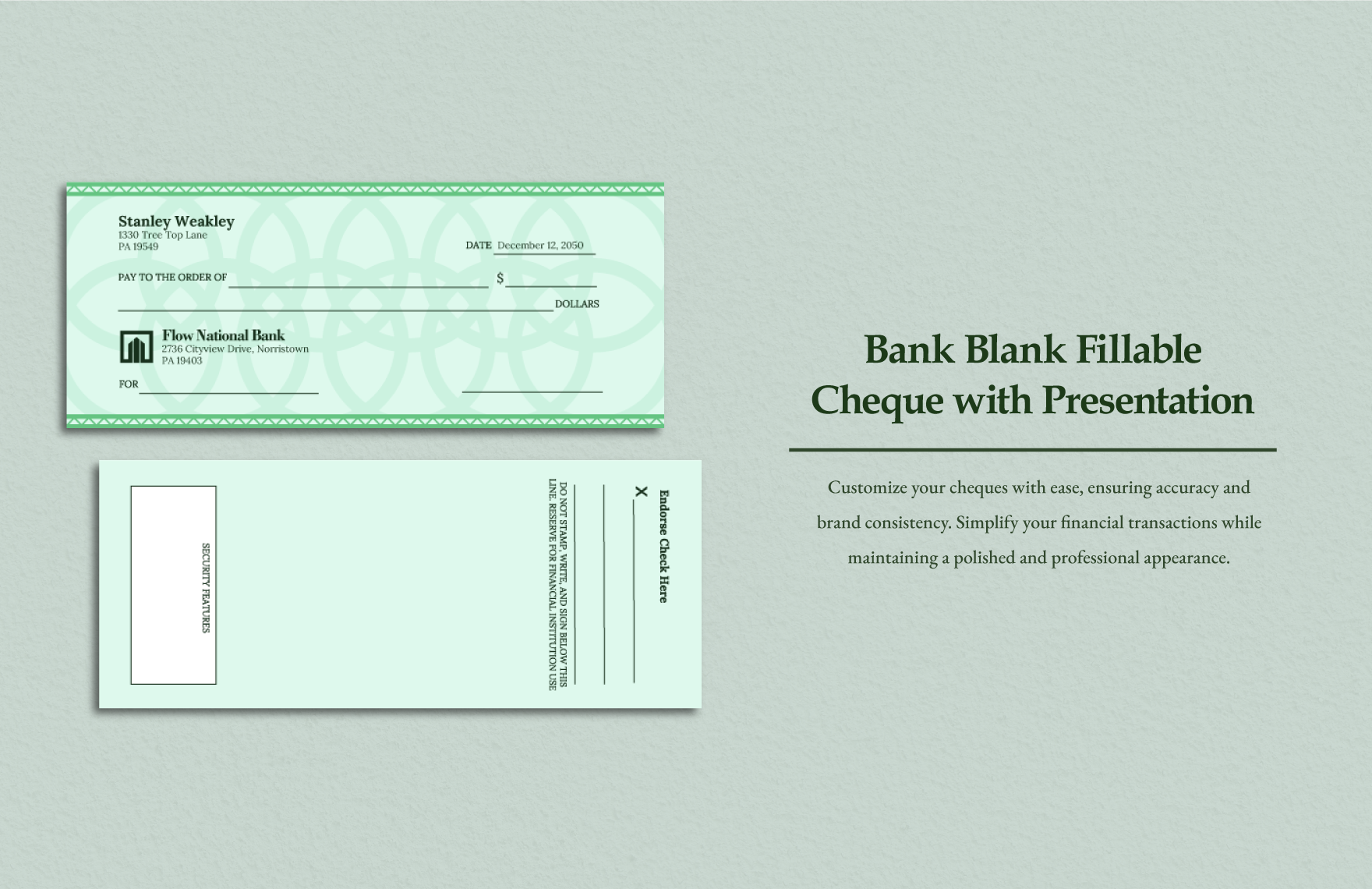
This is the safeguard. If the number in the box and the words on the line don’t match, the bank will usually go with the lower of the two amounts. So, if you accidentally wrote $50.00 in numbers but “One hundred dollars” in words, they’d likely pay out only fifty. It’s like when you mishear someone’s order at a cafe – they give you the simpler version. So, take your time with this part. It’s not a race. It’s more of a leisurely stroll through a word garden. And that little line at the end? Draw a line through any unused space after you’ve written your words. This is like putting a fence around your property – nobody can sneak in and add extra words. Keep that precious money safe!
The Memo Line: Your Personal Notes
Now, for the memo line. This is the least crucial part in terms of the cheque's validity, but it’s incredibly useful for your own sanity. It’s like the little sticky notes you put on your fridge to remind yourself to buy milk. This is where you jot down what the cheque is for. “Rent for June,” “Birthday gift for Sarah,” “That really awesome concert ticket.” This is your personal diary entry on a financial document.
Having this filled in can save you a lot of head-scratching later. Imagine looking back at your bank statement a few months from now. You see a mysterious cheque. Was it for that online purchase? Was it for that thing you borrowed from Brenda? The memo line is your Sherlock Holmes magnifying glass, helping you solve the mystery of your own spending. So, even if it seems like an optional extra, do yourself a favour and use it. It’s the financial equivalent of leaving breadcrumbs on a hiking trail.
The Signature Line: The Official Stamp of Approval
Finally, the signature line. This is at the bottom right. This is your seal of approval, your verbal “Yup, this is legit!” Think of it as your autograph. It needs to be your signature, the one the bank recognizes. If your signature looks like a Jackson Pollock painting on a good day, that’s fine. As long as it’s your Pollock painting. Don’t try to forge someone else’s signature, unless you’re trying to get yourself into a whole heap of trouble. That’s a one-way ticket to the “naughty list” at the bank.

Make sure your signature is clear and on the line. It’s the final flourish. It’s like the chef putting that little sprig of parsley on top of a perfectly cooked steak. It signifies completion and authority. So, sign it with confidence. You’ve navigated the cheque-writing labyrinth and emerged victorious!
Top Tips for Cheque-tastic Success
So, we’ve gone through all the nooks and crannies of a cheque. Now, let’s just recap some of the most important bits, the golden rules that will make your cheque-writing experience as smooth as a perfectly buttered slice of toast. Think of these as your cheque-writing superpowers.
Use a pen that writes well. Seriously. A pen that skips and sputters is your enemy. It’s like trying to paint a masterpiece with a crayon that’s been chewed on by a dog. Go for a nice, dark ink. Blue or black are the standard colours. Avoid anything too light or too colourful, unless you want your cheque to look like it’s trying too hard to be a party invitation.
Be neat and legible. This is worth repeating. If your handwriting looks like it was dictated by a caffeinated squirrel, the bank might have a hard time deciphering it. Take a breath, slow down, and write clearly. It’s not a test of speed; it’s a test of clarity. Imagine you’re writing a love letter to your bank manager. You want them to understand every single word. Well, maybe not a love letter, but you get the idea. Clear communication is key.
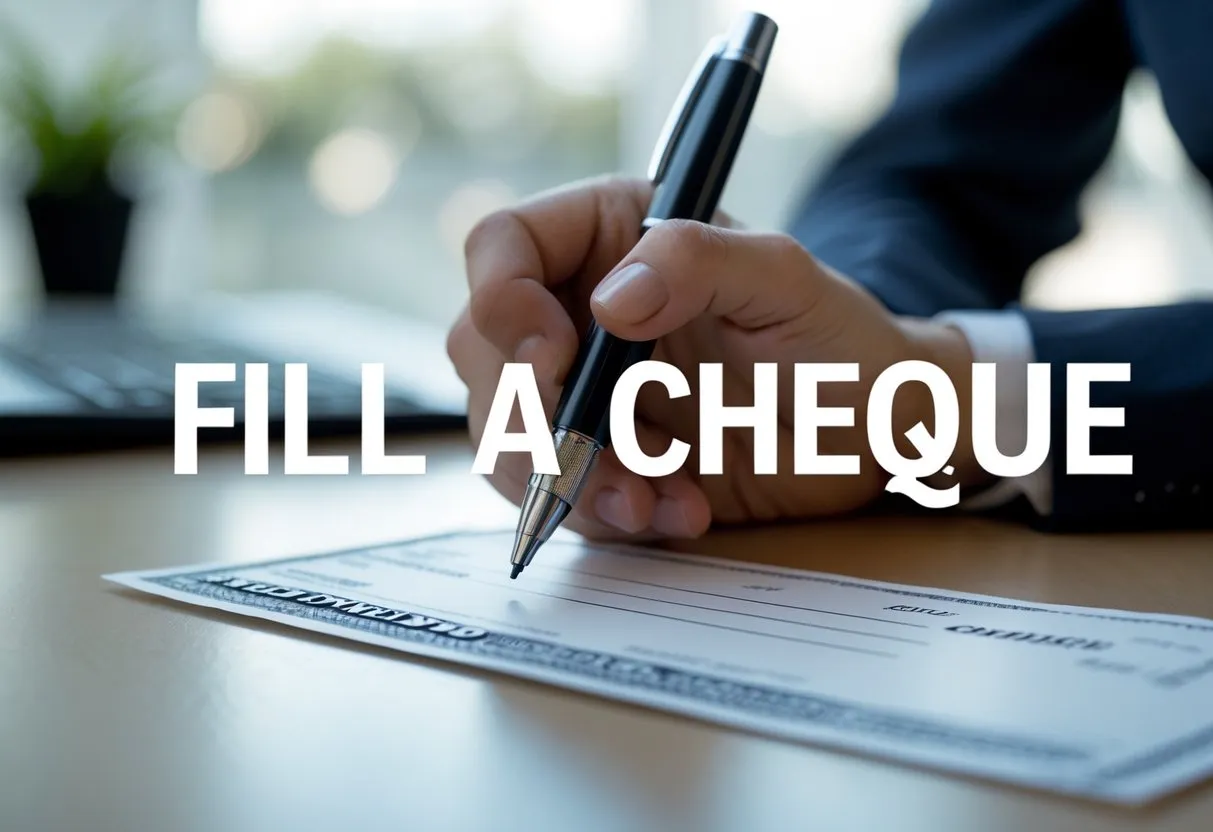
Double-check everything. Before you hand that cheque over, give it one last once-over. Are the numbers right? Are the words right? Is the date correct? Is the payee spelled correctly? It’s like proofreading an important email before you hit send. A quick review can save you a world of pain. Think of it as your final inspection before sending a rocket into space. You don’t want any last-minute surprises.
Keep a record. Just like you’d track your expenses in a notebook or an app, keep a record of the cheques you write. You can do this in your chequebook itself, or in a separate ledger. It’s like having a financial GPS. You know where your money has gone, and you can trace its journey. This is crucial for budgeting and for catching any errors or fraudulent activity.
And finally, don’t be afraid to ask. If you’re really unsure about something, it’s always better to ask your bank for advice. They’ve seen it all, and they’re there to help. They’re like the wise elders of the financial village. They’ve got the knowledge. So, don’t suffer in silence. A quick phone call or a visit to the branch can clear up any lingering doubts.
So there you have it! Filling in a cheque might seem like a relic from a bygone era, but it’s a skill that can still come in handy. Think of it as a little bit of financial origami. A bit of folding, a bit of writing, and voilà! Your money is ready to embark on its next adventure. Just remember to be clear, be accurate, and for goodness sake, make sure that signature is yours. Happy cheque-writing!