
How Do You Drive A Manual Car

Ever gazed at a car with a gear stick and thought, "What's the deal with that third pedal?" You're not alone! Driving a manual, often called a "stick shift," might seem a bit mysterious in our automatic-dominated world. But here's the secret: it's actually a blast! Forget the idea that it's only for gearheads or old-school drivers. Learning to drive a manual can be incredibly rewarding, offering a more connected and engaging driving experience that many find downright fun. It's a skill that opens up a whole new world of car ownership, from classic beauties to sporty coupes, and honestly, there's a certain cool factor in mastering it.
So, what exactly is this "manual" magic? At its core, a manual transmission car gives you direct control over how your engine's power is transferred to the wheels. Unlike an automatic car, which does all the gear-changing for you behind the scenes, a manual car has a clutch pedal (that third pedal on the left!), a gear stick (usually with numbers 1 through 5 or 6, plus a reverse), and the standard accelerator and brake pedals. The clutch is your magic wand, temporarily disconnecting the engine from the wheels so you can smoothly shift gears. Think of it as a temporary pause button for power delivery.
Why bother with all this fuss when automatics are so easy? Well, the benefits are plentiful and go beyond just a perceived sense of coolness. For starters, manual cars are often more fuel-efficient than their automatic counterparts, especially older models. Because you're in charge of the gears, you can optimize your engine's performance for better mileage. This can translate into significant savings over time, especially with today's fluctuating fuel prices.
Must Read
Beyond the wallet-friendly aspect, there's the sheer joy of driving. Driving a manual car is an active experience. You become a more integral part of the machine. Feeling the engine revs, anticipating the perfect moment to shift, and smoothly engaging the next gear – it’s a tactile and responsive sensation that many drivers find incredibly satisfying. It demands your attention and engages your senses, making every drive feel more intentional and less like a passive commute. Many enthusiasts believe it makes you a better, more aware driver overall, as you're constantly processing what the car and road are telling you.
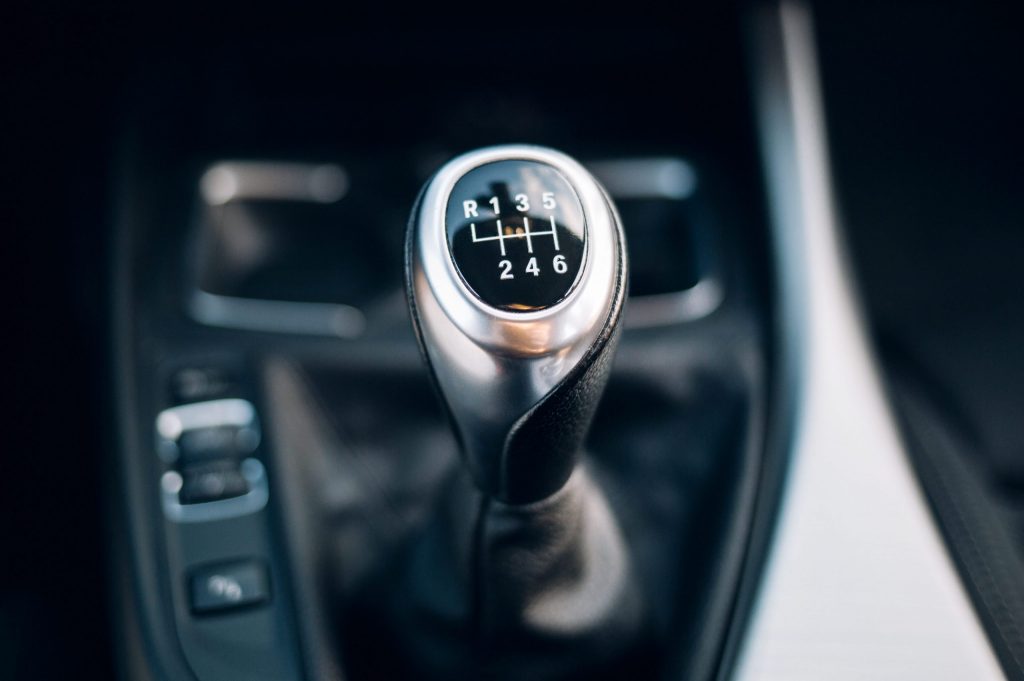
And let's not forget about control. In certain situations, a manual transmission gives you superior control. Need to engine brake down a steep hill? You can downshift to use the engine's resistance to slow you down, saving your brakes. Want to accelerate quickly out of a tight spot? You can hold a gear longer or downshift precisely to get the most out of your engine. This level of command can be particularly beneficial in adverse weather conditions or when navigating challenging terrain.
The Dance of the Pedals and Stick
Now, for the million-dollar question: how do you actually do it? It might seem daunting at first, but it's like learning any new skill – practice makes perfect. Let's break down the fundamental steps:

- Getting Started: Before you even turn the key, familiarize yourself with the pedals. The clutch is on the far left, the brake is in the middle, and the accelerator is on the right. Get a feel for how far each pedal travels and how much pressure they require.
- Finding Neutral: With the engine off, push the clutch pedal all the way to the floor. Then, with the gear stick, find neutral. This is usually the position where the stick can move freely left and right without engaging a gear.
- Starting the Engine: Keep the clutch pedal firmly pressed to the floor. Now, turn the ignition key to start the engine. You should hear it roar to life!
- Engaging First Gear: While keeping the clutch pedal on the floor, gently move the gear stick into first gear. You'll feel it slot into place.
- The Delicate Balance (Moving Off): This is where the magic happens! Slowly, and I mean slowly, begin to lift your foot off the clutch pedal. As you do this, gently press down on the accelerator pedal. You're looking for the "bite point" – that sweet spot where the engine's power starts to connect with the wheels. You'll feel a slight change in the engine sound and the car might even start to creep forward.
- Finding the Bite Point: This is the most crucial part of moving off smoothly. You need to coordinate lifting the clutch with pressing the accelerator. It takes practice! If you lift the clutch too quickly without enough gas, the engine will stall (don't worry, it happens to everyone!). If you give it too much gas and dump the clutch, you'll lurch forward and might even cause unnecessary wear. Aim for a smooth, gradual engagement.
- Smooth Sailing: Once you feel the car moving smoothly, continue to lift the clutch pedal all the way off, and you're officially driving!
Shifting Gears
As you gain speed, you'll need to shift into higher gears. The process is similar, but you'll be doing it at different speeds:
- Upping a Gear (Shifting Up): When you hear the engine revving higher than you'd like, or when you feel the car pulling strongly, it's time to shift up. Take your foot off the accelerator. Immediately press the clutch pedal all the way to the floor. Move the gear stick to the next gear (e.g., from 1st to 2nd). Then, smoothly release the clutch pedal while gently pressing the accelerator.
- Downshifting (Shifting Down): When you need to slow down, or when you're approaching a stop or a hill that requires more power, you'll downshift. Again, take your foot off the accelerator. Press the clutch pedal all the way down. Move the gear stick to the lower gear. Then, smoothly release the clutch pedal. You might need to apply a little more accelerator as you release the clutch when downshifting, especially at higher speeds, to match the engine speed.
Don't be discouraged if you stall a few times, or if your shifts aren't perfectly smooth at first. Everyone who drives a manual learned at some point! The key is patience and practice. Find a safe, open space like an empty parking lot to get comfortable. Ask a friend or family member who knows how to drive a manual to guide you. With a little dedication, you'll be zipping around in no time, experiencing the pure, unadulterated joy of controlling your car with every shift.


