How Do You Do A Stool Sample
Alright, let's dive into something a little… earthy. We're talking about the humble stool sample. Yes, you read that right. It’s not exactly dinner table conversation, but hey, it’s a fascinating part of keeping ourselves healthy. Think of it as your body’s ultimate report card, and we’re here to help you ace the exam!
So, why the fuss about… well, you know? Turns out, our poop tells a whole story. It’s like a tiny, biological detective. Scientists and doctors can glean so much information from a little bit of… stuff. It’s genuinely mind-blowing when you think about it. It's not just waste; it's a treasure trove of health data!
The Poop Whisperers: What's the Big Deal?
Imagine this: your digestive system is a bustling city. Food comes in, gets processed, and what’s left over? That’s the city's trash. But even that trash can tell you if the city's plumbing is working, if there are any unwelcome guests (like bacteria), or if the power grid (your energy levels) is fluctuating.
Must Read
Doctors use stool samples to check for all sorts of things. Infections are a big one. Think of nasty bugs like E. coli or salmonella. A sample can pinpoint exactly what's causing your tummy troubles. It’s like having a tiny crime scene investigation for your insides!
Then there's blood. Sometimes, it's visible, sometimes it's hidden. Finding it can signal issues in your digestive tract, from minor irritations to more serious conditions. Early detection is key, and your poop can be your first alert system.
And let's not forget about those amazing gut microbes. We’ve got trillions of them living in our intestines. They’re not just freeloaders; they’re essential! They help digest food, make vitamins, and even influence our mood. A stool sample can give doctors a peek into this microbial community, seeing if it's balanced or if something's a little off-kilter.

So, How Do You Actually Do This Thing?
Okay, okay, the practical stuff. It might sound intimidating, but it's usually pretty straightforward. Think of it as a DIY project, but for your health!
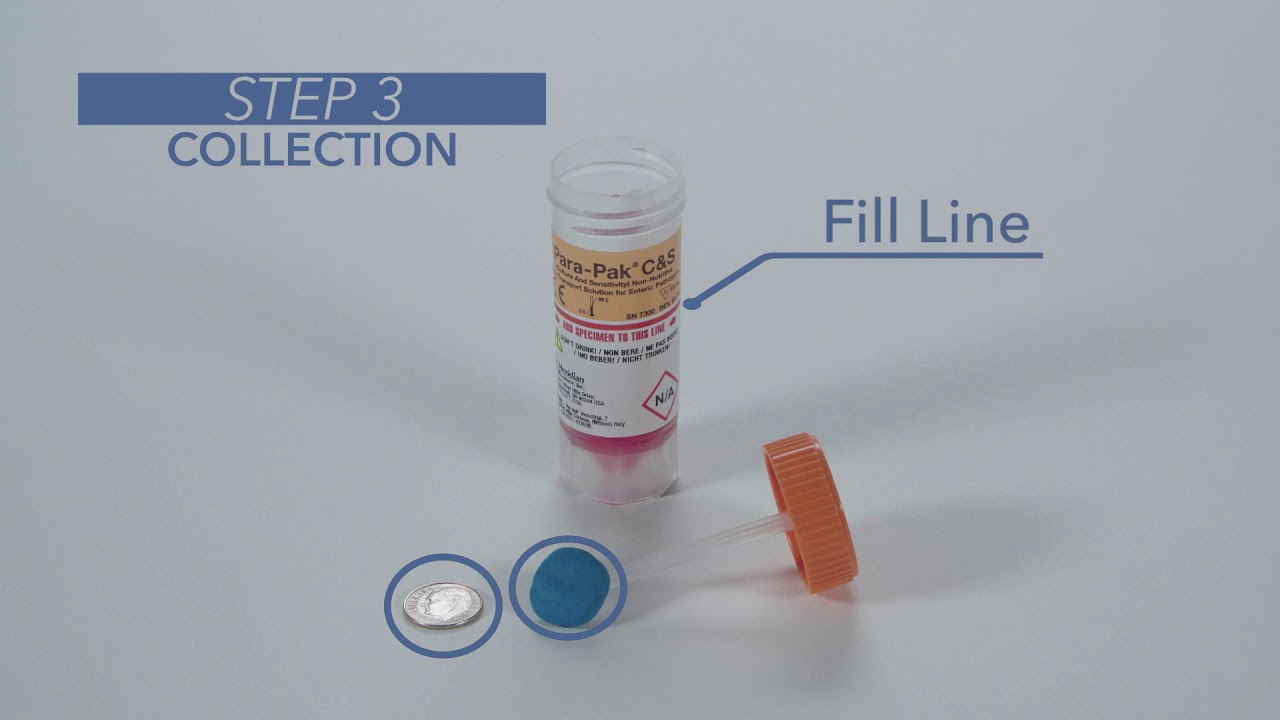
First things first: you’ll likely get a special kit. These kits are designed to make things as clean and easy as possible. They usually contain a container, a small scoop or stick, and instructions. Read those instructions. Seriously. They’re there for a reason and will ensure you get a good sample.
The most common scenario is collecting a sample in the privacy of your own bathroom. Sounds… intimate, right? But it's a space where you can be comfortable. The goal is to collect a representative sample. You don't need to fill the entire container, just get enough for the lab to work with.
One of the trickier parts? Avoiding contamination. You don't want to mix your sample with urine or toilet water. This is where those little plastic shields that sit on your toilet bowl come in handy. They catch your… output, so you can scoop from that. Genius, really. It’s like a tiny, temporary pool for your sample!
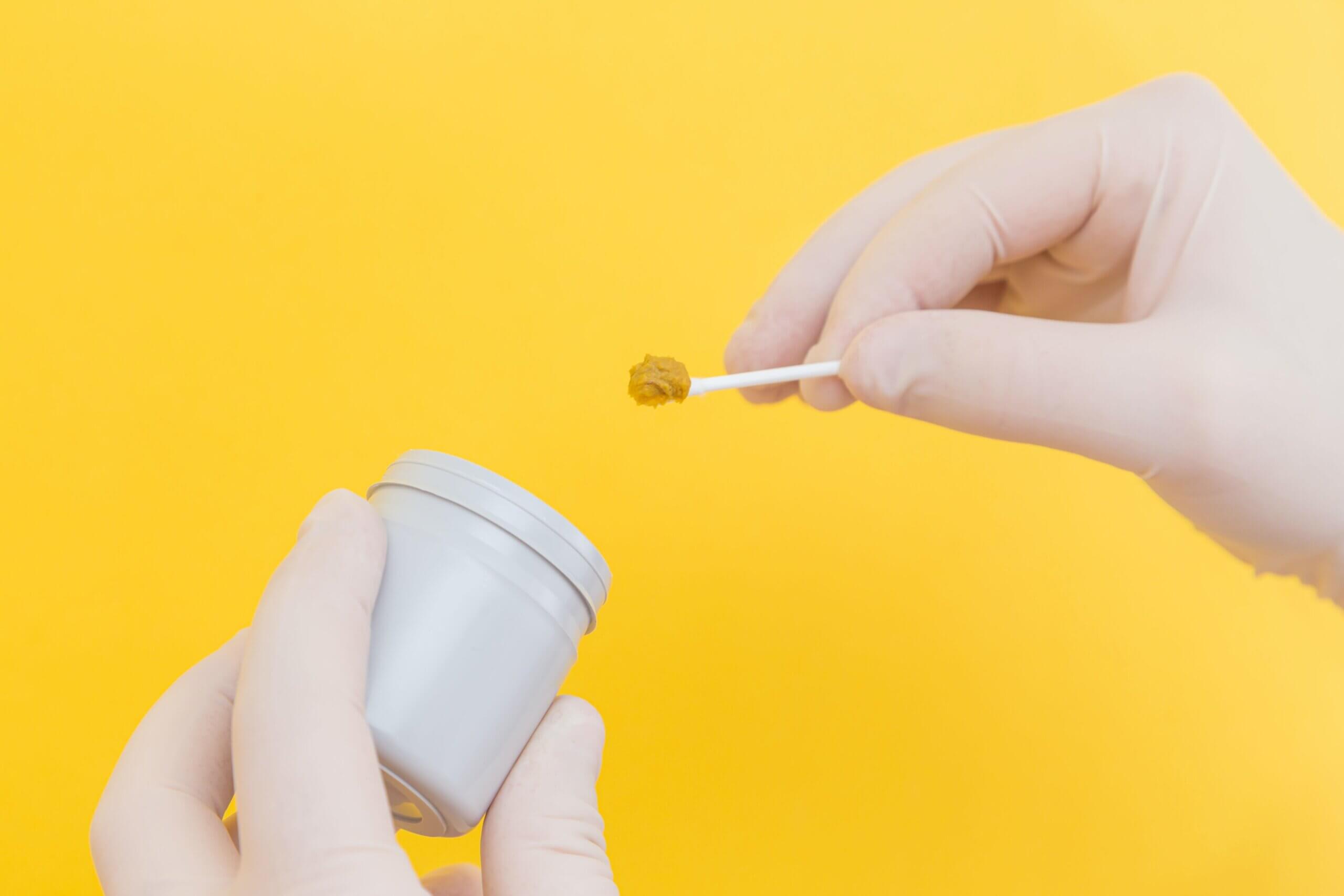
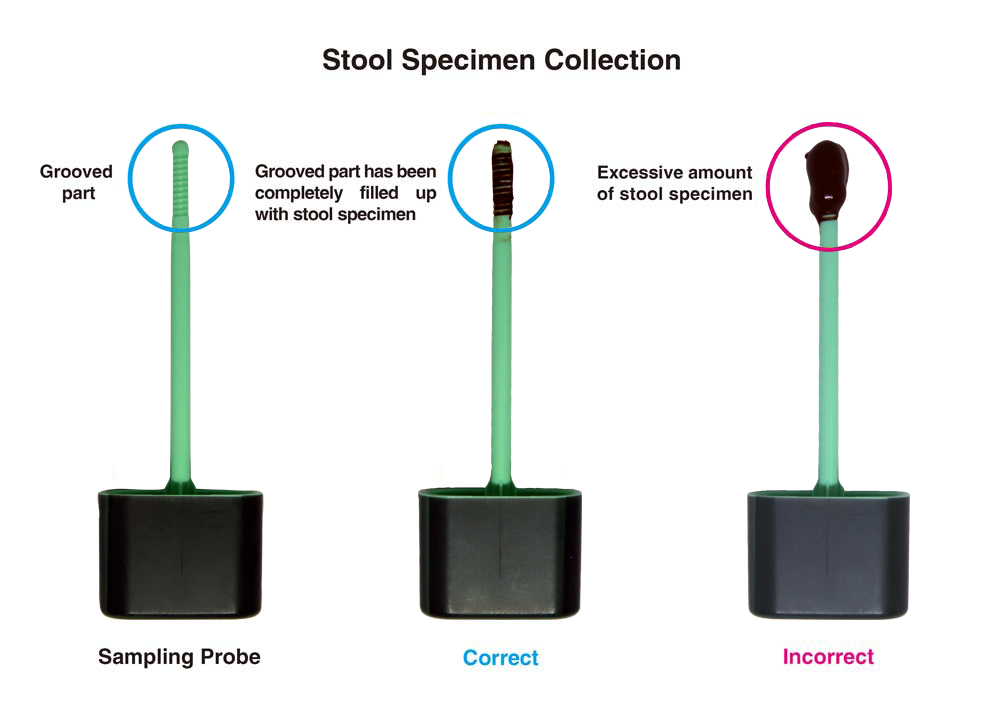
Using the provided scoop or stick is crucial. You’ll gently take a small portion of the stool. Think of it as a miniature archaeological dig. You’re unearthing a tiny piece of valuable information.
Once you've got your sample, you carefully place it in the container. Seal it up tight! No one wants any… accidents. Then, you’ll usually label it with your name and the date. This is super important for the lab technicians to keep everything organized. They’re the unsung heroes of the poop-analysis world.
Quirky Facts and Fun Bits About Your Poop
Did you know that the smell of poop is mostly due to bacteria? Yep. Those little guys are busy producing gases. And the color? It can tell you a lot. Green poop might mean you ate a lot of leafy greens, or maybe your digestive system moved a little too quickly. Yellow poop could signal fat malabsorption. Brown is generally the happy color, indicating a healthy mix of bile and digested food.
And the shape! The Bristol Stool Chart is a thing, you guys. It’s a medical classification tool that describes the different shapes and forms of human feces. Seriously, scientists have categorized poop shapes from lumpy to smooth. It's like a museum of bowel movements!
Think about the sheer volume of poop produced by humans worldwide. It's astronomical! Every single day, billions of people are contributing to this… biological output. It’s a constant, ongoing process, and a reminder of our shared humanity, in a very… grounded way.
Collecting a stool sample might seem mundane, but it’s a surprisingly powerful diagnostic tool. It’s a non-invasive (mostly!) way to get critical health information. It’s like having a secret decoder ring for your body. And when you think about the advanced technology and science that goes into analyzing that little bit of… material, it’s pretty darn impressive.

When Might You Need to Do This?
There are a bunch of reasons a doctor might ask for a stool sample. Sometimes it's for a routine check-up, especially if you’re older or have a history of certain conditions. They might be looking for signs of colon cancer, for instance. Early detection through a fecal occult blood test (which uses a stool sample) can be life-saving.
If you're experiencing persistent diarrhea, constipation, stomach pain, or unexplained weight loss, a stool sample can help pinpoint the cause. It’s a key piece of the puzzle for diagnosing conditions like Irritable Bowel Syndrome (IBS), inflammatory bowel disease (IBD), or infections.
Even if you're not feeling sick, your doctor might recommend it as part of a comprehensive health assessment. It’s proactive healthcare, folks! It’s about understanding your body from the inside out. And honestly, the more we understand about our own biology, the better equipped we are to take care of ourselves.
So, the next time you hear the words "stool sample," don't shudder. Think of it as your body's way of sending a postcard from the inside. It’s a bit messy, maybe a little quirky, but undeniably important. It’s a testament to the incredible complexity and resilience of the human body. And frankly, it’s just a fun (in a very peculiar way) topic to explore!