How Do You Calibrate A Ph Meter

Ever found yourself staring at a little device with a glass probe, wondering what on earth it does and why anyone would need one? That, my friends, is often a pH meter, and learning how to calibrate it is a surprisingly accessible and genuinely interesting skill. Think of it like learning to tune a musical instrument – once you understand the basics, you unlock a whole new level of precision and understanding about the world around you. It’s not just for hardcore scientists in labs, either! This little gadget can be a fun peek into the invisible chemistry that surrounds us.
So, what’s the big deal about calibrating a pH meter? Essentially, calibration is the process of telling your meter what “neutral” actually looks like. Over time, the sensor on the pH meter can drift, meaning it might not accurately read the acidity or alkalinity of a solution. Calibration corrects this drift by exposing the meter to solutions of known pH (called buffers) and adjusting its readings to match. The purpose is simple but profound: to ensure you get accurate and reliable measurements. Without it, your pH meter is just a fancy thermometer that tells you... well, not much at all!
The benefits of accurate pH readings are vast and often go unnoticed in our daily lives. For instance, in the realm of education, pH meters are invaluable tools for science experiments. Students can explore everything from the acidity of different fruit juices to the impact of pollution on local water sources. It brings abstract concepts to life, making learning more hands-on and engaging. Beyond the classroom, think about the gardener who wants to ensure their soil is just right for their prize-winning tomatoes. Or the home brewer meticulously controlling the pH of their beer for the perfect taste. Even knowing the pH of your swimming pool water is crucial for comfort and safety. In essence, understanding pH helps us optimize processes and ensure quality in a surprising number of areas.
Must Read
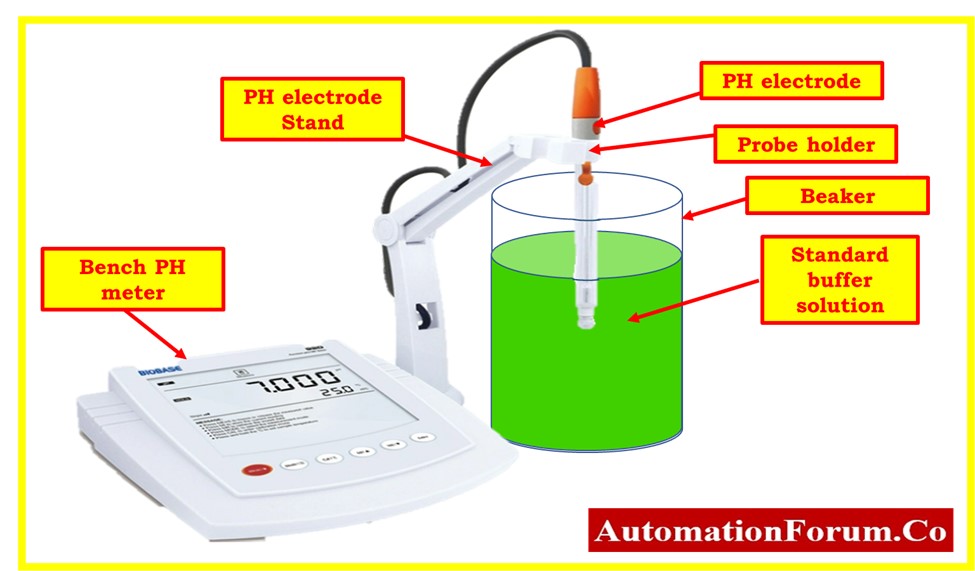
The good news is, calibrating a pH meter isn't as daunting as it sounds. Most meters come with calibration solutions, usually in packets or small bottles, marked with specific pH values like 4, 7, and 10. The general process involves rinsing the probe, immersing it in a pH 7 buffer (which is neutral), telling the meter to recognize that reading, and then repeating the process with other buffers. It’s a bit like following a simple recipe. For a relaxed exploration, you could start by getting your hands on a basic pH meter kit, often available online. Then, try measuring the pH of tap water, lemon juice, and baking soda dissolved in water. You’ll be amazed at the range you can find! Don't be afraid to consult the specific instructions for your meter, as each model might have slight variations. It’s a journey of discovery, one buffer at a time, and you might just find yourself feeling like a bit of a chemistry whiz!