
How Do You Bandage A Dog's Paw

Alright, so your furry best friend has gone and done it. Maybe they chased a rogue squirrel a little too enthusiastically and ended up with a scraped paw, or perhaps a long walk on a not-so-friendly surface has left them a bit tender. Whatever the reason, it's time for some superhero-level first aid: bandaging that pup’s paw! Now, don't get your tail in a twist! It's not as complicated as defusing a bomb (though sometimes it feels like it with a wiggly dog, right?). We're going to break it down, step-by-step, with a smile and maybe a few giggles along the way. Think of me as your friendly neighborhood dog-doc-lite.
First things first: calm yourself down. If you're stressed, your dog will pick up on that faster than you can say "treat." Take a deep breath. Tell yourself, "I’ve got this!" Sometimes, that’s half the battle. And if your dog is a bit of a drama queen (we all know one, don't we?), a little distraction can go a long way. Maybe have some special, super-duper-yummy treats on standby. We're talking the kind that make their eyes sparkle and their tail wag so hard it threatens to take flight. The promise of deliciousness is a powerful motivator!
Now, let's talk about what you'll need. You don't need a whole veterinary hospital in your bathroom. Just a few key items will do the trick. You'll want some non-stick gauze pads. These are like little fluffy clouds for your dog's wound. Avoid regular cotton balls; they can leave little bits behind that might irritate things. Think of it like choosing the right outfit for a fancy party – you want something that looks good and feels good, and for your dog's paw, that means non-stick!
Must Read
Next up, you'll need some adhesive tape. Vet wrap is your best friend here. It’s that stretchy, self-adhesive stuff that sticks to itself, not to your dog’s fur. This is a game-changer! No more wrestling matches trying to get sticky tape off fluffy legs. If you don't have vet wrap, regular medical tape can work in a pinch, but be prepared for a bit more… uh… detanglement later. Consider it a bonding experience with your vacuum cleaner.
You might also want some antiseptic wipes or a gentle antiseptic solution (like diluted chlorhexidine). This is for cleaning the wound, not for making your dog do the cha-cha. And speaking of cleaning, make sure your hands are squeaky clean before you even think about touching that paw. Germs are the ultimate party crashers, and we definitely don't want them invited to the healing party.
Okay, supplies gathered? Deep breaths taken? Treats strategically placed? Excellent! Let's move on to the actual paw-ty… I mean, procedure.
Assessing the Damage (Gently, Please!)
Before you start wrapping like you're preparing a mummy for a marathon, take a good look at the paw. Is it a minor scrape, or does it look like your dog had a wrestling match with a badger? If it's a deep cut, bleeding profusely, or looks infected (red, swollen, oozing yucky stuff), it's time to call the vet. Seriously, don't try to be a hero and tackle something that requires professional intervention. They have the fancy tools and the magic touch. Your job is to handle the less… gnarly situations.
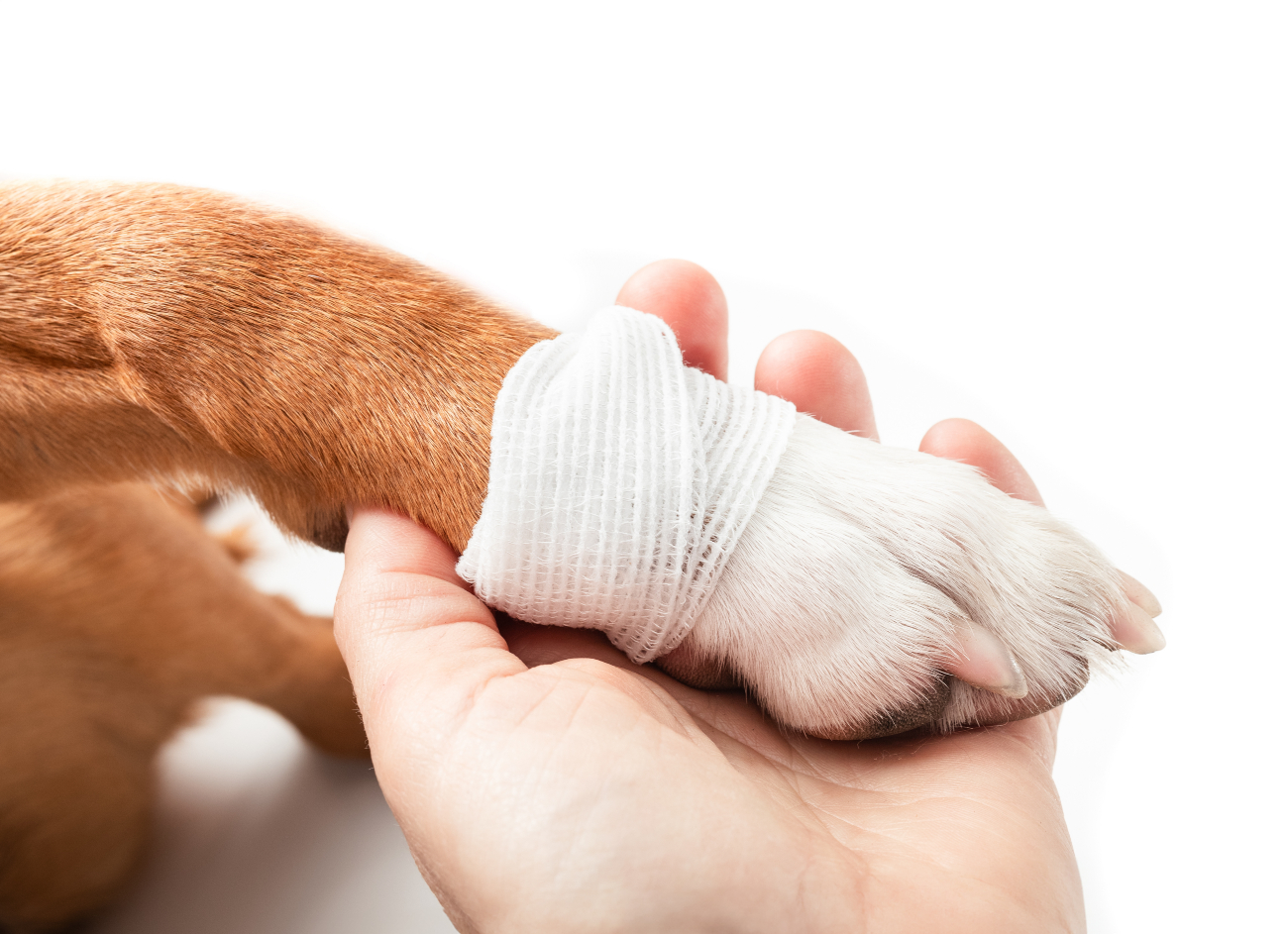
Once you've determined it's something you can manage, gently lift your dog's paw. Be prepared for them to pull away. This is where those treats come in handy. Offer one, praise them for holding still for even a nanosecond. Talk to them in a soothing voice. "Who's a good boy/girl? Who has a little ouchie? We're going to make it all better!" Your tone of voice is as important as the bandage itself.
Gently clean the wound. If it's just a surface scrape, a quick wipe with an antiseptic wipe is usually enough. If there’s dirt or debris, you might need to gently rinse it with clean water. Again, be gentle. You're not scrubbing a floor; you're coaxing a delicate flower (with fur). Pat the area dry with a clean cloth or gauze.
The Art of the Paw Bandage
Now for the main event! Imagine you're wrapping a precious gift. That’s kind of the vibe. You want it snug, but not so tight that you're cutting off circulation. Think "cozy hug," not "medieval torture device."
Start by placing a non-stick gauze pad directly over the wound. Make sure it covers the entire area. If the wound is a bit bigger, you might need a couple of pads. You can gently hold them in place with your hand for a moment while you prepare for the next step. This is where your dog might try to lick it off. Resist the urge to yell. Instead, offer another treat and a distraction. Maybe a squeaky toy? Or a very important conversation about the squirrel menace.

Next, take your vet wrap and start wrapping it around the paw, starting just below the toes and working your way up towards the ankle. Overlap each layer of the wrap by about half. This helps to keep everything secure. Think of it like making a delicious burrito; you want those layers to hold together!
Crucial point here: When you get to the top of the bandage, near the ankle, do not wrap it all the way up to the knee. You want to leave some room for movement. Wrapping too high can restrict blood flow and cause more problems than it solves. Imagine trying to run a marathon with a giant sock pulled up to your chin – not ideal! Just go up a little past the hock joint (that's the bendy bit in the back of their leg).
As you wrap, gently feel the paw. You should be able to slip a finger between the bandage and your dog’s skin. If you can’t, it’s too tight. Loosen it and rewrap. Your dog's comfort is paramount. They can't tell you in words that it's too tight, but they can show you through whining, limping more, or general disgruntledness. And trust me, you don't want a disgruntled dog. They have a way of making you feel like the worst human in the history of canines.
Once you're happy with the snugness, tear off a piece of tape and secure the end of the vet wrap. You don't need to go overboard; just a few pieces to keep it from unraveling. Think of it as the ribbon on that precious gift.
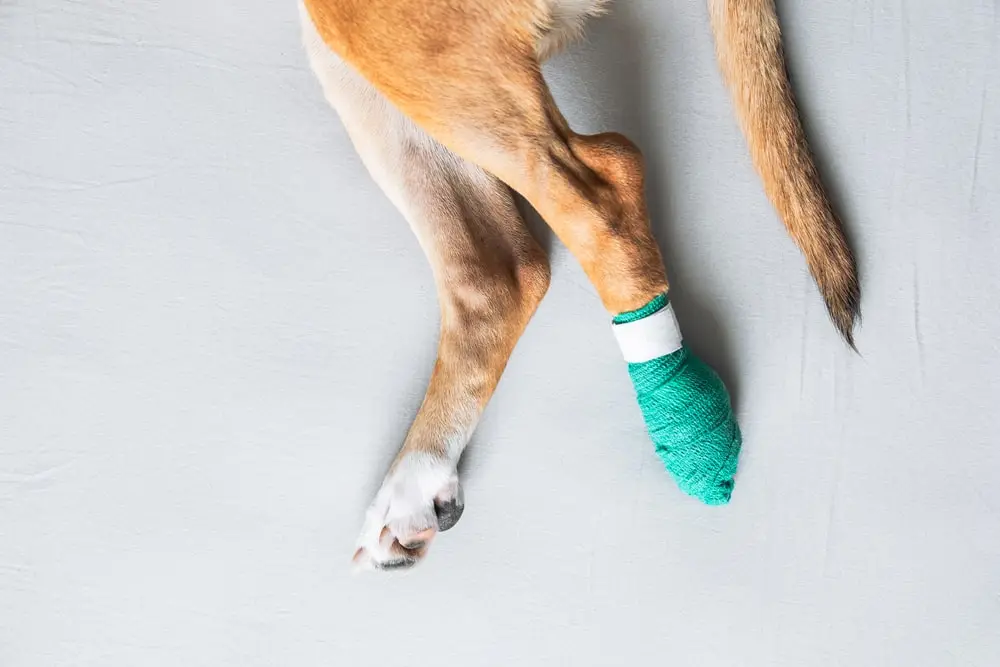
A quick tip for the extra-wriggly dogs: Sometimes, having a helper is a lifesaver. One person can gently restrain and distract the dog (with those glorious treats!), while the other does the wrapping. It’s like a well-choreographed dance, but with more slobber. Or, if you’re a solo act, try doing it when your dog is extra tired – after a good play session, perhaps? A sleepy dog is a more cooperative dog, much like a sleepy toddler.
The Post-Bandage Patrol
So, you’ve done it! You’ve successfully bandaged your dog’s paw. Give yourself a pat on the back (and maybe another treat for yourself!). But your job isn’t quite over yet. You need to keep an eye on that bandage.
Check it regularly. Look for signs that it might be too tight (swelling above or below the bandage, cold toes, increased limping). Also, check if it’s become loose, dirty, or if your dog has managed to chew it off (they’re surprisingly resourceful when they want to be!).
If the bandage gets wet, it needs to be changed. You can try to keep it dry with a plastic bag secured with tape when they go outside for potty breaks, but it’s not foolproof. Dogs have a remarkable ability to find the wettest, muddiest puddle imaginable, even with a plastic bag on their paw. It’s like a superpower they possess.

Plan to change the bandage daily, or more often if it gets dirty or wet. This gives you a chance to clean the wound again, check for any new issues, and reapply a fresh bandage. Remember to use clean supplies each time. Fresh bandage, fresh start!
And, of course, keep your dog from licking or chewing the bandage. This is where the cone of shame (also known as an Elizabethan collar) comes into play. It might not be the most glamorous accessory, but it’s incredibly effective at preventing them from meddling with your hard work. Some dogs tolerate it better than others, and some just look hilariously grumpy wearing it. Embrace the grumpiness; it’s a sign they’re not licking the bandage!
Remember, the goal of the bandage is to protect the wound, keep it clean, and allow it to heal. It’s not a permanent solution. Once the wound is looking much better, you can gradually stop using the bandage, but always consult your vet if you have any concerns. They are the ultimate paw-thority!
And there you have it! You've navigated the sometimes-tricky, occasionally-hilarious world of dog paw bandaging. You've shown your furry friend the ultimate act of love and care. They might look at you with those adoring eyes, maybe even give a gentle lick to your hand (careful, it might be a little paw-scented!), and you'll know that you’ve made a difference. So go ahead, give yourself a virtual high-five. You’re a star!

