How Do Spiders Get In The Bath
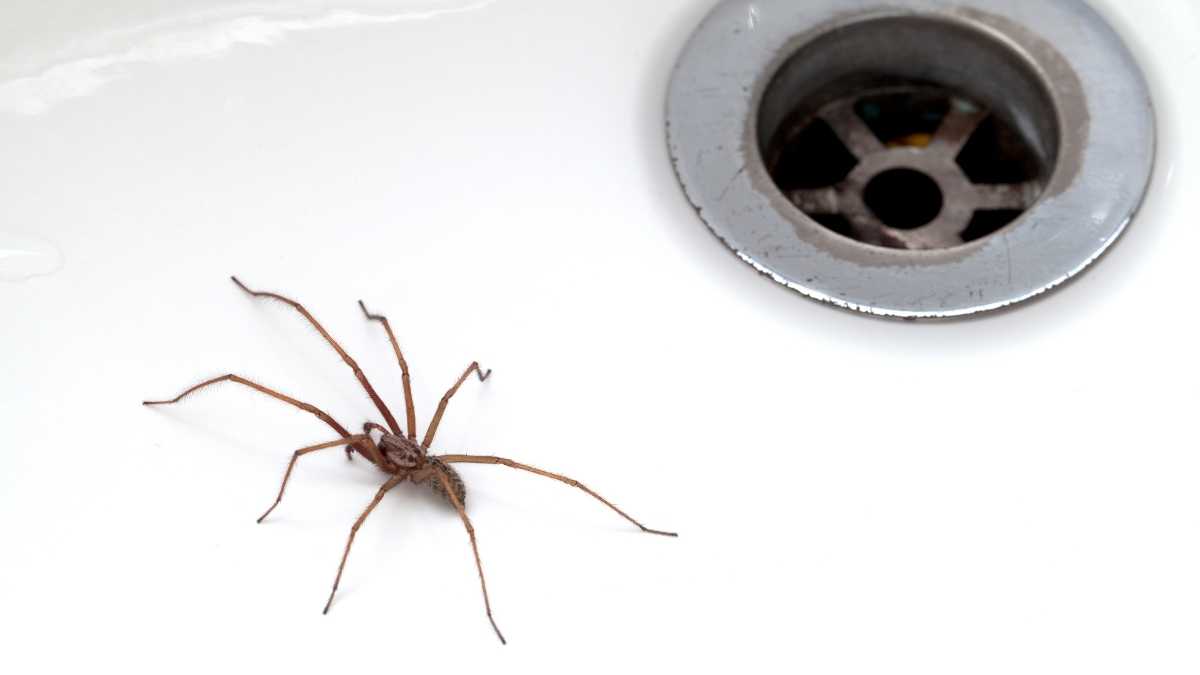
Ah, the humble spider. For some, a tiny, eight-legged marvel of engineering. For others… well, let’s just say a slightly less welcomed guest, especially when you’re mid-bubble bath, serene and singing along to your favorite cheesy 80s power ballad. The sudden appearance of a spider in the tub is one of those universal, slightly startling moments that can quickly transform a spa-like experience into a mini-adventure. But how, exactly, do these seemingly aquatic-averse creatures find themselves taking an unexpected dip?
It’s a question that has probably crossed more minds than we’d care to admit. You’re soaking, you’re relaxed, you’re almost ready to emerge feeling like a goddess of the sea, and then… gasp.
Let’s dive into the delightful (and sometimes damp) world of how spiders become accidental bathers. It’s less about a secret spider spa membership and more about the practicalities of their world, and frankly, ours.
Must Read
The Uninvited Guest: Cracks, Crevices, and Curiosity
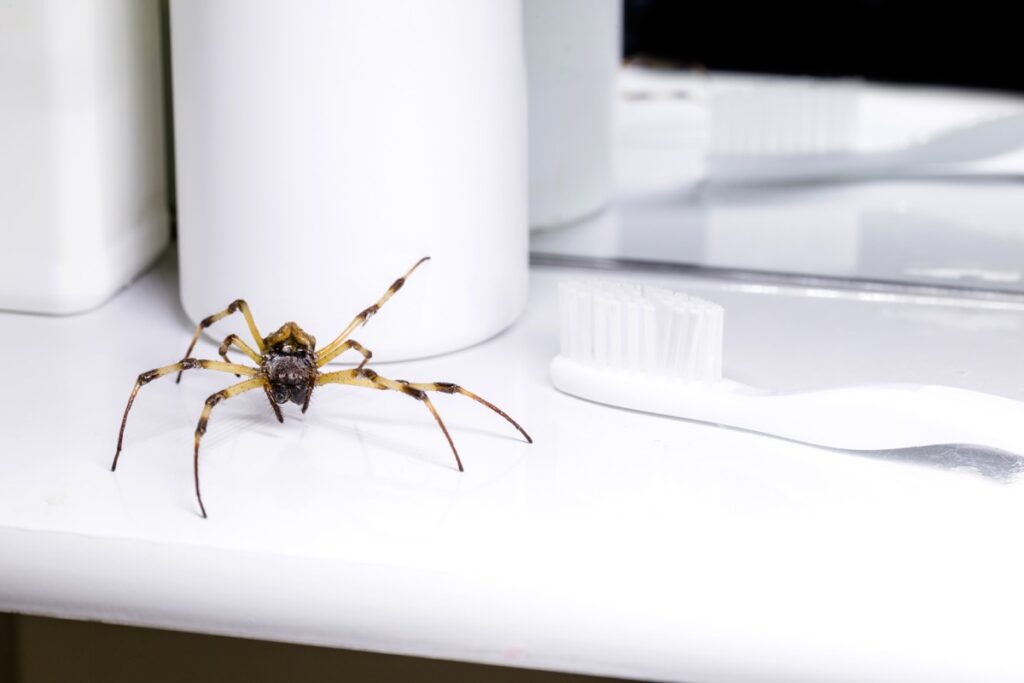
Spiders, bless their tiny hearts, are generally not seeking out your porcelain sanctuary. They’re looking for a place to hang out, maybe catch a meal, and generally be a spider. Your bathroom, with its often-plentiful supply of small insects (tiny fly friends, mosquito mishaps, silverfish soirées), is a veritable buffet. And like any good restaurant, it has entrances.
Think about your bathroom. It’s a space that’s constantly exposed to the elements, albeit indirectly. There are tiny gaps around windows, doors that don’t seal perfectly, and even hairline fractures in walls that, to a spider, are like grand avenues. They are masters of exploration, driven by instinct and the scent of potential prey or a cozy hiding spot.
So, that little gap under your bathroom door? It’s basically a five-star hotel entrance for a spider. They don’t see it as an invasion; they see it as a convenient passageway. And if that passageway happens to lead to the bathroom, well, fate, or perhaps just poor door-sealing, has intervened.
It’s also worth noting that some spiders are more adventurous than others. Like us, some are homebodies, content to stay in their chosen corner. Others are intrepid explorers, always on the hunt for new territories and opportunities. Your bathroom might just be on the itinerary of one of these intrepid eight-legged travelers.
The Allure of the Damp Environment
Now, let’s talk about the bathroom itself. Beyond the potential for insect snacks, there’s something else that draws certain spiders in: humidity. While most spiders don’t want to drown, many species are adapted to environments with higher moisture levels. Bathrooms, with their steamy showers and humid air, can mimic the natural habitats of some spiders, especially those that prefer less arid conditions.
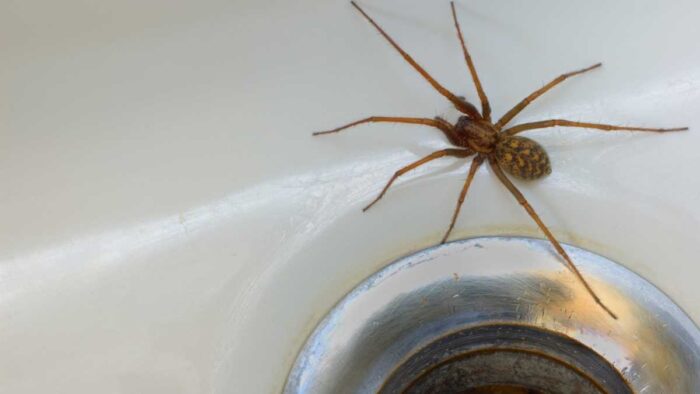
Think of it like this: if you were a spider who enjoyed a nice, dewy morning, your bathroom might seem like a rather appealing place, especially after a hot shower has left the air thick and moist. It’s a subtle attraction, not a direct invitation to a soak, but a contributing factor nonetheless.
This is particularly true for spiders that are commonly found indoors. They’ve evolved to co-exist with us, and sometimes that means finding comfort in the microclimates we create, even if those microclimates involve a tiled floor and a drain.
Accidental Acrobatics: The Slip and Slide
Okay, so they’ve made it into the bathroom. Now, how do they end up in the tub? This is where a little bit of physics and a whole lot of unfortunate timing comes into play. Tubs, especially when wet, are notoriously slippery surfaces.
Spiders have tiny claws and hairs on their feet that help them grip surfaces. However, when faced with a steep, wet incline like the side of a bathtub, their grip can falter. They might be exploring the rim, perhaps investigating a stray water droplet, and simply lose their footing.
Imagine a tiny, furry mountaineer attempting to scale a sheer, waterlogged cliff face. It’s a risky endeavor, and a tumble is often the result. Once they’re in, the smooth, sloping sides of the tub make escape incredibly difficult. They’re essentially trapped in a smooth-walled pit.

This is why you often see them frantically trying to climb the sides, their little legs scrabbling for purchase. They aren’t enjoying the experience; they’re in a genuine predicament, much like a toddler who’s slid down a water slide and can’t get back up.
The Water Factor: Not Quite Drowning, But Definitely Unpleasant
Now, a crucial point: spiders are not aquatic creatures. They breathe air through tiny openings called book lungs or spiracles. So, a bit of water in the tub isn’t an immediate death sentence for most common house spiders. They can often survive for a surprisingly long time out of water, holding their breath or finding air pockets.
However, prolonged immersion is obviously dangerous. But what often happens is that they get stuck in the water, and the humidity and the general slipperiness of the tub keep them from being able to climb out effectively. They might make a few desperate attempts, get wet, and then pause, trying to figure out their next move, which, unfortunately, often involves more attempts to climb and more slips.
It’s less about them actively choosing to swim and more about a series of unfortunate events leading to a prolonged, watery inconvenience.
Beyond the Bathtub: Other Entry Points and Temptations
While the bathtub is a classic, spiders can get into your bathroom through numerous other avenues. Here are a few you might not have considered:
- Ventilation Grates: Those little grates in your ceiling or walls? They’re practically spider highways.
- Plumbing: Yes, even your pipes can be a route. While less common for larger spiders, smaller ones can navigate them.
- Unsealed Windows and Doors: We mentioned this, but it bears repeating. A small gap is an invitation.
- Items Brought Inside: Plants, firewood, or even grocery bags can sometimes carry a small hitchhiker.
- Laundry: Spiders love dark, quiet places. A pile of laundry can be a temporary haven.
Essentially, any small opening or undisturbed nook can be a potential entry point. It’s a testament to their resourcefulness and their small size, allowing them to exploit even the tiniest of vulnerabilities in our human-built environments.
The "Accidentally" Part: It’s Not Personal
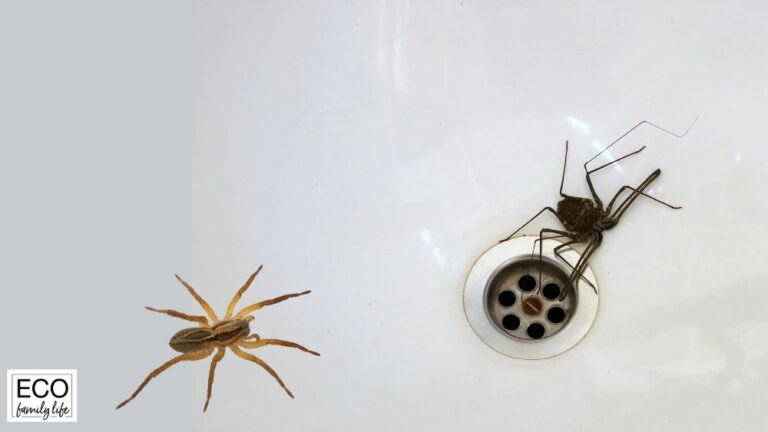
It’s important to remember that a spider appearing in your bath is almost always an accident from their perspective. They aren’t plotting to ambush you while you’re trying to get clean. They’re simply going about their business, and your bathroom happens to be in their path or offers something they need.
Think of it like finding a ladybug in your cereal. It’s unexpected, and perhaps a little unsettling, but the ladybug wasn’t trying to ruin your breakfast; it just happened to be there.
This perspective can help to demystify the encounter and make it less of a horror movie moment and more of a quirky observation about the natural world intersecting with our daily lives.
Fun Facts and Cultural Tidbits
Did you know that some spiders can actually walk on water? Certain species, like the fishing spider, have specialized hairs that allow them to stride across the surface of ponds and lakes. While this doesn’t help them escape a bathtub, it’s a fascinating testament to their adaptability.
In some cultures, spiders are seen as symbols of creativity and wisdom. Think of the Greek myth of Arachne, a mortal weaver who challenged Athena and was transformed into the first spider. In many indigenous cultures, spiders are revered as weavers of fate or as important figures in creation stories.
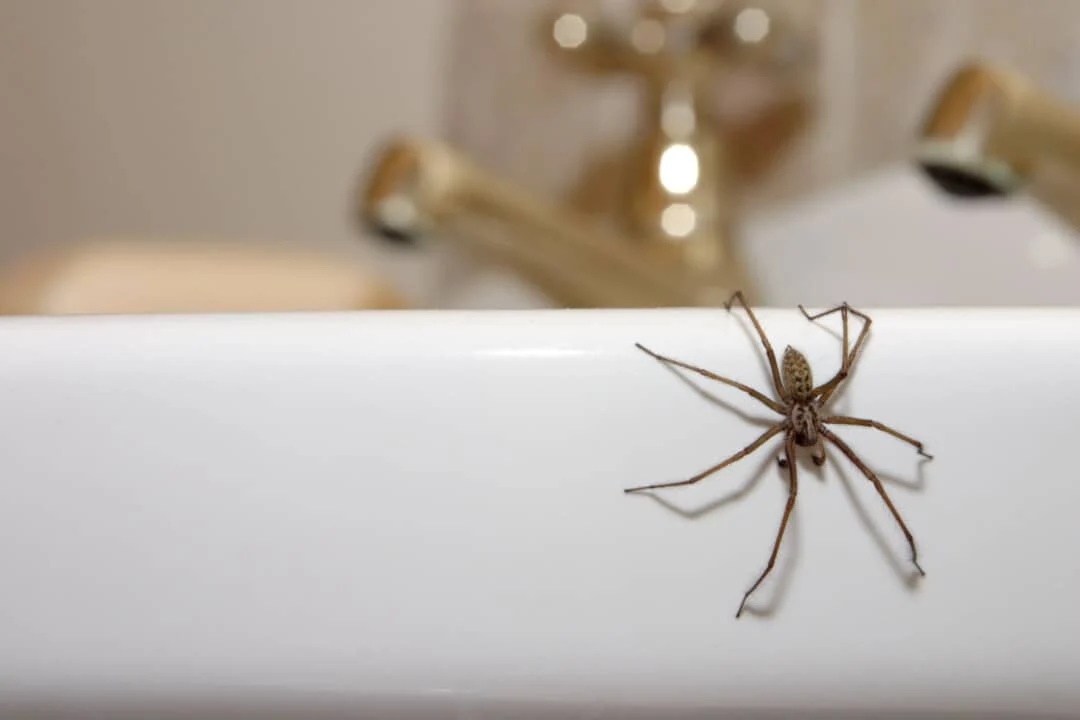
So, the next time you spot one, take a moment to appreciate their incredible design and the ancient lineage they represent, even if they’ve landed in a slightly inconvenient place.
Practical Tips for the Unwanted Visitor
So, what do you do when you find one? Panic is rarely the most effective strategy. Here are some low-fuss, eco-friendly ways to handle the situation:
- The Cup and Card Method: This is the classic. Gently place a cup over the spider, then carefully slide a piece of sturdy paper or cardstock underneath. You can then carry your new, temporary roommate outside.
- The Gentle Persuasion: Sometimes, a soft brush or a leaf can be used to gently coax the spider towards the drain or the side where you can then scoop it out. Be patient!
- The "Let Me Finish My Soak" Strategy: If it's a small spider and not bothering you, and you're nearly done, you could let it have its moment in the tub. Once you're out and have dried the tub, it will likely find its way out. (This is for the brave and the unfazed!)
- Prevention is Key: Regularly check for and seal any cracks or gaps around windows, doors, and walls. Keep your bathroom clean to minimize insect food sources. Consider a fine mesh over ventilation grates.
Remember, most house spiders are harmless and actually beneficial, as they help control populations of other, more annoying insects. A little empathy goes a long way.
A Moment of Reflection
The spider in the bath. It’s a small moment, a fleeting encounter, but it’s also a perfect microcosm of our relationship with the natural world. We build our homes, create our little pockets of comfort and cleanliness, and yet, the wild world constantly finds ways to weave itself into our lives, sometimes in the most unexpected of places.
It reminds us that we’re not entirely separate from nature. Even within the sterile confines of our bathrooms, the ancient rhythms of life, the drive for survival, and the simple act of exploration are at play. It’s a gentle nudge from the universe, a little reminder to be observant, to be a bit more understanding, and perhaps, to keep a cup and card handy.
So, the next time you’re enjoying a long, hot soak and spot a tiny, eight-legged guest, take a deep breath. It’s not a crisis; it’s just life, happening. And maybe, just maybe, you’ll find a little amusement in the sheer, accidental audacity of it all.