How Do I Reset The Abs Light
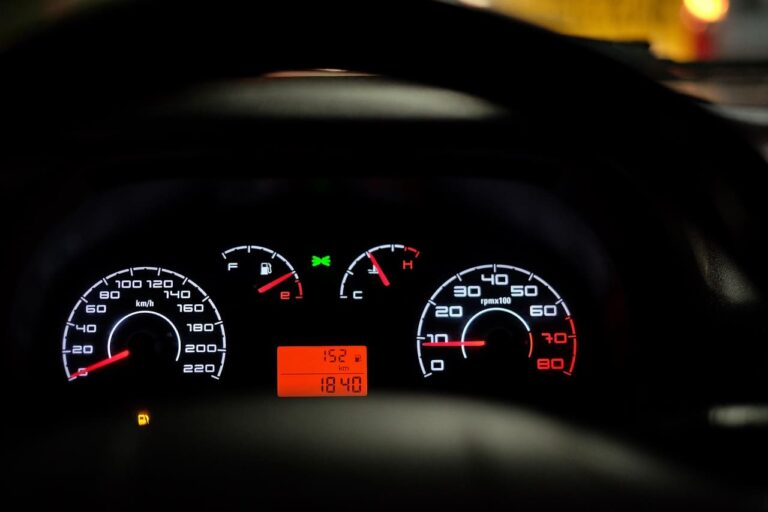
So, you’re cruising along, enjoying the ride, maybe humming your favorite tune, and then BAM! That little orange light on your dashboard decides to join the party. Yep, the ABS light. It’s like your car’s way of saying, “Psst, something’s up with the anti-lock brakes!” Now, before you start picturing a dramatic Hollywood car chase scene where your brakes mysteriously fail, let’s take a deep breath. Most of the time, this light isn’t signaling an immediate catastrophe. Think of it more as a friendly, albeit slightly alarming, nudge from your car’s sophisticated brain.
But then the question pops into your head, right? “How do I reset this thing?” It’s a totally natural thought. You’ve probably reset your Wi-Fi router a dozen times when it’s being grumpy. Why can’t your car just have a little reset button too, tucked away somewhere obvious like the volume knob?
Well, as it turns out, it’s not quite as simple as pulling the plug on your modem. Your car’s ABS system is pretty darn clever. It’s a network of sensors, a computer module, and the actual brake components all working in sync to prevent your wheels from locking up during hard braking. This is super important, especially on slippery surfaces, because it allows you to maintain steering control. Imagine trying to steer while your car is just sliding uncontrollably – not ideal, right? The ABS is like a skilled dancer, tapping the brakes ever so slightly to keep you from falling flat on your face.
Must Read
So, when that ABS light flickers on, it’s usually because one of those sensors has detected something… well, off. Maybe a wheel speed sensor is getting a bit dusty, or perhaps there’s a minor glitch in the communication between the modules. Sometimes, it’s as simple as a low battery voltage that briefly confused the system. It’s like your phone giving you a low battery warning – it doesn’t mean your phone is toast, just that it needs a little juice or a quick restart.
Now, about that reset. Here’s the thing: there isn’t a universal, magic “reset” button for the ABS light that works on every car. Your car’s computer is constantly monitoring everything, and if it finds a fault, it logs it. The light stays on as a reminder that there was a fault, even if the issue has resolved itself. Think of it like a fire alarm. If the smoke clears, the alarm usually stops. But if the system logged a “fire” event, it might need a specific process to clear that log and turn off the indicator.

So, what are your options? Let’s break it down. The most straightforward, and often most effective, way to address an ABS light is to figure out why it’s on in the first place. This is where a little detective work comes in. Remember that fire alarm analogy? You don’t just ignore it; you investigate. Is there smoke? Is there a smell? Or was it just a rogue piece of toast?
One of the simplest things you can try, especially if the light just popped on and you haven’t noticed any issues with your braking performance, is to simply turn the car off and then back on again. This is the automotive equivalent of a hard reboot. Sometimes, a temporary glitch can be cleared with this simple act. It’s like when your computer freezes, and holding down the power button for a few seconds does the trick. Give it a go! Drive around for a bit after the restart. If the light stays off, you might have just experienced a fleeting digital hiccup.
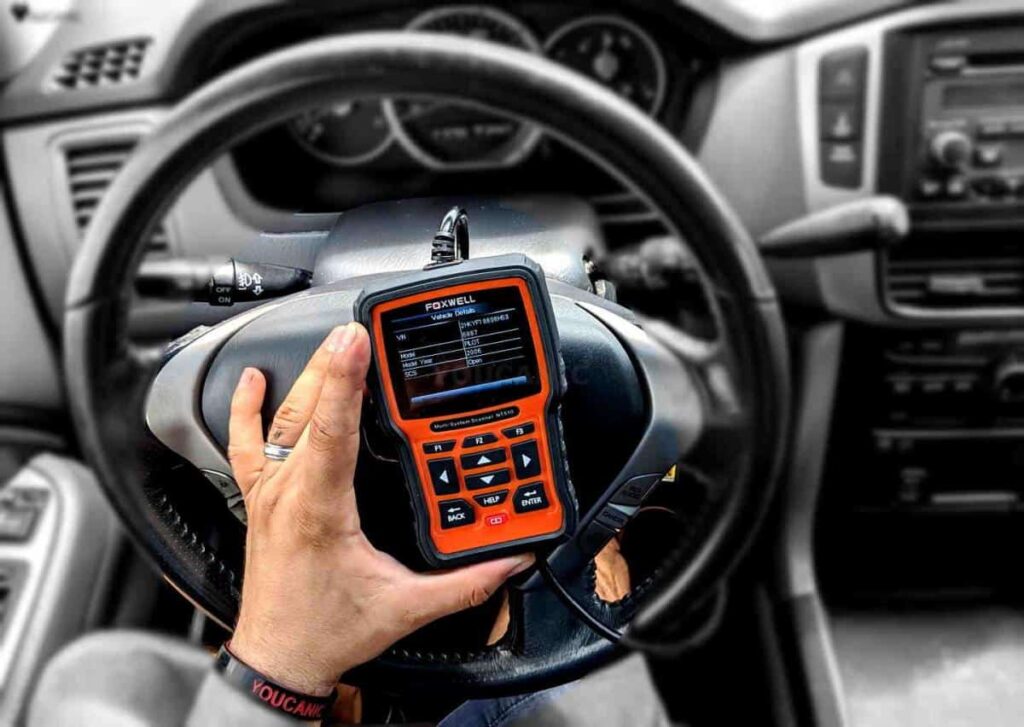
If that doesn’t work, or if the light comes back on fairly quickly, it’s time to get a bit more serious. This is where we venture into the realm of diagnostic tools. You see, modern cars are packed with computers, and each one speaks a special language. When the ABS light is on, it means the ABS control module has stored a “trouble code” in its memory. To understand what that code means, you need a special scanner – an OBD-II scanner, to be precise.

These scanners plug into a port under your dashboard (usually near the steering wheel). They can read those stored codes and tell you, in plain English (or at least, a coded version of it!), what the problem might be. It’s like having a doctor who can read X-rays and MRIs for your car. You can buy these scanners yourself – they’re surprisingly affordable these days and can save you a lot of money on diagnostic fees at a mechanic.
Once you have the code, you can often do some research online. Many auto parts stores will even let you borrow an OBD-II scanner for free if you’re purchasing parts from them. They might even be able to read the codes for you. It’s like a friendly neighborhood mechanic offering a quick peek under the hood.
Let’s say the code points to a faulty wheel speed sensor. These sensors are crucial for telling the ABS system how fast each wheel is spinning. If one is acting up, the system doesn’t have accurate information. Sometimes, these sensors just get dirty. A good cleaning might do the trick. Other times, the sensor itself might need replacing. This can be a DIY job for the more mechanically inclined, or a relatively straightforward repair for a professional.

What if the code indicates a problem with the ABS pump or module? These are usually more significant issues and might require a visit to a qualified mechanic. It’s like realizing your phone’s motherboard is fried – it’s a bit more than a quick fix.
Now, for the actual reset process after a repair or when the system has self-corrected. Many times, once the underlying issue is resolved, the ABS light will turn off on its own after a few drive cycles. A “drive cycle” is basically starting the car, driving it for a bit (usually a combination of city and highway speeds), and then turning it off. The car’s computer runs a self-test each time. If the problem is gone, the light should extinguish itself.
However, sometimes, the light might need a specific reset procedure that involves clearing the codes with that OBD-II scanner. If you’ve fixed the problem (or if you believe the problem was a temporary glitch), you can use the scanner to erase the stored fault codes. This is the closest you’ll get to a manual reset button for the ABS light.

It’s important to note that you should never ignore a persistently illuminated ABS light. While it might not mean your brakes are about to completely fail, it does mean that your anti-lock braking system is not functioning correctly. This can significantly impact your ability to stop safely, especially in emergency situations. Think of it like your phone’s autocorrect feature not working – it’s annoying, and it can lead to some embarrassing mistakes!
In summary, resetting the ABS light isn’t usually about finding a hidden button. It’s more about understanding that the light is an indicator of a potential problem. The best approach is to:
- Observe: Does the light stay on constantly? Does it come and go? Have you noticed any changes in your braking?
- Restart: Try turning the car off and on again. It’s the easiest first step.
- Diagnose: If the light persists, use an OBD-II scanner to read the trouble codes.
- Repair: Address the issue indicated by the codes.
- Clear Codes: Use the scanner to erase the codes once the problem is fixed.
And of course, if you’re ever unsure or the problem seems complex, don’t hesitate to consult a trusted mechanic. They have the tools and expertise to get your car back in tip-top shape. So, the next time that little orange light pops up, don’t panic. Approach it with curiosity, a bit of patience, and maybe even a willingness to learn a little more about the amazing technology that keeps you safe on the road. Happy driving!