How Do I Read My Gas Meter

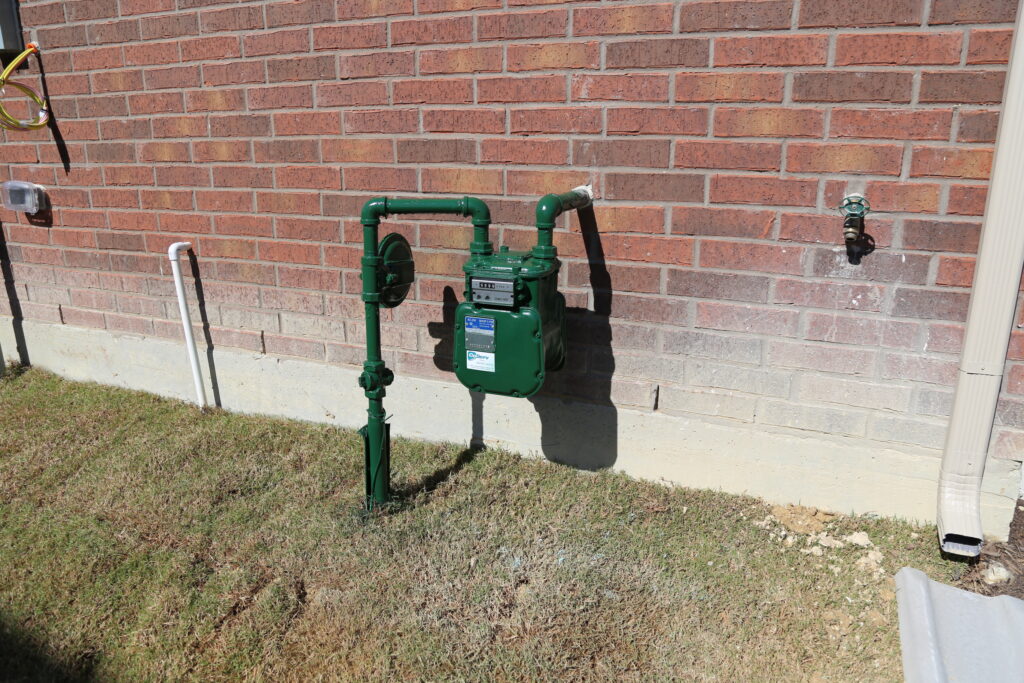
Ever find yourself staring at that little box on the wall, maybe in your basement, garage, or even outside, wondering what all those numbers mean? Yep, we're talking about your gas meter! It might seem a bit mundane, a utilitarian piece of equipment, but understanding how to read it can be surprisingly satisfying and even a little bit fun. Think of it as unlocking a secret language your house speaks about its energy consumption. It’s like being a detective for your own home!
So, what exactly is this contraption's job? Its primary purpose is pretty straightforward: it measures and records the volume of natural gas your home uses. This is crucial for your gas utility company to accurately bill you for your consumption. But the benefits extend beyond just getting a correct bill. Knowing how to read your meter empowers you to become more energy-aware. You can track your usage, identify potential spikes (perhaps after a particularly long shower or a chilly spell where the thermostat was cranked high), and even spot potential leaks if you notice unusual readings. It’s a powerful tool for managing your household budget and ensuring the safety and efficiency of your home's gas supply.
Learning to read your gas meter isn't just for grown-ups paying bills. It can be a fantastic educational tool for kids! Imagine a science lesson where children learn about measurement, data collection, and the importance of conserving resources. They can track gas usage over a week and see how actions like turning down the thermostat or taking shorter showers can impact the numbers. In daily life, beyond the billing aspect, it's incredibly practical. If you're planning a home renovation that involves gas appliances, understanding your current usage can help you make informed decisions. Or perhaps you're going on vacation and want to ensure everything is shut off properly – a quick meter check can offer peace of mind. It’s also invaluable for troubleshooting or discussing issues with your gas provider; having your own readings ready can make those conversations much more productive.
Must Read
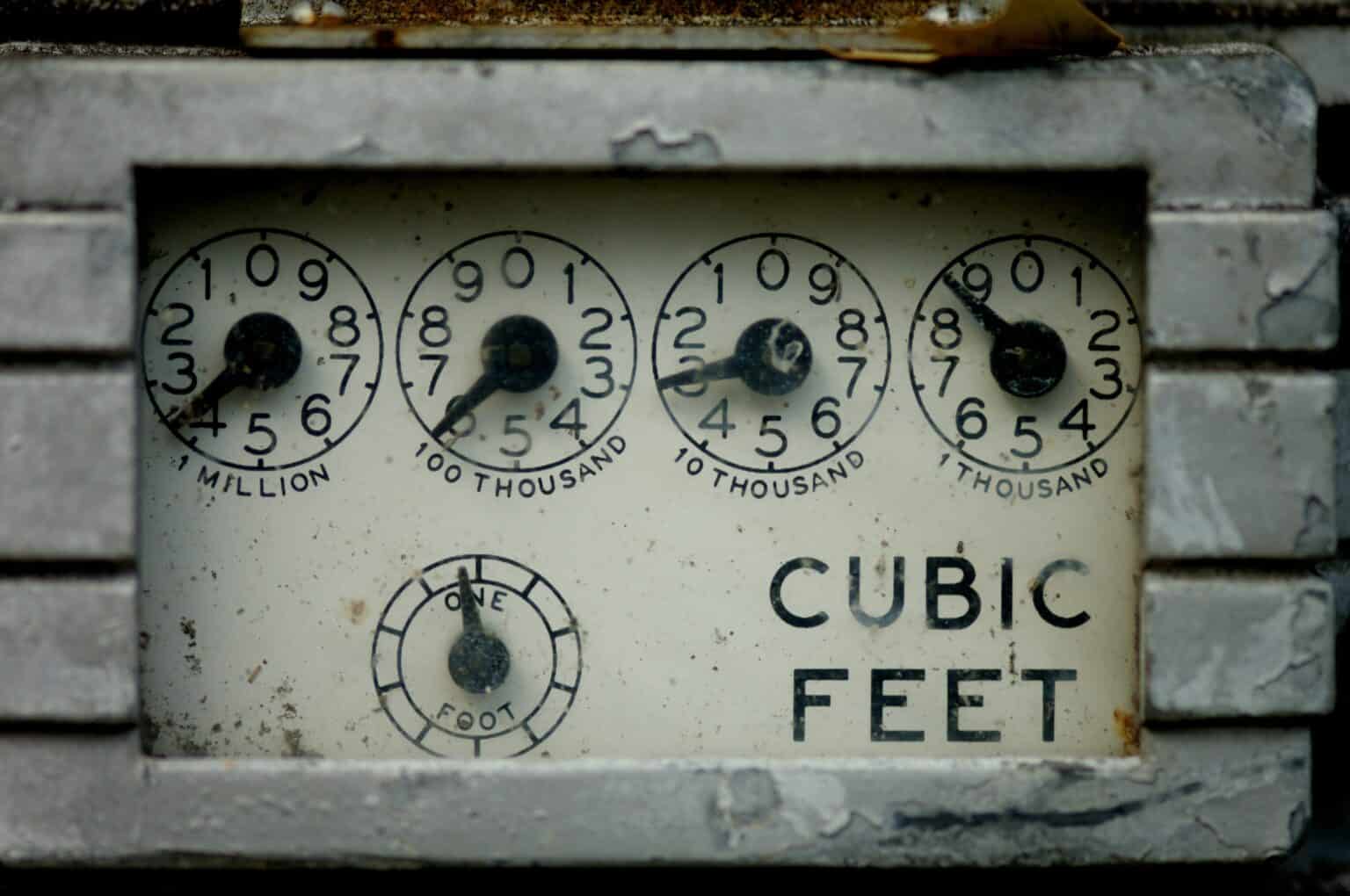
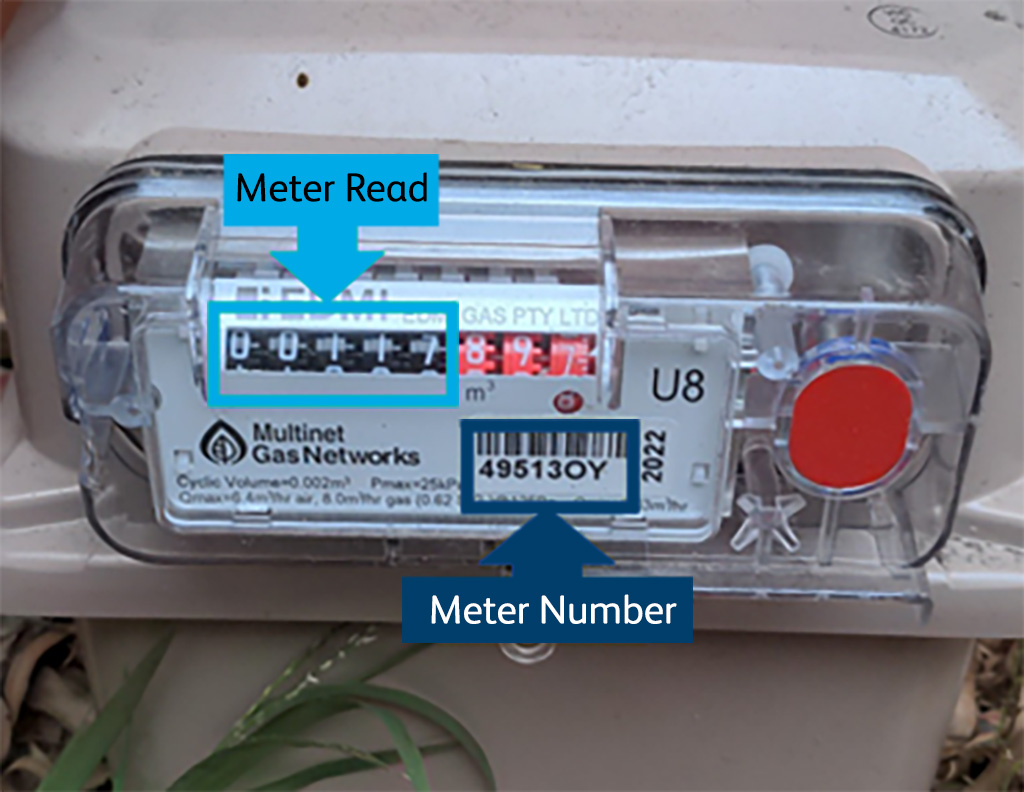
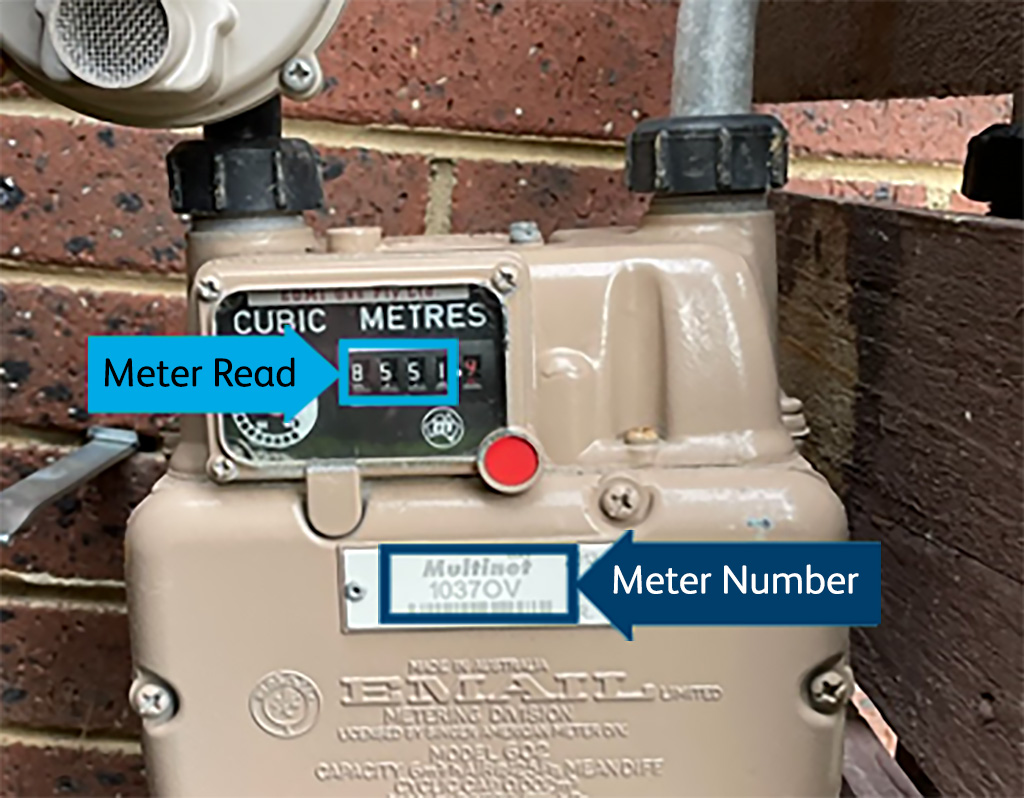
Ready to dive in and explore your meter? The most common type you'll encounter is the dial meter. These look a lot like old-fashioned electricity meters, with a series of dials that spin as gas is used. Most have four or five dials. You read them from left to right. Each dial represents a different unit of measurement (usually hundreds of thousands, tens of thousands, thousands, and hundreds of cubic feet). The trick here is to look at the direction the hands are pointing. If a hand is between two numbers, you always round down to the lower number. If a hand is pointing exactly on a number, use that number. If there’s a dial that shows fractions, you can often ignore it for billing purposes. Another common type is the digital meter, which simply displays a string of numbers, much like a digital odometer on a car. This is the easiest to read – just jot down the numbers as you see them!
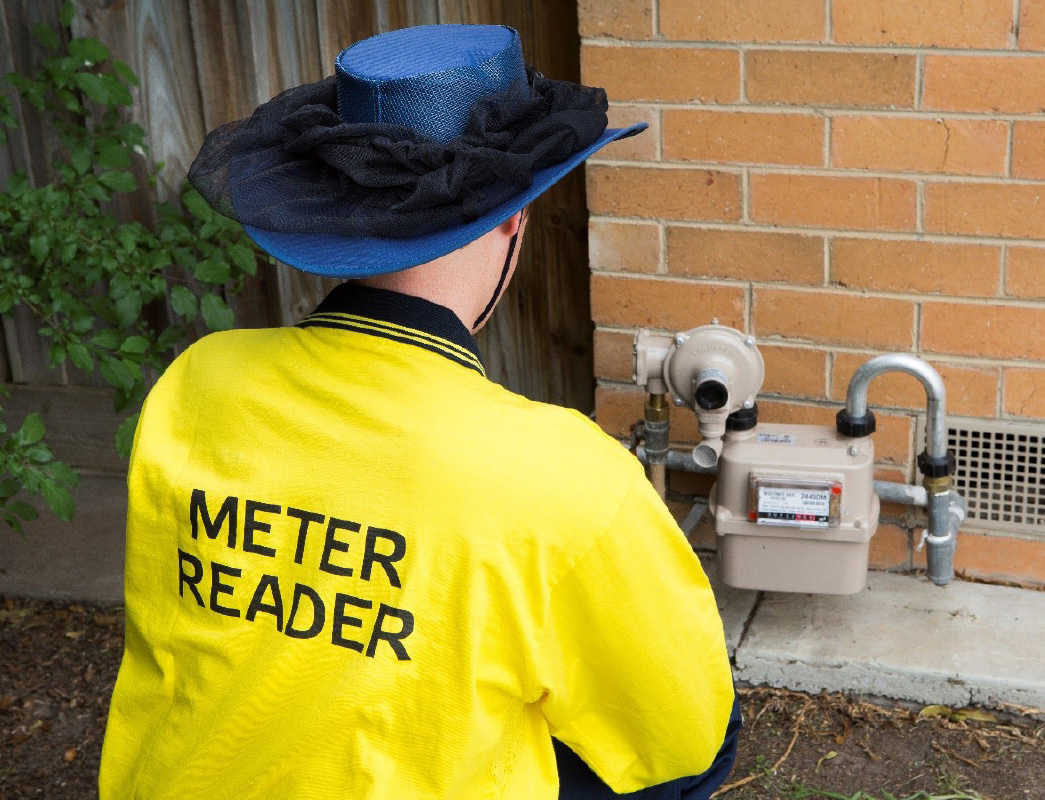
To get hands-on experience, try this: take a moment to locate your meter. Note its position and any identifying numbers. Then, try reading it. Write down the numbers. A few hours later, or the next day, read it again and see how much it has changed. This simple exercise will help you become familiar with its workings. If you're unsure about your meter type or how to interpret the readings, don't hesitate to check your gas company's website; they often have helpful guides and videos. It's a small skill that can offer a big sense of understanding and control over your home's energy story!