How Do I Read A Water Meter

Ever stare at that little contraption outside your house, looking all official and mysterious, and wonder what the heck it’s telling you? You know the one. It’s usually tucked away in a little concrete box, like a tiny, uninvited guest who’s decided to set up permanent residence near your driveway. Yep, we’re talking about your water meter. For most of us, it’s about as familiar as that one sock that mysteriously disappears in the laundry – you know it’s there, you vaguely understand its purpose, but actually interacting with it? A whole different ballgame.
Maybe you’ve had that moment. You get a water bill that seems a tad higher than usual, and you start picturing all the water you’ve used. Was it that marathon shower session where you solved all the world’s problems, or that time you accidentally left the sprinkler on for three days straight trying to make your lawn the envy of the entire neighborhood (it probably looked more like a swamp, let’s be honest)? Or perhaps you’re just curious, a modern-day Sherlock Holmes of H2O consumption. Whatever the reason, deciphering your water meter is a surprisingly simple skill that can save you from bill-induced headaches and, let’s face it, boost your domestic detective cred.
Think of your water meter as the official scorekeeper for your household’s water usage. It’s constantly counting every gallon, every liter, every precious drop that flows through your pipes. It’s like that super-enthusiastic Fitbit for your faucets, toilets, and showerheads. Except, instead of steps, it’s tracking the adventures of water from the city’s reservoir right into your home, and then, well, on its merry way. Pretty neat, huh?
Must Read
The Great Water Meter Unveiling: What Does It Actually Look Like?
Alright, so first things first: you gotta find the darn thing. Most often, it’s lurking in a buried box near the edge of your property, typically where your lawn meets the sidewalk or the street. It’s usually a gray or green plastic or metal lid. Sometimes, it’s so well hidden, you’d think it’s playing a game of hide-and-seek with the squirrels. If you’re really stumped, a quick peek at your property survey map (if you have one that’s not currently propping up a wobbly table) or a friendly chat with your water company might point you in the right direction. They deal with these guys all the time, so they’re basically the water meter whisperers.
Once you’ve located the treasure chest (or, you know, the meter box), you’ll need to get it open. These lids can sometimes be a bit stubborn, like a toddler refusing to wear socks. A flathead screwdriver or a sturdy trowel can often do the trick. Just be gentle; we’re not trying to win a strength competition here, just access our watery intel.
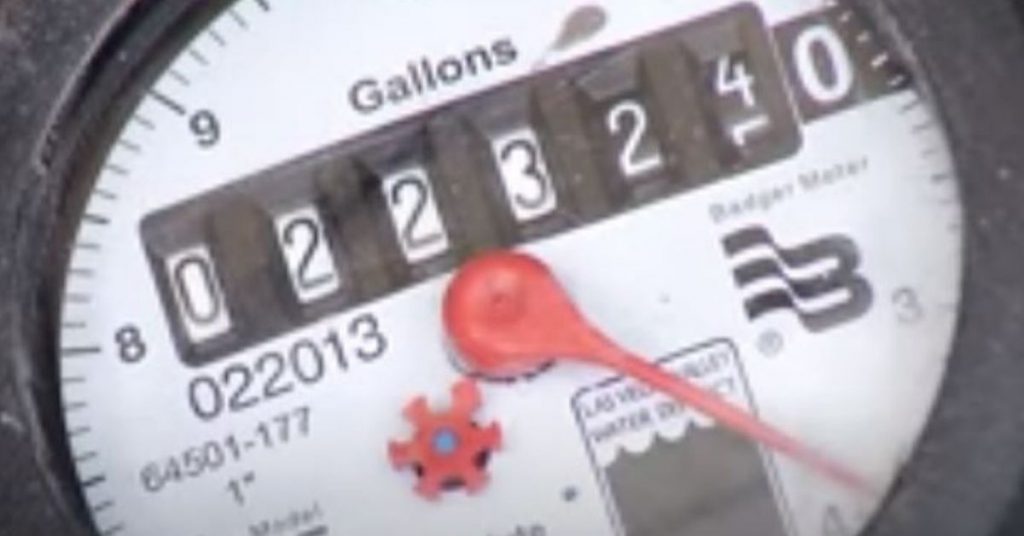
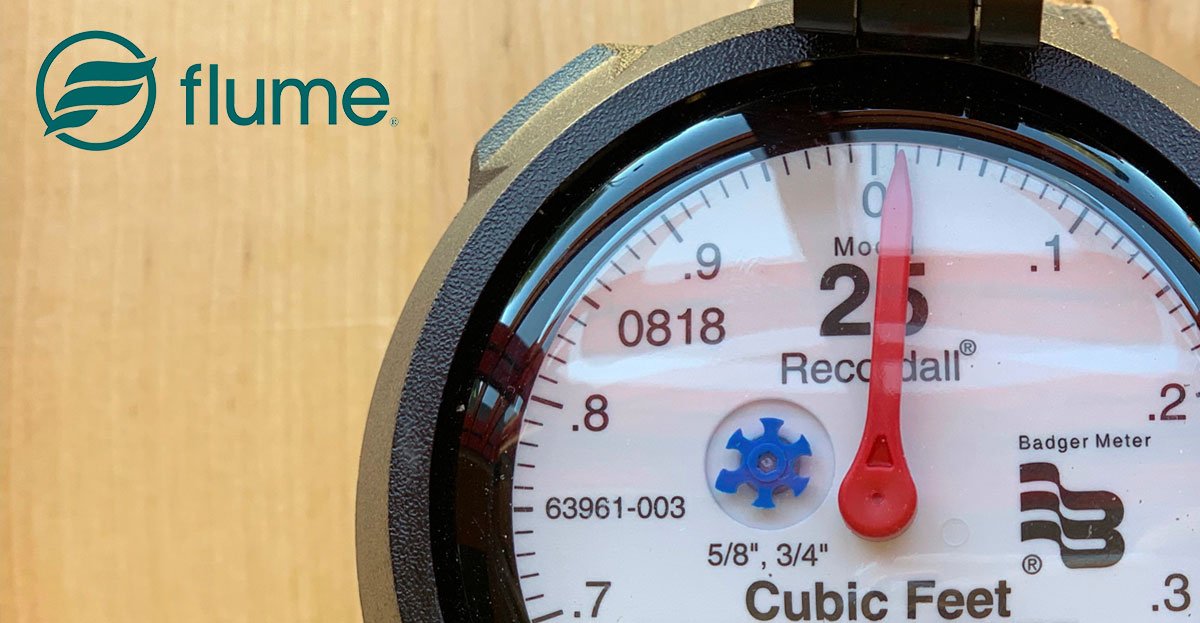
Inside, nestled among a bit of dirt, maybe a rogue earthworm, and possibly the lost cap from your favorite pen, you’ll find the star of our show: the water meter itself. It usually has a clear glass or plastic face, and behind it, you’ll see a collection of numbers and dials. It’s not exactly a Jackson Pollock painting, but it’s got its own unique charm.
Decoding the Digits: What Are All Those Numbers and Dials For?
Now for the exciting part – the actual reading! Don’t let the complexity fool you; it’s less complicated than assembling IKEA furniture. Most modern water meters have a digital display, which is a lifesaver. It’s like going from trying to read ancient hieroglyphs to reading a digital clock. Much more straightforward. These usually show a series of numbers, often in black and white. The numbers indicate the total volume of water that has passed through the meter since it was last reset. Think of it as the meter’s permanent record, its life story told in cubic feet or gallons.
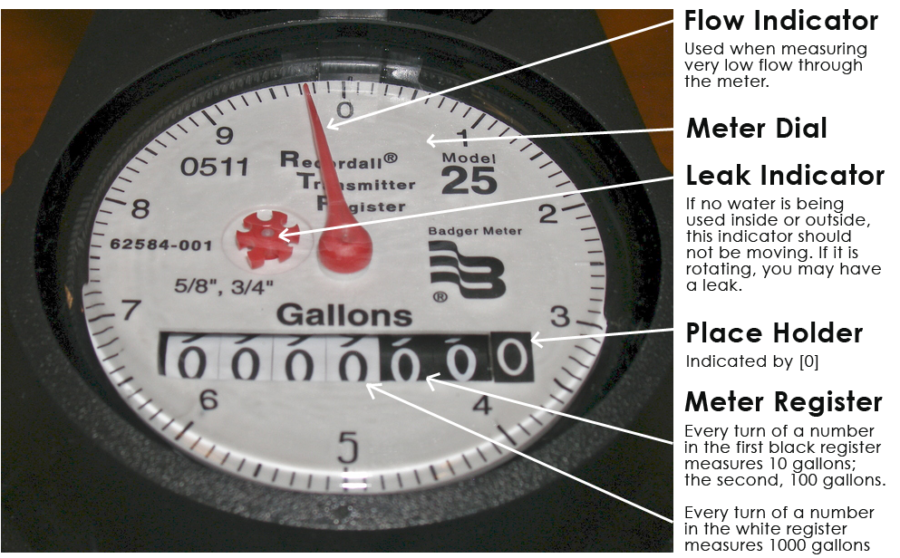
For these digital displays, you’re generally looking for the main set of numbers. There might be other smaller numbers or symbols around the edges, like a decimal point or indicators for units (like "GALLONS" or "CU FT"). Just focus on the big, bold digits that are marching across the screen. Those are your primary usage figures.
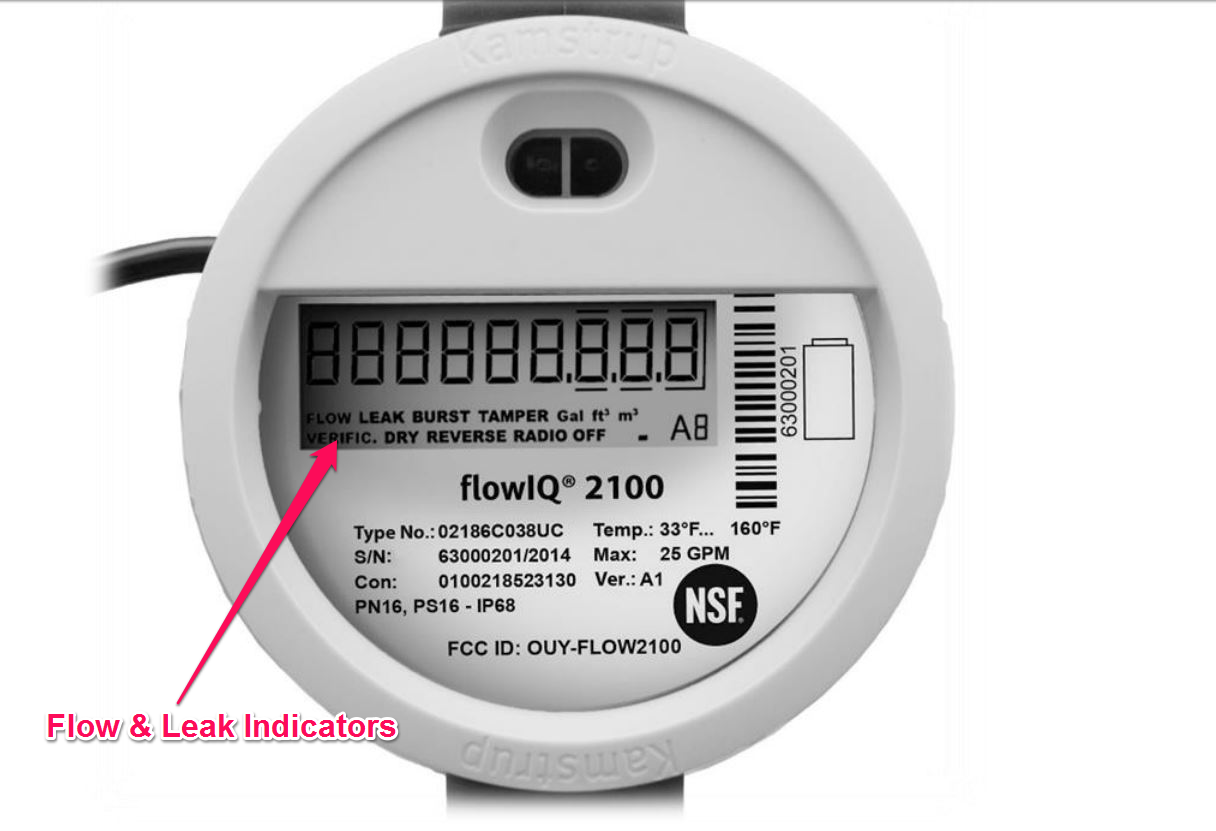
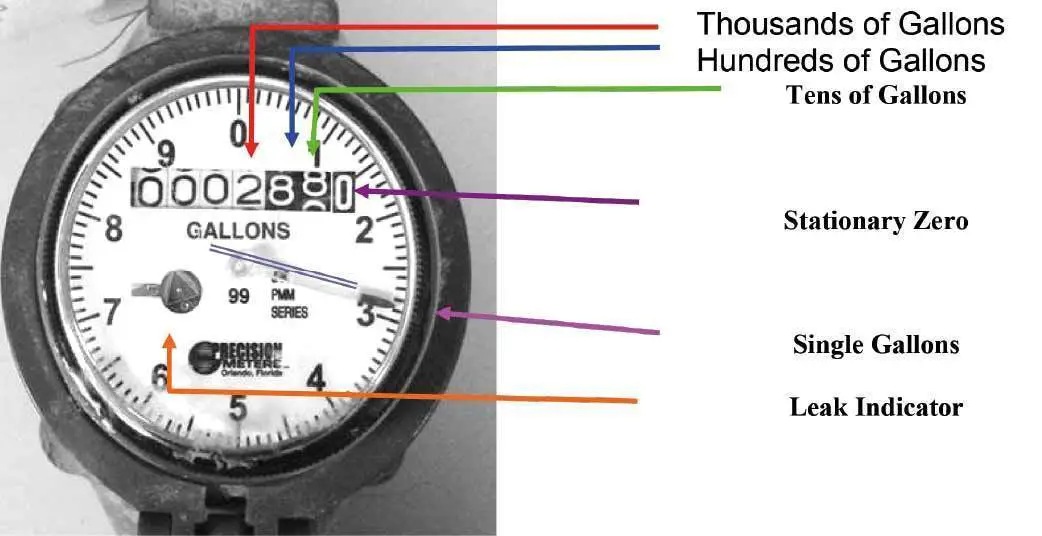
Now, if you’re rocking a slightly older, but still perfectly functional, analog meter, things get a smidge more interesting. These beauties have a series of dials, kind of like the gauges on a vintage car dashboard. You’ll see several dials, each with a pointer. The pointers move as water flows. It’s like watching tiny race cars on a circular track!
Here’s the trick with analog dials: they work in a series, from left to right, representing different magnitudes of measurement. The dial on the far right usually measures the smallest increments (like tenths of a gallon or cubic feet), and as you move left, the dials represent increasingly larger units – ones, tens, hundreds, thousands, and so on. It’s like a mathematical domino effect.
Pro Tip: Some analog meters have a small dial that spins rapidly. This is a low-flow indicator. If you see it spinning when all your faucets are off and your toilets aren't flushing, it's a sign you might have a leak! It’s like a tiny water leak alarm system, just constantly whirring away.
Taking Your First Reading: A Step-by-Step Adventure
So, you’ve found the meter, you’ve identified the numbers or dials. Now what? Time for the actual reading. It’s like taking a photo of your meter’s current state. You’ll want to do this at a specific time, especially if you’re trying to track usage over a period.
Step 1: Find Your Starting Point. If this is your very first time, just write down the numbers you see. If you’re tracking usage (say, between two billings), you’ll want to know the reading from the previous time you checked or the reading on your last bill. This is crucial for calculating how much water you've actually used.
Step 2: Record the Numbers (or Dial Positions). For digital meters, simply write down the numbers displayed. Easy peasy. For analog meters, you’ll need to read each dial carefully. Look at where the pointer is pointing. If it’s precisely on a number, great. If it’s between two numbers, you need to determine which number it has passed. This is where things can get a little tricky if you’re not careful. Always round down to the nearest whole number that the pointer has passed. For example, if a pointer is between a 4 and a 5, and it’s clearly past the 4, you record it as 4. It’s like saying, "Okay, we've definitely finished this number, but we haven't quite gotten to the next one yet."
Step 3: Note the Units. This is super important! Is your meter measuring in gallons, cubic feet, or something else? This information is usually printed on the meter face itself or near the dials. Your water bill will also specify the units they use, so make sure they match up. A cubic foot is roughly 7.48 gallons, so a mismatch here can lead to some serious bill shock!
Step 4: (Optional, but highly recommended) Take a Photo! In this day and age, our phones are practically extensions of our hands. Snap a clear picture of your meter reading. This is your backup! It’s like having a receipt for your meter reading. If there’s ever a dispute or you forget what you wrote down, your photo is your trusty witness.
Putting It All Together: Calculating Your Water Usage
Okay, so you’ve got two readings: your current one and your previous one. Now it’s time for a little bit of arithmetic. This is where you get to be the financial wizard of your own household.
The Formula: Current Reading - Previous Reading = Water Used
Let’s say your previous reading was 12345 units, and your current reading is 12500 units. All you do is subtract:
12500 - 12345 = 155 units of water used.
See? Not a calculus problem. More like elementary school math, but with more significant consequences for your wallet. This is the number that your water company uses to calculate your bill. If you’re trying to figure out where all that water went, this is your starting point.
For instance, if you notice a big jump in usage over a short period, and you know you haven’t been filling a swimming pool or washing your car with a fire hose, it might be time to investigate for leaks. A small, constant drip can add up faster than you’d think. It’s like that tiny hole in your favorite coffee mug – it seems insignificant until you notice how much coffee is mysteriously disappearing!
When To Read Your Meter and Why It Matters
So, when should you become a meter-reading enthusiast? Well, there are a few prime times:
- When you get your bill: Compare the reading on your bill to the actual reading on your meter. This is your chance to catch any errors the water company might have made. They’re human (mostly), and mistakes happen! It’s like proofreading an essay; you want to make sure everything is as it should be.
- If you suspect a leak: This is a biggie. Turn off all water inside and outside your house. Then, check your meter. If the dials are moving or the digital display is changing, you’ve got a leak. It could be a leaky toilet flapper (that phantom runner you hear at 3 AM), a dripping faucet, or something more substantial underground.
- Before and after a period of high usage: Planning a big garden watering session? Hosting a party with lots of guests? Reading your meter before and after can give you a good idea of the impact on your usage.
- Just out of curiosity! Honestly, it’s kind of satisfying to understand where your money is going. It’s empowering to know you’re the master of your own water destiny.
Understanding your water meter is more than just a quirky skill; it’s a way to be more in control of your household’s resources and your budget. It demystifies that little box outside your house and turns it from a confusing enigma into a helpful tool. So, next time you’re out and about, give your water meter a friendly nod. It’s been working hard for you, and now, you’re in on the secret!