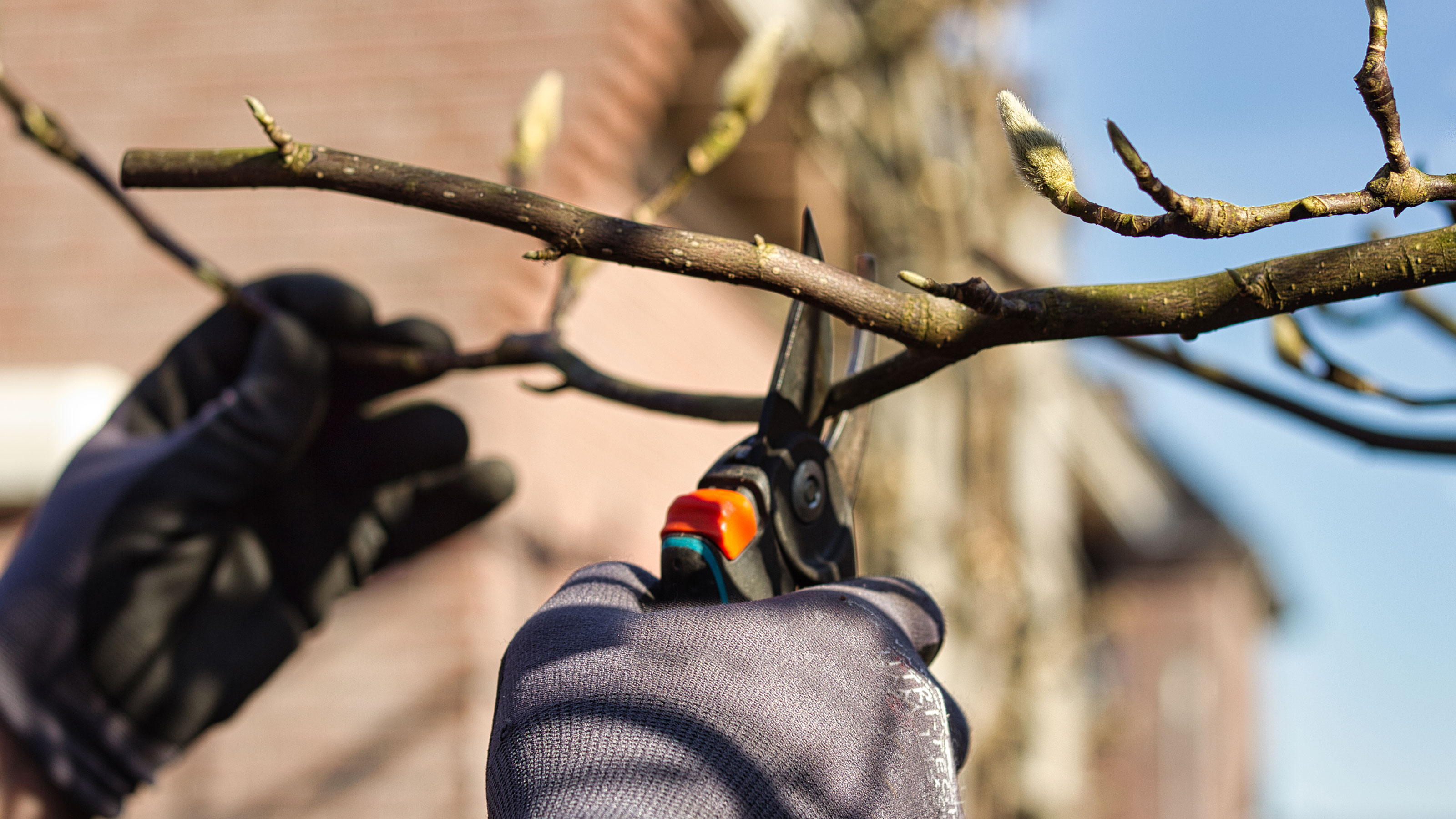
How Do I Prune A Magnolia Tree

Alright, settle in, grab a cuppa, and let's talk about Magnolias. You know, those majestic queens of the garden, the ones that look like they stepped right out of a fairytale? Yeah, those. And you, my friend, have decided it's time to get your hands dirty and give yours a little haircut. Brave! Don't worry, it's not as intimidating as trying to assemble IKEA furniture blindfolded. We’re just going to chat about how to prune a Magnolia tree, and by the end of this, you'll be wielding your secateurs like a seasoned pro. Or at least, you’ll know why you’re doing it, which is half the battle, right?
First off, let's address the elephant in the room, or rather, the magnificent, possibly enormous tree in your yard. Magnolias are generally pretty chill. They don't usually need a whole lot of drastic pruning. Think of it less like a buzz cut and more like a gentle spa day for your tree. We're not trying to sculpt it into a poodle here, unless your poodle happens to be the size of a small car and smells faintly of jasmine. In which case, power to you!
So, why prune at all? Well, there are a few good reasons. Health is a big one. Just like us, trees can get sick, injured, or just plain cluttered. Removing dead, damaged, or diseased branches is like clearing out that drawer in your kitchen that's overflowing with mystery gadgets and expired coupons. It makes the whole system function better. Plus, it prevents those nasty bits from spreading their gloom and doom to the rest of the tree. No one wants a tree with a cold!
Must Read
Then there's the shape. Some Magnolias, especially the grand old dames, can get a bit… wild. If branches are rubbing against each other (tree gossip, basically), or if one’s hogging all the sunlight like a diva at a red carpet event, a little trim can set things right. We want a balanced, graceful tree, not one that looks like it’s perpetually doing a yoga pose it can’t quite hold.
And finally, airflow. Yes, trees appreciate a good breeze. If your Magnolia is looking like a dense, leafy fortress, pruning can open it up, allowing air to circulate. This is good for the tree's lungs (metaphorically speaking) and helps prevent fungal diseases. Think of it as giving your tree a nice, deep breath of fresh air.
When is the Best Time to Give Your Magnolia a Makeover?
This is crucial, folks. Pruning at the wrong time is like wearing socks with sandals to a formal event – just not a good look. For most Magnolias, the best time to prune is right after they've finished flowering. Why? Because they bloom on old wood. If you go hacking away in the winter, you'll be chopping off all those gorgeous buds that will eventually turn into those stunning, fragrant blooms. Imagine your neighbor’s face when they see your bare Magnolia next spring while theirs is a riot of color. Ouch.
So, if your Magnolia is a spring bloomer, think late spring or early summer. If it’s a summer bloomer, wait until after those flowers have waved their final goodbye. It's like giving a standing ovation to the show before tidying up the stage. Easy peasy.

What Tools Do You Need for This Horticultural Spa Day?
You don’t need a chainsaw the size of a small elephant, thankfully. For most pruning jobs on a Magnolia, you’ll be perfectly fine with these trusty companions:
1. Hand Pruners (Secateurs): These are your everyday scissors for trees. For branches up to about ½ inch in diameter. Get a good, sharp pair. A dull tool is like trying to chop a steak with a butter knife – frustrating and messy.
2. Loppers: These are like hand pruners on steroids, with long handles that give you leverage. Great for branches from ½ inch up to about 1 ½ inches. They’re your workhorses for slightly thicker limbs.
3. Pruning Saw: For anything bigger than your arm (okay, maybe not that big, but thicker than 1 ½ inches), you’ll need a pruning saw. There are bow saws and folding saws. Just make sure it's designed for pruning. Again, sharpness is key. A clean cut heals faster.
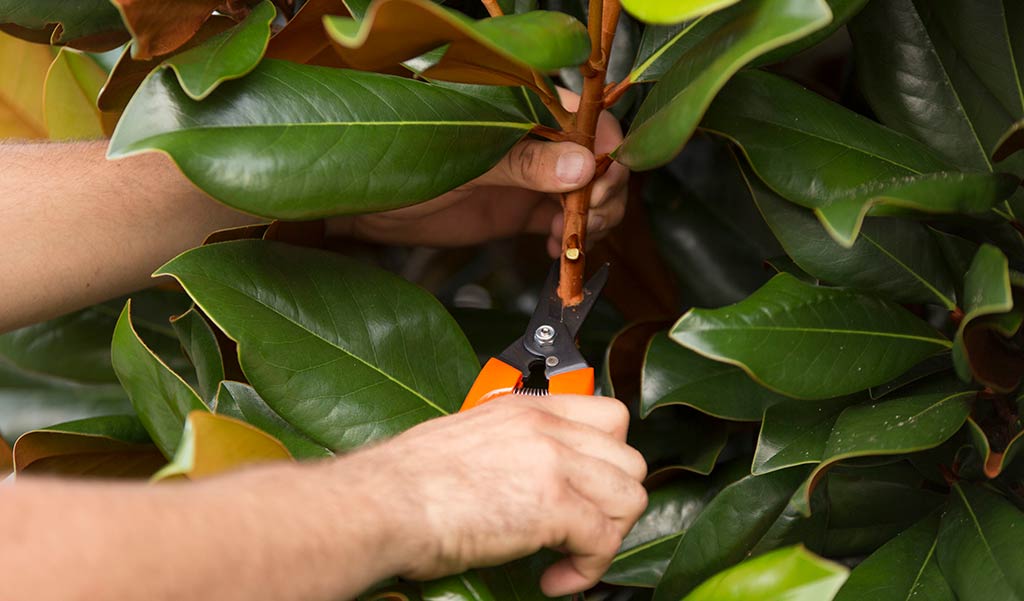
4. Safety Gear: Don’t be a hero! Wear gardening gloves to protect your hands from splinters and sap. And if you’re dealing with any branches that might come down with a bit of oomph, consider some safety glasses. We’re aiming for a beautiful tree, not a trip to the ER.
The Actual Pruning: What to Cut and How
Alright, here’s where the magic (or at least, the gardening) happens. Remember, we’re aiming for gentle refinement, not a dramatic overhaul.
1. Step Back and Assess: Before you even touch a branch, take a moment. Walk around your tree. What’s bugging you? Is there a branch that’s growing straight into a wall? Is there a dead, twiggy mess up there that looks like a bird's forgotten nest? Visualize what you want your tree to look like. Think of it as a pre-pruning meditation.
2. The "Three D's" Rule: Dead, Damaged, Diseased. This is your starting point. Grab your pruners and go on a hunt for anything that looks… sad. Dead branches are usually brown and brittle. Damaged branches might be cracked or snapped. Diseased branches can have strange spots or wilting. Cut these out. Make your cut just outside the branch collar, which is that slightly swollen area where the branch meets the trunk. Don’t cut flush to the trunk, and don’t leave a long stub. Think of it as a neat, respectful removal.
3. Crossing and Rubbing Branches: If two branches are doing the tango and bumping into each other, they’re going to rub and cause damage. You need to choose one to remove. Often, the weaker or more awkwardly placed branch is the one to go. Imagine two siblings constantly squabbling; you’d gently separate them, right? Same principle here.

4. Water Sprouts and Suckers: These are those fast-growing, often vertical shoots that emerge from the trunk or main branches (water sprouts) or from the base of the tree (suckers). They’re like the tree’s enthusiastic but slightly uninvited guests. They drain energy from the rest of the tree and can make it look messy. Snip them off at their origin.
5. Thinning for Airflow: If your tree is looking a bit too crowded, you can thin it out. This involves removing a few select branches to allow more light and air to penetrate. Don't go overboard; we’re not trying to create a skeleton. Aim for a natural, open shape. Remove branches that are growing inwards or directly towards the center of the tree.
6. The "Drop-Crotch" Cut: This is for larger branches. If you need to remove a big branch, and it’s too heavy to just let it fall, you can use a three-cut method. First, make an undercut a foot or so out from the trunk. Then, make a second cut from the top, a few inches further out than the first cut, until the branch breaks off. This prevents the bark from tearing down the trunk. Finally, make your clean pruning cut just outside the branch collar. This is the horticultural equivalent of a controlled demolition.
What NOT to Do: Common Magnolia Pruning Pitfalls
Okay, let’s talk about the big no-nos. The things that will make your Magnolia weep (or at least, look very sad).

1. Topping: This is the cardinal sin of tree pruning. Topping involves cutting off all the main branches at random points, leaving stubs. It’s like giving your tree a bad haircut that will never grow back properly. It creates weak regrowth, is ugly, and is incredibly harmful to the tree. Never, ever top your Magnolia. Seriously, don't do it. You’ll regret it, and so will your tree.
2. Pruning Too Much: Aim to remove no more than 25% of the tree's canopy in a single year. More than that can stress the tree and make it vulnerable. Less is often more when it comes to Magnolias.
3. Using Dirty Tools: I mentioned this, but it bears repeating. Dirty tools can spread diseases. Keep your secateurs and saws clean and sharp. It’s like washing your hands before you cook.
4. Pruning at the Wrong Time: We covered this, but it’s worth a final reminder. After flowering is your golden window.
There you have it! Pruning a Magnolia tree isn't rocket science, or even advanced calculus. It's about observation, a few good tools, and a gentle hand. Think of yourself as a tree whisperer, a guardian of garden glory. And who knows, with a little judicious snipping, your Magnolia might just reward you with even more of those spectacular blooms. Happy pruning!