How Do I Know If My Dog Is Deaf
Hey there, fellow dog lovers! Ever found yourself in a hilarious situation with your furry best friend, wondering if they’re just being a little… aloof? Or maybe you’ve noticed a few quirky behaviors lately and your mind has gone to the pups-ibilities. One thing that might pop into your head is, "Could my dog be going deaf?"
It's a question that can sound a bit daunting at first, right? But let’s reframe this. Instead of "deaf," let's think of it as "differently-abled" or "hearing-impaired." Because honestly, a dog’s love isn't measured in decibels! Plus, discovering your dog has hearing loss can actually open up a whole new world of fun, communication, and even deeper bonding. Seriously!
So, How Do You Know If Your Dog is Losing Their Hearing?
You know your dog better than anyone. You know their quirks, their snores, the way they wiggle their ears when they’re excited. So, trusting your gut is the first and most important step.
Must Read
Let's dive into some common signs. Think of it like a fun little detective mission, where the prize is understanding your dog even better!
The Classic "Selective Hearing" (Or Is It?)
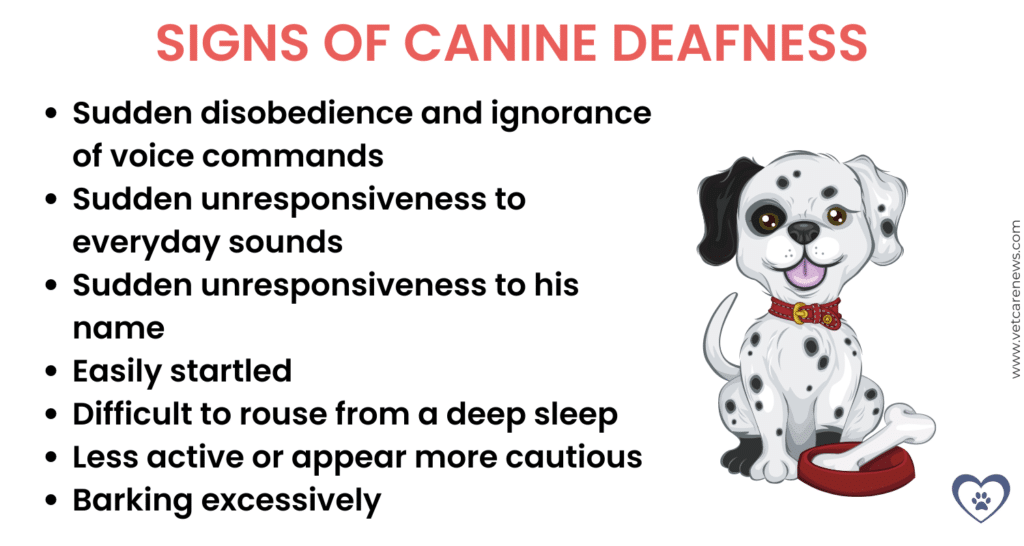
Does your dog magically become deaf when you call their name, but suddenly sprout supersonic hearing when you open a bag of treats? We’ve all been there! But if this is happening more and more, and they’re not responding even to louder noises or your usual vocal cues, it might be time to pay closer attention.
Think about it: are they missing the doorbell? Do they not perk up when you say their favorite toy’s name? Are they sleeping through things that used to wake them up?

The "Where Did You Come From?" Surprise
One of the most telling signs is when your dog gets startled easily. If you walk up behind them and they jump a mile, it could be because they didn’t hear you approaching. This is especially common if they’re sleeping or deeply engrossed in a nap (which, let's be honest, is a significant portion of their day!).
This can be a little worrying at first, but it’s also a chance to learn how to approach them more gently and ensure their safety. No one likes a good scare, right?
Your Dog is Suddenly More… Clingy?
Sometimes, dogs who are experiencing hearing loss might become more anxious or clingy. They might feel a bit more vulnerable without the auditory cues they’re used to. If your usually independent pup is suddenly shadowing your every move, it’s worth considering their hearing.
It’s their way of saying, "Hey, I feel a little less secure, so I’m sticking close to my favorite human!" How sweet is that?

Changes in Barking or Vocalizations
This one can be a bit more subtle. Some dogs might bark more loudly because they can't gauge their own volume. Others might bark less or change the pitch of their barks.
Have you noticed your dog's barks sounding different? Are they louder, softer, or just… off? Pay attention to the nuances of their communication. They’re still trying to talk to you, just in a slightly different dialect!
The "No Response to High-Frequency Sounds" Test
This is where you can do a little at-home experimenting. Try making high-frequency sounds that might not be as obvious to you but are typically audible to dogs. Think of a squeaky toy you might have gotten rid of because it was too annoying for you. Or, even better, there are specific dog whistles designed for this purpose (though always use these with caution and for short durations).
If your dog doesn't even twitch an ear at sounds that used to get their attention, it's a clue. But remember, this isn't a definitive diagnostic tool, just an indicator to explore further.
The Snooze Button is Permanently On
While most dogs love a good nap, if your dog seems unusually unresponsive to their environment, even when awake, it’s worth noting. Are they still startled by sudden movements? Do they react to you entering the room?
Sometimes, a quieter world can lead to a lot more napping, and that’s okay! But it's the lack of responsiveness to stimuli that's key here.
Why This Can Be an Adventure, Not a Setback
Okay, so you’ve observed a few of these signs. The first reaction might be a pang of sadness. And that’s completely normal. But here’s the exciting part: life with a deaf or hearing-impaired dog can be incredibly rewarding and, dare I say, even more fun!
Think about it. You’ll become a master of visual cues and hand signals. Imagine a secret language just between you and your pup! It’s like unlocking a hidden superpower. You can teach them new tricks that rely on sight, like spinning on command or fetching specific toys based on their color. It’s a whole new ball game, and your dog will be just as eager to play.

Plus, the bond you’ll form is truly special. Your communication becomes more deliberate, more mindful. You’ll be looking into their eyes more, connecting on a deeper, non-verbal level. It’s a testament to the resilience and adaptability of these amazing creatures.
The Next Steps: A Friendly Vet Visit
If you're seeing a pattern of these signs, the best thing you can do is schedule a visit with your veterinarian. They can perform a thorough examination, rule out other medical conditions, and potentially recommend further testing if needed. Your vet is your partner in keeping your dog happy and healthy!
Don't panic if your vet confirms some hearing loss. This is just the beginning of a new chapter. There are so many resources available, from training guides to specialized equipment, that can help you and your dog thrive.
Learning that your dog might be hearing impaired isn't the end of the world; it's the beginning of a beautiful, unique journey. It's an opportunity to learn, to adapt, and to strengthen the incredible bond you already share. So, go forth, observe your wonderful dog, and remember that love truly speaks louder than words (or barks!). You've got this, and your dog has you!