How Do I Know If My Cat Is Cold
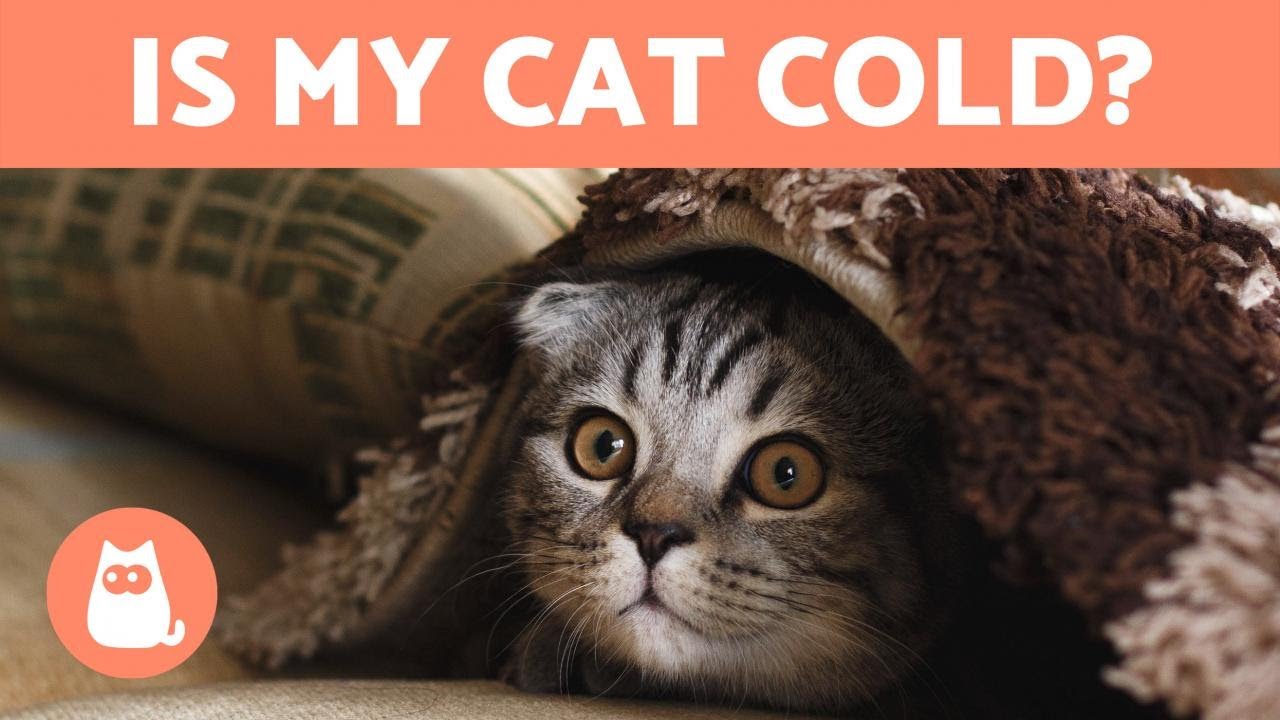
Ah, cats. Our enigmatic, furry overlords who grace us with their presence (and occasional judgment). We adore them, spoil them, and often find ourselves scrutinizing their every twitch and purr. But as the seasons shift and a chill creeps into the air, a common question arises for devoted cat parents: "Is my feline friend feeling the frosty bite?" It's a question that can send us into a minor tailspin of worry, picturing our precious kitties shivering like a forgotten ice cream cone on a winter's day.
Fear not, fellow cat enthusiasts! Figuring out if your cat is experiencing a bit of the ole' nip is far less of a mystery than deciphering their sudden urge to knead your favorite blanket at 3 AM. It’s all about observation, a little bit of intuition, and understanding their subtle, often hilarious, language.
The Subtle Signs: Your Cat's Own Weather Report
Cats are masters of disguise when it comes to discomfort, especially something as seemingly simple as being a tad chilly. They won't exactly pull out a scarf and earmuffs (though wouldn't that be adorable?), but they will communicate their temperature preferences in their own unique ways. Think of it as their personal, furry weather report, and you're the designated meteorologist.
Must Read
Behavioral Clues: The Cozy Code
The most obvious tell-tale signs are behavioral. When a cat is feeling cold, their instinct is to conserve heat. This translates into a few key actions that are pretty hard to miss, once you know what you're looking for.
First off, notice their sleeping habits. Are they suddenly seeking out the warmest spots in the house with an almost evangelical fervor? We’re talking about sunbeams that have long since faded, the top of the refrigerator (a classic!), or even – and this is where it gets real – snuggling up against your laptop while you’re trying to get some work done. If your cat’s favorite napping spots have migrated from the cool tile floor to the plush throw blanket on the warmest couch cushion, that's a pretty strong indicator that the mercury has dropped for them.
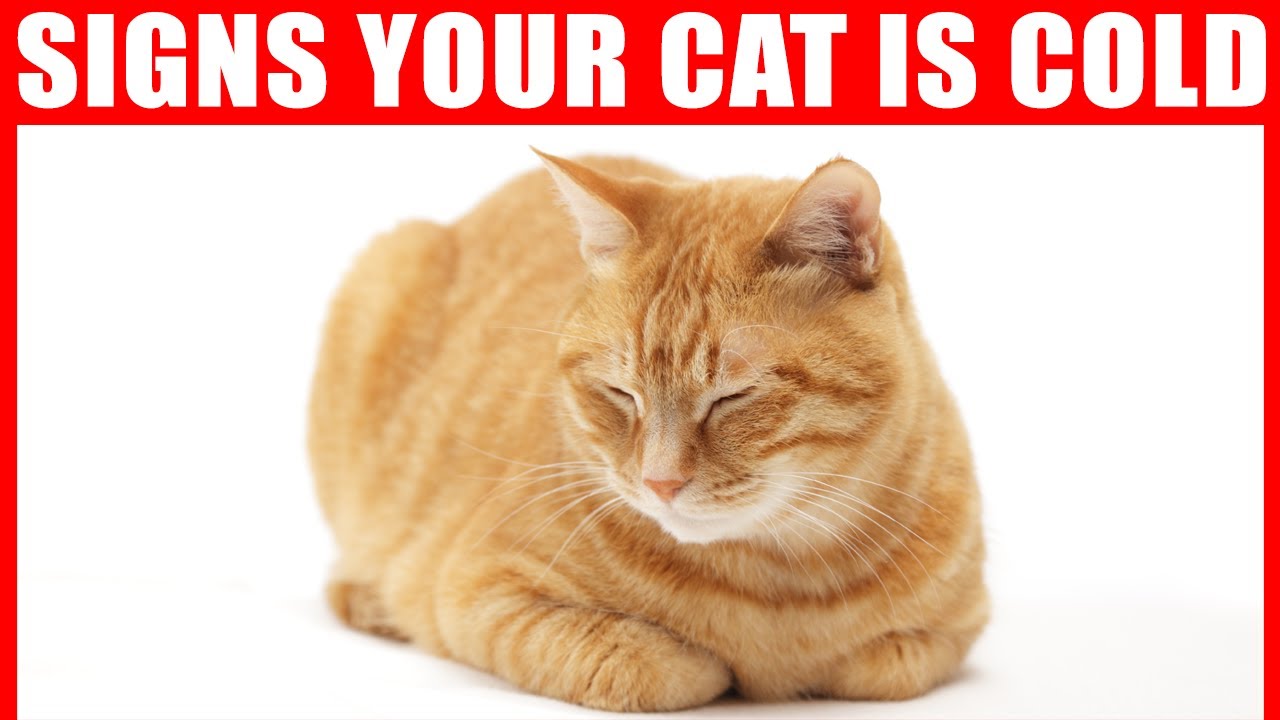
Then there's the "loaf" position. You know the one – where they tuck their paws underneath their body, resembling a furry bread loaf. While they might do this for comfort or even a bit of playful contemplation, if they're consistently in this tucked-in state, especially when they're usually sprawled out, it's a sign they're trying to keep their extremities toasty. Their nose, ears, and paws are usually the first to feel the chill, and this position helps minimize heat loss.
Another biggie? Huddling. If your cat suddenly becomes a Velcro cat, clinging to you or other pets with an unusual intensity, it's not necessarily a sudden onset of extreme affection (though that’s always welcome!). It’s more likely a primal desire to share body heat. If they’re normally a bit more independent, and now they’re practically draped over you like a designer scarf, it’s a pretty clear "I'm a little cold, human!" message.
Pay attention to their vocalization, too. While not as dramatic as a dog's shivering whine, some cats might become more vocal when they're uncomfortable. A more insistent meow, a softer, more plaintive cry, or even a low purr that seems to come with an undertone of complaint could indicate they're feeling a bit low on warmth. It's their way of saying, "Hey, could you, like, turn up the thermostat? Or maybe just move that fluffy blanket over here?"
Physical Indicators: The Body Language of a Chilly Cat
Beyond behavior, there are a few physical cues that can offer clues. These are a little more subtle, and might require a gentle touch.

The cold ears and paws test is a classic for a reason. Gently touch your cat's ears and paws. If they feel noticeably cooler than the rest of their body, or cooler than they normally do, it's a good sign they're feeling the chill. Remember, cats have a higher body temperature than humans, so their "normal" might still feel warm to you. The key is relative coolness.
A truly cold cat might also exhibit shivering. This is less common in cats than in dogs, as they’re generally pretty good at regulating their temperature. However, if you see visible tremors, especially after they’ve been outside or in a particularly drafty area, it's a definite sign they need to warm up. This is the feline equivalent of you chattering your teeth.
And then there's the fur factor. Have you noticed your cat fluffing up their fur more than usual? While they do this for insulation, an extreme fluffing, combined with other signs, could indicate they're trying to trap more warm air close to their body. Think of it as their natural down jacket.
When to Worry (and When to Just Grab a Blanket)
It's important to differentiate between a cat who's a little bit chilly and a cat who is genuinely distressed by the cold. Most of the time, a simple adjustment to their environment is all that's needed.
If your cat is displaying multiple signs – seeking warmth, loafing, huddling, and having cool extremities – it's a good time to take action. This isn't usually an emergency, but it's your cue to be a good cat-parent.
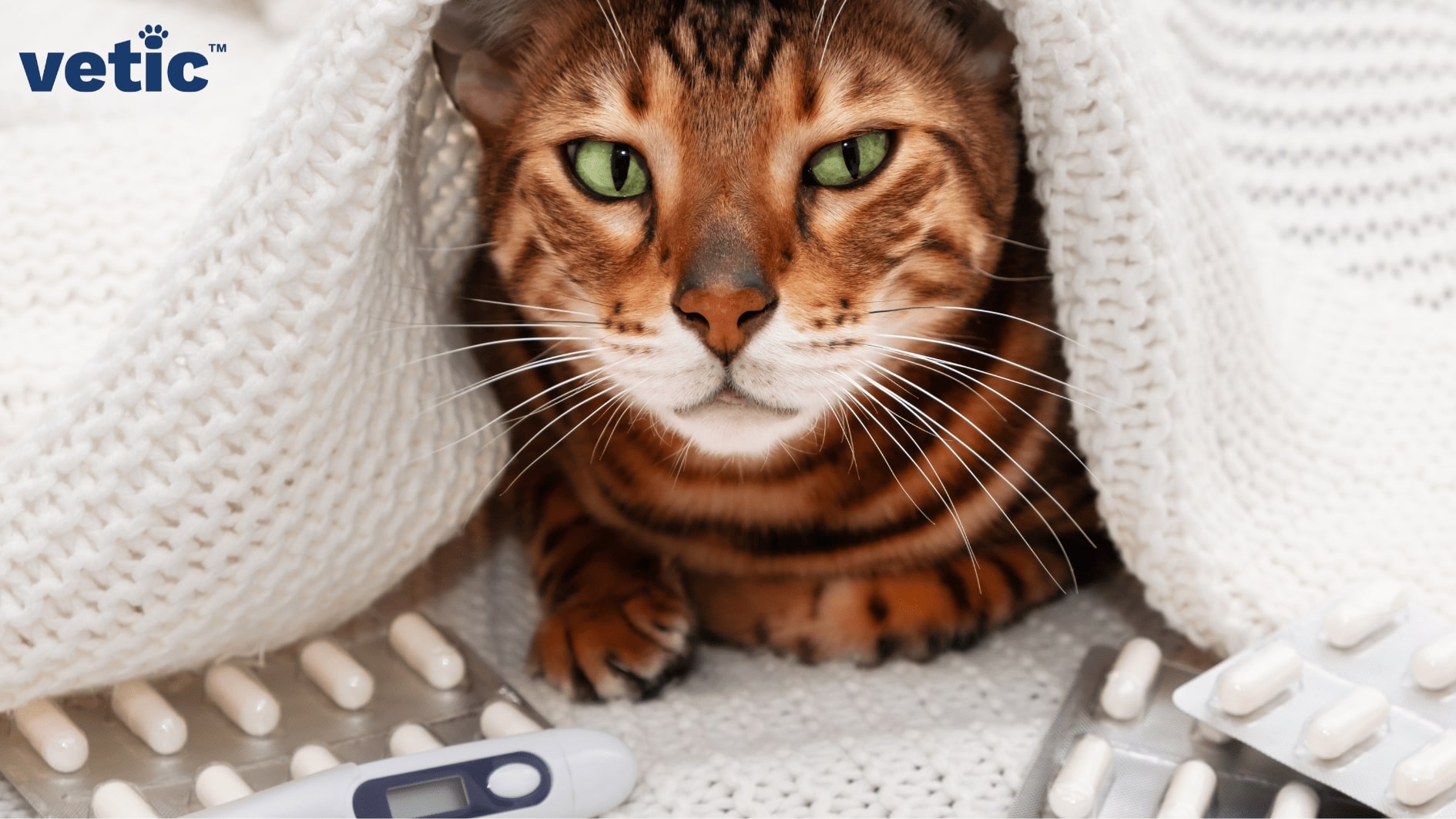
However, if your cat is exhibiting extreme lethargy, is unwilling to move, seems disoriented, or is shivering uncontrollably for an extended period, it's time to contact your veterinarian. These could be signs of hypothermia, which is a serious condition that requires professional attention. This is less common in healthy indoor cats, but it's always good to be aware of the signs.
Creating a Cozy Haven: Practical Tips for the Cold Season
So, you’ve identified your cat as a bona fide chilly feline. What next? Thankfully, providing a warm and comfortable environment for your cat is pretty straightforward and can even be a fun project!
The Art of the Warm Spot
Designated Warm Zones: Think about creating dedicated cozy spots for your cat. This could be as simple as placing extra blankets on their favorite perches or in their preferred sleeping areas. Soft, thick blankets are your best friend here. Consider fleece, wool, or even those fuzzy sherpa-lined throws that are practically designed for snuggling.
The Sunbeam Sanctuary: If you have sunny windows, make sure your cat has access to them. Position their favorite bed or a comfortable cushion in a spot where the sun streams in. It’s like a natural, self-heating bed, and cats are drawn to them like magnets. It's almost like they understand the science of solar radiation – or maybe they just like feeling the warmth!
Heated Cat Beds: These are a game-changer for many cat owners. Heated cat beds come in various forms, from small mats to enclosed caves, and they provide a consistent, gentle warmth. Look for ones with low wattage and safety features to ensure they are perfectly safe for your furry friend. It’s like giving them their own personal spa treatment.
The Power of Proximity: Sometimes, the best warmth comes from you! If your cat is seeking you out, don't push them away. Cuddle up, let them share your lap, or even sleep with them if they're comfortable and you are. It’s a win-win situation – you get extra feline cuddles, and they get a toasty human radiator.
Draft Dodging: Pay attention to drafts. Seal any gaps around windows and doors where cold air might be seeping in. You can use draft stoppers for doors or even temporary window insulation kits. This is especially important if your cat likes to hang out near windows or doors.

The Crate Cozy-Up: If your cat uses a carrier or a crate for travel, consider adding extra bedding and perhaps even a small, pet-safe heating pad (on a low setting and supervised) during the colder months. This can turn their secure space into an even warmer sanctuary.
Diet and Hydration
While less directly related to feeling "cold" in the immediate sense, ensuring your cat is well-nourished and hydrated can also contribute to their overall comfort and ability to regulate their body temperature.
Warm Food Fun: Consider warming up your cat's wet food slightly. A few seconds in the microwave (stirring well to avoid hot spots!) can make their meal more appealing and also provide a touch of internal warmth. Just be sure it’s not too hot – think lukewarm, not scalding!
Hydration Habits: While water is essential year-round, ensure your cat has access to fresh, clean water. Some cats are more drawn to moving water, so a pet drinking fountain can be a good investment. While not directly related to feeling cold, good hydration supports overall health, which in turn aids temperature regulation.
Fur Care
Just like us, cats benefit from good grooming, especially in colder weather.
Brushing Benefits: Regular brushing helps to distribute natural oils throughout your cat's coat, which can provide an extra layer of insulation. It also helps to remove loose fur, preventing mats that can trap moisture and make them feel colder. Plus, it’s a great bonding activity!
Long-Haired Wonders: If you have a long-haired breed, pay extra attention to their grooming. Mats can be particularly problematic in colder weather, and a well-maintained coat is a cat's best defense against the elements.
Cultural Cat Naps and the Comfort of Connection
It’s fascinating how universal the desire for warmth is, even across species. Think about how we humans instinctively seek out cozy blankets, warm drinks, and snuggly sweaters as the temperature drops. It’s a primal urge, a biological imperative to stay comfortable and safe.
In many cultures, cats have been revered for their warmth and comfort. From ancient Egypt, where cats were associated with the goddess Bastet and considered sacred, to the modern-day phenomenon of "cat cafes" where people flock to be surrounded by the calming presence (and warmth!) of felines, there's a deep-seated connection between cats and the feeling of well-being and coziness.
Even in literature and art, cats are often depicted as symbols of domestic comfort and quiet contentment, often found curled up by a fireplace or nestled in a warm lap. They embody a certain kind of relaxed luxury, a state of being that we all aspire to, especially when the weather outside is frightful.
And let's not forget the sheer joy of a cat kneading on your lap, a purring machine radiating gentle heat. It’s a symphony of contentment, a palpable exchange of warmth and affection that can melt away the stresses of the day. It’s a reminder that sometimes, the simplest things – like a warm body next to yours – are the most profound.
A Moment of Reflection
As we observe our cats and ensure their comfort during the cooler months, it’s a beautiful reflection of our own need for warmth and connection. Just as we provide them with cozy blankets and warm spots, they, in turn, offer us a unique kind of comfort – a furry, purring presence that makes our homes feel more welcoming and our lives a little bit brighter. So, the next time you see your cat curled up in a sunbeam or snuggled close, take a moment to appreciate the simple, profound magic of warmth and the enduring bond we share with these incredible creatures. It's a gentle reminder that in a world that can often feel a little too cool, a little bit of warmth, shared with love, can make all the difference.