How Do I Know If Gold Is Real
Ever find yourself gazing at a sparkling trinket, maybe a forgotten piece of grandma's jewelry or a shiny find at a flea market, and wonder, "Could this be the real deal?" You know, actual, honest-to-goodness gold? It’s a question that can pop into your head more often than you think, and honestly, it’s a little bit of a thrill, isn't it? It’s like a mini-treasure hunt right in your own home, or at least a fun little mystery to unravel!
Learning to spot real gold isn't about becoming a full-blown gemologist or anything super intense. Think of it more like learning a few fun party tricks, or acquiring some insider knowledge that makes browsing antique shops or even just looking at your own jewelry box a tad more exciting. Who knows what hidden gems you might have tucked away? It’s about sparking a little curiosity and adding a dash of wonder to your everyday life.
So, let’s dive in, shall we? We're going to explore some simple, straightforward ways to get a better feel for whether that gleam is truly from the precious metal itself, or just a clever imitation. No need for fancy labs or questionable alchemists here, just some good old-fashioned observation and a little bit of know-how.
Must Read
The All-Important Stamp: Your First Clue!
Okay, first things first. When you’re looking at a piece of jewelry, especially if it's something that looks a bit older or has some history to it, keep your eyes peeled for a tiny, often almost invisible, stamp. This little mark is your best friend when it comes to identifying gold. It’s usually found on the clasp of a necklace, the inside of a ring band, or sometimes on the post of an earring.
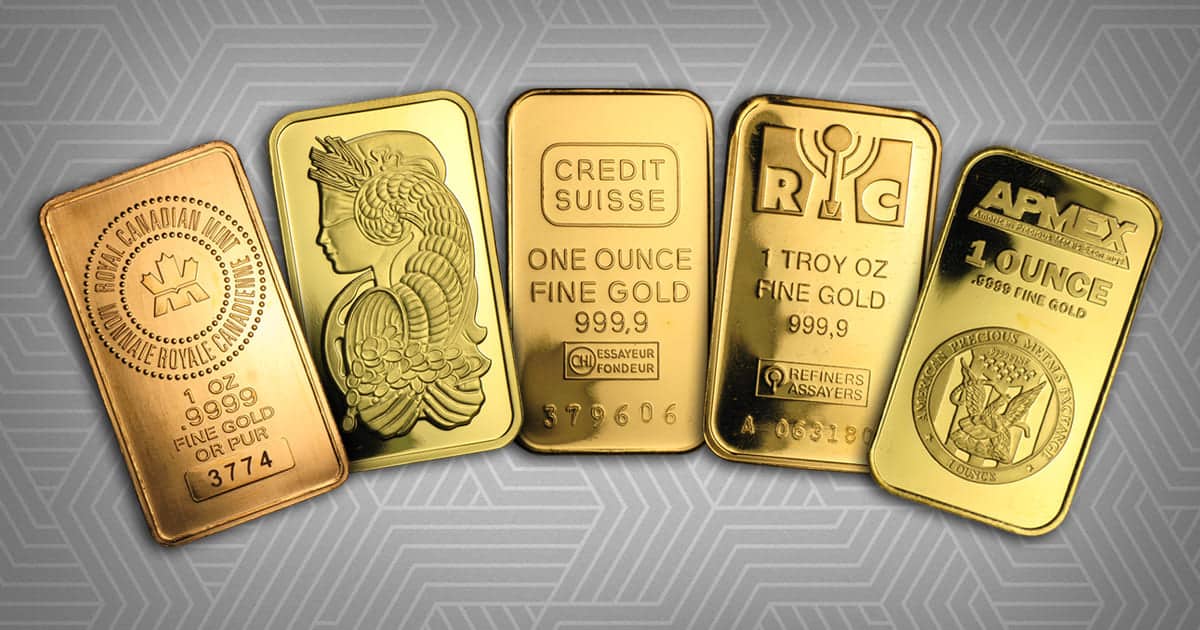
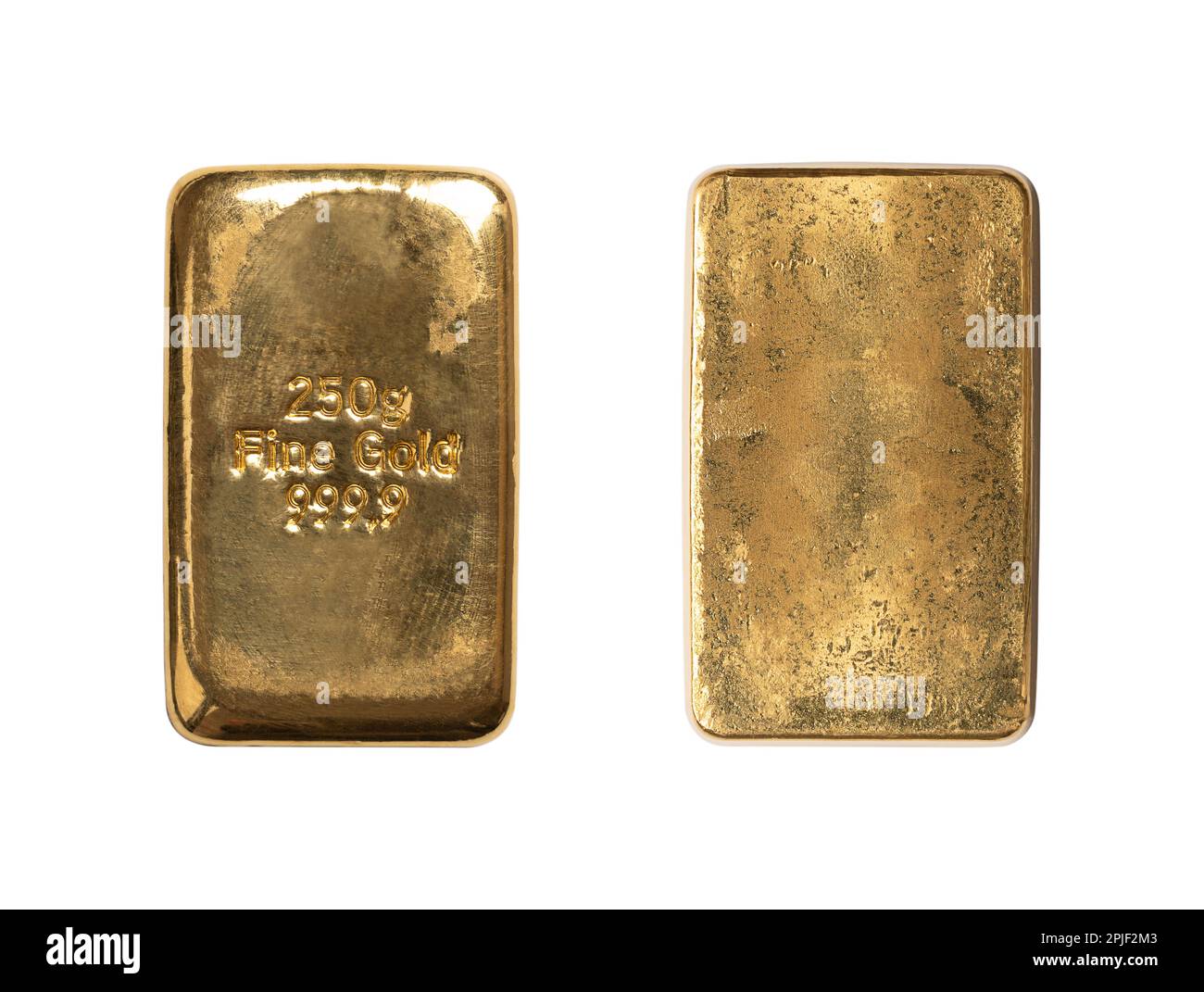
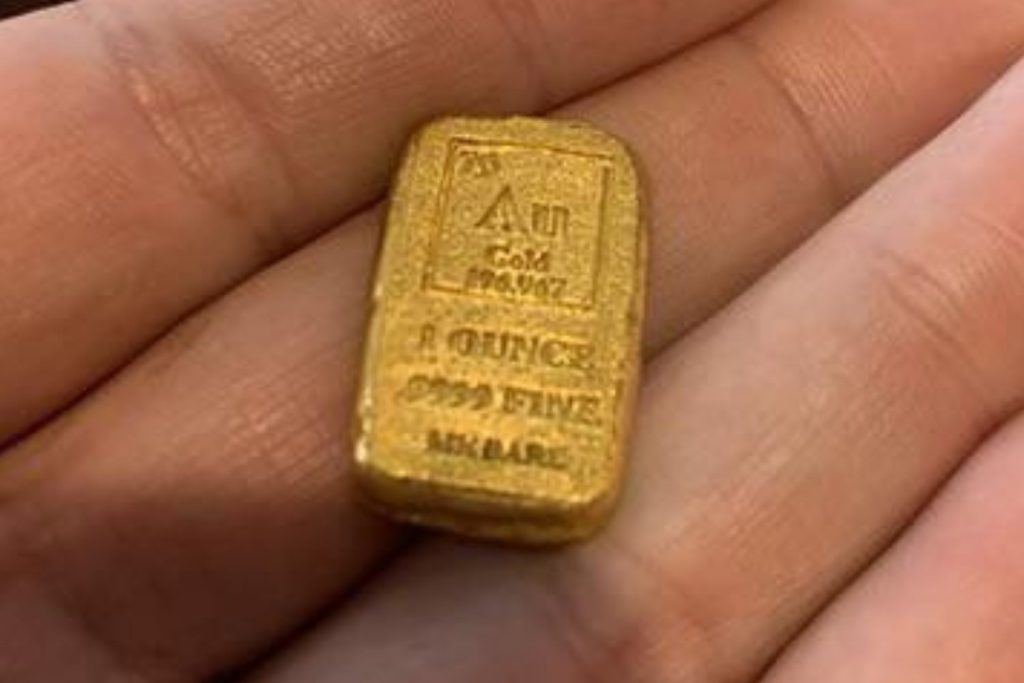
What are you looking for? Well, in the US and many other places, pure gold is marked as 24K. But you'll more commonly see jewelry made from alloys, meaning gold mixed with other metals to make it stronger and more durable. So, you might see markings like:
- 14K (which means 14 parts gold out of 24, or 58.5% pure gold)
- 18K (meaning 18 parts gold out of 24, or 75% pure gold)
- 10K (meaning 10 parts gold out of 24, or 41.7% pure gold – this is the minimum stamp often required to be called "gold" in the US)
You might also see metric equivalents like 585 (for 14K) or 750 (for 18K). If you see these stamps, chances are you’re looking at real gold. It’s like a little secret handshake from the jeweler!
Now, a word of caution! Sometimes, these stamps can be worn away over time, especially on older pieces. And, unfortunately, there are also fakes out there that might have a fake stamp. So, while the stamp is a fantastic starting point, it's not the only thing to look at.
The Magnet Test: A Simple but Effective Trick!
Gold itself is not magnetic. This is a super handy piece of information! So, if you have a reasonably strong magnet (like a fridge magnet, but a bit stronger is better if you have one handy), you can try this simple test.
Carefully hold the magnet near your potential gold item. If the item is strongly attracted to the magnet, like it’s trying to jump onto it, then it’s almost certainly not solid gold. Why? Because most of the metals used to make fake gold or gold-plated items (like iron, nickel, or steel) are magnetic.
Now, it’s not a completely foolproof test. Some gold alloys might have tiny amounts of magnetic metals in them, and some fake pieces might be coated in a thin layer of non-magnetic metal. But, if your piece snaps to the magnet like a lost puppy, you can be pretty sure it’s not pure gold. It’s a quick way to rule out a lot of imposters!
The Feel and Weight: Trust Your Senses!
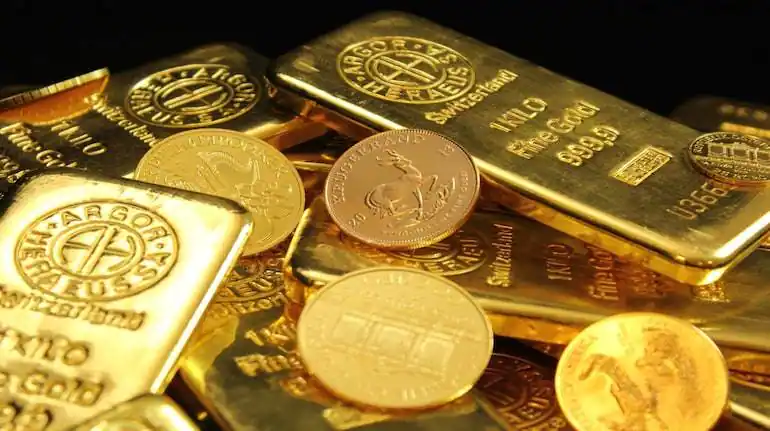
Gold is a dense metal. This means that, for its size, it should feel heavier than most other metals. If you have a piece you know for sure is gold (maybe a wedding band or a trusted piece of jewelry), compare the weight and feel of that to the item you’re questioning.

Does the suspect item feel unusually light for its size? That could be a red flag. Does it feel flimsy or hollow? Again, not a good sign. Real gold, especially in higher karats, has a certain satisfying heft to it. It feels substantial.
This is a bit more of a subjective test, you know? It takes a little practice to get a feel for it. But the more you handle different pieces of jewelry, both real and potentially fake, the better you’ll become at noticing these subtle differences in weight and density. It’s like developing a superpower for spotting shiny things!
The Acid Test (with a Caveat!): For the More Adventurous
Okay, this is where things get a little more involved, and I have to add a big disclaimer here: This test involves acid, so you’ll want to be careful, do it in a well-ventilated area, and maybe even wear gloves and eye protection. It's best left to those who are comfortable with it, or if you have a jeweler friend who can guide you!
The acid test works by using specific acids that react differently with various karats of gold. Jewelers often use small testing kits. They'll rub a tiny bit of the metal onto a testing stone, then apply a drop of acid to the stone. If the gold is real, it will react in a predictable way (or not at all, depending on the acid and the karat). If it’s fake, the acid might eat away at it or cause a different color reaction.
Important Note: You should never apply acid directly to your jewelry! You're only testing a tiny, inconspicuous scratch on a testing stone. This method can also damage plated items if not done correctly. So, while it's a classic way to test, it’s definitely not for the faint of heart or the beginner. Stick to the visual and magnetic tests first!
What About Gold Plating or Vermeil?
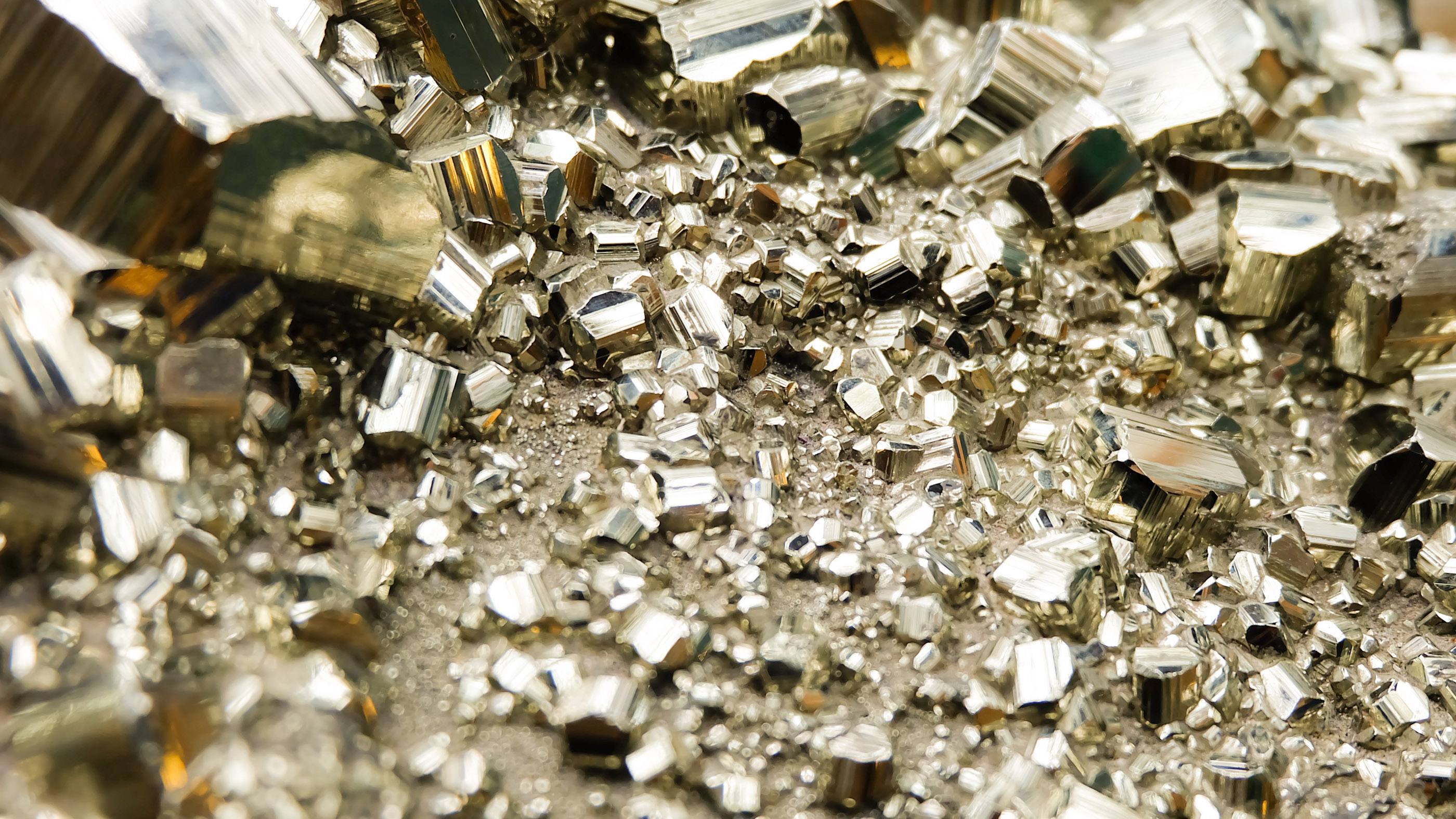
Sometimes, you might have a piece that looks like gold but isn't solid gold. This is where terms like gold-plated and vermeil come in. Gold-plated items have a very thin layer of gold electroplated onto a base metal (which could be anything from brass to copper). Vermeil is a bit more specific: it's gold plating over sterling silver.
These pieces can still be lovely and have value, but they are not solid gold. How do you tell the difference? Often, with plating, you'll see wear and tear over time where the base metal starts to show through, especially on edges or areas that get a lot of friction. If you see a different colored metal peeking through, it’s a strong indication that it’s plated.
Again, stamps can help. You might see markings like "GP" for gold-plated or "GF" for gold-filled (which means a thicker layer of gold than plating, but still not solid gold). Sometimes, you might just have to rely on your observation skills!
The Fun of Discovery!
See? It’s not rocket science, but it is a lot of fun! Thinking about whether that glint is real gold adds a whole new layer of appreciation to the objects around you. It makes you look a little closer, feel a little more, and wonder a little more. It's like unlocking a secret code of everyday objects!
Learning these little tips can make your trips to antique stores a bit more exciting. You might even start spotting pieces that others overlook, all because you have that little bit of extra knowledge. It’s empowering, and honestly, it just makes life more interesting. Imagine the stories those pieces could tell!
So, the next time you’re curious about a shiny item, don't just dismiss it. Take a moment, use your senses, and apply a little of what we’ve talked about. You might be surprised at what you discover. And even if it turns out not to be solid gold, you’ve still had a fun little investigation and learned something new. That’s always a win, wouldn't you agree?
The world is full of fascinating details, and learning to spot the real deal is just one small, shiny example of how much there is to explore. So, keep looking, keep learning, and most importantly, keep that sense of wonder alive! You never know what treasures – be they gold or simply delightful stories – you might unearth.