
How Do I Get Rid Of Flying Ants

Ah, flying ants. The unexpected aerial assault on our otherwise peaceful existence. You're just enjoying your morning coffee, maybe catching up on the latest episode of that show everyone’s talking about, and suddenly, there they are. Swarms of tiny, winged invaders, seemingly conjured from thin air. It’s enough to make even the most zen among us utter a little gasp, right? Don’t worry, you’re not alone. This seasonal phenomenon can feel a bit dramatic, but thankfully, tackling these airborne adventurers is usually a straightforward affair. Let’s dive into how to reclaim your airspace with a relaxed, no-fuss approach.
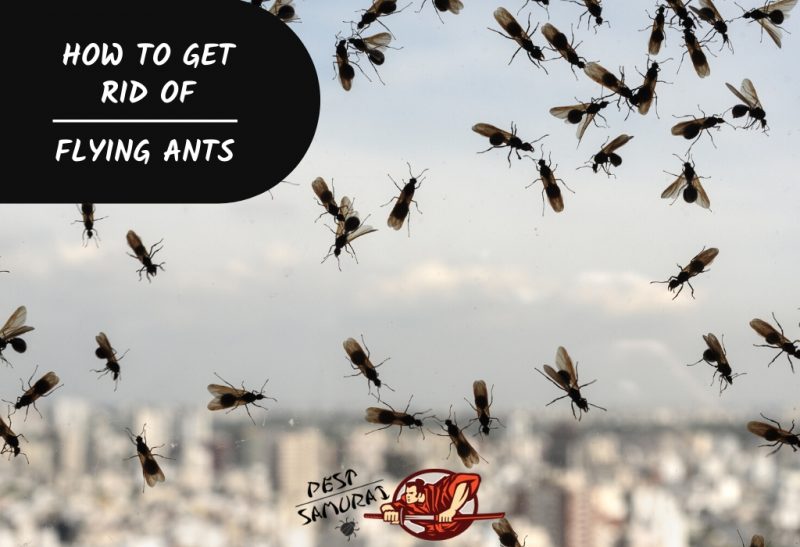
First things first, let’s get a little backstory. These aren't some alien species sent to test our patience. They are, in fact, the reproductive members of ant colonies. During specific times of the year, usually after a period of rain, mature ant colonies send out their winged males and virgin queens for a mating flight. This is their big moment, their chance to start a new colony. So, while they might be a nuisance to us, for them, it’s a crucial life event. Think of it as their tiny version of a reality dating show, with the ultimate prize being a new dynasty. Pretty wild when you break it down, isn't it?
The Great Migration: Understanding the Invasion
The timing of this "nuptial flight," as it's scientifically known, is often influenced by weather patterns. A warm, humid spell after a good soak is like a dinner bell for these flying ants. They emerge en masse, sometimes in the hundreds, even thousands, creating that surreal, almost magical, but admittedly inconvenient, spectacle. It’s nature’s way of ensuring the continuation of the species, and while we appreciate the grandiosity, we’d prefer it didn’t involve sharing our living room with them. They are particularly drawn to light, which is why you might see them congregating around your porch lights or even inside your home if they find an open door or window.
Must Read
It's important to remember that these flying ants are typically a one-time event for your immediate area. Once they've completed their mating flight, the wings generally fall off (yes, they shed them!), and the fertilized queens will seek out suitable locations to start new colonies underground or in other protected spots. The males, having fulfilled their evolutionary duty, sadly don't stick around. So, while the initial swarm can be alarming, it’s usually a fleeting moment in the grand scheme of things.
When Nature Knocks, Politely Show Them the Door
Okay, so the existential understanding of flying ants is all well and good, but how do we actually get them to… well, leave? The most immediate and least invasive method is often the most effective: the good old-fashioned vacuum cleaner. Think of it as a quick, efficient eviction notice. Grab your trusty vacuum, and gently suck up the ants that have made their way inside. This is particularly effective for those that have landed on walls, ceilings, or furniture. It’s clean, it’s fast, and it doesn’t involve any messy sprays or sticky traps. Just remember to empty the vacuum bag or canister outside afterwards, so they don’t decide to stage a comeback tour from your dustbin!
Another simple yet effective tactic involves a bit of strategic lighting. Since flying ants are attracted to light, you can use this to your advantage. Turn off your indoor lights and create a beacon of light outside your home. A porch light, a strategically placed lamp on a patio table, or even just opening a door to a well-lit exterior space can draw them away from your living areas. It’s like setting up a tiny, ant-sized rave outside, so they can party without us!
For those persistent few that might still be buzzing around, a light spritz of soapy water can be surprisingly effective. Mix a little dish soap with water in a spray bottle. When you encounter a flying ant, a quick spray will break the surface tension of the water, making it difficult for them to fly. They’ll quickly become grounded and much easier to deal with, either by vacuuming them up or a swift flick into the bin.

Natural Repellents: Gentle Guardians of Your Home
If you're more of a "prevention is better than cure" kind of person, or if you’re keen on keeping things as natural as possible, there are several gentle repellents that can help discourage flying ants from making your home their landing strip. Many common household ingredients can act as surprisingly effective deterrents.
Vinegar, for instance, is a powerhouse. A diluted mixture of white vinegar and water (about 50/50) can be sprayed around entry points like windowsills, door frames, and any cracks or crevices where ants might be getting in. Ants dislike the strong scent of vinegar, and it can disrupt their scent trails, making it harder for them to navigate. You can also use it to wipe down surfaces where you've seen them congregating. It's a bit like giving your house an ant-unfriendly perfume.
Essential oils are another fantastic natural option. Peppermint oil is particularly potent. Ants are known to dislike the strong scent of peppermint. You can add a few drops of peppermint essential oil to a spray bottle filled with water and spritz it around potential entry points. You can also soak cotton balls in peppermint oil and place them in areas where you’ve noticed ant activity. Other essential oils that ants tend to avoid include tea tree oil, cinnamon oil, and lemon oil. It’s like a mini aromatherapy session for your home, with the added benefit of keeping unwanted guests at bay!
The Power of Essential Oils: A Scent-sational Solution
Let’s delve a little deeper into the magic of essential oils. They offer a sophisticated and pleasant-smelling approach to pest control, which is a welcome change from the chemical-laden sprays of yesteryear. Peppermint oil, as mentioned, is a classic. Its menthol content is what gives it that invigorating smell, and it’s precisely that strong aroma that sends ants running for the hills (or, more accurately, the nearest ant hill). Imagine, a home that smells like a fresh mint garden and is also free from tiny intruders. It’s a win-win.

Lemon oil is another excellent choice, not just for its uplifting citrus scent, but because ants find the acidity of citrus fruits to be an irritant. You can use lemon essential oil in much the same way as peppermint oil – diluted in water for spraying or on cotton balls. The added bonus here is that lemon is a natural cleaner and deodorizer, so you're multitasking like a pro. It’s the ultimate natural multitasker, much like a perfectly brewed cup of coffee that also happens to make your house smell amazing.
Cinnamon is a spice that has been used for centuries for various purposes, and its strong scent can also deter ants. You can sprinkle ground cinnamon around entry points, or use cinnamon essential oil. The idea is to create a barrier that they find unpleasant to cross. It's a subtle yet effective way to protect your home, and it adds a warm, inviting aroma to your living space. It’s a little bit of ancient wisdom meeting modern pest control.
Sealing the Deal: Long-Term Strategies for Ant-Free Living
While dealing with a flying ant swarm is usually a temporary fix, it’s always a good idea to think about long-term strategies to prevent future invasions. After all, why deal with a problem repeatedly when you can nip it in the bud?
The most crucial step is to identify and seal entry points. Take a stroll around the exterior of your home and look for any cracks or gaps in foundations, walls, window frames, and door seals. Even a tiny opening can be an invitation for ants. Use caulk or sealant to fill these gaps. It might sound tedious, but it's incredibly effective. Think of it as giving your home a cozy, ant-proof blanket. It’s the equivalent of ensuring your favorite cozy sweater has no holes in it!
Keeping your home clean and tidy is also paramount. Ants are attracted to food sources. Crumbs, spills, and unsealed food containers are like a buffet for them. Regularly clean countertops, sweep floors, and wipe down surfaces. Store food in airtight containers. This applies to pet food too! Don’t leave pet food bowls out for extended periods, as the residue can also attract ants. It’s about creating an environment where ants simply don’t find much to feast on.
The Art of Prevention: Making Your Home Less Appealing
This commitment to cleanliness isn’t just about aesthetics; it’s a fundamental aspect of modern, easy-going living. It’s about creating a sanctuary, a space where you can truly relax and unwind, free from the tiny tyrants of the insect world. When your kitchen is sparkling and your pantry is organized, it’s not just about good hygiene; it’s about cultivating a sense of calm and control. It’s the equivalent of having your digital life organized and your inbox cleared – a little bit of order can go a long way in reducing stress.
Consider your outdoor space too. Trim back any vegetation that is touching your house, as this can provide a bridge for ants to enter. Keep trash cans sealed and clean. If you have a compost bin, ensure it's managed properly. These seemingly small steps contribute significantly to making your home less attractive to all sorts of pests, not just flying ants. It’s about creating a holistic, pest-repellent ecosystem around your dwelling.
For those who are really dedicated to a natural approach, consider using diatomaceous earth (food-grade, of course). This is a naturally occurring sedimentary rock that is crushed into a fine powder. It works by dehydrating insects that come into contact with it. You can sprinkle it in areas where you suspect ants are entering or traveling. It’s a safe and effective barrier, almost like a microscopic moat that ants can't cross without consequence. Just be mindful of not inhaling the dust yourself.

When All Else Fails: Professional Help (The Last Resort)
In the vast majority of cases, the methods we’ve discussed will be more than enough to handle a flying ant situation. However, if you find yourself facing an unusually persistent or overwhelming infestation that doesn’t seem to respond to your efforts, it might be time to consider professional pest control. This is the ultimate last resort, and it's okay to admit when you need a helping hand. A professional can identify the specific type of ant and the source of the infestation, offering more targeted and effective solutions.
Think of it like this: while you can fix most minor home repairs yourself, sometimes a leaky roof requires a professional roofer. It’s not a sign of failure; it’s a practical decision. Professional pest control services can offer peace of mind and ensure the problem is dealt with thoroughly, preventing future issues.
When choosing a professional, look for companies that offer eco-friendly or low-toxicity treatments if that’s a concern for you. Many reputable pest control services are increasingly aware of the demand for more sustainable solutions and can accommodate these preferences. A quick call to a few local services can give you an idea of their approach and pricing.
A Moment of Reflection: Small Battles, Big Peace
Dealing with flying ants can feel like a tiny battle in the grand scheme of life, but winning these small skirmishes contributes to a larger sense of peace and order in our daily routines. It’s about reclaiming our space, our tranquility, and our right to enjoy a peaceful evening without unexpected guests. It's like the satisfying feeling of clearing your inbox at the end of a busy week – a small victory that makes the rest of your time feel more enjoyable.
Ultimately, the key is a balanced approach: understanding the nature of the problem, employing simple and effective solutions, and having a proactive strategy for prevention. It’s about living in harmony with nature, even when nature decides to send its winged ambassadors our way. And in the grand, chaotic beauty of it all, a few flying ants are just a fleeting reminder of the vibrant, busy world outside our perfectly sealed windows. So, breathe easy, embrace the sunshine (and maybe a bit of peppermint oil), and let’s get back to enjoying our homes, ant-free and fabulous.

