Ever found yourself glued to the TV during a Formula 1 race, a roaring V8 at Le Mans, or a thrilling rally stage, and thought, "I could do that!"? Well, the good news is, that dream isn't as far-fetched as you might think! Getting a race license might sound like a VIP-only club, but it's actually a super accessible and incredibly rewarding journey for anyone with a passion for speed and a desire to push their driving skills to the limit. Forget stuffy classrooms and complicated procedures; we're talking about a fun, adrenaline-pumping path to getting behind the wheel of a proper race car.
So, what exactly is a race license, and why would you even want one? Think of it as your official ticket to the exciting world of motorsport. It’s a credential that proves you have the necessary skills, knowledge, and temperament to safely and competently compete in organized racing events. It's not just about going fast; it's about understanding racing lines, mastering braking points, executing overtakes cleanly, and, most importantly, respecting the track and your fellow competitors. The benefits are immense. Beyond the sheer thrill of competition, a race license opens doors to a whole new community of like-minded individuals who share your passion. You'll gain invaluable driving experience that will undoubtedly make you a better, more confident driver on the road, too. Plus, there's that undeniable bragging right that comes with saying you're a licensed race car driver!
The Starting Line: Your First Steps
The very first step on your journey to becoming a licensed racer is to get yourself into a recognized racing school. These aren't your everyday driving schools; they are specifically designed to teach you the fundamentals of racing. Look for schools affiliated with established motorsport organizations like SCCA (Sports Car Club of America) or FIA (Fédération Internationale de l'Automobile) accredited programs. These schools offer intensive courses where you'll learn everything from basic track etiquette and flag meanings to advanced car control techniques and race craft. You'll spend plenty of time on the track, in actual race cars – yes, you read that right! Imagine sliding into the cockpit of a purpose-built racing machine, the smell of fuel, the roar of the engine… it’s an experience that’s hard to beat.
During your time at a racing school, you'll be assessed by experienced instructors. They'll be looking for your ability to control the car at speed, your understanding of racing lines, your ability to follow instructions, and your general attitude towards safety and competition. Most schools offer a tiered system, where completing their introductory course and passing the assessments will grant you a Novice or Provisional License. This is your initial entry into the world of competitive driving, allowing you to participate in specific types of events, often at a grassroots level.
Don't underestimate the importance of theory! Understanding racing flags, safety procedures, and the rules of engagement is just as crucial as your car control skills.
Get Your Race Licence Today - FF Corse
Leveling Up: From Novice to Pro
Once you've got your novice license, the real fun begins! This is where you start competing in entry-level races. These events are typically structured to be a learning ground, often with fewer cars on track and a strong emphasis on driver development. You might start in spec series, where all cars are identical, ensuring that it's the driver's skill, not the car's advantage, that determines the winner. Think categories like Spec Miata, Formula Vee, or karting championships – these are fantastic places to hone your skills and gain valuable race experience.
As you gain more experience and achieve consistent results, you'll be eligible to upgrade your license. This usually involves accumulating competition points or completing a certain number of races without incurring major penalties. The process for upgrading varies depending on the sanctioning body and the level of racing you aspire to. For instance, to move up to more professional series, you might need to obtain an FIA Grade E license and work your way up through the grades. This progression is designed to ensure that drivers are properly prepared for the increased speeds, competitive intensity, and higher stakes of more advanced motorsport categories.
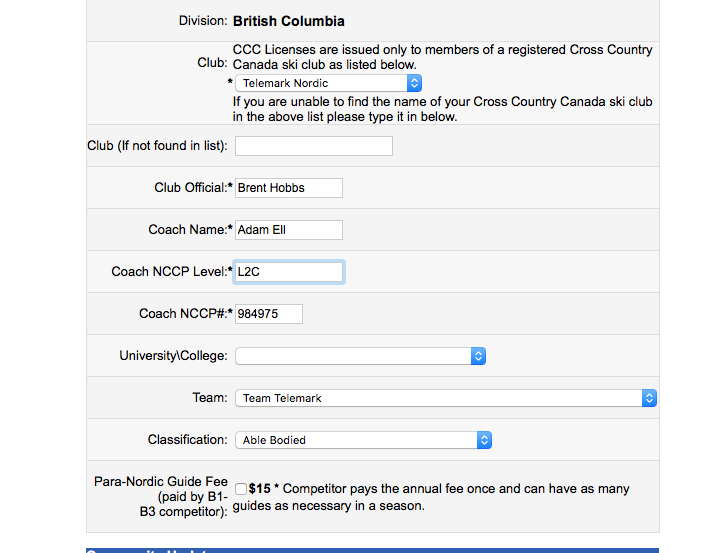
CCC RACE LICENCE RENEWAL INFORMATION
Beyond the Track: What Else You Need
While the driving skills are paramount, there are a few other essential elements to consider. Firstly, safety gear is non-negotiable. You'll need a helmet that meets racing standards (like Snell or FIA certification), a fire-resistant racing suit, gloves, and shoes. Your racing school will likely provide guidance on the specific safety equipment required for their courses and for the types of racing you intend to do.
Secondly, you'll need to consider the financial commitment. Motorsport can be an expensive hobby, but there are ways to make it more accessible. Entry-level racing can be more budget-friendly, and there are often opportunities to rent cars or share race weekends with other drivers. Plus, consider the long-term benefits – the skills and experiences you gain are invaluable!
Finally, and perhaps most importantly, is your dedication and passion. Getting a race license is a journey, not a destination. It requires practice, learning from mistakes, and a genuine love for the sport. So, if you're ready to trade your ordinary commute for the thrill of the race track, start researching local racing schools. The checkered flag might be closer than you think!