How Do I Get A Press Card
Ever find yourself watching a movie or a news report and see someone flashing a shiny, official-looking card? You know, the kind that seems to grant them special access and a certain gravitas? That, my friends, is often a press pass. And the thought, "How do I get one of those?" might have crossed your mind. It's a genuinely fascinating question, and not just for aspiring journalists. Understanding press credentials is a fun peek behind the curtain of information gathering and can even spark some unexpected ideas for your own life.
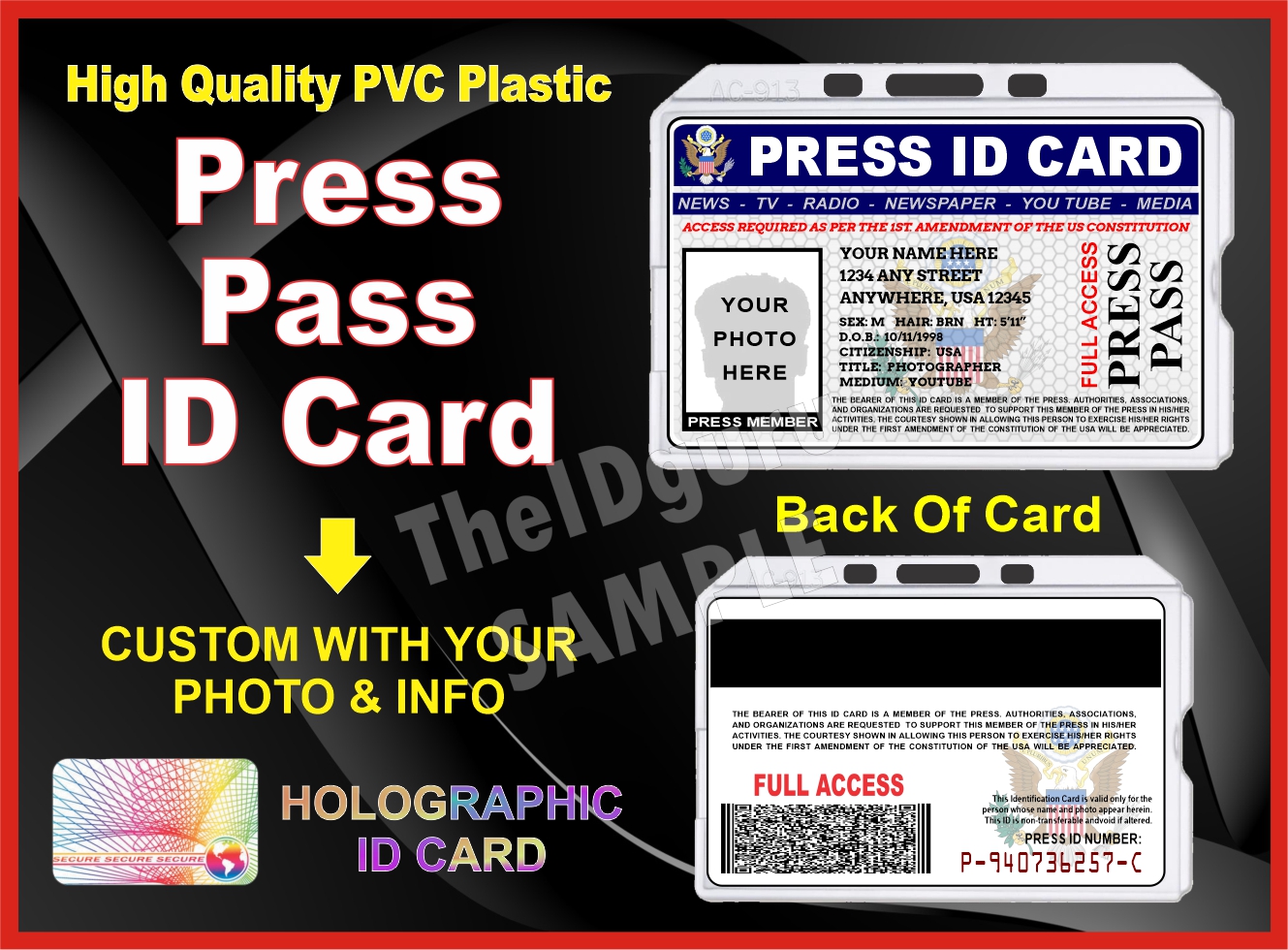
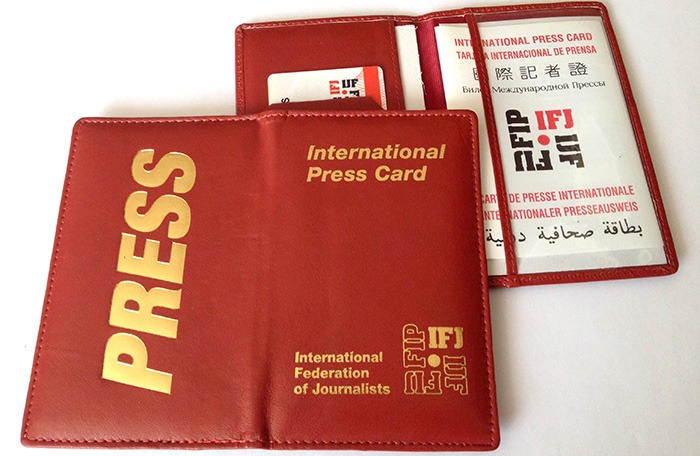
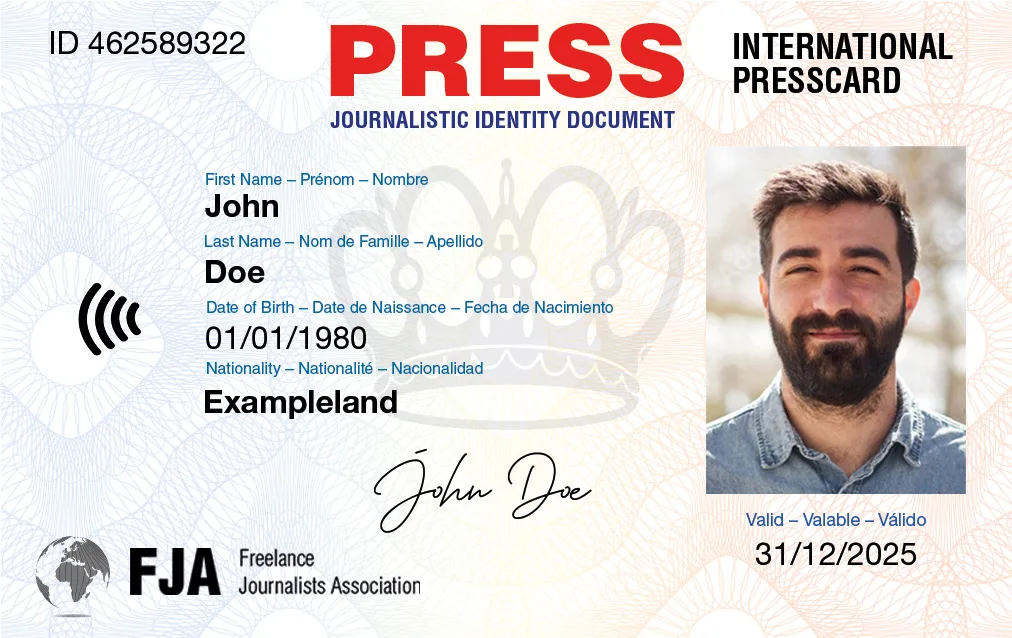
So, what exactly is a press card, and why would anyone want one? At its core, a press card, or press credential, is an identification document issued by a news organization or media outlet to its reporters, photographers, and sometimes other staff. Its primary purpose is to verify the holder's professional affiliation and their role in gathering and disseminating news. Think of it as a journalist's official badge of honor. The benefits are numerous. For the professional, it can open doors to press conferences, restricted areas at events, and even provide access to interviews that might otherwise be unavailable. It signals to authorities and event organizers that you are there for a legitimate professional purpose.
But the allure of a press pass isn't confined to the bustling newsroom. The concept can be incredibly relevant in educational settings. Imagine a student journalism club wanting to cover a local school board meeting or a university sporting event. While they might not get a formal, internationally recognized press pass, the principle of having official identification that signifies their role as student reporters can be invaluable. It can help them gain access, build credibility with their peers and the subjects they are interviewing, and foster a sense of professionalism within the group. In daily life, even if you're not actively pursuing a career in journalism, understanding the existence and purpose of press credentials can make you a more informed consumer of information. You might start to think critically about who has access to what and why.
Must Read
Now, for the practical part: how does one actually get a press card? It's important to understand that these aren't generally available to just anyone who fancies one. Typically, you need to be affiliated with a legitimate, recognized news organization. This means working for a newspaper, magazine, radio station, television channel, or a reputable online news outlet. You'll likely need to demonstrate a consistent output of published work and be able to show that your reporting serves a public interest. Many established media organizations have their own internal processes for issuing press passes to their employees.
For those interested in exploring this space, especially in educational or community contexts, here are some simple ways to dip your toes in. Start by joining or forming a student newspaper or a community media project. Focus on producing quality content consistently. As you build a portfolio and a reputation, you might explore if your institution or organization has a way to issue official identification for your team. You could also volunteer for local media outlets to gain experience. Remember, the spirit of a press pass is about credible information gathering. So, the best way to explore it is by doing the work that such a credential represents: being curious, asking questions, and sharing information responsibly. It’s less about the card itself and more about the dedication to accurate and insightful reporting.