How Deep To Plant A Tulip Bulb
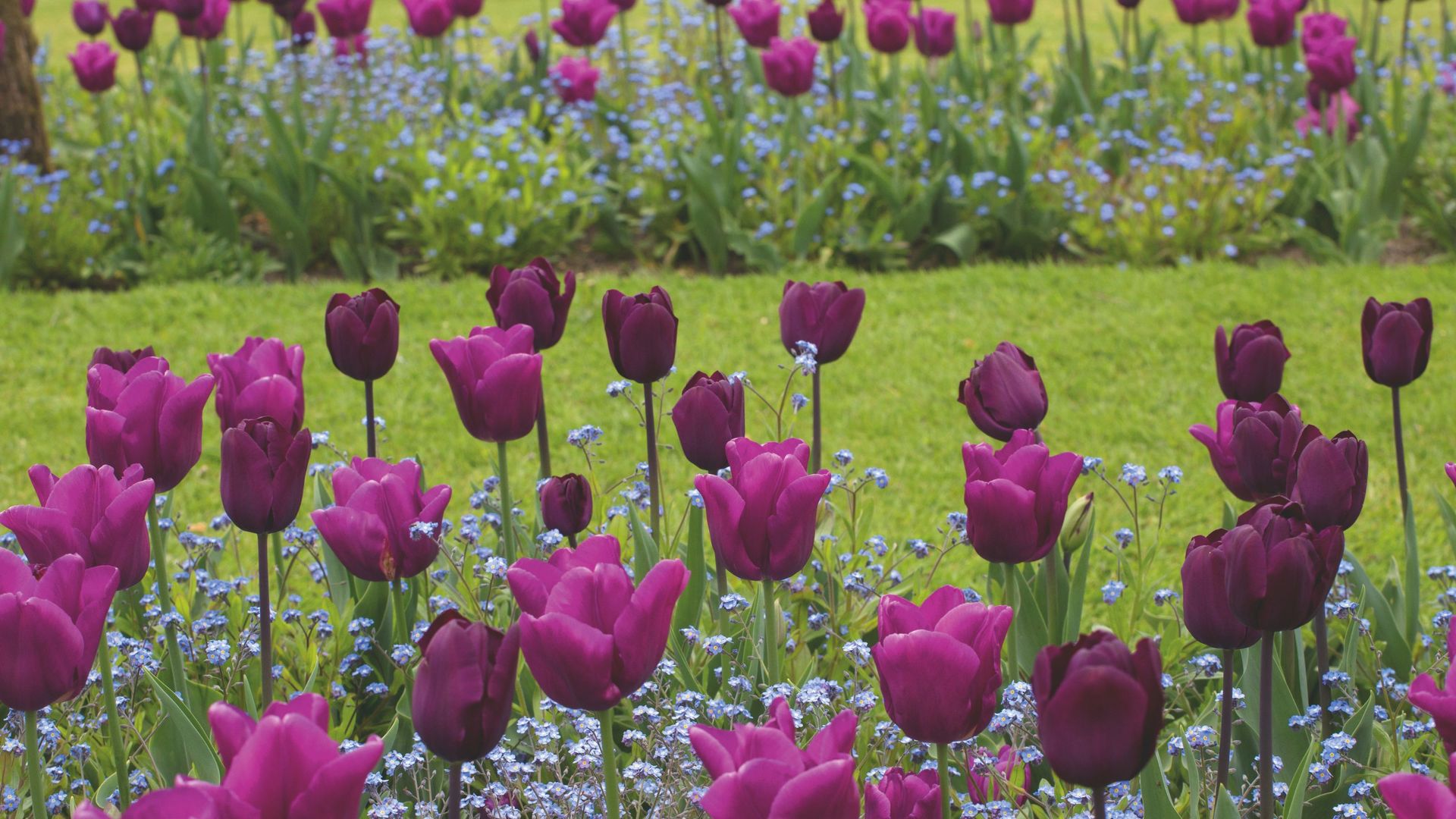
Ah, the tulip bulb! There's something incredibly magical about tucking these unassuming packages of future beauty into the earth, knowing that with a little patience and sunshine, you'll be rewarded with a vibrant explosion of color. It’s a simple act, yet one that brings immense joy and a touch of effortless elegance to our lives, especially as winter’s gray starts to recede. Whether you’re a seasoned gardener or a complete novice with a yearning for spring, the humble tulip bulb offers a fantastic entry point into the wonderful world of growing your own blooms.
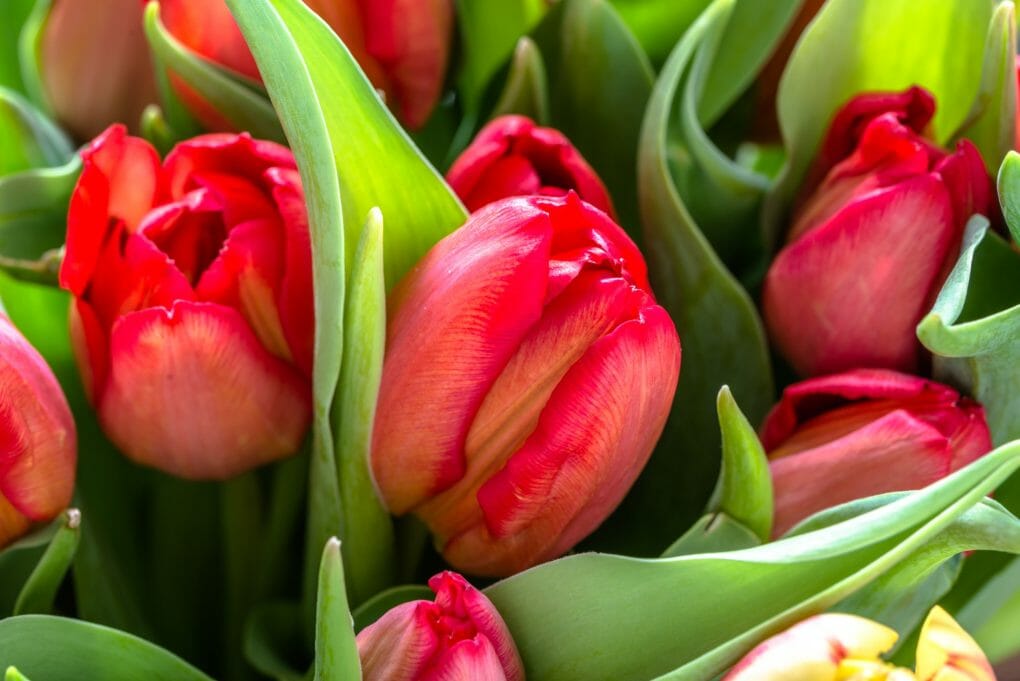
Why do we bother with the sometimes-muddy business of planting bulbs? The benefits are surprisingly multifaceted! Firstly, and perhaps most obviously, it's about horticultural therapy. The act of digging, the feel of the soil, and the anticipation of what’s to come can be incredibly grounding and stress-relieving. It’s a tangible way to connect with nature, even in a small urban garden or a collection of pots on a balcony. Secondly, tulips offer a spectacular display of seasonal beauty. They herald the arrival of spring like no other flower, painting gardens with their iconic chalice-shaped blooms in an astonishing array of colors and patterns. Imagine vibrant reds, sunny yellows, deep purples, and even delicate whites and multi-colored varieties – there’s a tulip for every taste and every mood!
Common examples of tulip bulb planting abound. You see them in manicured public gardens, creating breathtaking sweeps of color. Homeowners dot them along their borders for a cheerful welcome. They’re perfect for creating “surprise” patches that pop up year after year, or for planting in containers to add instant charm to patios and doorways. Many people also plant them in drifts amongst perennial borders, providing early spring color before the other plants have fully woken up. It’s a classic and foolproof method for injecting life and vibrancy into any outdoor space.
Must Read
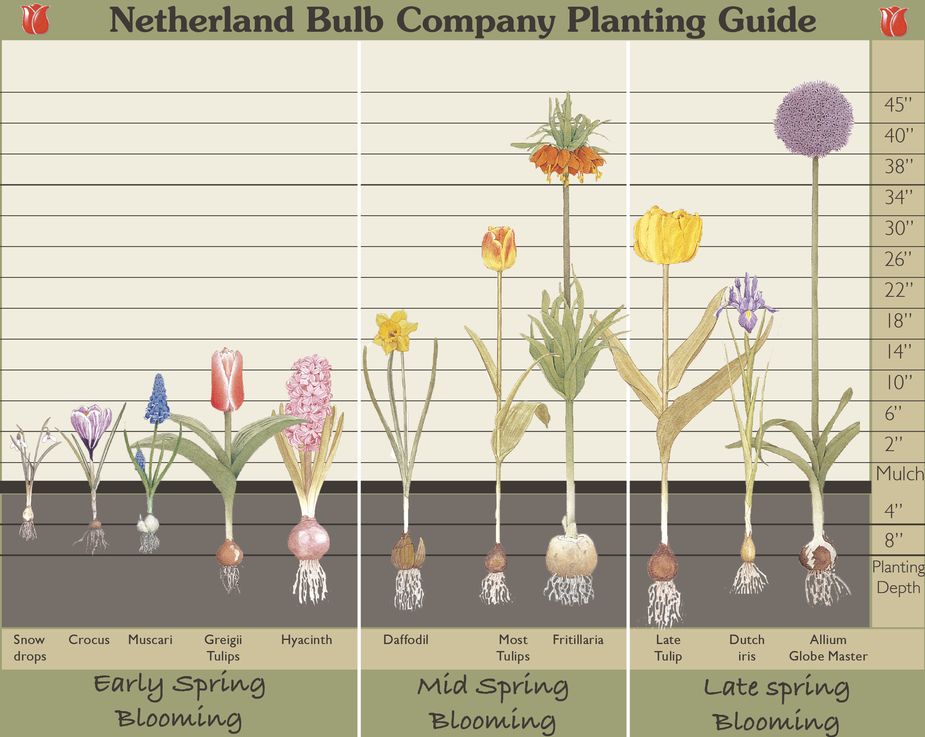
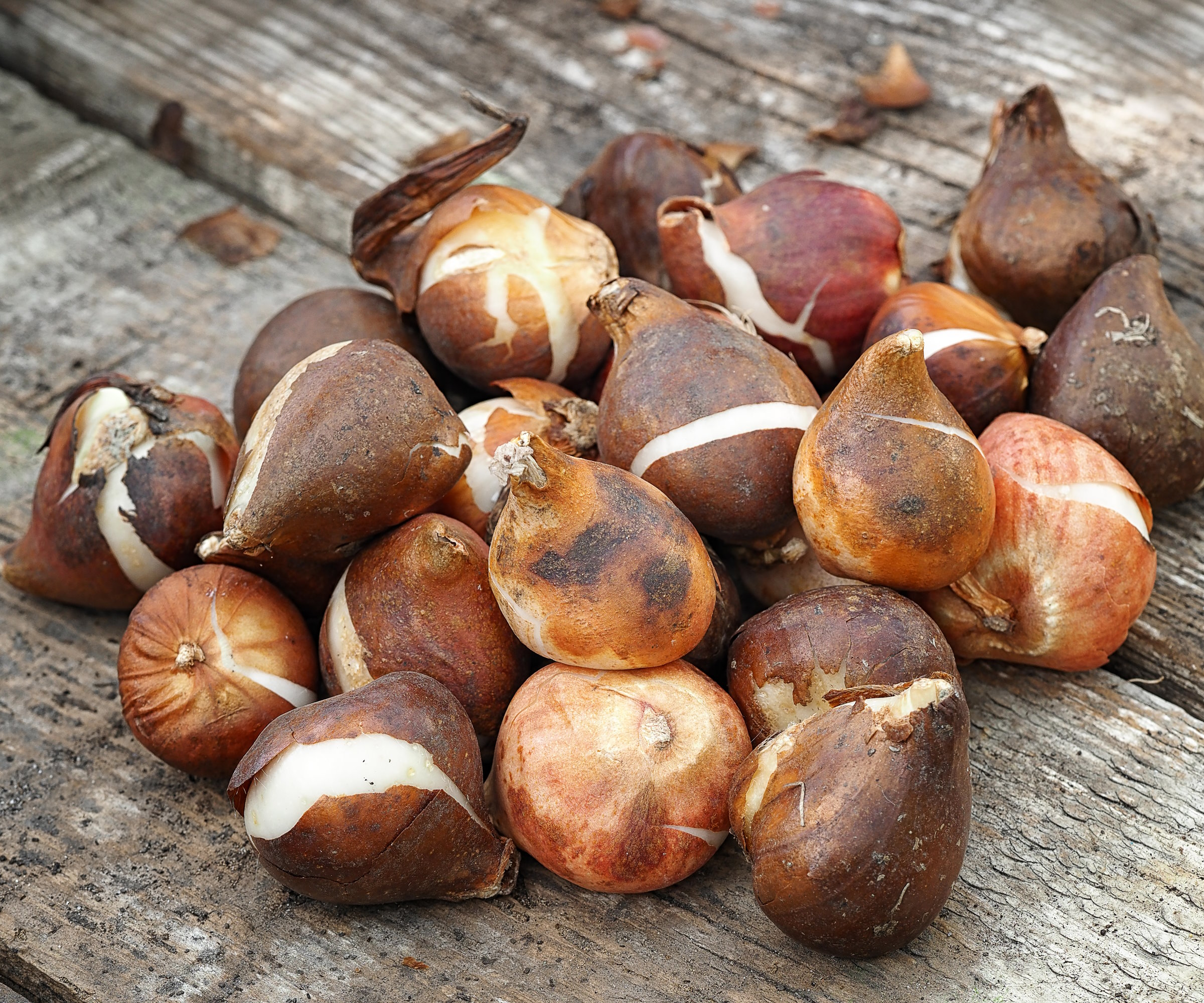
Now, let’s get to the heart of it: how deep to plant a tulip bulb. This is where a little knowledge goes a long way in ensuring your success. The general rule of thumb, and a very reliable one at that, is to plant your tulip bulbs about 6-8 inches deep. Think of it as roughly three times the height of the bulb itself. You can measure this from the pointy end of the bulb (which should be facing upwards!) to the bottom of the planting hole. Why this depth? It’s crucial for a few reasons. Firstly, it provides adequate insulation against frost. Deeper bulbs are less likely to be damaged by harsh winter temperatures. Secondly, it encourages the bulb to develop a strong root system, which is vital for supporting a healthy and robust plant in the spring. And finally, planting at the correct depth helps to prevent the bulbs from being easily disturbed by garden critters like squirrels or voles.
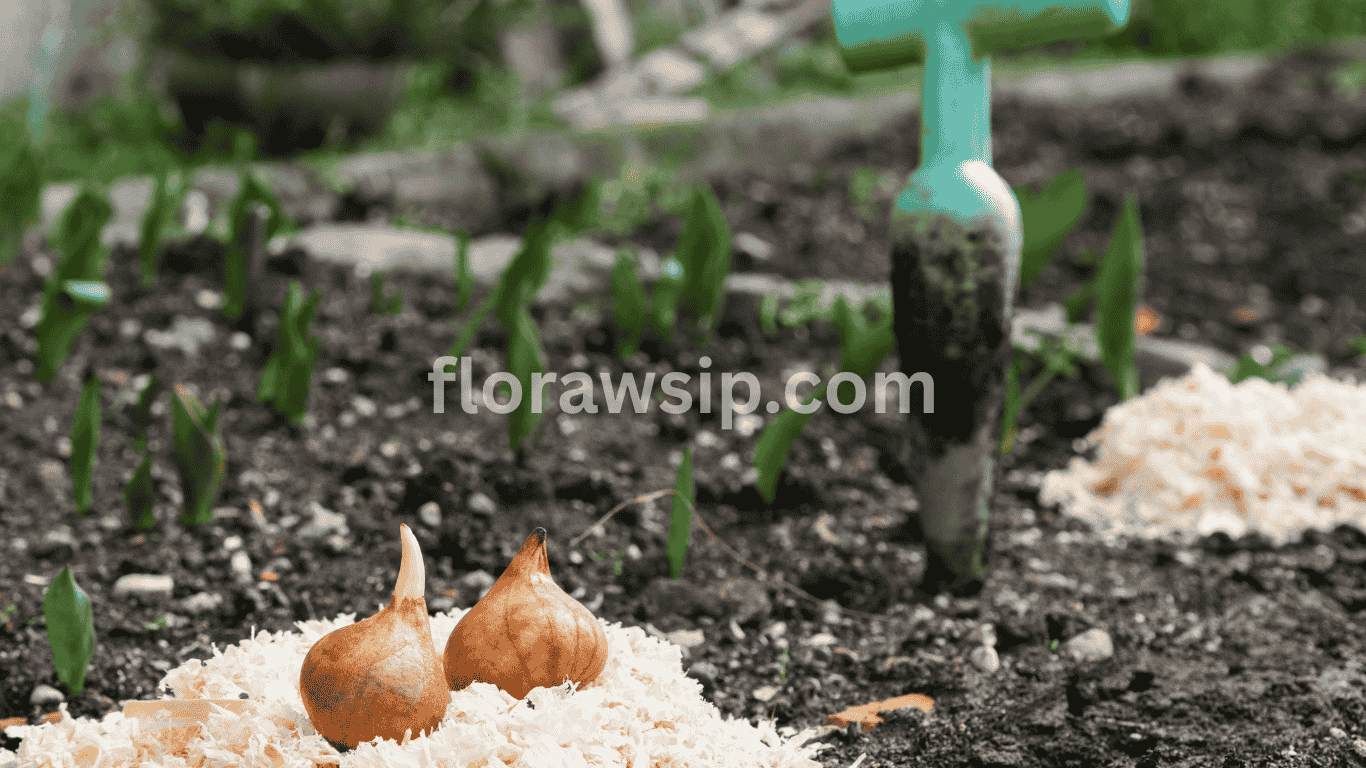
To enjoy your tulip planting experience even more effectively, consider these practical tips. Don’t overthink it! Most bulbs are remarkably resilient. When you’re digging your hole, if the soil is particularly hard, don’t be afraid to loosen it up. If you’re planting a lot, a bulb planter tool can be a real time-saver. Spacing is also important; give your tulips enough room to grow, typically about 4-6 inches apart. Once planted, a light watering can help settle the soil. And then, the most important tip of all: be patient. Spring will arrive, and with it, your beautiful tulips will emerge, a testament to your simple act of planting and a wonderful reward for your efforts.