
How Can You Put Out A Fire
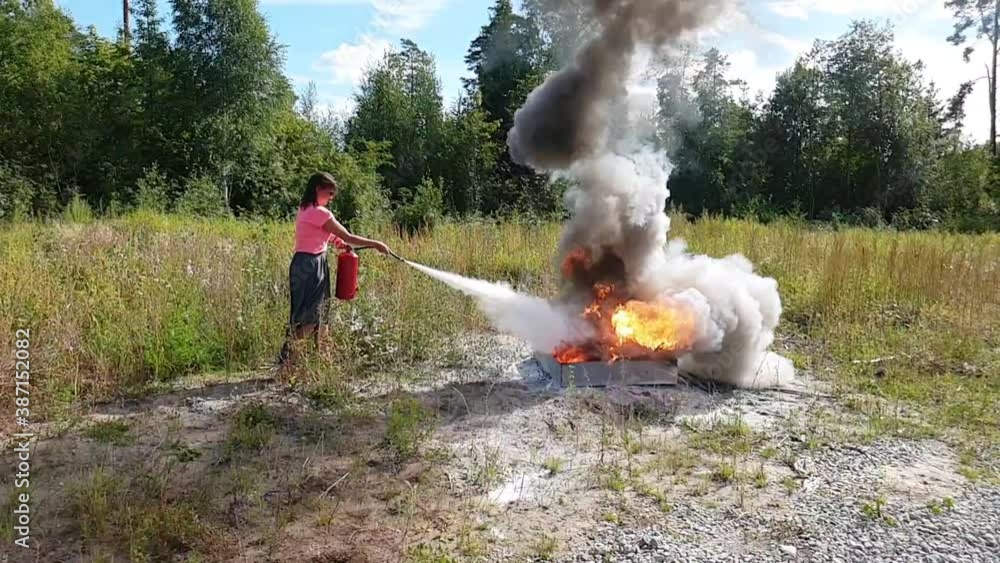
Hey there, fire-fighting extraordinaire (or at least, someone who wants to know how not to become one)! So, let's talk about fire. Not the cozy fireplace kind, or the passionate love kind (though those are nice too!), but the actual fire that makes you go "Uh oh!" and starts to make your palms a little sweaty. We're talking about those unwelcome guests that pop up when you least expect them, and how to politely, or not so politely, tell them to pack their bags and leave.
Now, before we dive in, a friendly disclaimer: this is for small, manageable fires. We're not talking about the kind that are already licking at the ceiling and making the smoke alarm do its best impression of a banshee. For those situations, your mission number one is get out and stay out. Seriously. Your life is way more important than your sourdough starter. Once you're safe, then you can call the real heroes with the big red trucks. Got it? Awesome!
The Three Musketeers of Fire Fighting (No, Not Those Ones!)
So, what makes a fire… well, a fire? It’s like a tiny, fiery triangle of doom. If you take away any one of its sides, the fire just throws a tantrum and fizzles out. These three amigos are:
Must Read
1. Fuel: The Stuff That Burns
Think of anything flammable: wood, paper, fabric, that questionable pile of old newspapers in the garage you really should have thrown out last year. If it can catch fire, it's fuel. It's the pizza slice that the fire is just dying to devour.
2. Oxygen: The Fire's Breath Mint
Fire needs air to breathe, just like us. Without oxygen, it’s like trying to blow out candles with your face glued to a pillow – not happening. This is why that scene in the movies where someone suffocates a fire with a blanket actually works (sometimes!).
3. Heat: The Fire's Hot Date
This is the spark, the ember, the initial oomph that gets everything going. It's the match that lights the firecracker. Without enough heat, the fuel just sits there looking pretty (or not so pretty, depending on what it is).
Our job, then, is to become a fire-disrupting ninja and break up this fiery party by removing one or more of these essential components. Easy peasy, right? Let's see how!
Operation: Douse the Flames!
Alright, so you've spotted a fire that's just starting. Maybe it’s a small grease fire in the kitchen (yikes!), or a rogue spark from a BBQ that decided to go on an adventure. Here’s your toolkit and how to use it:
Method 1: Suffocation Station! (Removing Oxygen)
This is like giving the fire a time-out. You're basically tucking it in, but without the lullaby.

The Lid Trick (Kitchen Fires):
If you’ve got a small grease fire on the stovetop, and I mean small, your first instinct might be to grab water. DO NOT GRAB WATER! This is like pouring gasoline on a campfire. It will spread the grease everywhere, and suddenly your small problem becomes a flaming inferno. Instead, if you have a metal lid that fits your pan, carefully slide it over the pan to smother the flames. The goal is to cut off the oxygen supply. Slide it on, don't plop it. We're not auditioning for a slapstick comedy here.
Leave the lid on until the pan is completely cool. Seriously, completely cool. Don’t peek! That’s like a kid shaking a present. Patience, grasshopper.
The Baking Soda Blast (Tiny Fires):
For super small fires, like a tiny ember in a trash can, a whole box of baking soda can sometimes do the trick. It releases carbon dioxide when heated, which can help displace the oxygen. It's not as effective as a fire extinguisher, but in a pinch, it might just save the day. Think of it as a culinary superhero making a surprise appearance. Just be prepared to clean up a powdery mess later.
The Wet Blanket Strategy (For the Brave):
This is a bit more dramatic and should only be attempted if the fire is very small and contained, and you feel absolutely confident. Soak a heavy blanket or rug (preferably wool, as it's less flammable) in water. Wring it out so it’s damp, not dripping. Then, carefully, approach the fire and lay the wet blanket over it, starting from the side closest to you and working your way outwards. This cuts off the oxygen. Remember, safety first! If you’re feeling a flicker of doubt, don't do it.
Method 2: Cooling Down (Removing Heat)
This is like giving the fire a frosty beverage. You're trying to make it too cold to keep burning.
Water, Water Everywhere (But Be Smart!):
Water is your best friend for most fires… except grease fires and electrical fires (we’ll get to that!). For fires involving ordinary combustibles like wood, paper, or fabric, water is your go-to. It absorbs heat and turns into steam, which helps to smother the flames.

A bucket of water, a hose, or even a spray bottle filled with water can be effective for small fires. Aim the water at the base of the flames, where the fuel is. Think of it as giving the fire a good, thorough shower.
Important Note: If the fire is electrical (e.g., a toaster smoking up a storm), do not use water! Water conducts electricity, and you could get a nasty shock. Unplug the appliance if it’s safe to do so, or use a Class C fire extinguisher (more on that in a sec).
Method 3: Starvation Diet! (Removing Fuel)
This is like telling the fire, "Nope, no snacks for you today!" You're removing the things that are burning.
Moving Things Out of the Way:
If you can safely do so, try to remove any burning material away from unburnt material. For example, if a small fire has started in a pile of leaves near your house, try to quickly shovel some of the burning leaves away from the rest. This is a bit of a race against time and requires quick thinking and physical ability. Again, only if it's safe.
Cutting Off the Source:
Sometimes, the fuel is coming from a specific source. If a propane tank is leaking and catching fire, the best thing to do is to turn off the valve on the tank if you can do it safely from a distance. This stops the flow of fuel. It's like turning off the tap for a runaway sprinkler.
The Mighty Fire Extinguisher: Your Secret Weapon
Okay, so buckets of water are great and all, but if you want to be a real fire-fighting superhero, you need a fire extinguisher. These bad boys are designed to tackle different types of fires. They’re like the Swiss Army knife of fire safety.

What Kind of Fire is It? (The Fire ABCs)
Fire extinguishers are usually labeled with letters that tell you what kind of fire they’re good for:
- Class A: For ordinary combustibles like wood, paper, and cloth. Think of the "A" standing for "Ash."
- Class B: For flammable liquids like gasoline, oil, and grease. The "B" could stand for "Boil-over."
- Class C: For electrical fires. The "C" is for "Current."
- Class D: For combustible metals (less common in homes, but good to know!).
- Class K: For kitchen fires involving cooking oils and fats (often found in commercial kitchens, but some home units have this too).
Most home fire extinguishers are labeled ABC, meaning they can handle the most common types of fires you'll encounter. They usually contain a dry chemical powder that smothers the fire and breaks the chemical reaction.
How to Use a Fire Extinguisher: The P.A.S.S. Method
This is easy to remember and super effective. Just think of the word P.A.S.S.:
P - Pull the Pin: This is usually a ring or a tab at the top. It prevents the extinguisher from accidentally discharging. Give it a good yank!
A - Aim at the Base: Don't aim at the flames themselves. Aim at the base of the fire, where the fuel is. This is where the magic happens. You want to get to the root of the problem!
S - Squeeze the Handle: This releases the extinguishing agent. Squeeze it steadily to get a good blast.

S - Sweep Side to Side: Move the nozzle back and forth, sweeping across the base of the fire. Keep doing this until the fire is out. If it reignites, repeat the process.
A Word to the Wise: Once you use a fire extinguisher, even if it’s just a little puff, get it recharged or replaced immediately. They’re not magic beans that regrow themselves.
When to Be a Hero and When to Be a Runner
This is the most important part, folks. Knowing your limits is key to staying safe.
Be a Hero If:
- The fire is small and contained (like a small pan fire or a burning wastebasket).
- You have a clear escape route behind you. This is crucial! You need to be able to get out if things go south.
- You have the right tools (like a fire extinguisher or a suitable lid).
- You feel confident you can handle it.
Be a Runner If:
- The fire is spreading rapidly.
- There's a lot of smoke. Smoke inhalation is no joke, and it can disorient you.
- You don't have a clear escape route.
- You don't have the right equipment or you're unsure.
- You have any doubt whatsoever. Your life is priceless.
Remember, your primary goal in a fire is to get yourself and others to safety. Dealing with the fire comes a distant second.
A Little Bit of Prevention Goes a Long Way
Now, I know we’re talking about putting out fires, but a little bit of prevention can save you a whole lot of hassle (and potential smoky smells for weeks). Keep an eye on your smoke detectors – they’re like the little guardians of your home. Make sure they have fresh batteries. And maybe, just maybe, clean out that pile of old newspapers. Your future self will thank you!
So there you have it! A friendly guide to dealing with those pesky fires. It's not about being a daredevil; it's about being prepared and knowing what to do. And hey, if you ever find yourself in a situation where you have to put out a small fire, just remember to stay calm, think about those three musketeers (fuel, oxygen, heat), and use your P.A.S.S. skills. You've got this! Now go forth and be a beacon of safety and preparedness in your world. And if all else fails, just remember to exhale deeply… you’re awesome, and you’ll figure it out!

