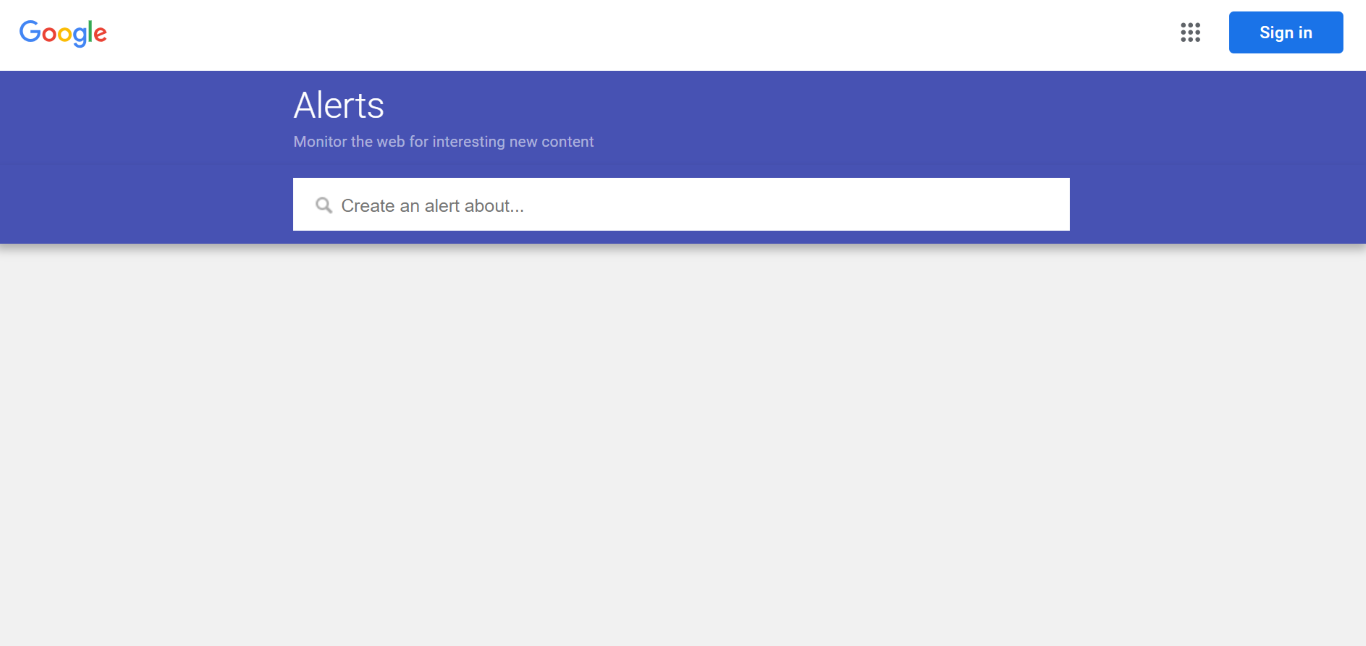
Let's talk about Google Alerts. You know, that magical little feature that promises to deliver the internet's latest gossip, news, and, well, anything you could possibly want to know, straight to your inbox? It sounds like a dream, doesn't it? Like having a personal internet butler who fetches you information on demand. But let's be honest, setting up Google Alerts can feel a bit like navigating a minefield of your own curiosity. We all start with grand intentions, don't we? We envision being the most informed person at every social gathering, armed with obscure facts and breaking news before anyone else even has their coffee.
My first foray into the world of Google Alerts was fueled by a singular, all-consuming obsession: cats wearing tiny hats. Yes, you read that right. I genuinely believed that a consistent stream of feline fashion was crucial for my mental well-being. So, I meticulously typed "cats wearing hats" into the alert box. I expected a curated collection of adorable, miniature millinery on furry heads. What I got? A deluge. Suddenly, my inbox was a war zone. Every stray mention of a cat, a hat, or a combination thereof, no matter how tangential, landed squarely in my inbox. It was like a digital spam storm, but with more purrs and fewer unsolicited loan offers.
Then there was the phase where I decided I needed to be an expert on... well, everything. I set up alerts for things like "historical facts about cheese," "unusual cloud formations," and "interesting facts about garden gnomes." It was a noble pursuit, I told myself. I was expanding my horizons! I was becoming a renaissance person! The reality, however, was a steady trickle of PDFs from academic journals that I would never, ever read, and blog posts written in languages I didn't understand. My inbox started to look like a virtual hoarder's paradise, filled with digital detritus I had no intention of sorting through.
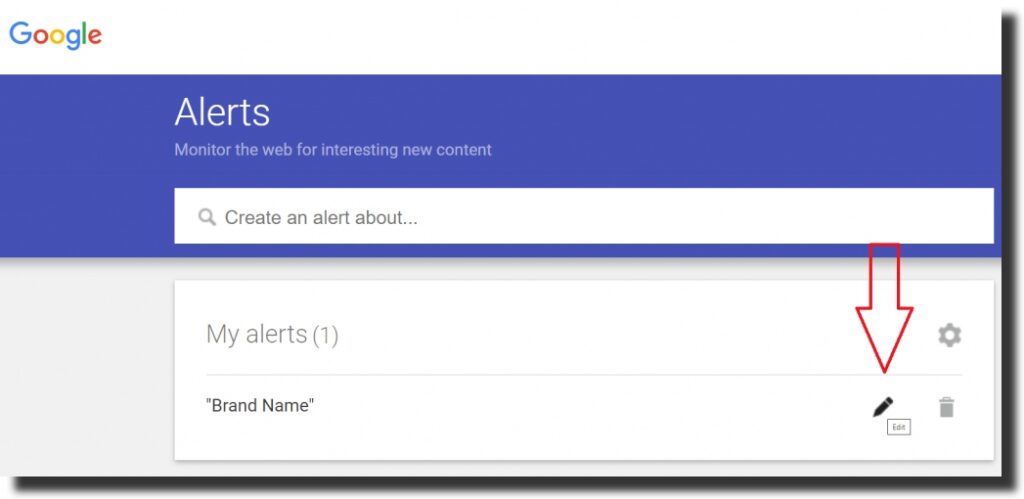
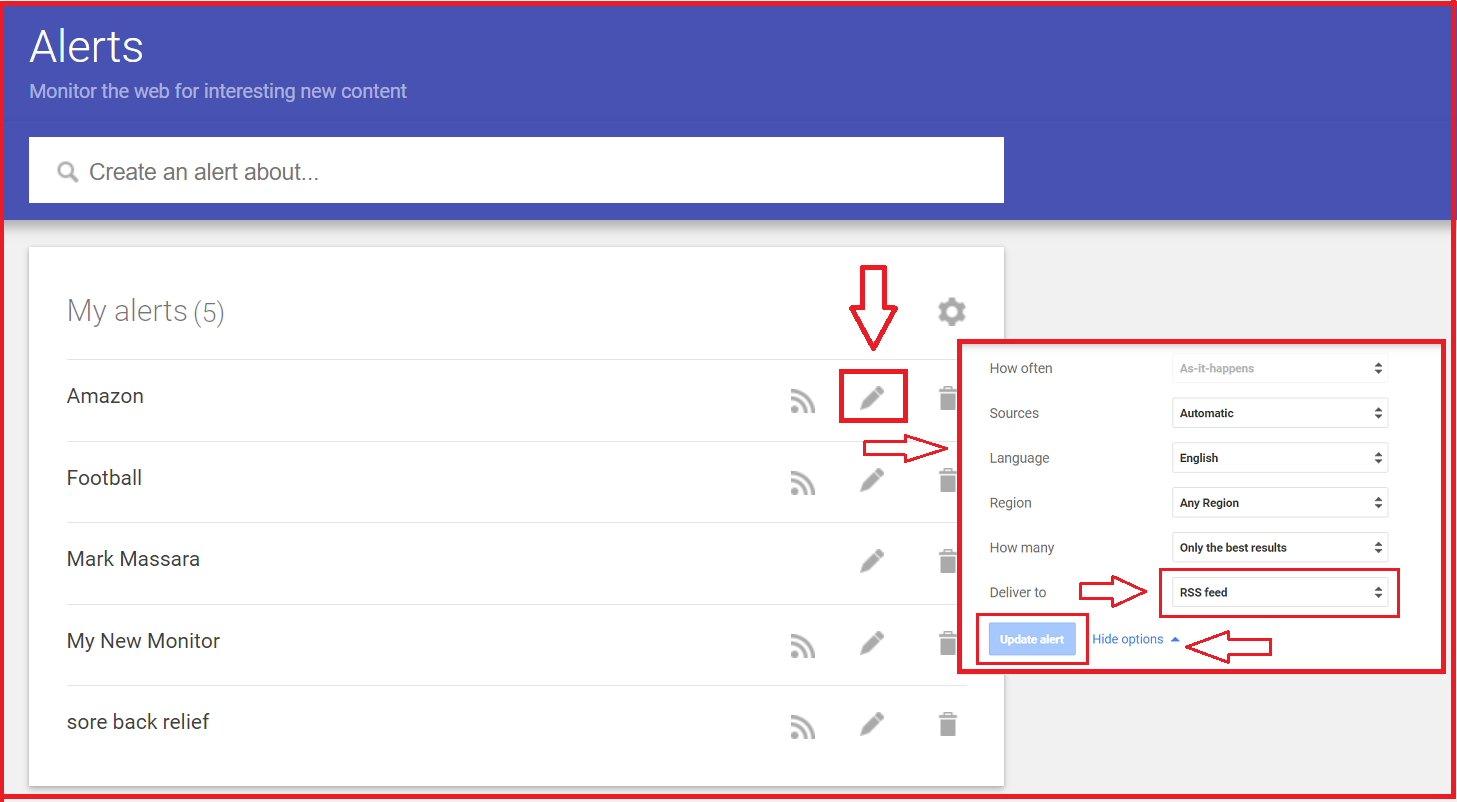
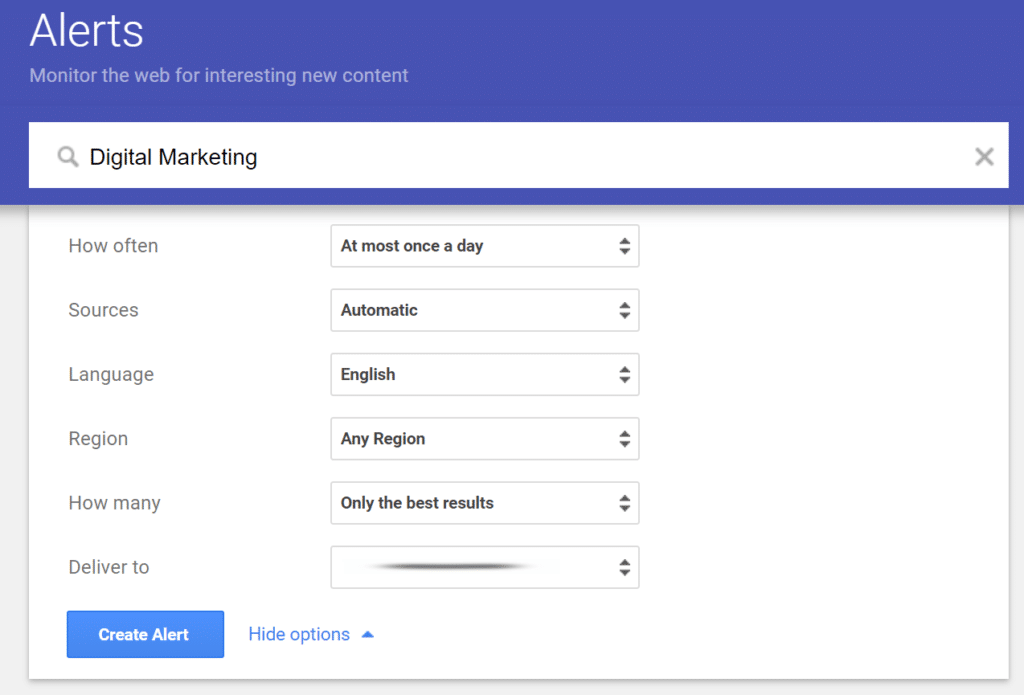
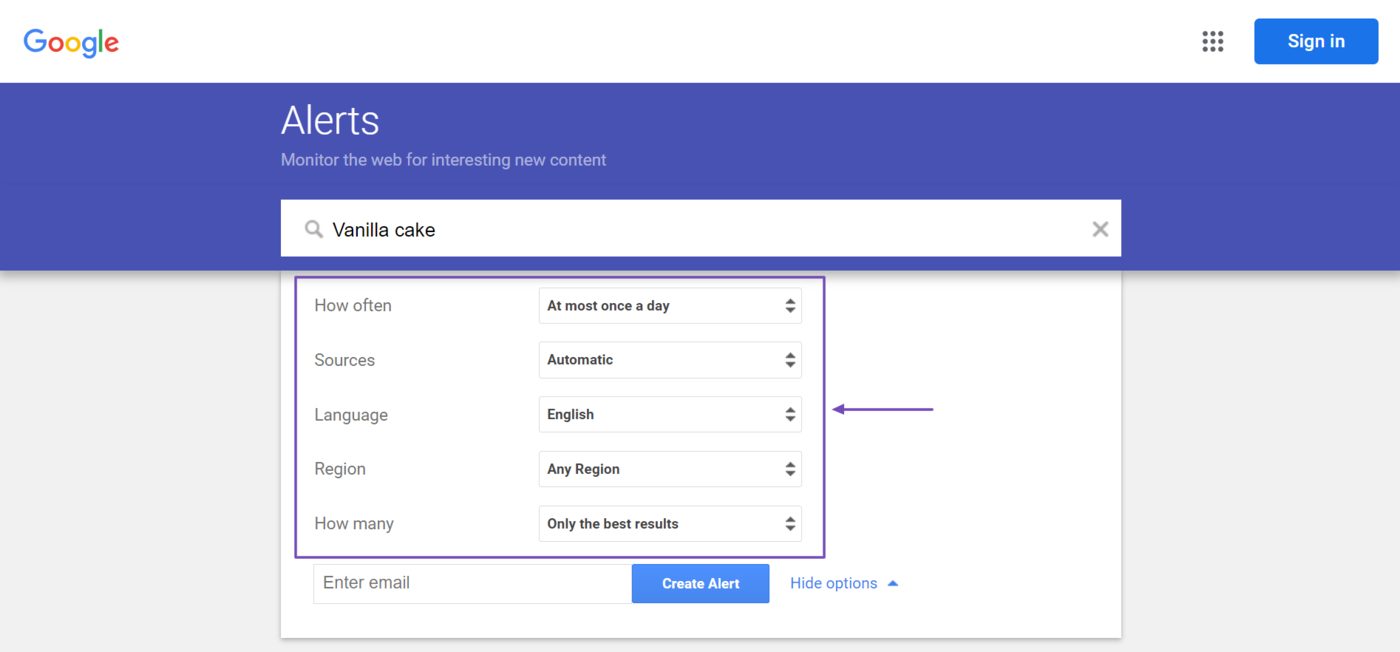
The settings, oh, the settings! They seem so simple at first glance, don't they? You pick your keyword, you choose how often you want to be notified – "as-it-happens," "once a day," "once a week." And this is where the trouble begins. "As-it-happens" is a siren song, luring you into a false sense of immediate knowledge. It's the digital equivalent of standing by the phone, waiting for a call that might never come, or worse, comes with incessant, irritating pings. I tried "as-it-happens" for "rare bird sightings in my area." My phone buzzed so much during migration season, I thought it was possessed. Every time a pigeon flew past my window, Google seemed to think it was a rare, exotic specimen deserving of immediate notification.
Google Alerts: How It Works And How To Set It Up - UPQODE
And then there's the "once a week" option. This feels like a compromise, a nod to sanity. But for some reason, when you choose "once a week," Google seems to consolidate all the irrelevant information from the past seven days and deliver it in one colossal email. It's like a digital gift basket of disappointment. You open it up, hoping for a hidden gem, and instead, you find a mountain of links to articles about "the history of spoons" when you actually wanted to know about, say, "innovative spoon designs."
My personal favorite is the "best" option. What does "best" even mean? Is it the most important? The most relevant? The most likely to make me feel superior at a dinner party? It's a mystery, shrouded in algorithmic ambiguity. I once set an alert for "best pizza places in Rome" with the "best" option selected. I received links to a pizzeria that claimed to have invented pizza in 1789 (spoiler: it hadn't) and another that was simply a picture of a very sad-looking margherita.
Google Alerts : Maximisez Votre Veille en Ligne
The truly hilarious part is how quickly we forget what we've even alerted ourselves to. You'll get an email, glance at the subject line, and think, "Oh, what is this about?" You click on it, only to be reminded that you, in a fit of sleep-deprived optimism or perhaps a sugar rush, once decided that knowing the weekly average price of artisanal pickles was a vital piece of information. And then you're faced with the moral dilemma: delete it unread, or actually click through and pretend you care about the price fluctuations of fermented cucumbers?
It's a constant battle, this quest for curated information. We want to be informed, but not overwhelmed. We want to be in the know, but not drowning in a sea of digital noise. And perhaps, just perhaps, the most popular Google Alerts setting should be something like "interesting things that won't make me feel like I'm failing at life." Until then, I'll be over here, sifting through my daily digest of "pigeon migration patterns" and "historical facts about novelty erasers." It's a wild ride, this thing called Google Alerts. And I wouldn't have it any other way. Well, maybe I would. Just a little bit.