Exercise 3 Neurophysiology Of Nerve Impulses
Ever wonder what’s happening behind the scenes when you decide to, say, grab that last cookie before anyone else? It’s not just your brain saying "Yum!" There's a whole tiny, electrical dance party going on inside your nerves, and it’s surprisingly fascinating. Think of your nerves as super-speedy delivery services, zipping messages all over your body. And the way they do it? Well, it’s a bit like a microscopic, electric wave.
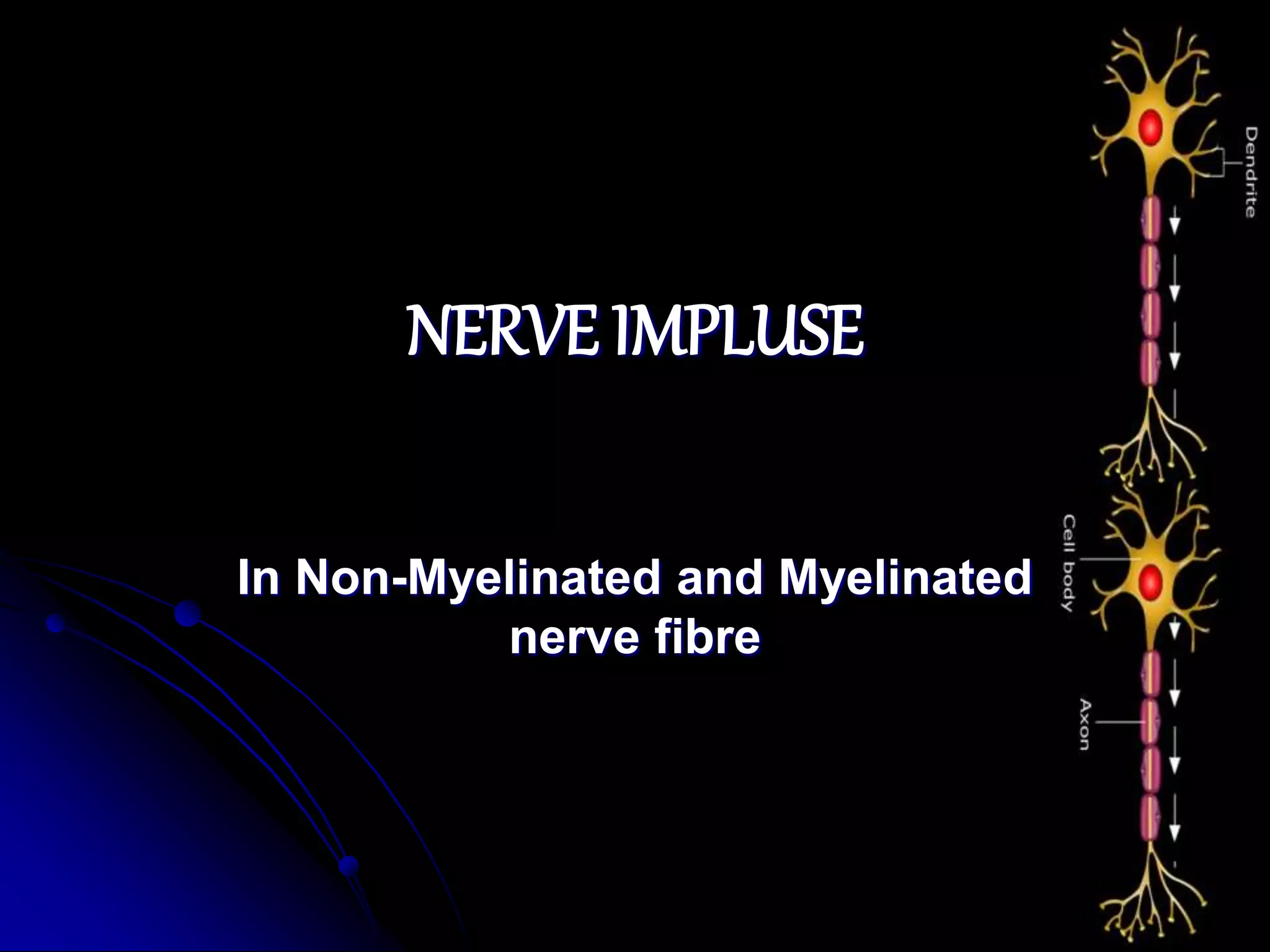
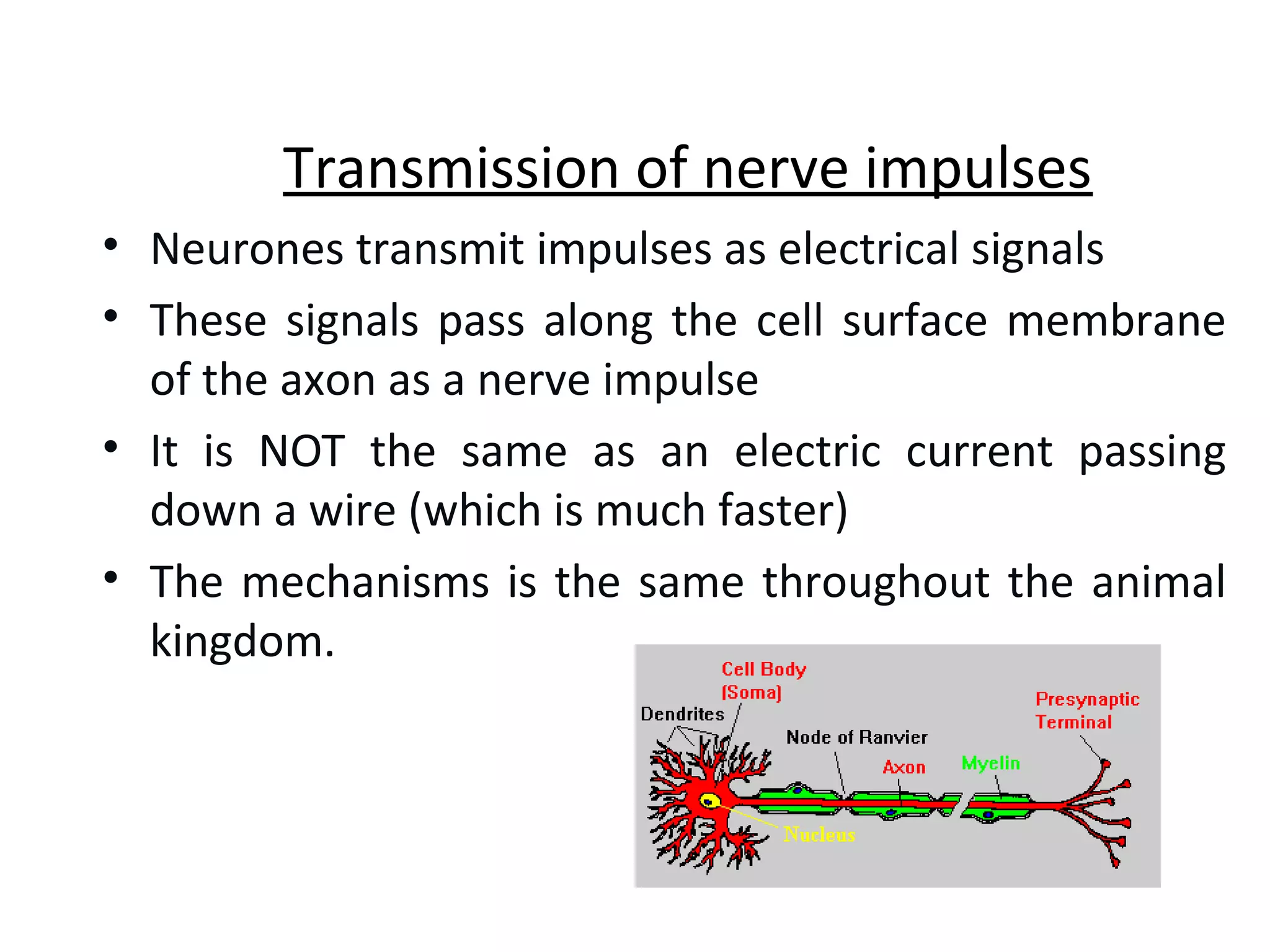
Let's meet our main stars: the neurons. These are the actual nerve cells, the workhorses of your nervous system. They’re not just hanging around; they’re constantly communicating. Imagine a long, skinny wire, but instead of carrying electricity from a wall socket, it’s carrying incredibly important, tiny electrical signals. These signals are called nerve impulses, or sometimes action potentials if you want to get fancy.
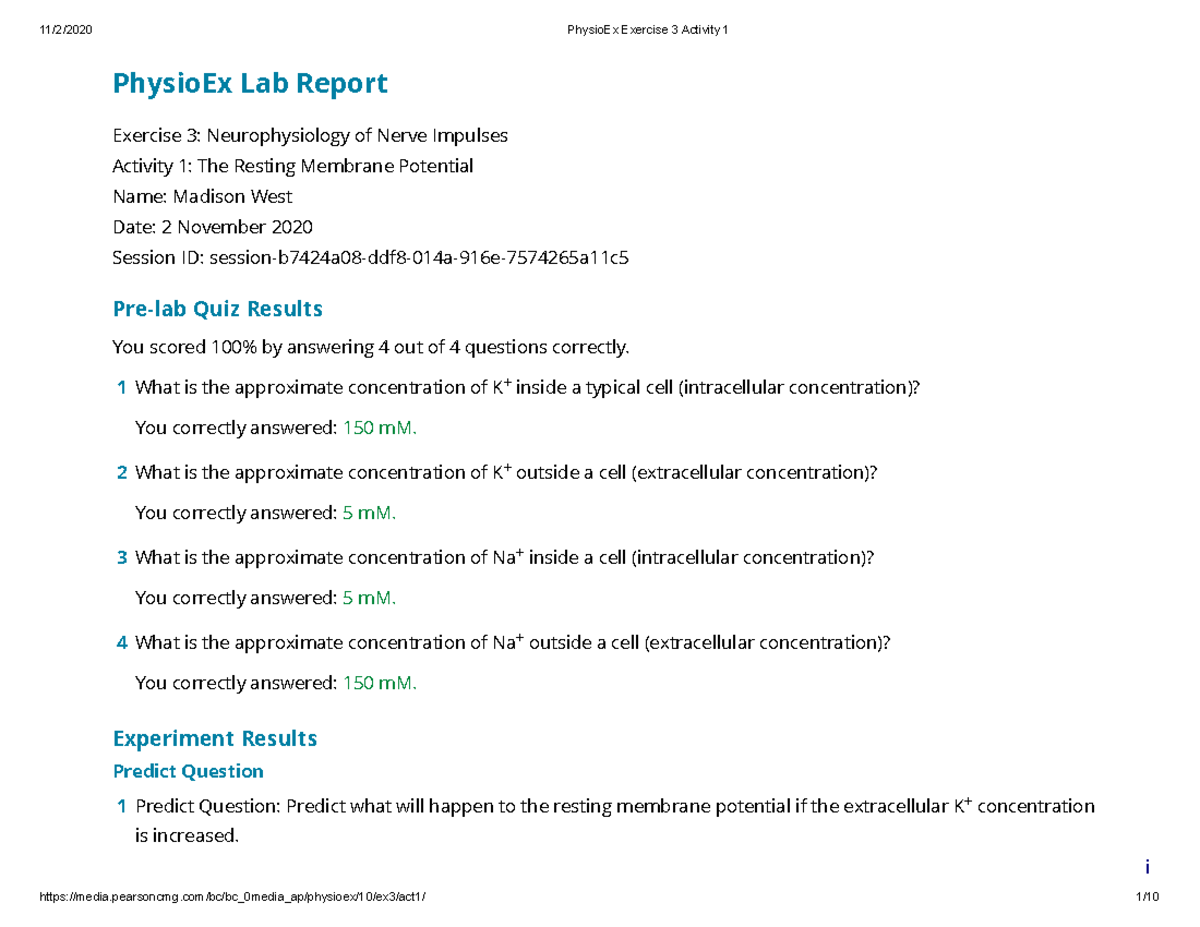
So, how does this electrical magic happen? It all starts with a bit of a difference in the electrical charge inside and outside the neuron. Think of it like a tiny battery. The neuron keeps a delicate balance of electrically charged particles, like little ions called sodium (Na+) and potassium (K+). Outside the neuron, there’s generally more positive charge, and inside, it’s a bit more negative. This difference is called the resting potential, and it’s the calm before the storm.
Must Read
Now, for the fun part! When a neuron gets a message – maybe it’s from your eyes seeing that cookie, or your foot stubbing your toe (ouch!) – it’s like a little nudge that tells the neuron to "wake up!" This nudge causes tiny gates in the neuron’s membrane, called ion channels, to open up. First, the sodium gates swing open, and those positive sodium ions rush into the neuron. This makes the inside of the neuron suddenly become more positive. It’s like the positive charges are having a party inside and letting all their friends in!
This rapid change in electrical charge is the beginning of the nerve impulse, the depolarization. It’s like a wave of excitement washing down the neuron. But don’t worry, the neuron is smart. Almost as soon as the sodium gates open, they start to close. And then, other gates, the potassium gates, open up. These potassium ions, which are also positive, start to flow out of the neuron. This helps to bring the charge back to its negative state, a process called repolarization. It’s like the party guests realizing it’s getting late and starting to leave, restoring the peace.
The really cool thing is that this wave of electrical excitement doesn’t just stop. It travels down the length of the neuron, like a domino effect. Each little section of the neuron’s membrane gets triggered, opening and closing its gates, passing the signal along. This allows information to travel at speeds that would make a race car jealous – up to 268 miles per hour! Imagine sending a text message that fast!
And when this electrical wave reaches the end of the neuron, the axon terminal, it doesn’t just magically jump to the next neuron. There’s a tiny gap, a little space called the synapse, between neurons. It’s like a tiny river that the electrical signal needs to cross. To do this, the electrical impulse triggers the release of special chemical messengers called neurotransmitters. These neurotransmitters are like tiny couriers, floating across the synapse and binding to receptors on the next neuron. It’s a bit like a handshake, passing the baton and telling the next neuron, "Your turn to get excited!"
Different neurotransmitters do different jobs. Some are like cheerleaders, making the next neuron more likely to fire off its own impulse. Others are like bouncers, making it less likely. It’s this complex interplay of excitation and inhibition that allows for everything from simple reflexes to your most complex thoughts and feelings. Think about the joy of seeing a loved one – that’s a cascade of neurotransmitters making your brain sing!
This whole process, from the initial spark to the chemical whisper across the synapse, is the fundamental way your body communicates. It’s how you feel the warmth of the sun, taste your favorite food, or even feel the comfort of a hug. It's a constant, silent symphony of electrical and chemical signals, all working together to keep you alive, interacting, and experiencing the world. So, the next time you reach for that cookie, remember the incredible, lightning-fast journey your nerve impulses took to make it happen!
It's like a microscopic, electric wave.