Does Ink Dry Out In The Printer
Hey there, coffee-lover! Grab your mug, settle in, because we need to talk about something that’s probably been lurking in the back of your mind, especially when that dreaded "low ink" message pops up. Yep, we’re diving into the mysterious world of printer ink. Does it, like, just poof disappear? Does it turn into a shriveled-up raisin inside those little cartridges? Let’s spill the tea, shall we?
So, you know how when you leave a glass of water out on the counter for too long, it starts to look… well, less full? And sometimes you see a little crusty ring around the top? That’s evaporation, my friend. And that, my dear reader, is the biggest culprit when it comes to your printer ink seemingly vanishing into thin air. It’s not a conspiracy, it’s just science. Boo!
Think about it. Printer ink, especially the liquid kind, is basically water with some fancy coloring agents and other bits and bobs thrown in. And what happens to water when it’s exposed to air? Yep, it evaporates. It turns into vapor and floats away. Bye-bye, ink!
Must Read
Now, you might be thinking, "But my printer is all closed up! It's like a little ink fortress!" And you're not entirely wrong. Those cartridges are designed to keep the ink relatively contained. But are they perfectly sealed? Probably not. There are tiny little openings, little pathways for the ink to, you know, do its ink-thing and get onto the paper. And those are exactly the places where evaporation can sneak in.
It’s like that time you swear you closed the chip bag properly, but then you find a few rogue chips scattered around the pantry. The bag wasn't completely sealed, was it? Your printer cartridge is kind of like that, but for liquid.
And it’s not just evaporation that’s the sneaky ink thief. Oh no, there are other mischievous characters in this little drama. Let’s talk about clogging. Ugh, the word itself sounds unpleasant, doesn't it? Clogging is like a mini-traffic jam inside your printer’s print head. It’s where tiny dried ink particles decide to have a little party and refuse to move.
When you don't print for a while, that ink sitting in the print head can start to dry out. It’s like leaving paint on a brush for a few days. It gets crusty, right? That crusty ink can then block the tiny nozzles that are supposed to spray the ink onto the paper. And if the ink can’t get out, well, what do you think happens? It just… sits there. Getting drier. And drier.
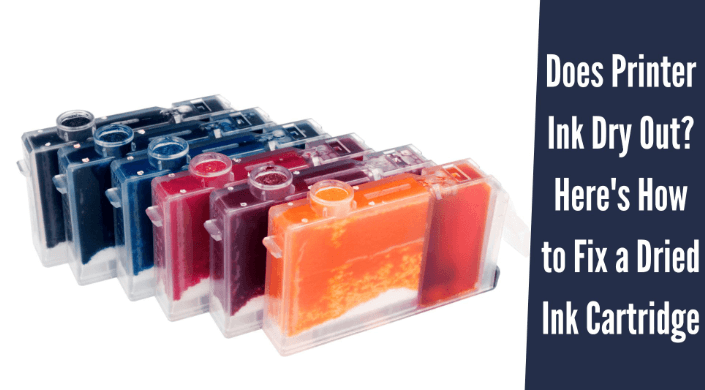
This is why those "print a test page" or "clean the print heads" functions on your printer exist. They’re like little ink-flushing parties, designed to push out that dried-up gunk and get things flowing smoothly again. You might not see the ink drying out, but trust me, it's happening, albeit slowly and stealthily.
So, how long does ink really last?
This is the million-dollar question, isn't it? And like most things in life, the answer is… it depends. Sigh. I know, so unsatisfying! But it's true. A lot of factors come into play.
First off, the type of ink matters. Are you using dye-based ink or pigment-based ink? Dye-based inks are generally more water-soluble and can be more prone to evaporation. Pigment-based inks are more like tiny solid particles suspended in a liquid, and they tend to be a bit more robust. Think of dye as juice and pigment as… well, more like a very fine mud. Mud doesn’t evaporate quite as readily.
Then there’s the environment. Is your printer sitting in a scorching hot, super-dry room? That’s like a spa treatment for evaporation. Is it in a cool, humid basement? That's probably better for your ink's longevity. Temperature and humidity are the secret agents working behind the scenes, you see.
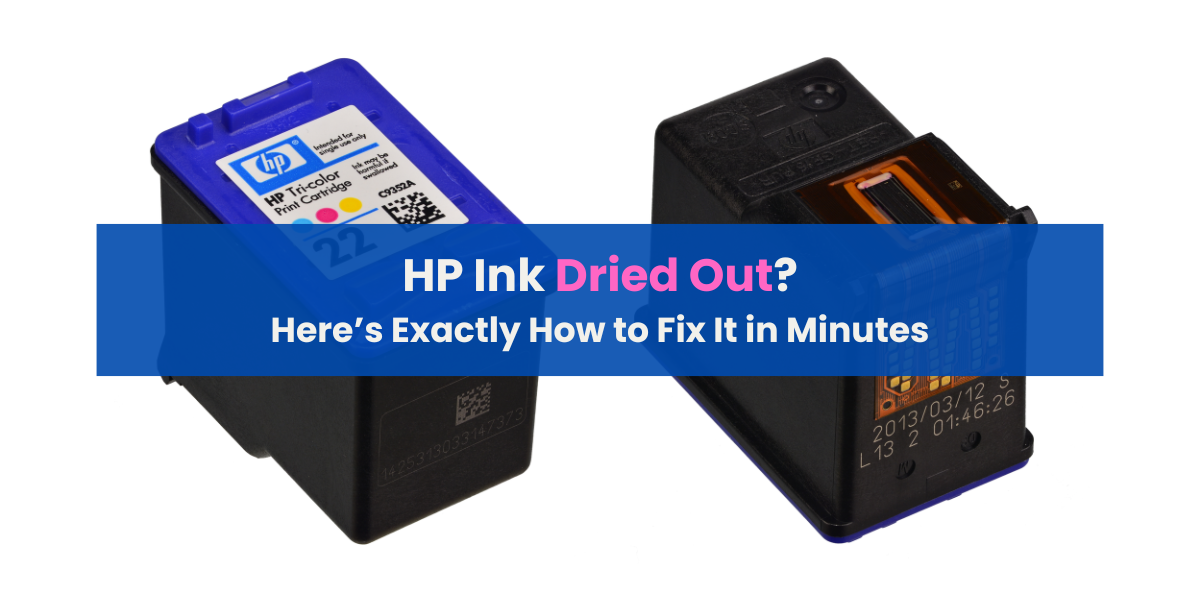
And, of course, there's the frequency of use. This is a big one. If you print something every day, even just a little note, you're keeping that ink moving. It's like stirring your coffee – it prevents things from settling and getting stale. If your printer sits idle for weeks, or even months, that’s when the drying and clogging really starts to take hold.
Manufacturers usually give you an estimated page yield, right? Like, "This cartridge prints 200 pages!" But that's usually based on ideal conditions and specific types of documents. Printing a full-page, vibrant photo is going to chug through ink way faster than printing a black-and-white text document. So, that 200-page estimate can feel like a cruel joke sometimes.
Plus, the "low ink" indicator itself is often a bit… optimistic? Or maybe pessimistic, depending on how you look at it. It's not usually when the cartridge is completely empty. It's more like when the printer thinks you're about to run out, based on its calculations. Sometimes you can squeeze a few more pages out, but then you risk those dreaded streaks and faded colors because the ink flow isn't as strong.
So, what can you do to fight the ink drying menace?
Don’t despair! There are ways to be a proactive ink warrior. It’s not a lost cause!
First and foremost, print regularly. Seriously, even if it’s just a silly meme or a grocery list. A quick print job every week or two is your best defense against dried-out ink. Think of it as giving your printer a little exercise. It’ll thank you for it, probably with fewer error messages.
If you know you’re going to be away for a while, like on a long vacation, there are a couple of things you can do. Some people recommend taking the cartridges out and storing them in an airtight bag. I’m a bit wary of this, as I’ve heard stories of it not always working perfectly, but it’s an option some swear by. Just make sure they’re sealed really, really well. No air allowed!
Another trick is to use the printer’s built-in cleaning cycles. Most printers have a “head cleaning” function in their software. Run it once in a while, especially before you tackle a big printing job after a period of inactivity. It’s like a mini-spa treatment for your print heads. And who doesn’t love a good spa treatment?
And when you replace cartridges, try to get them from a reputable source. Sometimes, especially with third-party cartridges, the ink quality can vary, and that can affect how quickly it dries or clogs. You get what you pay for, as they say. Sometimes you get a bargain, and sometimes you get… well, ink that dries out faster.
Also, be mindful of how you store unused cartridges. Keep them in their original packaging until you’re ready to use them. And store them in a cool, dry place. Avoid direct sunlight or places that get really hot. They're not sunbathers, these cartridges!
The Great Ink Mystery: Solved? (Kind Of)
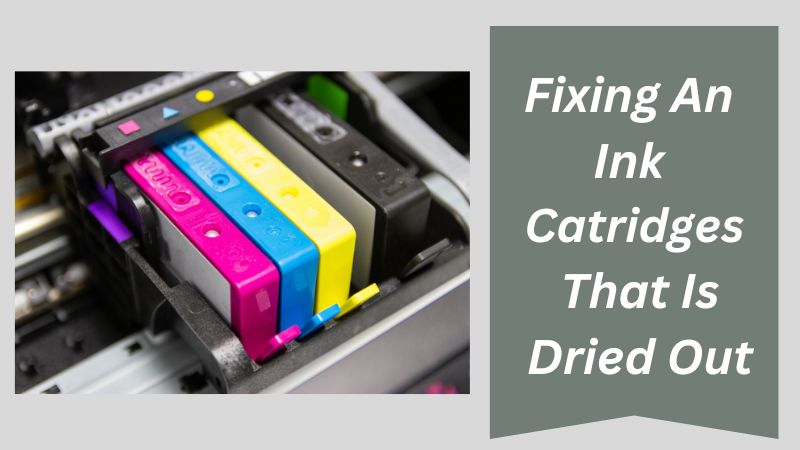
So, to recap, does ink dry out in the printer? Yes, it absolutely does. It’s a combination of evaporation, those sneaky little openings in the cartridges, and the ink starting to solidify in the print head when it’s not being used. It’s not magic, it’s just physics and a little bit of mischievous goo.
It’s a bit like leaving a slice of bread out on the counter. Eventually, it’s going to get stale and hard. Printer ink is no different, just on a much smaller, more technical scale. It’s not that the ink is disappearing in a puff of smoke, but rather that its liquid state is changing, making it less effective and, eventually, unusable.
The good news is, with a little bit of regular printing and some common-sense storage, you can significantly slow down this process. You can outsmart the ink-drying gremlins! It’s all about keeping things moving and preventing that crusty buildup. So, next time you see that "low ink" warning, you'll have a better idea of what's really going on inside that whirring, clicking contraption. It’s not just a random error; it’s a sign of your ink’s little adventure with gravity and air!
And hey, if all else fails and you end up with a printer that’s more clogged than a rush-hour subway, well, that’s a story for another coffee break, right? Until then, happy printing, and may your ink stay liquid and your pages stay vibrant!