
Does A Smart Tv Need An Aerial

Hey there, fellow tech explorers and couch potato connoisseurs! Ever found yourself staring at that sleek, new smart TV, all ready to dive into a world of streaming and apps, and then a little voice in the back of your mind whispers: “Wait a minute… does this fancy gizmo actually need an aerial?” It’s a good question, right? We’re living in a golden age of on-demand entertainment, where everything from gritty crime dramas to hilarious cat videos is just a click away. So, in this digital utopia, where does the humble aerial fit in?
Let’s get this out of the way upfront: for many, many smart TVs, the answer is a resounding “nope!”. Think of your smart TV like a really advanced computer that happens to have a giant screen. It’s designed to connect to the internet, and that’s where most of your viewing pleasure will come from. We’re talking Netflix, Hulu, Disney+, YouTube – the whole gang. These services beam content directly to your TV through your Wi-Fi or an Ethernet cable. So, if your main mission is to binge-watch the latest series or catch up on viral sensations, you’re probably already set. The aerial is just… well, an optional extra for some.
But hold on, before you go ripping out those old cables like a mad scientist, there’s a bit more to this story. You see, the world of television broadcasting hasn't entirely abandoned the airwaves. There are still channels available through what we call Freeview or terrestrial television. These are the channels you used to get with a good old-fashioned antenna. And guess what? Most modern smart TVs, even the ones that are practically begging to be plugged into the internet, still have a built-in tuner for these broadcast signals. It’s like your smart TV has a secret superpower it’s not always shouting about!
Must Read
So, why would you even bother with an aerial in the age of unlimited streaming? Well, think about it this way: streaming is awesome, but it relies on a stable internet connection. If your Wi-Fi decides to take a vacation, or if your internet provider is having a bad hair day, your streaming party can come to a screeching halt. Suddenly, you’re left staring at a buffering icon, which is about as exciting as watching paint dry. Terrestrial TV, on the other hand, is like a sturdy old oak tree. It’s reliably there, broadcasting its signals regardless of your internet woes. It’s a fantastic backup, a safety net for your entertainment needs!
The Magic of Freeview
Let’s dive a little deeper into this Freeview magic. In many countries, especially the UK, terrestrial television offers a surprising number of channels for free. We’re talking news, documentaries, sports, and even some decent drama. All you need is a TV aerial that’s pointed in the right direction and a smart TV with a built-in Freeview tuner. It’s like having a secret stash of channels that costs you absolutely nothing per month. Pretty neat, huh?
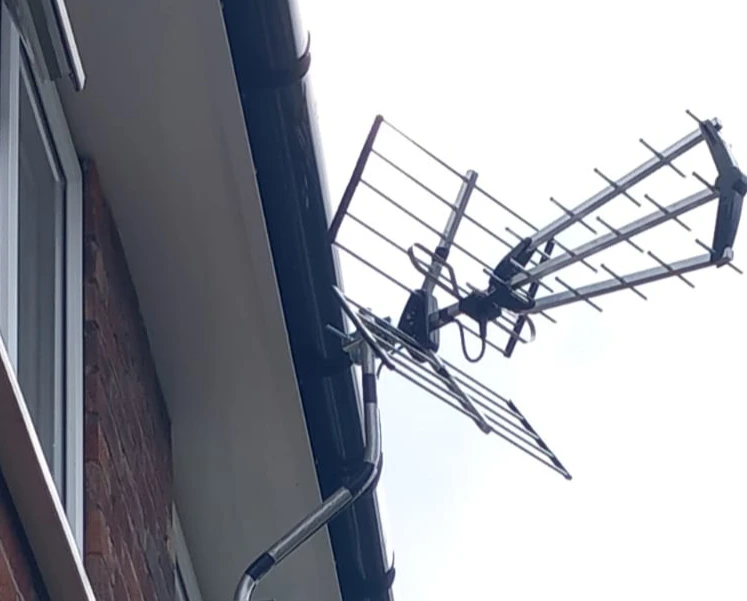
And the best part? Setting it up can be surprisingly simple. If you already have an aerial, it’s often just a matter of plugging it into the right port on your TV (usually labeled “ANT IN” or “RF IN”) and then doing a quick channel scan through your TV’s settings menu. The TV then does its thing, searching for all the available broadcast signals. It’s like a treasure hunt, but instead of doubloons, you find channels!
Now, the quality of the signal you receive will, of course, depend on a few things. Your location plays a big role – are you close to a transmitter? Is there a giant hill blocking your path? And the type and condition of your aerial matter too. A rusty old aerial that’s seen better days might not be the best at catching those precious signals. But even a basic indoor aerial can sometimes do the trick, especially if you live in a good reception area.
When the Aerial Becomes Your Best Friend
So, let’s recap. If your smart TV is primarily for internet-based streaming services, you likely don’t need an aerial to get started. Your Wi-Fi is your portal to that digital wonderland. However, if you live in an area with decent terrestrial TV reception, and you’re looking for a cost-effective way to access more channels, or simply want a reliable backup for when your internet decides to misbehave, then connecting an aerial can be a brilliant move.
Think of it like having a smartwatch. You can do a ton of cool things with it without your phone, like tracking your steps or checking the time. But its real power comes when it’s connected to your phone, expanding its capabilities. Your smart TV is similar. It’s fantastic on its own for streaming, but adding an aerial gives it another layer of functionality, another way to access content. It’s like adding a turbo boost to your entertainment engine!

What if you’re moving into a new place? Sometimes, the previous tenants left an aerial installed. In that case, it’s definitely worth giving it a whirl! It’s a free resource waiting to be tapped. If you’re not sure if your smart TV has a Freeview tuner, a quick peek at the TV’s manual or a search online for your TV model should tell you. Most modern smart TVs from the last decade will have one. It’s a standard feature, like a headphone jack used to be!
And let’s not forget the sheer simplicity. In a world where we’re constantly setting up new accounts, remembering passwords, and dealing with subscription fees, the idea of just plugging something in and getting free channels is pretty darn appealing, don’t you think? It’s a refreshing change of pace. It’s like finding a forgotten ten-dollar bill in your old jeans – a small, delightful surprise!
Ultimately, whether your smart TV needs an aerial depends on how you plan to use it. For pure streaming enthusiasts, it’s probably not a necessity. But for those who appreciate a bit of redundancy, want to explore free broadcast content, or are looking for a failsafe when the internet goes down, then hooking up that aerial can be a surprisingly smart move. It’s about giving yourself options, and in the grand scheme of entertainment, having more options is almost always a good thing. So go forth, explore your TV’s capabilities, and may your viewing experience be ever delightful and buffer-free!


