Do You Need Theory Test For Cbt
So, you're thinking about getting on two wheels, huh? Awesome! The open road (or, you know, the slightly less open local roads) awaits! And naturally, your brain's probably buzzing with questions. One of the big ones, I bet, is about this whole CBT thing. Like, do you need to hit the books for the theory test before you even touch a scooter? Let's spill the tea, shall we?
First things first, what even IS a CBT? It stands for Compulsory Basic Training. Think of it as your first official step into the motorcycle world. It's not some super-intense exam designed to make you weep into your helmet. Nope, it's more like a friendly introduction to riding safely. They want to make sure you're not going to, like, instantly zoom off into a hedge, you know?
Now, the million-dollar question (or at least, the fifty-quid question): theory test for CBT? Drumroll, please… NO, you absolutely do not need to pass your theory test before you do your CBT!
Must Read
Seriously! Take a deep breath. You can ditch the flashcards for now. The CBT is all about getting you physically ready to ride. It's hands-on, practical stuff. They'll cover the basics of controlling the bike, maneuvering it around, and some essential road safety. You know, things like checking your mirrors, signaling, and not accidentally running over a rogue squirrel.
Imagine it this way: the CBT is like learning to ride a bicycle for the first time. Do you need to pass a written exam on cycling physics before you get your stabilisers off? Of course not! You just hop on, wobble a bit, maybe have a minor tumble (all part of the learning curve, right?), and eventually, you're cruising. The CBT is kind of like that, but with a bit more instruction and, you know, an engine. And probably less grass stains.
So, the CBT is your initial training. It's designed to get you to a basic standard of competence. You’ll spend a day (or sometimes two, depending on how quickly you pick things up) with a qualified instructor. They’ll walk you through everything from how to put on your gear (super important, by the way!) to actually riding the bike.
There are usually a few different phases to the CBT. You'll start off in a nice, safe, off-road area. Think of it as your training paddock. This is where you’ll get a feel for the bike, learn how to use the controls – the throttle, the brakes, the gears, oh my! – and practice some basic maneuvers like slaloms and emergency stops. Don't worry if you feel a bit clumsy; everyone does at first. It's like trying to pat your head and rub your stomach at the same time, but with potentially more metal involved.
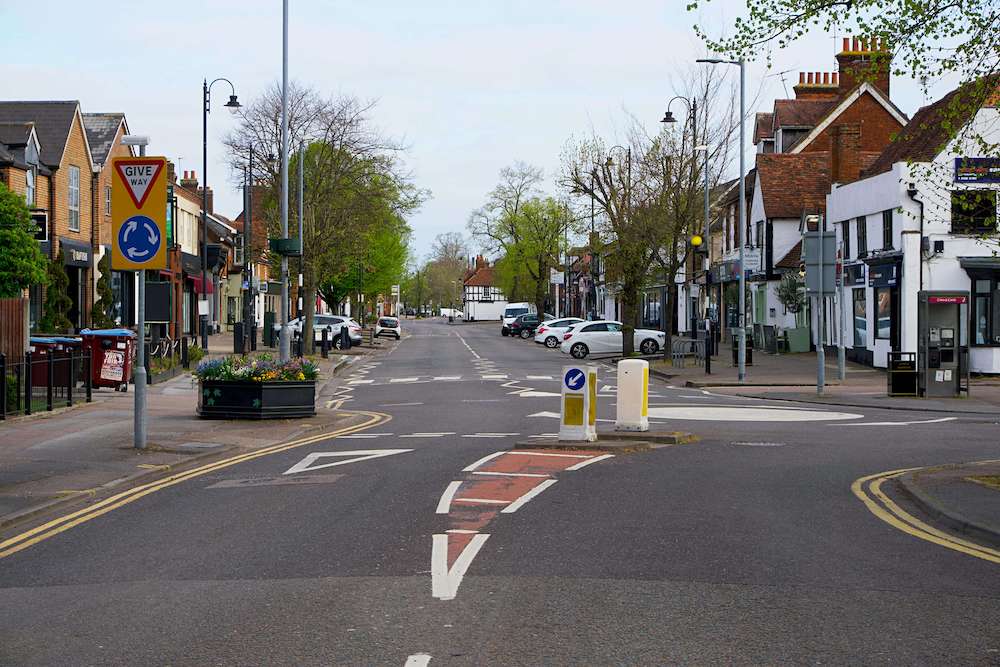
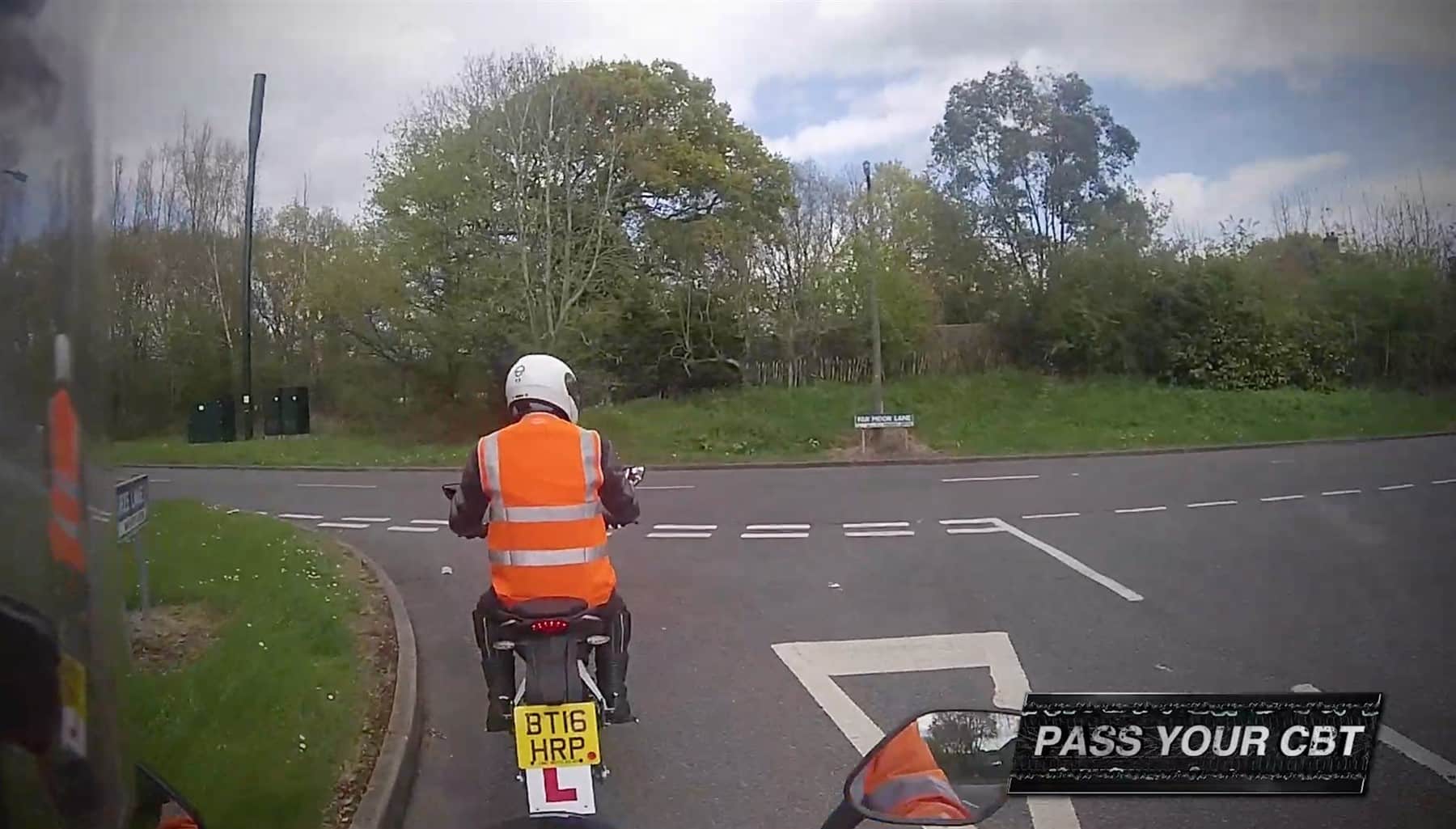
Once you're comfortable doing those sorts of things without accidentally setting the bike on fire (kidding… mostly), you'll move on to the road. This is where the real fun begins! You'll be riding out with your instructor, who will be either following you or riding alongside you, giving you guidance and making sure you’re safe. They’ll be watching how you interact with traffic, how you handle junctions, and generally how you’re applying what you’ve learned.
And throughout all of this, there's a bit of a theory element woven in. Your instructor will chat with you about things like road signs, hazard perception, and what to do in different situations. It’s all informal and conversational, not like a stuffy classroom lecture. They're just making sure you're thinking about what you're doing and understanding the risks.
But again, no formal theory test to pass for the CBT itself. It’s all about practical demonstration and understanding. They want to see that you can do things safely, not just that you can recite how to do them.
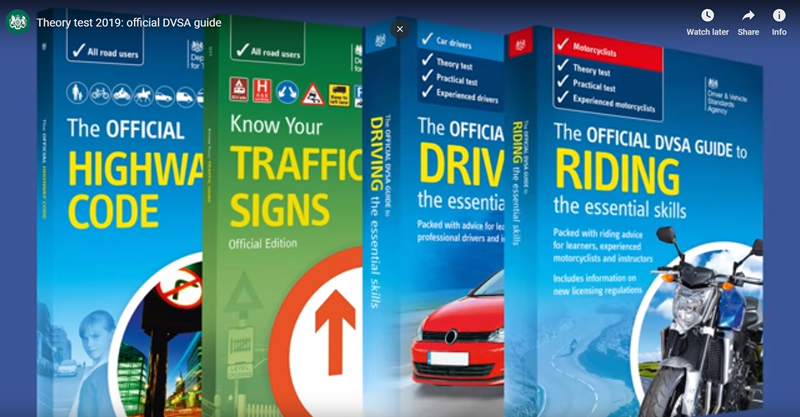
Now, here’s where the theory test does come into play. If you want to go beyond the basic CBT license and get a full motorcycle license, then yes, you'll absolutely need to pass the motorcycle theory test. This is a separate thing entirely, and it's done at an official DVSA (Driver and Vehicle Standards Agency) test centre.
The motorcycle theory test is split into two parts:

Part 1: Multiple Choice Questions
This is pretty much what it sounds like. You’ll be sitting in front of a computer, and you’ll have to answer a bunch of multiple-choice questions about road rules, safety, vehicle knowledge, and things like that. It’s designed to test your understanding of the Highway Code and other important driving information. You need to get a certain number of questions right to pass. Think of it as a glorified quiz, but one that actually matters for your riding future!
Part 2: Hazard Perception
This is the more visual part. You’ll watch a series of video clips that show everyday road scenes. As you watch, you’ll need to click your mouse whenever you spot a developing hazard. A hazard is anything that might cause you to change speed, direction, or stop. It could be a car pulling out, a pedestrian stepping into the road, or even just a cyclist wobbling a bit. The sooner you spot the hazard and the more effectively you respond (by clicking), the more points you get. This part really tests your ability to anticipate what might happen on the road, which is crucial for safe riding.
So, the order of operations is generally:
- Do your CBT. Get your basic skills sorted and get that certificate!
- Pass your motorcycle theory test. Hit the books (or apps!) and ace that quiz.
- Book and pass your practical motorcycle test. This is the final hurdle, where you show off your riding skills on the road.
You can actually do your theory test at any point after you turn 16 (if you're aiming for a moped license) or 17 (for a geared motorcycle). Some people like to get it out of the way early, just to tick it off the list. Others prefer to do it after their CBT, when they've got a bit more context and real-world riding experience under their belt. Both approaches are totally fine!
Think about it: the CBT gives you the foundation. It’s your introduction to the physical act of riding. The theory test is about the knowledge. It’s about understanding the rules and how to be aware of your surroundings. You need both to be a fully qualified and safe rider.
The CBT certificate you get at the end of your training is valid for two years. During those two years, you can ride a moped or a small motorcycle (up to 125cc if you’re over 17) while displaying L-plates. If you want to upgrade to a bigger bike or remove the L-plates, you'll need to pass your full motorcycle tests. And to do that, you'll need that theory test pass certificate.
So, to reiterate, because I know we’re just having a casual chat and it’s easy to get lost in the details: CBT = no theory test needed. Full license = theory test IS needed.
It’s a bit like baking a cake. The CBT is like mixing the batter and getting the oven ready. The theory test is like reading the recipe carefully to make sure you know all the ingredients and steps. And the practical test? That’s the actual baking and decorating of the cake!
Don't stress about the theory test too much before your CBT. Focus on enjoying your training and absorbing what your instructor teaches you. The practical skills are paramount for the CBT. Once you’ve got that sorted and you’re feeling confident, then you can tackle the theory test with a clear head. There are tons of apps and online resources that make studying for the theory test actually quite fun and engaging. Some even have little games!
Honestly, the biggest hurdle for most people is just getting started. The idea of learning to ride can seem a bit daunting, but the CBT is designed to be approachable. Instructors are usually super patient and used to dealing with complete beginners. They've seen it all, believe me!
So, ditch the panic about the theory test for now. Get yourself booked in for your CBT. You'll probably surprise yourself with how quickly you pick things up. And who knows, you might even find yourself actually enjoying it! Imagine that!
The key takeaway here is that the CBT is your entry-level qualification. It's your "permission to learn" on the road, under supervision. It's not the end goal, but it's a vital first step. And for that step, your brain power can be focused on what your hands and feet are doing with the bike.
Once you've got that CBT certificate in your hand, you'll feel a sense of accomplishment, I promise. You'll be legally allowed to ride a motorcycle on the road, albeit with restrictions. Then, when you feel ready to take the next step towards a full license, that's when the theory test becomes your next mission. You can take your time with it. There's no rush. The motorcycle world is all about enjoying the journey, not just the destination, right?
So yeah, to sum it up in one super-casual, coffee-shop-friendly sentence: You can totally do your CBT without worrying about the theory test first! Phew! Now go forth and conquer those two wheels!