Do You Eat The Skin On Brie

Ah, brie! That glorious, creamy, often mind-bogglingly delicious cheese. Just the thought of it conjures up images of cozy evenings, fancy cheese boards, and the sheer joy of a perfectly melted bite. But nestled within this delectable dream is a question that sparks surprisingly passionate debates: do you eat the rind on brie? For many, it’s a simple yes or no. For others, a source of confusion and perhaps even a little anxiety. Let’s dive in and unravel the mystery!
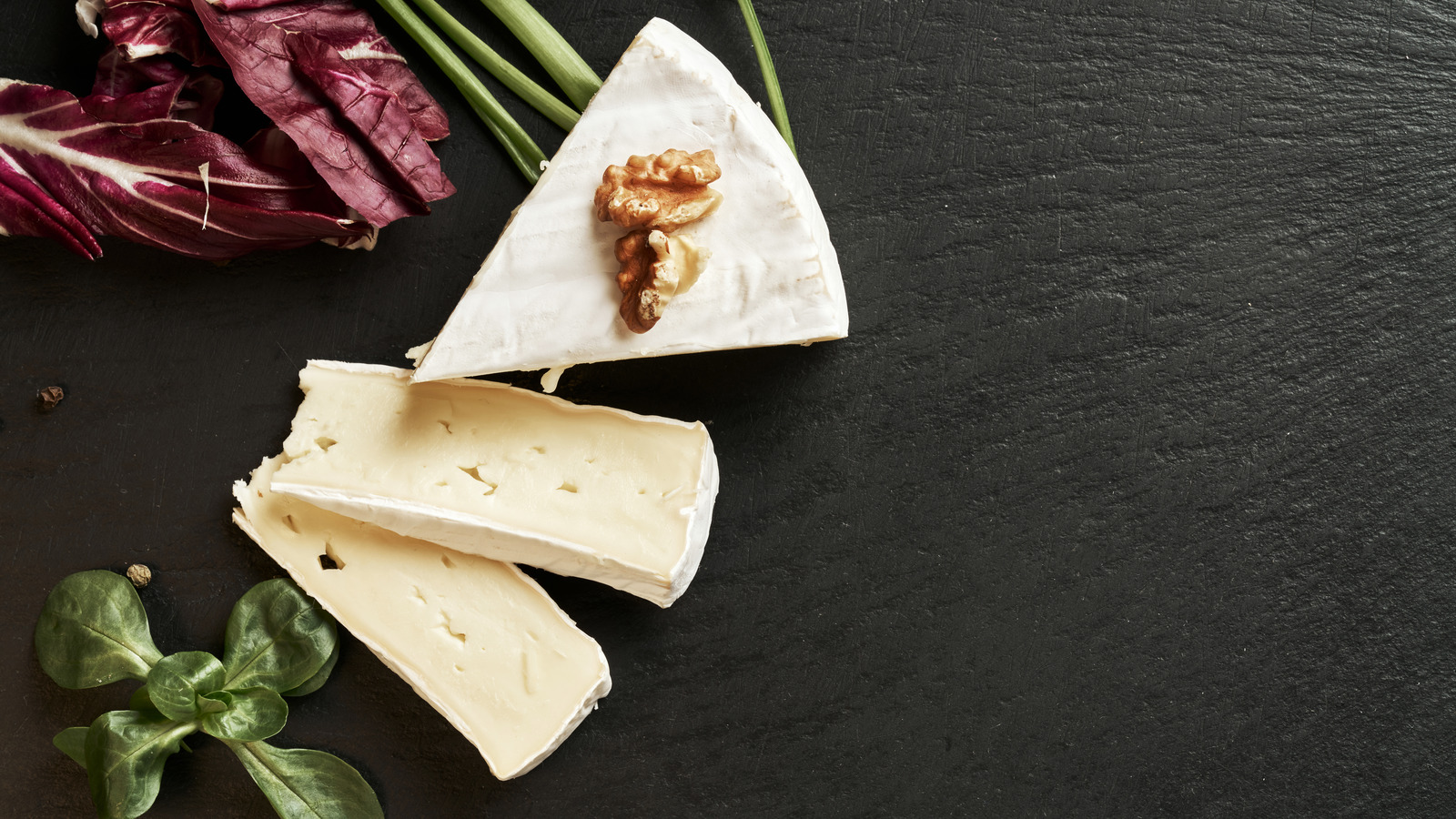
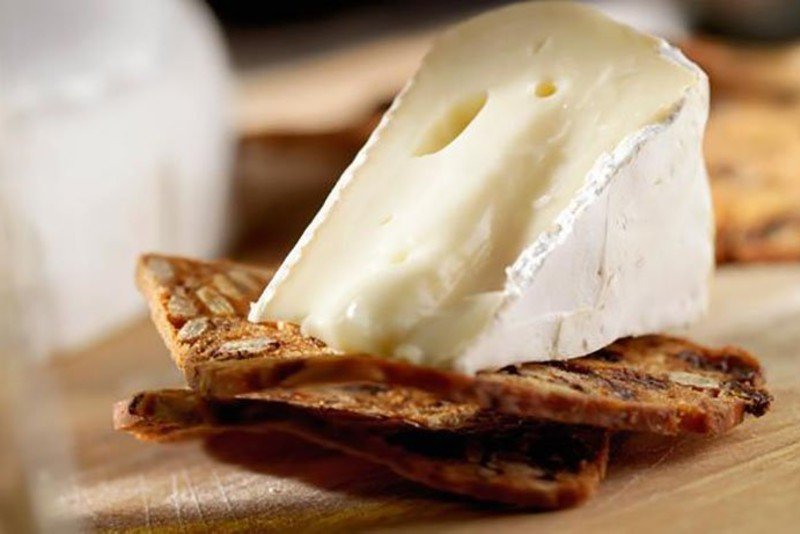
Eating the rind on brie isn’t just a culinary quirk; it’s an integral part of the cheese-eating experience. That soft, bloomy rind, often white and velvety, is actually quite special. It’s cultivated with a special mold, Penicillium candidum, which helps the brie develop its characteristic creamy texture and subtle, earthy flavors as it ripens. Think of it as the cheese's natural, edible blanket, protecting its gooey interior and contributing significantly to its overall taste profile. So, the primary purpose of the rind is to enhance the flavor and texture of the cheese itself.
When you buy a wheel of brie, that rind is meant to be there! Leaving it on is the most common and, dare I say, ideal way to enjoy it. The rind adds a subtle complexity, a slightly mushroomy or nutty undertone that balances the richness of the paste. It provides a pleasing textural contrast – a delicate chewiness against the silken interior. Omitting the rind is akin to eating a perfectly baked bread and discarding the crust – you're missing out on a significant element of its character!
Must Read
You’ll find people enjoying brie with its rind in countless ways. It’s a staple on any self-respecting cheese board, offering a visual appeal as well as a flavor component. When brie is baked, the rind softens beautifully, becoming wonderfully edible and holding in all that molten goodness. Think of a baked brie appetizer – the rind is absolutely crucial to that warm, gooey, dippable delight. Even when used in cooking, like in a decadent brie and cranberry tart, the rind often melts right in, adding its unique essence to the dish.

Now, for those practical tips on how to enjoy your brie, rind and all, more effectively. First and foremost: trust your senses. If the rind looks healthy, feels soft, and smells pleasant (a little ammoniated is normal for ripe brie, but anything truly off-putting is a sign to discard), then it's good to go. Next, let your brie come to room temperature before serving. This is crucial for both the texture of the paste and the edibility of the rind. Cold brie is often firm and less flavorful, and the rind can feel tough. Serving it at room temp allows the cheese to reach its full creamy potential, making the rind feel yielding and integrated.
If you’re still a little hesitant, try this: cut a wedge and take a bite that includes a good portion of both the paste and the rind. You might be surprised at how harmonious the flavors and textures are. For baked brie, ensure it’s baked until the rind is soft and yielding. And remember, the goal is to appreciate the entirety of this magnificent cheese. So, the next time you unwrap a wheel of brie, embrace the rind. It’s there for a reason, and it’s truly a gift to your palate!