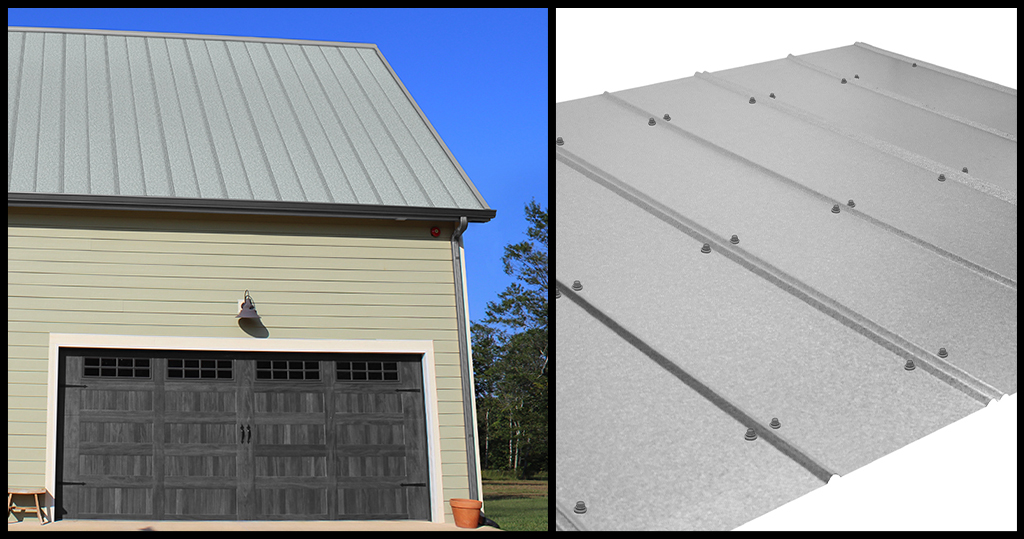
Do I Need Closure Strips For Metal Roofing
Let's talk about something that might sound a little… unglamorous, but trust us, it's surprisingly important for a happy, long-lasting metal roof! We're diving into the world of closure strips. Now, before your eyes glaze over, think of them as the unsung heroes, the silent guardians, that help make your metal roof perform its very best. They're not just random bits of material; they're clever little components designed to solve some common roofing puzzles. If you're considering a metal roof, or just curious about what makes one tick, understanding these strips is a fantastic little nugget of knowledge to have in your toolbox. They’re a key ingredient in achieving that sleek, durable, and weather-tight finish that makes metal roofing so popular!
What in the World Are Closure Strips?
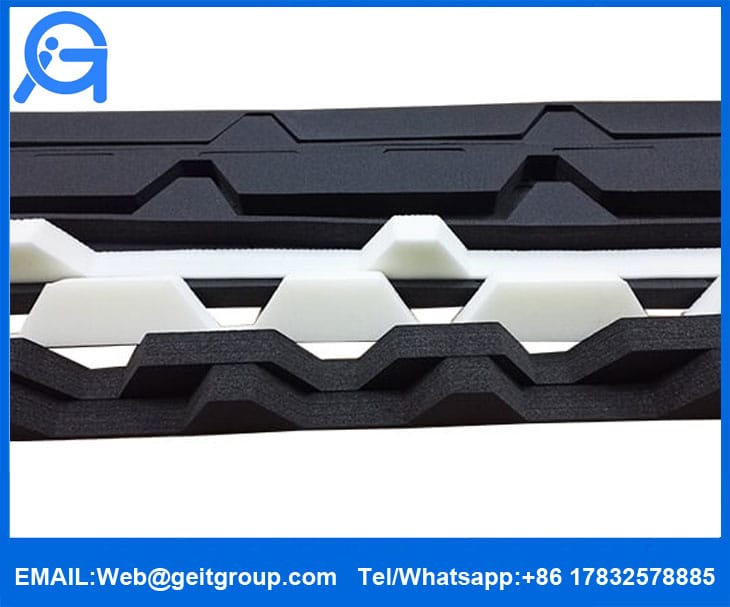
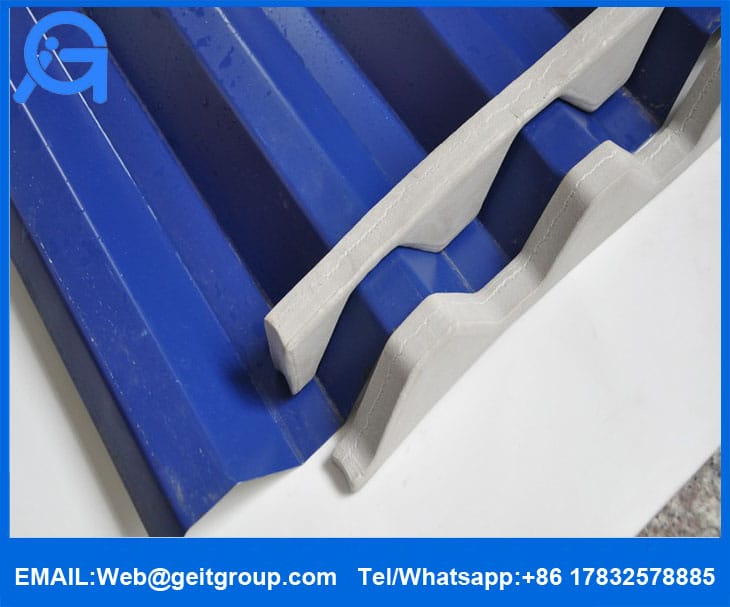
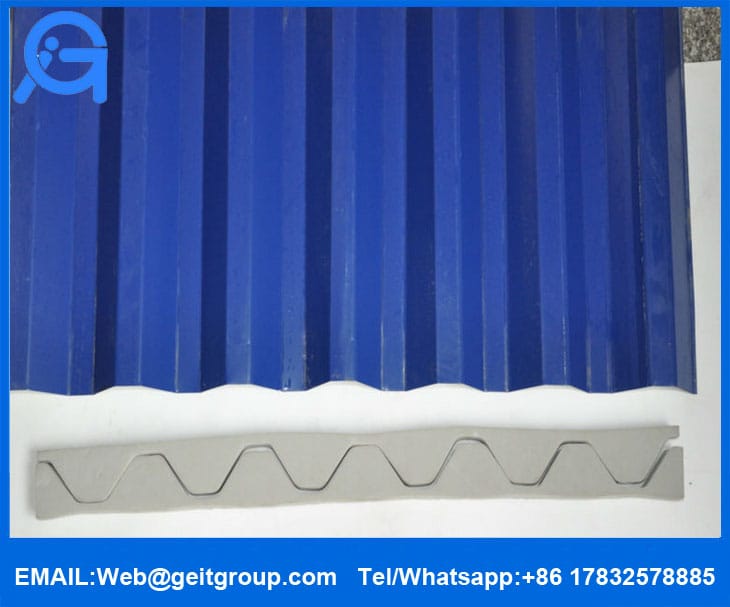
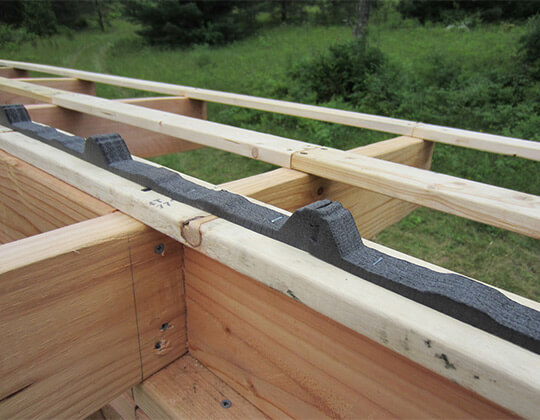
So, what exactly are these mystical closure strips? Imagine your metal roofing panels, sleek and strong, interlocking together to form a protective shield for your home. Now, picture the very edges of these panels, where they meet the roof's profile, or where they connect to other elements like eaves and ridge caps. That's precisely where closure strips come into play. They are essentially shaped pieces of material, often made from foam, rubber, or sometimes even metal, that are specifically designed to fill the gaps and conform to the unique profiles of your metal roofing panels.
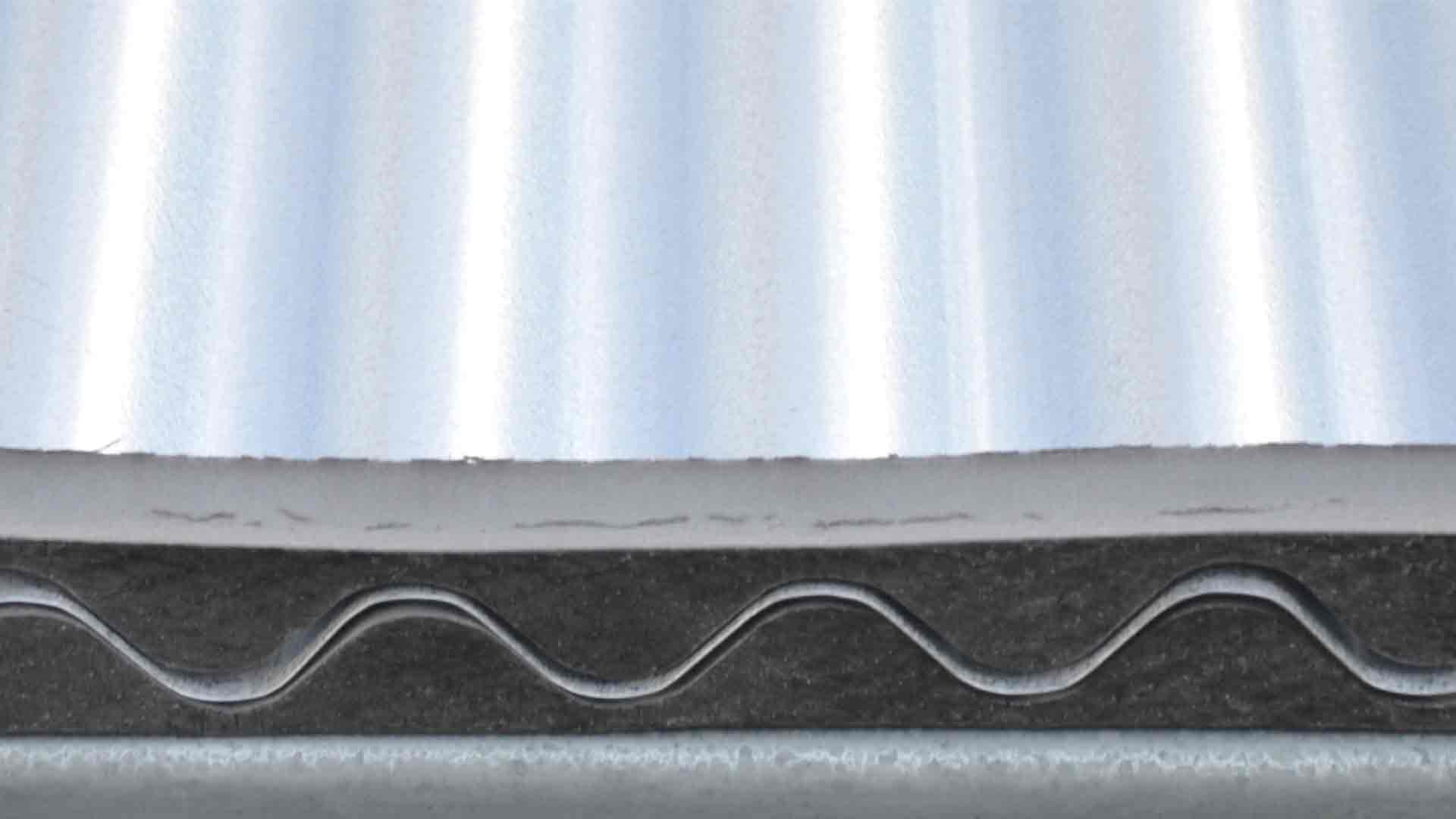
Think of them like the perfectly fitted puzzle pieces that ensure there are no awkward gaps or weak spots. Each type of metal roofing panel has its own distinct shape – perhaps a series of high ribs and low valleys, or a more corrugated wave. Closure strips are meticulously engineered to match these contours precisely. They sit snugly underneath the overlapping sections of the metal panels, providing a barrier and a solid base.
Must Read
They are the unsung heroes, the silent guardians, that help make your metal roof perform its very best.
Why All the Fuss? The Marvelous Benefits of Closure Strips
Now that we know what they are, let's explore why they’re so darn useful. The benefits of using closure strips with your metal roof are significant and contribute directly to its longevity and performance:
Keeping the Elements Out (and In!)
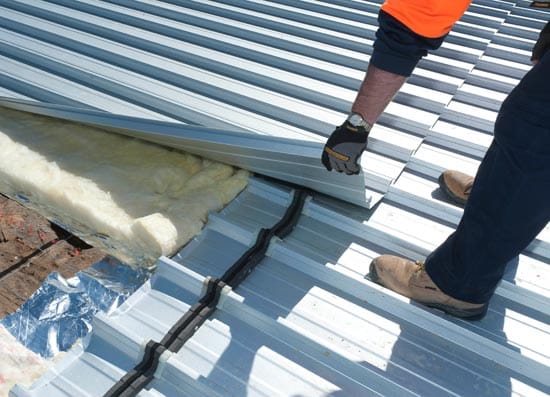
This is their primary superpower! Metal roofs are fantastic at shedding water, but even the best interlocking systems can have tiny pathways for unwanted guests. Closure strips create a formidable seal. At the eaves, where the roof panels overhang, they prevent wind-driven rain, snow, and even small critters like insects and birds from finding their way into your attic space. This is crucial for preventing moisture damage, mold growth, and pest infestations that can compromise your home's structure and air quality.
Breathing Room and Ventilation
While they seal, they also allow for controlled airflow. This might sound contradictory, but it's a delicate balance. In certain areas, like the ridge cap, specific types of closure strips can be designed to allow for necessary ventilation. Proper attic ventilation is vital for regulating temperature, preventing moisture buildup, and extending the life of your roof and building materials. By managing airflow effectively, closure strips contribute to a healthier and more energy-efficient home.
Eliminating Those Annoying Noises
Metal roofs are known for their durability and longevity, but they can sometimes be a bit noisy, especially during heavy rain or hailstorms, or when temperatures fluctuate and the metal expands or contracts. This expansion and contraction can cause the metal panels to rub against underlying structures or each other, leading to that characteristic "pinging" or "popping" sound. Closure strips act as a buffer, absorbing these movements and significantly reducing the noise. This means a more peaceful and quiet living environment for you and your family.
Structural Support and Panel Stability
Beyond sealing and sound dampening, closure strips provide crucial support. They fill the void beneath the high points of the metal panels, creating a more rigid and stable surface. This is particularly important in areas prone to high winds. By providing a solid base, they help prevent the metal panels from flexing or vibrating excessively, reinforcing the overall integrity of your roof system.
A Smoother, Cleaner Look
Functionality aside, closure strips also contribute to the aesthetic appeal of your metal roof. They ensure that the edges of your roof panels sit flush and neat, preventing unsightly gaps or drooping. This results in a cleaner, more professional, and visually appealing finish that truly enhances your home's curb appeal.
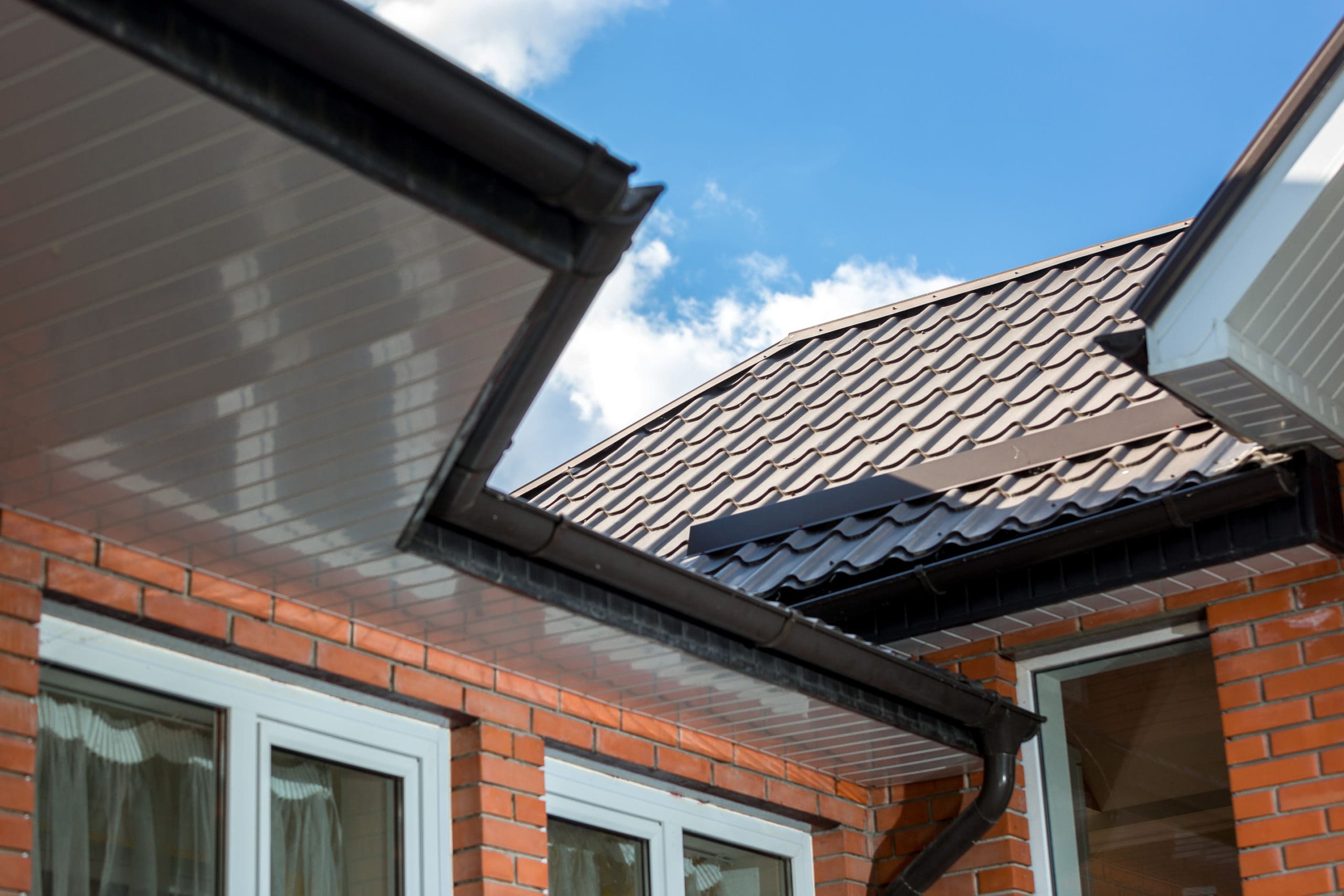
When Do You Really Need Them?
So, the big question: Do you need them? In most cases, the answer is a resounding yes! For any professionally installed metal roof, closure strips are considered an essential component, not an optional add-on. They are typically required at:
- Eaves: To prevent water and debris from entering.
- Rakes (Gable Ends): To seal the edges where panels meet.
- Ridge Caps: To provide ventilation and a clean finish.
- Valley Flashings: To ensure watertight transitions.
- Valance and Trim Areas: For a seamless, protected edge.
Your roofing contractor will almost certainly include them as part of a comprehensive metal roofing installation. They are integral to achieving the manufacturer's warranty requirements and ensuring the long-term performance of your investment. While some very basic, non-interlocking metal roofing sheets might get away without them, for the vast majority of standing seam, corrugated, or panelized metal roofing systems, closure strips are a non-negotiable element for a truly effective and durable roof.
In conclusion, while closure strips might be a small part of your metal roofing system, their contribution is anything but small. They are the diligent workers that ensure your roof stays watertight, quiet, well-ventilated, and structurally sound for years to come. So, the next time you admire a beautiful metal roof, give a little nod to those humble closure strips – they're working hard to keep everything protected!