Do I Need A Licence For A Drone

So, you’ve seen those shiny, whirring contraptions buzzing around the park, capturing jaw-dropping aerial shots that make your Instagram feed look like it was filmed by a potato. You’re thinking, “Hey, I could totally do that! I’m practically a Spielberg in waiting, with a drone as my trusty sidekick!” But then, the nagging question pops into your head, like a rogue pigeon in a delicate camera lens: Do I need a licence for a drone?
Ah, the age-old question. It’s a bit like asking if you need a licence to own a really enthusiastic golden retriever that might accidentally knock over your prized gnome collection. The short answer, my friends, is that it depends. And before you imagine yourself soaring through the clouds like a majestic eagle, expertly piloting your futuristic gadget, let’s inject a healthy dose of reality, sprinkled with a bit of legal jargon and a dash of pure silliness.
First things first, let’s clear the air. We’re talking about those nifty flying cameras, not, you know, a full-blown military-grade Predator drone. Unless you’re planning to deliver a pizza to the moon or conduct espionage on your neighbour’s cat (we’ve all been tempted, admit it), we’re probably in the realm of recreational or commercial drone flying.
Must Read
Now, for the good news and the slightly less-good news. If you're just looking to take some pretty pictures of your garden from a bird’s-eye view, or maybe capture your dog chasing its tail in a way that looks more like an interpretive dance, then in most places, you’re probably in the clear for casual, hobbyist flying. Think of it as buying a really cool toy. As long as you’re not using it to annoy people, spy on celebrities (again, tempting, but no), or, God forbid, deliver tiny drones disguised as bees to pollinate your neighbour’s prize-winning tomatoes, you might be okay.
However, even for the casual flyer, there are a few crucial rules that are less about a licence and more about not being a menace. Imagine this: you’re at a picnic, enjoying a perfectly chilled lemonade, when suddenly, a drone the size of a small badger whizzes past your ear, narrowly missing your perfectly coiffed hair. Not cool, right? So, even for fun, you’ve got to be sensible. No flying over people, no flying near airports (unless you want to have a very unplanned introduction to air traffic control), and definitely no flying above a certain altitude. They don’t want you accidentally joining the International Space Station, do they?

The specifics can get a little murky, like trying to see through a drone camera in a dust storm. Different countries, and even different regions within countries, have their own little quirks. It’s like choosing your favourite flavour of ice cream – everyone has an opinion, and what’s right for one person might be a disaster for another. So, a quick online search for your local aviation authority is your best friend here. Think of them as the ultimate drone-whisperers.
Now, let’s talk about the big guns. Are you planning on using your drone to make a living? Maybe you’re a real estate agent wanting to showcase properties from above, a filmmaker looking for that epic sweeping shot, or perhaps you're a pizza delivery entrepreneur who's figured out how to attach a pepperoni to a propeller. If the answer is yes, then congratulations, you’ve entered the world of commercial drone operation, and yes, my friend, you are almost certainly going to need a licence.
This isn't just a formality; it's about safety and responsibility. Commercial flying means your drone is a tool of your trade. It's like a chef needing a proper set of knives – you can’t just grab any old butter knife and expect to julienne a carrot with surgical precision. Commercial drone licences usually involve a bit more paperwork, some testing, and proving you know your stuff. You’ll need to understand airspace regulations, weather conditions, and how to operate your drone safely and legally. It’s not rocket science, but it’s definitely more than just pressing the “on” button and hoping for the best.

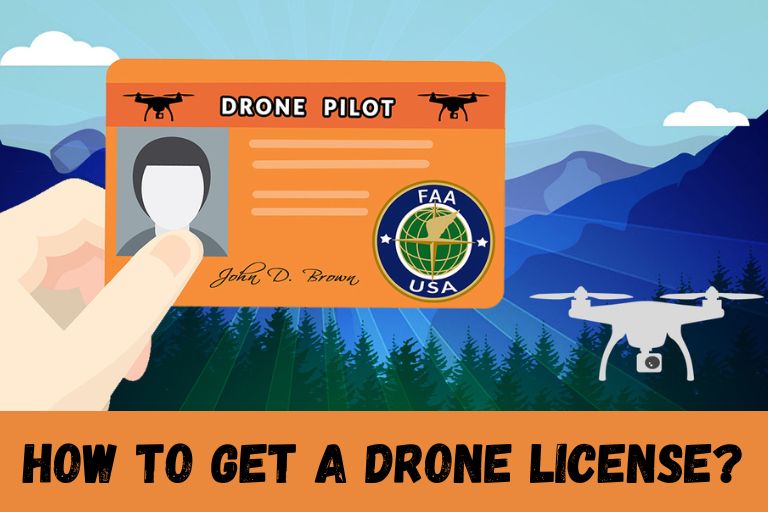
In the United States, for instance, if you’re flying for any business purpose, you’ll likely need to obtain a Part 107 certificate from the Federal Aviation Administration (FAA). This involves passing an aeronautical knowledge test, which sounds daunting, but think of it as an advanced driving test for the skies. You’ll learn all about airspace classifications, operating limitations, and how to avoid becoming a headline for the wrong reasons. Imagine the shame of crashing your expensive drone because you didn’t know the difference between Class B and Class G airspace. Ouch.
The UK has its own set of rules, often managed by the Civil Aviation Authority (CAA). Again, for recreational flying, it’s often about following the general guidelines. But if you’re making money from it, you’ll need to get an Operator ID and likely a Flyer ID, and potentially more specific permissions depending on what you’re doing. They’re quite keen on making sure you’re not a rogue pilot zipping around Buckingham Palace, so understand the rules!
It’s worth noting that drone technology is moving at warp speed. What’s legal today might have a slight tweak tomorrow. So, staying up-to-date with the latest regulations is key. It’s like keeping up with the latest TikTok dance crazes – you don’t want to be the last one on the dance floor doing the… well, whatever the current dance is. (I’m still recovering from the Macarena.)
Here's a surprising fact for you: Did you know that some of the earliest “drones” were actually pilotless planes developed during World War I? So, while your DJI Phantom might look like it beamed down from the future, its ancestors were a bit more… explosive. Thankfully, modern drones are a lot more user-friendly and a lot less likely to start a war.
So, to recap, in a nutshell, like a tiny, perfect drone delivery: If you’re just flying for fun, keeping a safe distance from people, planes, and private property, and not making a single penny from it, you’re probably fine without a specific licence. But always check your local regulations! If you’re using that flying marvel for any kind of commercial gain, then yes, buckle up, buttercup, because you’re almost certainly going to need a licence. It’s all about being a responsible, safe, and dare I say, awesome drone pilot. Now go forth and capture those epic shots, just try not to scare any squirrels on the way!