
Do Cats Get Fleas In The Winter

Okay, let's talk about something seriously important. Or maybe just seriously… itchy. We’re diving into the age-old question: do our fluffy overlords get fleas in the winter? You know, when the weather outside is frightful, and your cat is delightful (and hopefully, not full of tiny, jumpy pests).
It’s a question that pops up as soon as the leaves start to fall. You're snuggled up on the sofa, your cat is a purring furnace next to you, and you suddenly picture… them. Tiny, unwelcome guests. So, do they pack their tiny suitcases and head for warmer, fuzzier climes when the snow starts to fly? Or do they just… chill?
The short answer is a resounding YES. Cats absolutely can get fleas in the winter. Don't let the chilly air fool you. Those little bloodsuckers are surprisingly resilient. They’re not exactly waiting for a heatwave to show up. Think of them as tiny, tenacious ninjas of the parasite world.
Must Read
The Cozy Conspiracy
So, why the confusion? Well, we tend to associate fleas with summer picnics and outdoor adventures. You know, when your dog might roll in something… questionable. But here’s the twist: when it gets cold outside, where do our pets (and by extension, their potential flea hitchhikers) go? INSIDE.
That’s right. Your warm, toasty house becomes a flea paradise. Your cat, seeking refuge from the cold, is essentially inviting the entire flea neighborhood in for a housewarming party. And the fleas? They’re thrilled. They’ve got heating, they’ve got food (your beloved feline), and they’ve got plenty of places to hide and multiply. It’s like a tiny, furry all-inclusive resort.
Imagine your cat, blissfully unaware, purring contentedly. Meanwhile, beneath that glorious fluff, a miniature drama is unfolding. A drama involving tiny leaps, frantic scratching, and a whole lot of… sustenance. It’s enough to make your skin crawl, isn’t it? But hey, it’s also kind of fascinating in a morbid way.
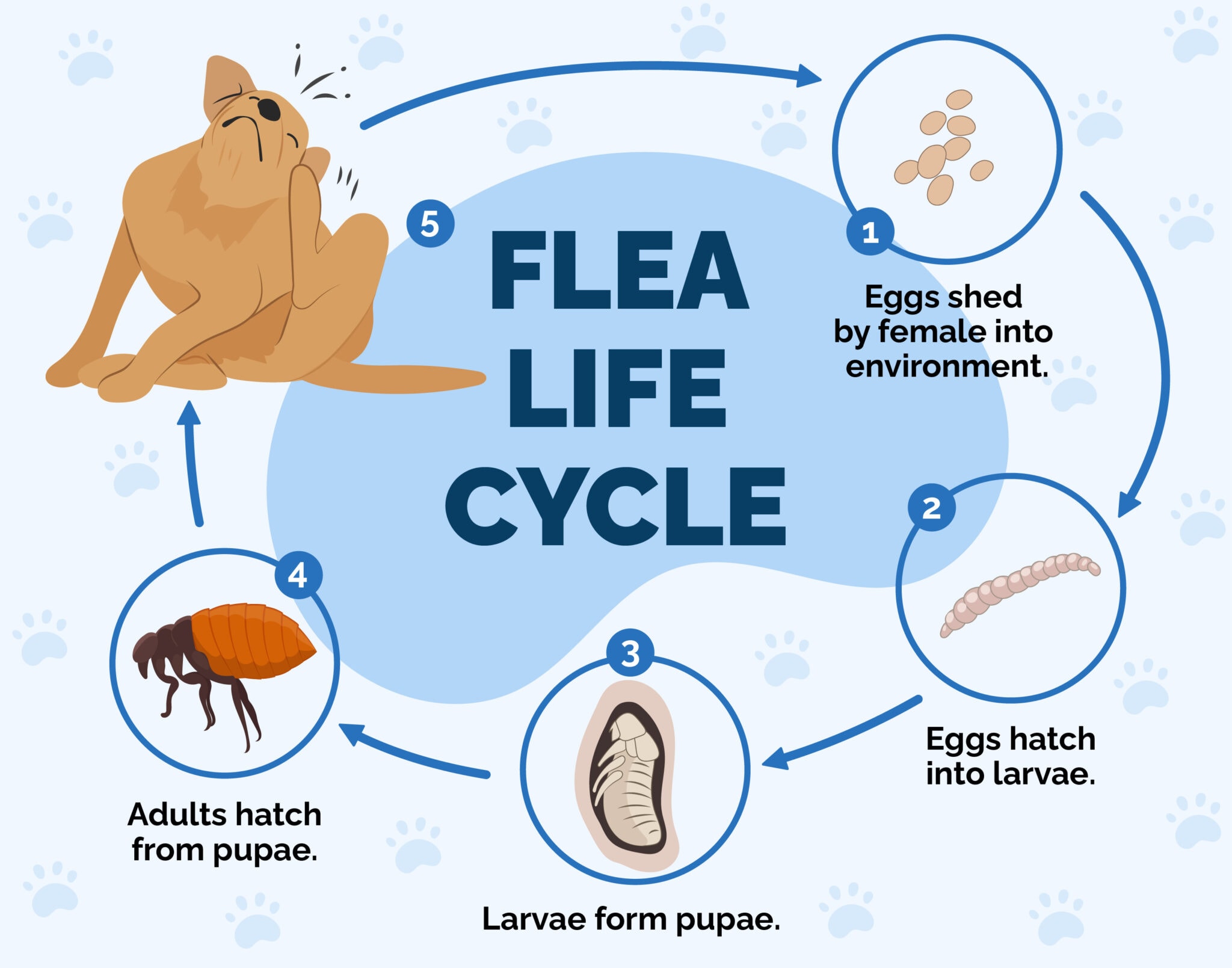
The Flea Life Cycle: A Winter Surprise
Here’s where it gets really interesting. Fleas are clever. They don’t just have a single "active" season. Their life cycle is pretty sophisticated, and it can continue, albeit at a slower pace, even in cooler temperatures, especially indoors. You’ve got eggs, larvae, pupae, and then the adult fleas we all know and… dislike.
The pupae stage is the real trickster. These little guys are practically invincible. They can hang out in your carpet fibers, in your cat’s favorite napping spot, or even in the cracks of your baseboards, waiting for the perfect moment to emerge. They can survive for months, just patiently biding their time. And what’s the perfect moment? A warm body moving nearby. Like, say, your cat.
So, even if you haven’t seen a flea since last August, those dormant pupae could be lurking, ready to hatch when your cat strolls by. It’s like a tiny, biological booby trap. Your house might be cold, but your cat? Your cat is a walking, talking, purring thermostat for these tiny creatures.
Indoor Cats Aren't Immune
Now, you might be thinking, "My cat never goes outside. They’re an indoor-only superstar. They’re safe, right?" Wrong-o! While outdoor cats are more likely to pick up fleas, indoor cats are by no means exempt. How? WELL.
Here are a few sneaky ways fleas can invade your indoor sanctuary:
- YOU! Yep, we humans can be unintentional flea couriers. You might bring them in on your shoes or clothes after walking through an infested area. Think of it as bringing home a souvenir you definitely didn't ask for.
- Other Pets: If you have a dog who does go outside, they are a prime suspect for bringing fleas inside. They’re practically furry flea taxis.
- Visitors: Ever have a friend with a pet visit? They could unknowingly be bringing in a flea or two. It's the gift that keeps on giving… irritation.
- Infested Furniture or Belongings: If you bring home secondhand furniture or even just a nice comfy blanket from somewhere else, there’s a slim chance it could have hitchhikers.
It’s a whole interconnected web of potential flea transmission. It’s almost like a tiny, microscopic soap opera happening all around us, and we’re just trying to enjoy our quiet, flea-free winter. Almost.
The "Oh No" Moment
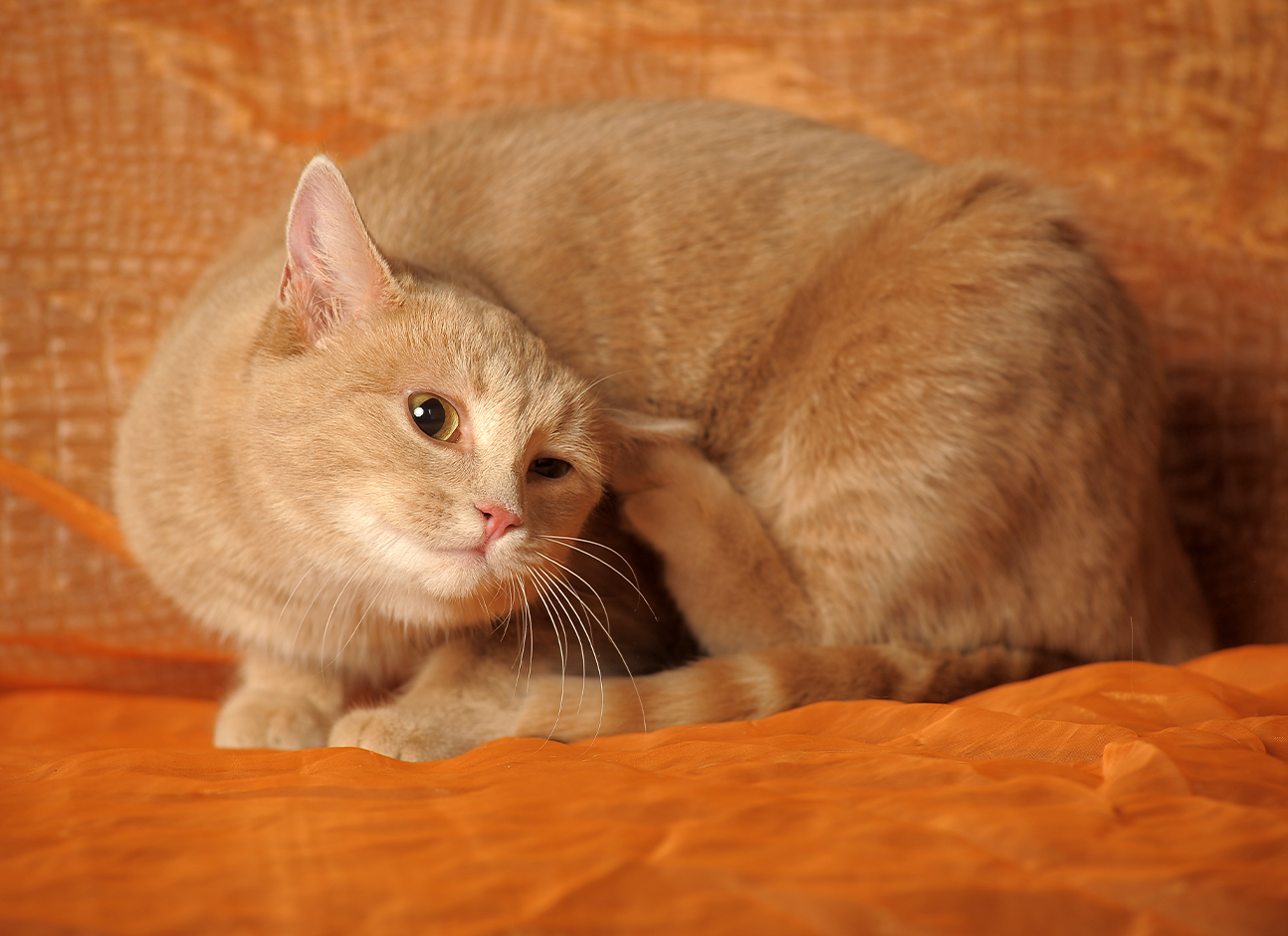
So, what are the signs that your winter wonderland has been invaded? Usually, it starts with scratching. Your cat might start grooming themselves more than usual, or you might see them suddenly stop and scratch at a particular spot. You might also notice them biting or chewing at their fur. That’s usually a dead giveaway (pun intended, in the worst way).

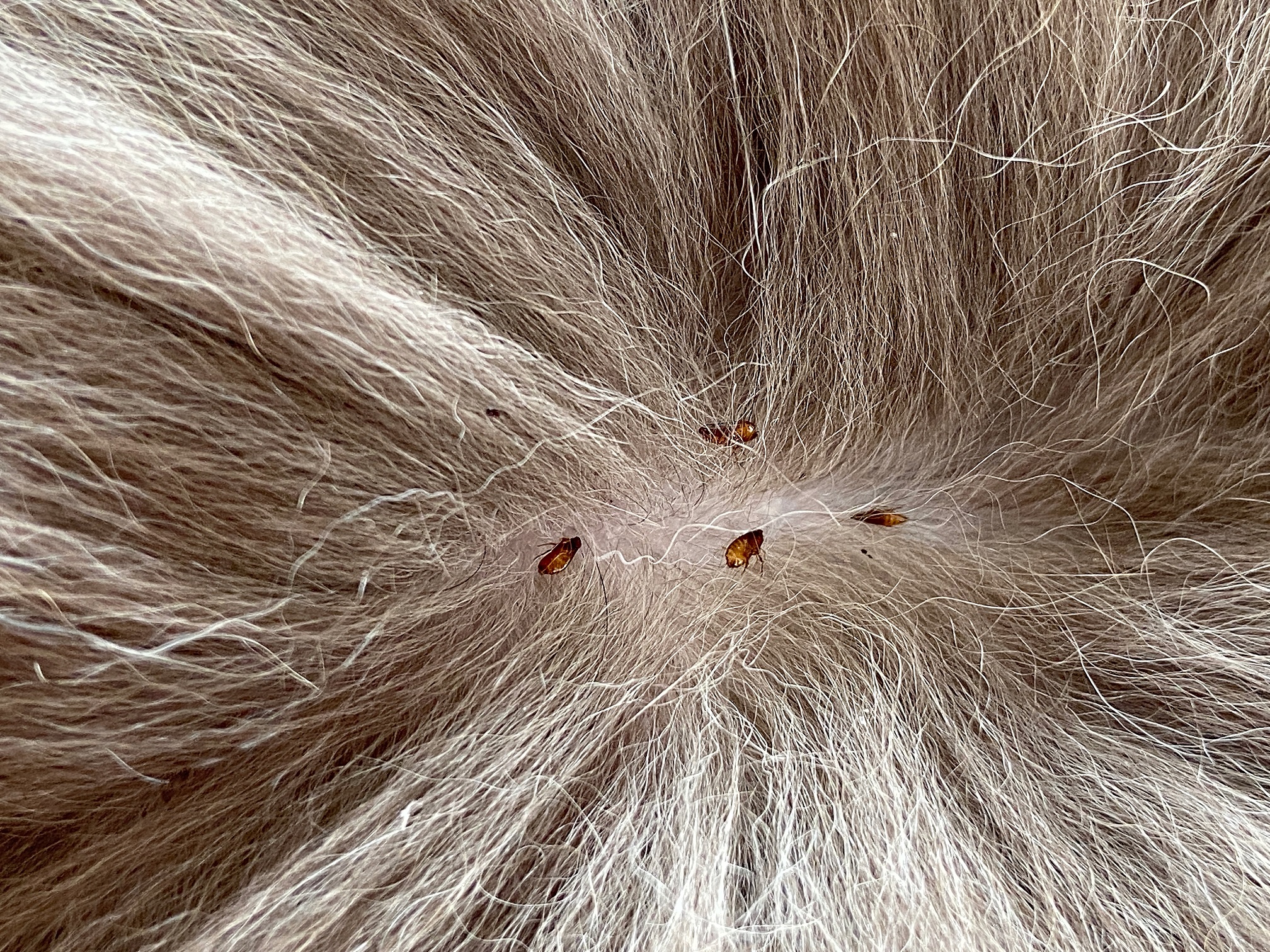
If you look closely, you might see tiny, reddish-brown insects scurrying through their fur, especially around their neck, ears, or tail base. Another tell-tale sign is "flea dirt." This isn't actual dirt; it's flea feces. It looks like small, black specks. If you put a few of these specks on a damp paper towel, they'll turn reddish-brown. It's basically dried blood. Glamorous, right?
It’s that moment when you see it. That tiny speck of movement. That extra-vigorous scratch. And your heart sinks a little. You were so sure you were safe from the tiny terrors. But alas, the fleas have a different plan.
Why It's Fun to Talk About (Sort Of)
Okay, "fun" might be a strong word. But there's a certain morbid fascination to it, isn't there? The sheer tenacity of these tiny creatures is almost admirable. They’re like the ultimate survivors, adapting to our indoor environments and thriving even when we think they shouldn't be able to. It’s a constant reminder that nature, in its tiny, irritating forms, is always at work.
Plus, it gives us something to bond over, right? The universal experience of dealing with a flea infestation. It’s a rite of passage for pet owners. And talking about it, even with a bit of humor, helps us feel less alone in our battle against these minuscule invaders. It’s a shared struggle, a collective sigh of "oh dear, not again."

And let’s be honest, the thought of your cat suddenly transforming into a furry scratching post is inherently dramatic. It’s a plot twist in the otherwise cozy narrative of winter cat ownership. It’s the unexpected villain in your furry friend’s otherwise peaceful existence. We’re all just trying to keep our cats happy, healthy, and itch-free. It’s a noble quest.
Prevention is Key, Even in December
So, what’s the takeaway here? Don’t get complacent just because it’s cold outside. Talk to your vet. Seriously. They have the best advice for year-round flea prevention. There are fantastic treatments available that are safe and effective, even for your indoor cats.
Think of it as putting on a tiny, invisible force field for your cat. A preventative measure that keeps them comfortable and you sane. Because nobody wants to spend their precious winter downtime battling an army of fleas. Your cat deserves better. And so do you.
So, the next time you’re enjoying a cozy winter evening with your purring companion, take a moment to appreciate the warm, flea-free bubble you’ve hopefully created. And if you do notice a little extra scratching, don’t panic! Just remember the tenacious flea and its surprising winter plans. It’s a small, itchy reminder that even in the quietest of seasons, life finds a way. And sometimes, that way involves tiny, jumping parasites.
:strip_icc()/fleas-and-your-cat-552346-Final-742910b7cca544ed95622e97fd075d22.jpg)