Difference Between Risk And Hazard
Hey there, curious minds! Ever felt like you were tiptoeing around something a little spooky but couldn't quite put your finger on it? Well, get ready to have your world enlightened, because we're about to dive into the wonderfully wacky world of Risk and Hazard! Think of it like this: one is the grumpy old bear, and the other is the juicy, tempting honey pot. Intrigued? You should be!
Let's start with our first player in this fun-filled game of "What Could Go Wrong?!": the Hazard. Imagine a hazard as something that has the potential to cause you trouble. It's the baddie lurking in the shadows, the mischievous gremlin just waiting for a chance to make things interesting (and not in a good way!).
Think of that slippery banana peel you might see on the sidewalk. That banana peel? That's a classic, undeniable hazard. It's just there, with all its slippery, slidey glory, practically begging someone to take an unplanned trip to the ground. It doesn't care if you're walking, skipping, or doing a jaunty little jig.
Must Read
Or consider a hot stove. The heat radiating from it, the potential to burn your fingers – that's the hazard. It’s the inherent danger, the thing that’s capable of causing harm all by itself. It's the dynamite with its fuse unlit, the roller coaster at the top of its highest drop.
Now, let's bring in our second, equally important character: Risk. If the hazard is the grumpy bear, then risk is the chance that you're going to actually tickle that bear's nose. It's about the likelihood of that hazard actually doing its naughty deed and, well, making you say "Ouch!"
So, back to our banana peel. The hazard is the peel itself. The risk comes into play when you walk near that peel. If you're safely on the other side of the street, admiring a particularly fluffy cloud, the risk of slipping on that specific peel is pretty much zero. Hooray for cloud-gazing!
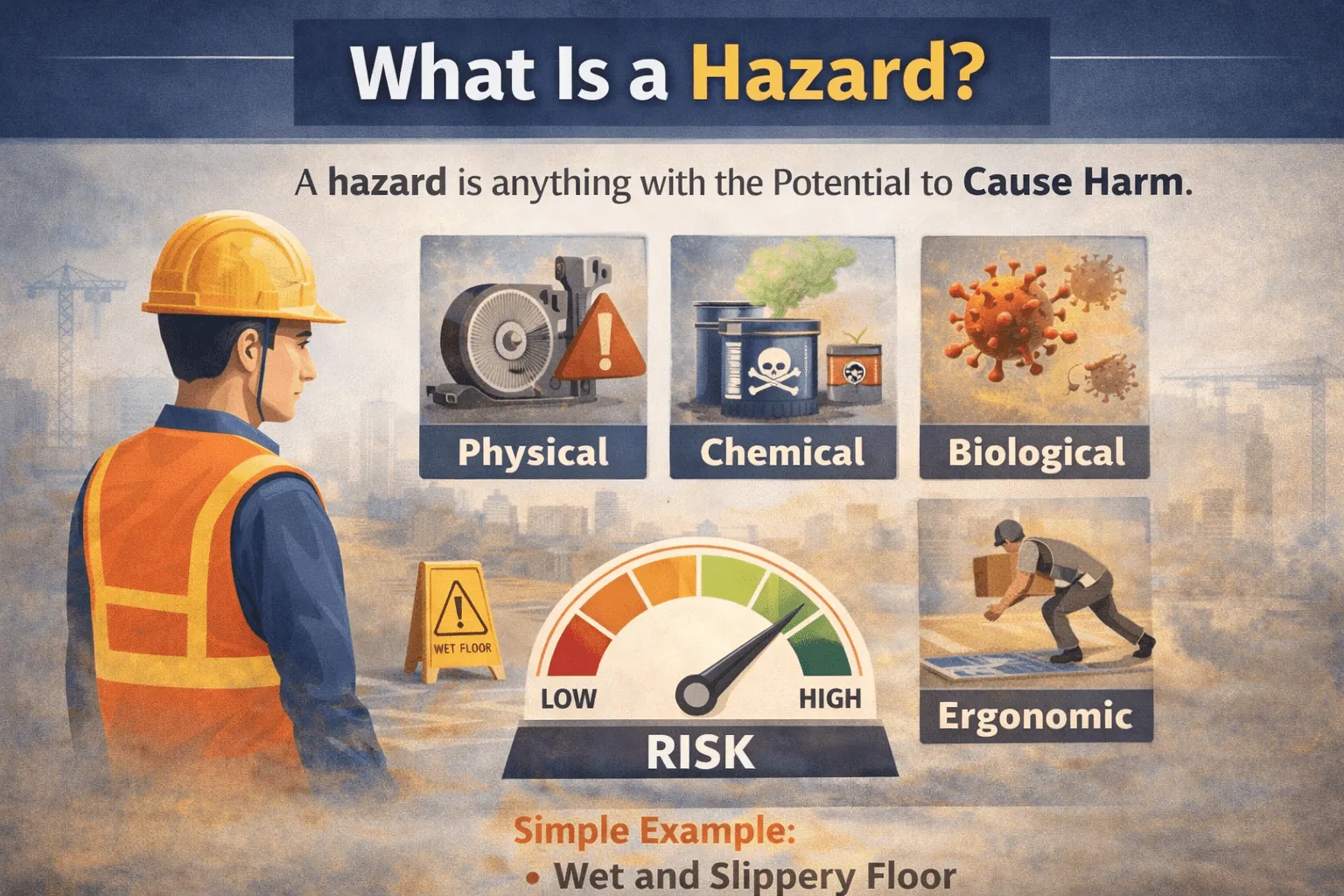
But if you're striding confidently towards it, maybe humming your favorite tune and not watching where you're going, then the risk just went up, up, up! You're dancing with danger, my friend. You're inviting the possibility of a spectacular, gravity-assisted oopsie.
Let's take the hot stove example. The hazard is the heat. The risk is you deciding to touch that hot stove. If you're a seasoned chef who knows exactly how hot it is and is wearing oven mitts thicker than a medieval knight's armor, the risk is low. But if you're a curious toddler with a penchant for exploration and no mitts? Yikes! The risk is sky-high, like a rogue hot air balloon!
Think about lightning. A thunderstorm rolls in, and there's a lightning bolt striking a tree in the distance. That lightning bolt is a colossal hazard. It’s a force of nature, capable of some serious drama. Now, you're safely tucked away indoors, sipping hot cocoa and watching the rain. The risk of being struck by that lightning is practically nonexistent. You've successfully dodged the electrifying bullet!
But what if you decide, "You know what? This is the perfect time for a leisurely stroll through the open field, wearing my favorite metal umbrella!" Oh, dear. The hazard (lightning) is still very much present, but your risk of becoming a human lightning rod has just skyrocketed into the stratosphere. It's like wearing a sign that says "Please Zap Me Here!"
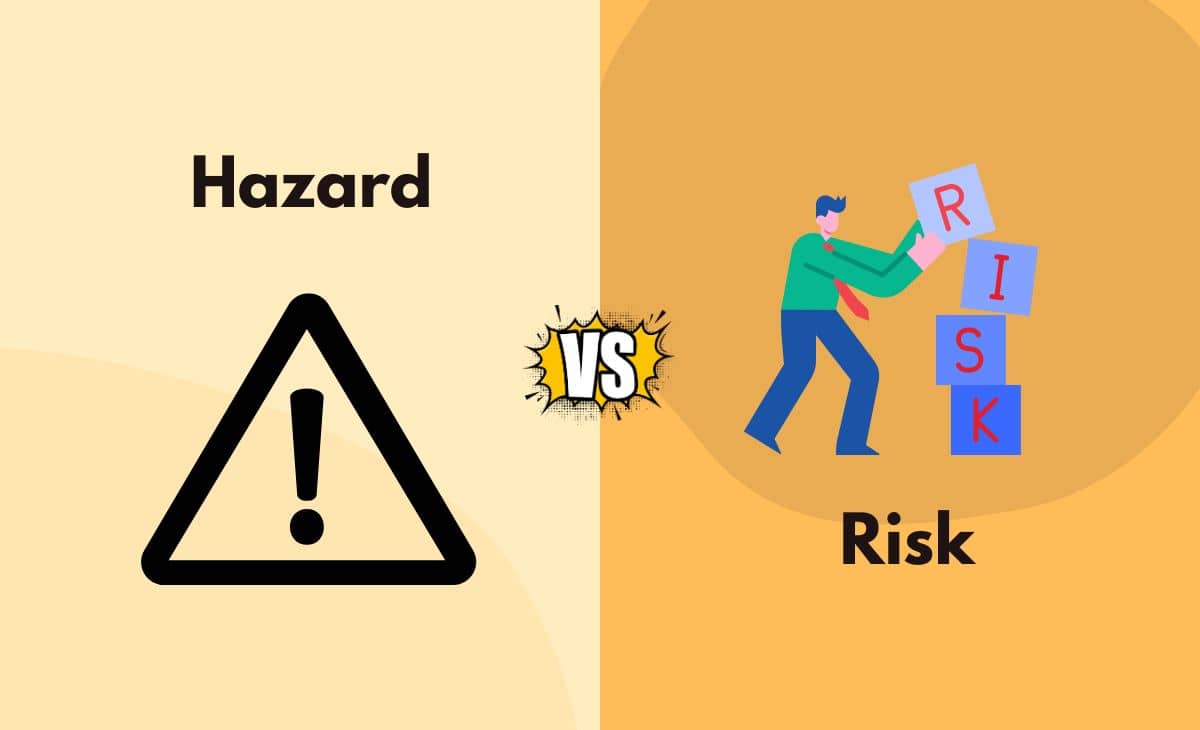
Here's another fun way to look at it: a hazard is like a wild animal that could bite. It's a tiger in a cage. The tiger itself, with its sharp claws and impressive teeth, is the hazard. It has the potential for mayhem.
The risk comes into play when you decide to poke the tiger's cage with a stick. Are you feeding it? Taunting it? Or are you a brave zookeeper with a perfectly safe feeding strategy? The action you take, the proximity you have, and your preparedness all determine the risk associated with that tiger hazard.
Imagine driving a car. The car itself, with its moving parts and potential to malfunction, is a hazard. It’s a powerful machine that, if not handled with care, can lead to trouble. But if you're a meticulous driver, following all the rules, wearing your seatbelt, and your car is in tip-top shape, the risk is managed. You're enjoying a pleasant journey, not playing a game of vehicular roulette.
However, if you decide to text your bestie, blast your music at deafening levels, and pretend you're in a demolition derby, then the risk associated with driving that car explodes like a confetti cannon at a surprise party. You've turned a manageable situation into a potential disaster zone.

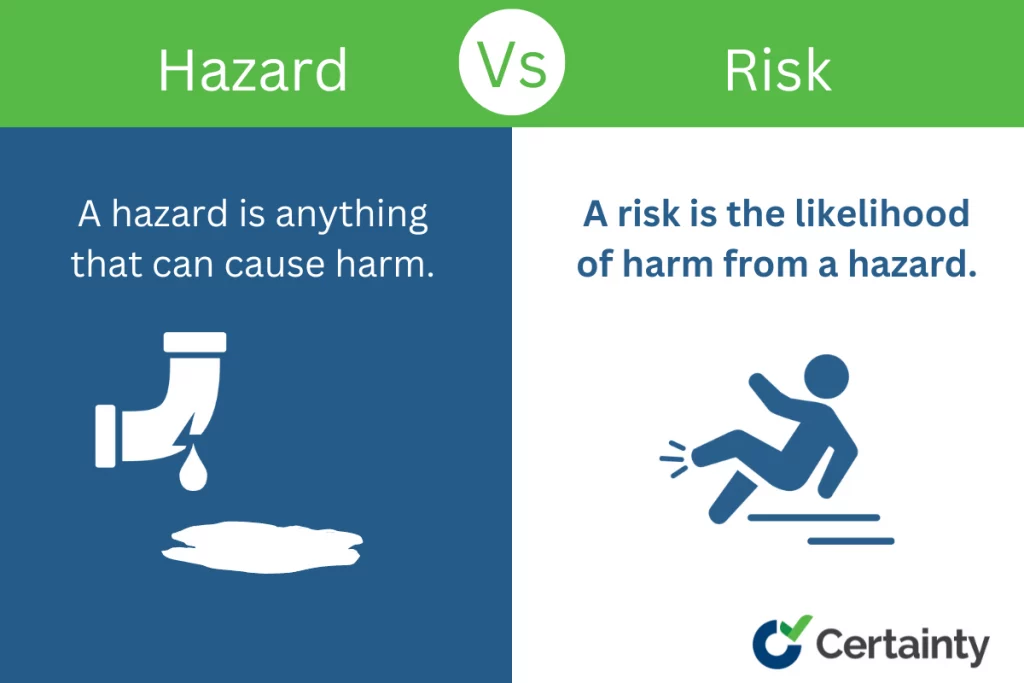
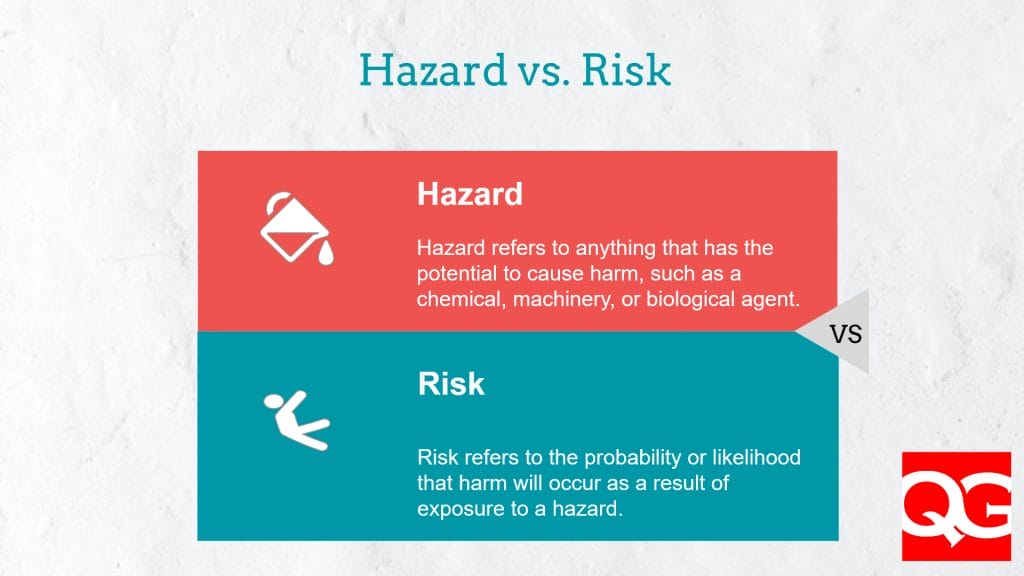
So, to recap our exciting expedition: Hazard is the thing that can cause harm. It’s the potential for a bad outcome, like a cliff edge. Risk is the chance that harm will actually happen. It's how likely you are to accidentally do a swan dive off that cliff!
Think of a poisonous snake. The snake itself, with its venom, is the hazard. It's got the ability to make you feel very, very unwell. Now, if you're exploring the Amazon rainforest, wearing sturdy boots and following your guide, the risk might be present, but it's likely manageable.
But if you decide to go barefoot through a field of tall grass known for its snake population, while wearing a shirt made of delicious-smelling cheese, your risk has just gone through the roof. You've basically sent out a dinner invitation to every venomous creature in a ten-mile radius!
It's all about understanding what could go wrong (the hazard) and how likely it is that it will go wrong (the risk). One is the recipe for disaster, and the other is whether you're actually going to bake the disaster cake.
So, next time you're faced with a situation, ask yourself: "What's the grumpy bear here? (That's the hazard). And how likely am I to tickle its nose?" (That's the risk). With this newfound knowledge, you can navigate the world with a little more wisdom and a lot more fun!
Understanding the difference between hazard and risk isn't about being scared; it's about being smart! It's about knowing when to admire the tiger from a safe distance and when to not wear a cheese shirt in a snake-filled meadow. It's about making informed decisions so you can enjoy all the wonderful, less-risky things life has to offer!
So, go forth and be risk-aware! Embrace the knowledge that hazards are out there, but with a little bit of common sense and a dash of caution, you can keep the risks at bay and live a wonderfully exciting, yet wonderfully safe, life. Now, who wants to go admire some fluffy clouds? The risk is minimal, and the reward is pure bliss!