Difference Between Bourbon And Whiskey

So, you're standing there, staring at the liquor store shelf. A dazzling array of bottles, all promising warmth, good times, and perhaps a slight slur in your pronunciation. You've heard the terms tossed around – bourbon, whiskey – but what's the real scoop? Is it like the difference between a comfy armchair and a slightly less comfy sofa? Or more like the subtle, yet crucial, distinction between wearing socks with sandals (definitely a no-go) and wearing sandals with socks (potentially a fashion statement, depending on who you ask)? Let's break it down, shall we? Grab a virtual glass, and let's sip our way through this.
Think of whiskey as the big umbrella. It's the granddaddy of all grain spirits. Imagine it as the entire "dog" category. You've got your Labradors, your Chihuahuas, your Poodles, and then, you've got your... well, your bourbon!
When someone says "whiskey," they could be talking about a whole lot of things. It's distilled from fermented grain mash – we're talking corn, rye, barley, wheat, the whole gang. Then it's aged in wooden barrels, which is where the magic really happens. This aging process is like letting a teenager grow up. They start out a bit rough around the edges, but with time and the right environment, they can become something truly special.
Must Read
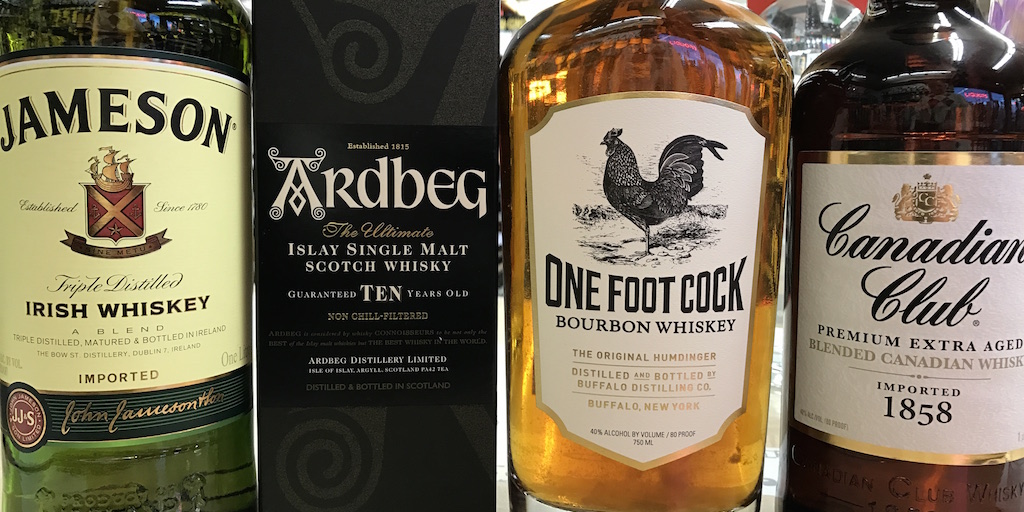
But here's the kicker: the type of grain, where it's made, and how long it's aged can all change the name of the game. So, when you hear someone talking about Scotch, Irish whiskey, Canadian whisky, or Japanese whisky, they're all under that big, beautiful whiskey umbrella. It's like saying "fruit." You've got apples, oranges, bananas, and then, for our purposes, you've got... bourbon!
Now, bourbon is a specific kind of whiskey. It's like being able to say, "I'm not just a dog person, I'm a Golden Retriever person." It has its own set of rules, its own personality. And these rules aren't just for show; they're what make bourbon, well, bourbon.
First and foremost, for a whiskey to officially call itself bourbon, it has to be made in the United States. This isn't just a suggestion, folks. It's a rule. So, if you're sipping on something that tastes suspiciously like bourbon but was crafted in, say, Scotland, it's technically a delicious whiskey, but it can't wear the bourbon badge of honor. It's like trying to enter a marathon without the proper race bib. You might be running fast, but you're not officially in the race.
Next up, the mash bill. This is the recipe, the secret sauce, the ingredients list. For bourbon, at least 51% of the grain mash must be corn. Corn is the star of the show here. It's what gives bourbon its signature sweetness, its warm, slightly caramel-like flavor profile. Think of it as the main ingredient in your favorite comfort food. If you took out the mac and cheese from your mac and cheese, it wouldn't be mac and cheese anymore, would it?
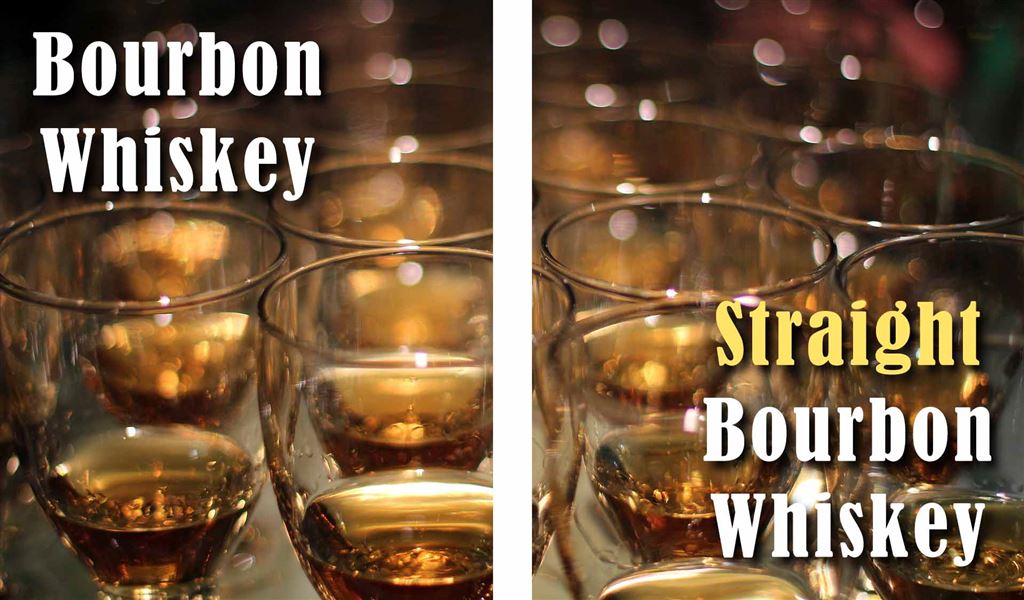
The other grains in the mash bill can be rye, wheat, or barley. The proportion of these other grains is what gives bourbons their unique variations. A bourbon with a lot of rye will have a spicier kick, like a good debate. A bourbon with more wheat might be smoother, more mellow, like a well-told story. It's all about that interplay, that balance, just like a good conversation.
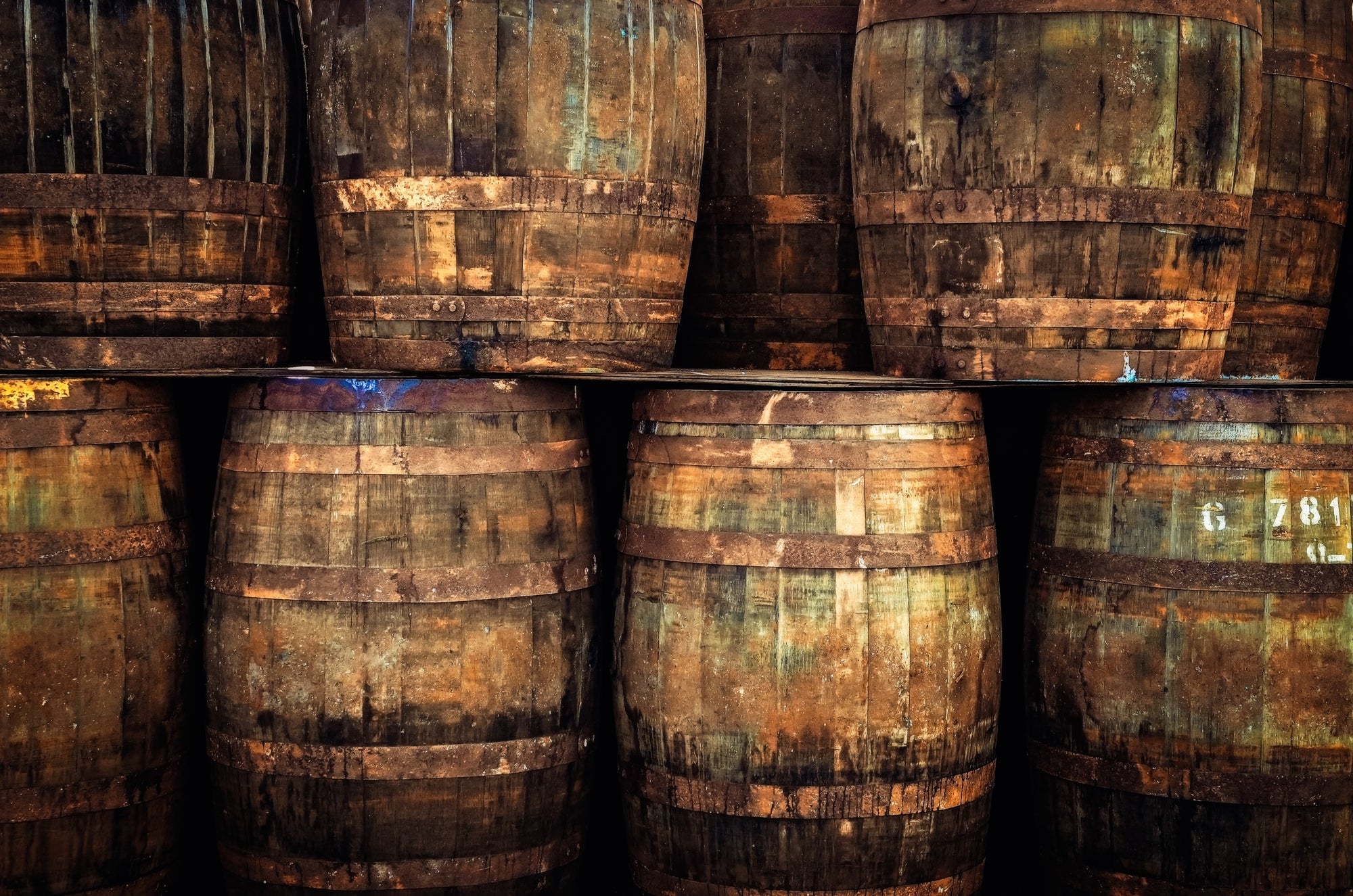
And then there's the aging process, which is where things get really specific for bourbon. Bourbon must be aged in new, charred oak barrels. This is non-negotiable. No second-hand barrels for bourbon. They have to be brand spanking new and kissed by fire. This charring is crucial. It's like the seasoning on a cast-iron pan; it adds depth, color, and those complex flavors we all know and love – vanilla, caramel, toffee, maybe even a hint of smoke.
Imagine a brand new barrel as a blank canvas, and that charring as the primer coat. It's ready to absorb all those amazing flavors from the aging spirit. Unlike some other whiskeys that might use previously used barrels (which is perfectly fine for them, mind you!), bourbon demands a fresh start. It's all about that pure oak interaction, that virgin journey. It’s like meeting someone for the first time versus hearing about them from a friend. You get a whole different impression.
Another key rule for bourbon is that no additives are allowed. This means no artificial colors, no artificial flavors, nothing added after distillation besides water to bring it down to proof. What you get is what you get – pure, unadulterated spirit. It's honest. It’s straightforward. It's like a person who tells you exactly what they think, no sugarcoating. You might not always love what you hear, but you know it's the truth.
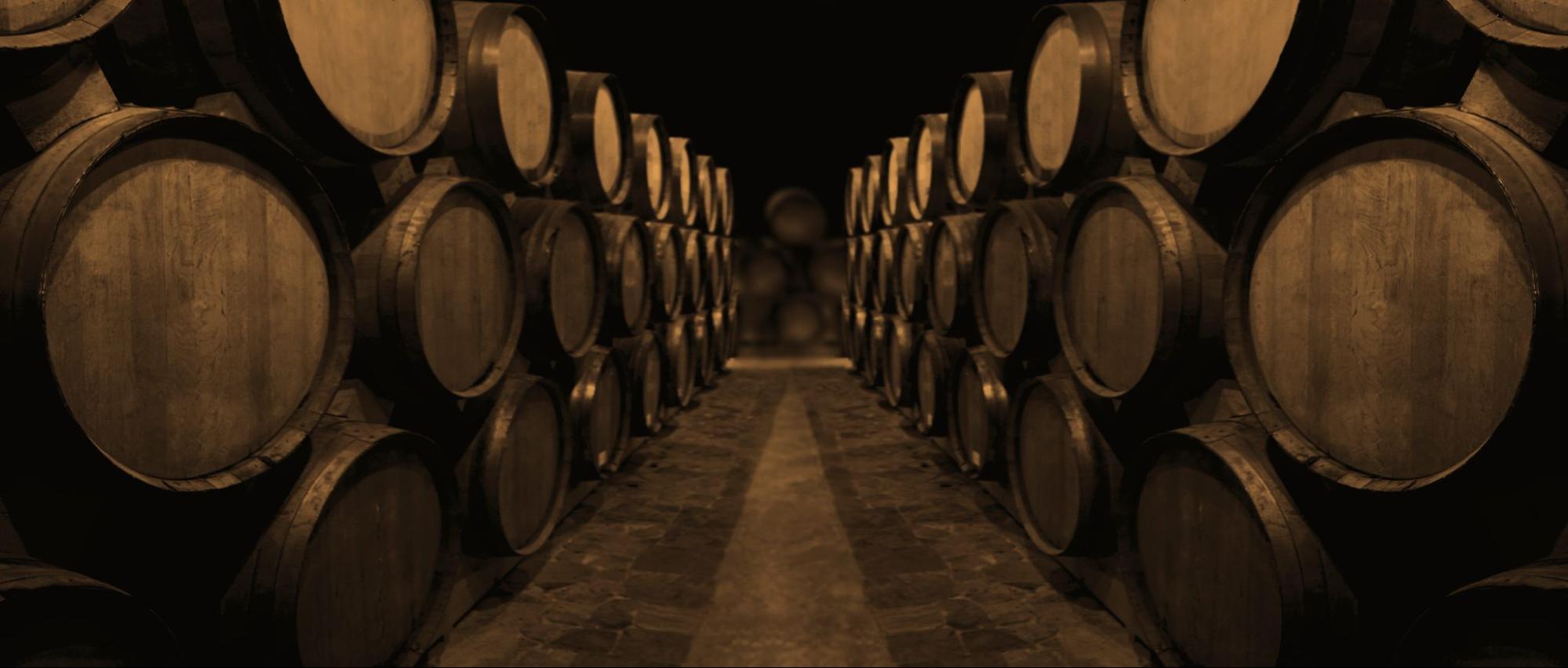
This "no additives" rule is a big deal. It means the flavor of the bourbon comes entirely from the grains, the yeast, the water, and, most importantly, the interaction with that new, charred oak barrel. It’s a testament to the purity of the process.
So, to recap: Whiskey is the big, broad category. Bourbon is a specific type of whiskey that must be made in the US, with at least 51% corn in its mash bill, aged in new, charred oak barrels, and contain no additives. Easy peasy, right?
Think of it this way. All squares are rectangles, but not all rectangles are squares. Similarly, all bourbons are whiskeys, but not all whiskeys are bourbons. A square has four equal sides and four right angles. A rectangle just needs four right angles. Bourbon has its extra conditions, its own special recipe, its own set of “must-haves.”
Let's talk about some of the other "whiskeys" you might encounter. Take Scotch whisky, for instance. That's from Scotland, obviously. It's often made with malted barley, and the aging process can be quite different. Some Scotch can be aged in barrels that previously held bourbon or sherry, which adds a whole other layer of complexity. It's like a seasoned traveler with a rich history, as opposed to bourbon's fresh-faced enthusiasm.

Then you have Irish whiskey. Traditionally, it's distilled three times, making it often smoother and lighter than many Scotch or American whiskeys. It's like that friend who's always chilled, never a drama. It’s often made with a mix of malted and unmalted barley.
Canadian whisky is often lighter in body and flavor, and can include a high proportion of rye. It’s a bit more like a chameleon, able to adapt and blend in. They can also add coloring and flavoring, which is where the distinction with bourbon really shines through for purity.
And then there's Japanese whisky. They often take inspiration from Scotch but create their own distinct styles. They're the meticulous artisans of the whisky world, paying incredible attention to detail. It’s like a perfectly folded napkin at a fancy restaurant.
So, when you see a bottle labeled "whiskey," it's a good starting point. But when you see "bourbon," you know you're getting something specific. You're getting that American spirit, that corn-sweetness, that new charred oak influence. It's like ordering a specific flavor of ice cream versus just asking for "ice cream." You know what you're getting, and you’re probably pretty excited about it.
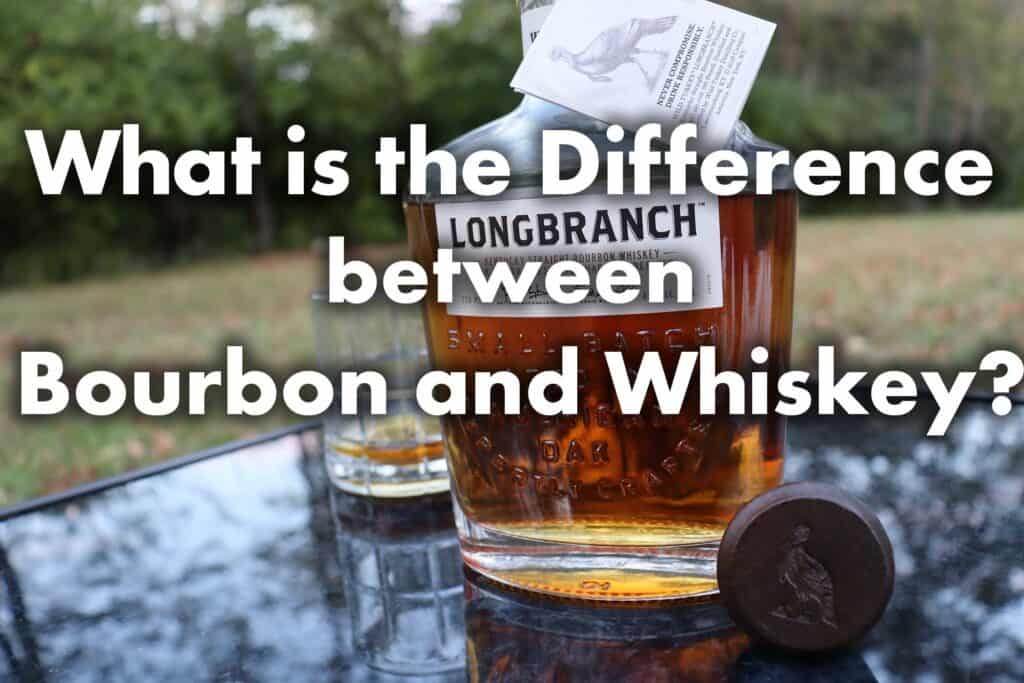
Imagine you're at a family reunion. Whiskey is like your entire extended family. You've got aunts, uncles, cousins from all over. They're all related, but they've got their own quirks and personalities. Bourbon is like your favorite uncle. He's got a great story, he's always got a smile, and you know he’s going to bring the good vibes. He's part of the family, but he stands out for his particular charm.
The beauty of this is that there's no "better" than the other. It's all about preference. Some days you might crave the robust, sweet hug of a good bourbon. Other days, you might be in the mood for the smoky mystery of a Scotch or the smooth character of an Irish whiskey. It’s like choosing your outfit for the day. Sometimes you want a bold statement, and sometimes you want something more understated.
The next time you're faced with that dazzling shelf, you'll know. If it's bourbon, you're getting a taste of American heritage, a spirit shaped by corn and new oak. If it's just labeled "whiskey," well, you've got a whole world of possibilities to explore. It’s like having a menu with a few signature dishes versus a whole cookbook. Both are exciting, just in different ways.
So, raise a glass. Whether it's a classic bourbon neat, on the rocks, or in your favorite cocktail, or perhaps a journey into the wider world of whiskey, remember the distinctions. They're not just arbitrary rules; they're the blueprints that give each spirit its unique character and charm. It’s like the difference between a basic blueprint and an architect’s detailed design – both have their purpose, but one has a whole lot more specific intention!
And hey, if you ever accidentally pour yourself a bourbon and realize it's something else, don't fret. The most important thing is that you're enjoying the experience. After all, isn't that what good drinks are all about? Sharing stories, making memories, and maybe, just maybe, understanding the subtle differences between your favorite amber liquids. Cheers to that!