Deaf In One Ear After A Cold
So, you know that feeling? You've battled a cold. You've sniffled. You've sneezed. You've probably sounded like a deflating balloon for a few days. Good news, right? The gross stuff is over!
Except… it’s not quite. You might notice something a little… off. Like a phantom limb, but for your ears. One side of your hearing just decides to take a little vacation. Poof. Gone. Welcome to the club of being deaf in one ear after a cold.
It’s like your inner sound engineer suddenly went on strike. One minute, you're enjoying the full stereo experience of life. The next? It's all mono, and a bit muffled. Like the world’s playing a dodgy record.
Must Read
Now, before you panic and start practicing your mime skills, let’s talk about this. It’s actually pretty common. Like, surprisingly common. You’d think with all the amazing technology we have, our ears would be more robust, right?
But nope. They’re sensitive little things. And after a good ol’ cold, they can get a bit grumpy. Think of it like this: your ear canal is a bit like a tiny, intricate tunnel. And when a cold rolls in, it’s like a tiny, snotty construction crew decides to set up shop in there.
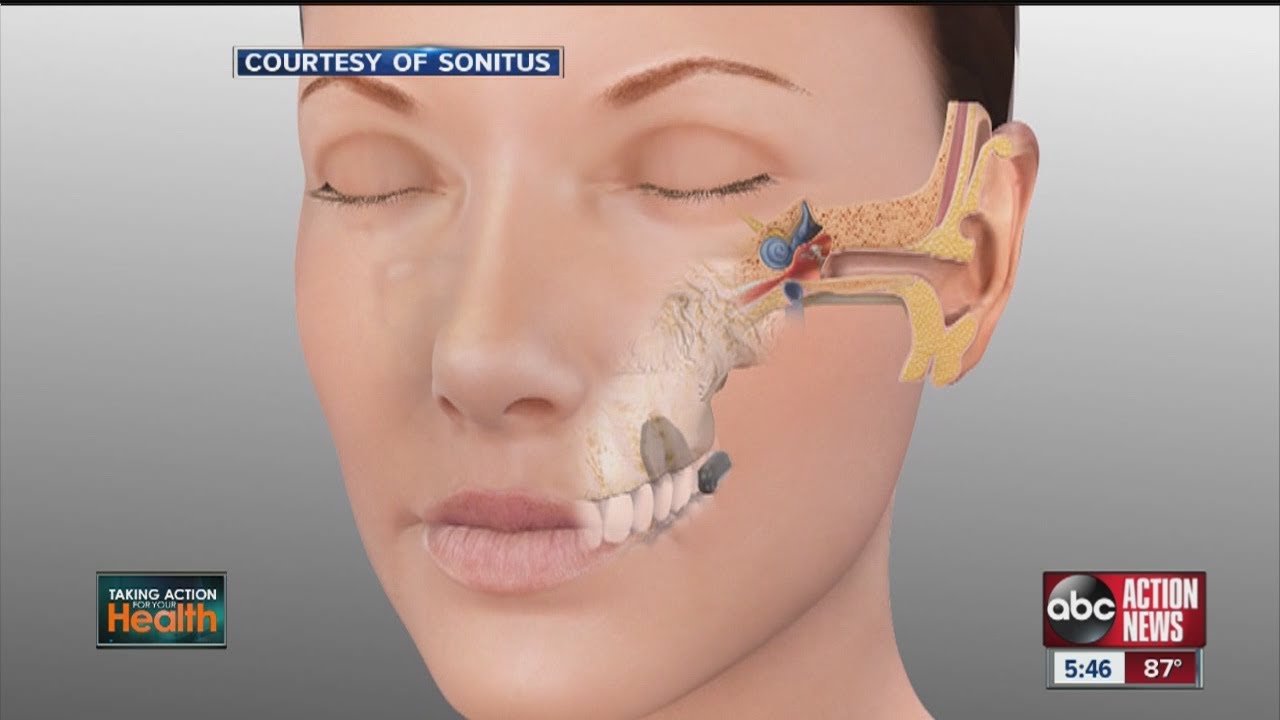
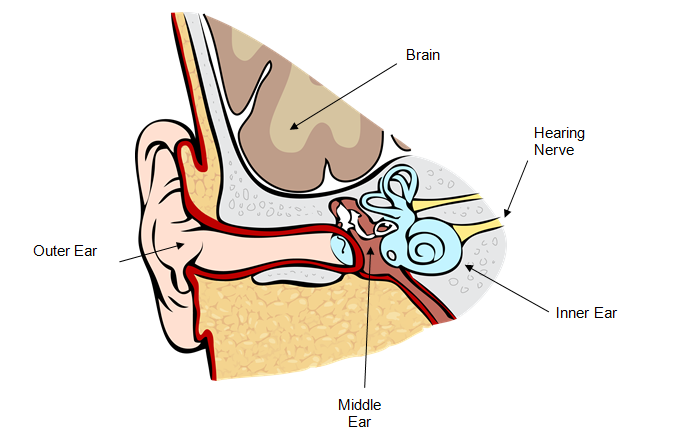
This construction crew, aka the inflammation and mucus, can clog things up. Specifically, it can affect your Eustachian tube. Ever heard of it? Probably not, unless you’re an ear doctor or have a particular fascination with plumbing. It’s a tiny tube that connects your middle ear to the back of your throat.
Its job? To equalize pressure and drain fluid. Pretty important, right? Well, when it gets blocked by all the cold-induced gunk, things go a bit haywire.
This blockage can lead to a condition called Eustachian tube dysfunction. Sounds fancy, I know. But really, it just means the tube is being a bit of a diva. It’s not opening properly, it’s not draining, and it’s causing all sorts of auditory chaos.
And the result? That frustrating, one-sided hearing loss. It can be subtle, or it can be really noticeable. Suddenly, you’re leaning in. You’re asking people to repeat themselves. You might even start nodding vigorously at conversations you’re only half-hearing. It’s a whole new skill set.
Think about all the things you take for granted when both ears are working. You can pinpoint where a sound is coming from. You can easily follow conversations in a noisy room. You can appreciate the full, glorious sound of your favorite song.
But when one ear is out of commission? It’s like trying to play a video game with only half the screen. Challenging, to say the least. Suddenly, that “where did that noise come from?” game becomes a real-life guessing session.
And let’s be honest, it can be a bit funny. In a quirky, slightly exasperated way. You start developing strategies. You might instinctively turn your head to the “good” ear. You become a master of lip-reading, even if you don’t realize it.
You also learn who the patient friends are. The ones who don’t roll their eyes when you ask them to repeat themselves for the third time. They’re gold. Hold onto them.
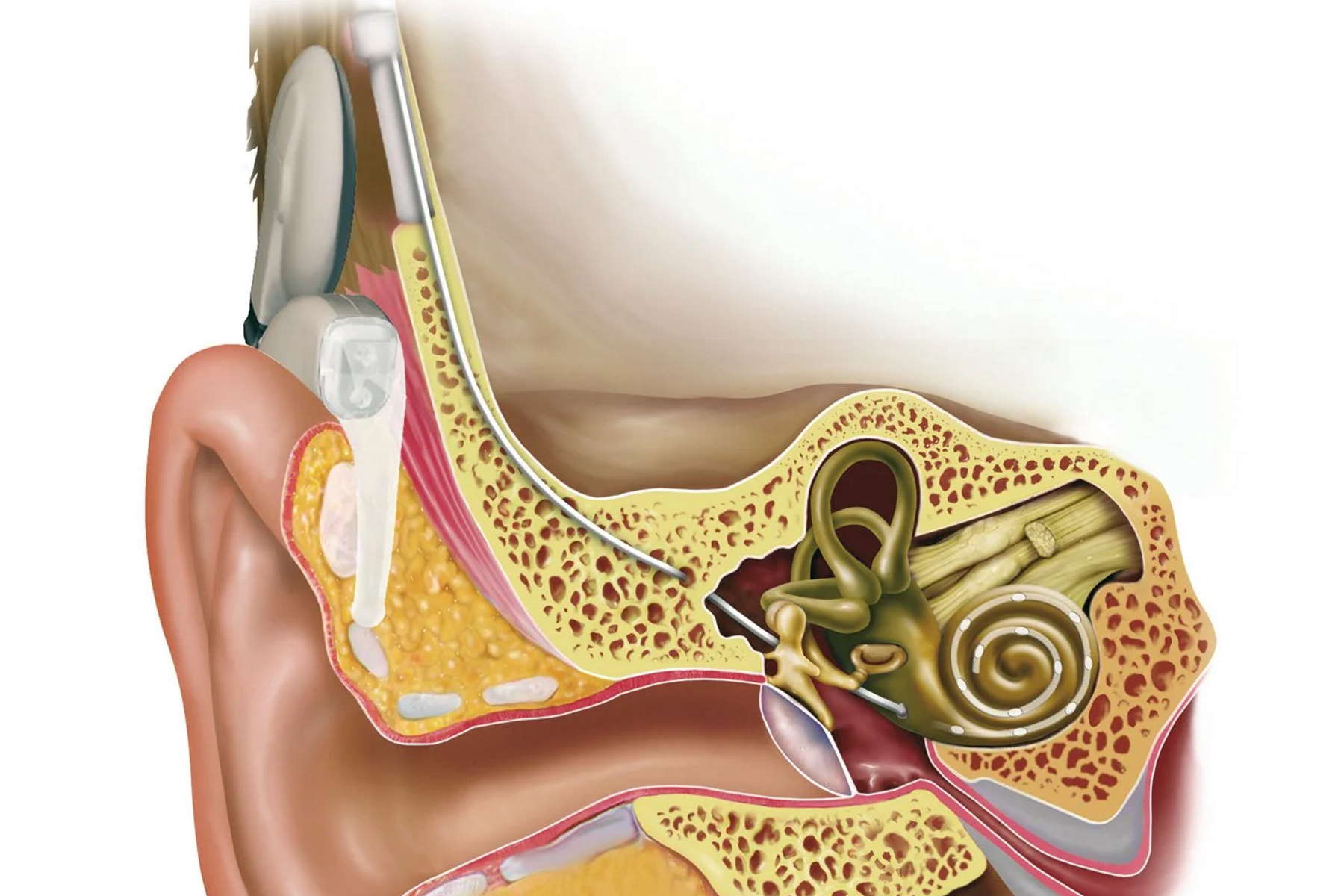
Now, here’s a fun fact that might blow your mind (or at least tickle your auditory canals): your ears are actually incredibly complex. The tiny bones in your middle ear? They’re smaller than grains of rice. Imagine the precision required to make those work!
And when that cold sneaks in, it’s like a giant, clumsy tourist is stomping through your delicate ear orchestra. It’s no wonder things get a little out of tune.
The type of hearing loss you experience is usually called conductive hearing loss. This means the sound waves aren’t being conducted properly from the outside world to your inner ear. It’s like a traffic jam on the auditory highway.
It’s not usually your inner ear’s fault, the part that actually processes sound. It’s more about the physical blockage or issue in the outer or middle ear. So, it’s often temporary. Hooray for temporary!
But how temporary? That’s the million-dollar question, right? For many people, it resolves on its own within a few weeks. As the cold clears up, so does the congestion. The Eustachian tube gets back to its business, and your hearing returns to its full glory.
What can you do in the meantime? Well, patience is key. Your body is busy doing its thing. But there are a few things you can try to help things along.
Gentle steam can be your friend. Think of a hot shower, or a bowl of hot water with a towel over your head. It can help loosen up that stubborn mucus. Just be careful not to scald yourself! Safety first, even when your hearing is playing hide-and-seek.
Saline nasal sprays can also be a lifesaver. They help to thin mucus and can potentially help the Eustachian tube drain. It’s like giving your nasal passages a good spring clean.
And for the truly adventurous, some people find relief with Valsalva maneuver. Now, this sounds a bit alarming, but it’s basically pinching your nose and gently blowing. It’s like trying to pop your ears on an airplane, but with a bit more intention. Disclaimer: always check with a doctor before trying anything new, especially when it involves blowing air into your head!
What you don't want to do is stick things in your ear. Cotton swabs? Nope. Fingers? Double nope. You’re not trying to dig for treasure; you’re trying to heal. Leave the excavation to the professionals.

If the hearing loss persists for more than a few weeks, or if you experience other symptoms like pain, dizziness, or a ringing in your ears (tinnitus), it’s definitely time to see a doctor. They can rule out anything more serious and give you tailored advice.
Sometimes, the doctor might prescribe nasal steroids to reduce inflammation or even recommend a procedure to help the Eustachian tube function better. But for most of us, it’s a waiting game.
And in that waiting game, you learn to adapt. You become more aware of your surroundings. You develop a deeper appreciation for the sound of your own voice (which can be both good and bad, let’s be honest). You might even start to enjoy the novelty of it.
It’s a reminder of how amazing our bodies are, even when they’re being a little bit stubborn. That little Eustachian tube, so often overlooked, can cause quite a stir when it decides to take a nap.
So, next time you’re recovering from a cold and notice that one ear is being a bit of a loner, don’t despair. Embrace the quirk. Observe your new auditory landscape. And remember, it’s probably just a temporary glitch in the matrix. Your hearing will likely be back to full stereo in no time. Until then, enjoy the slightly more… unique sound of life!