
Cost Of Installing A Wood Stove
The other day, my neighbour Brenda, bless her cotton socks, popped over with a batch of what she’d affectionately termed “experimental scones.” Now, Brenda’s experiments usually involve something either suspiciously grey or alarmingly spicy. This time, however, the entire kitchen was a haze of…well, smoke. Not just a little whiff, mind you. We’re talking full-on, “did someone leave the toast on fire again?” smoke.
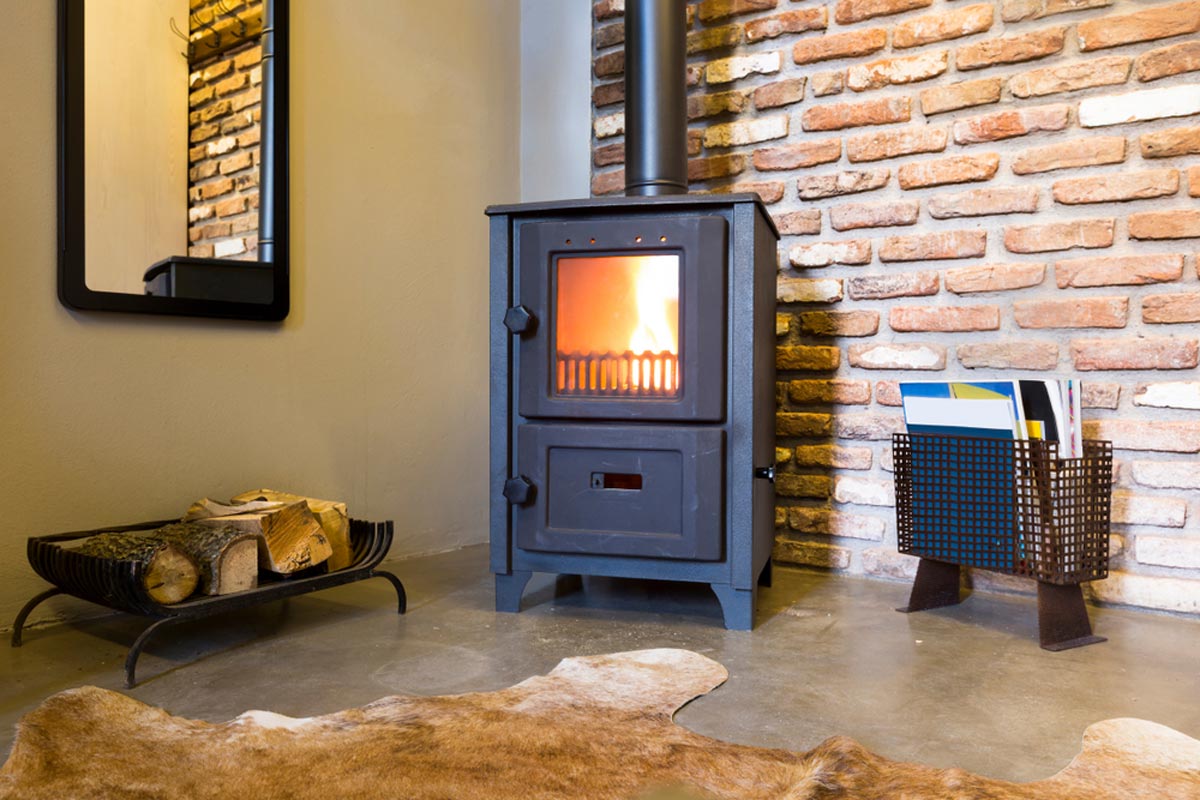
Turns out, her brand new, shiny wood stove, bought with the dream of cozy winter nights and dramatically reduced heating bills, was staging a bit of a rebellion. It was “commissioning,” she explained, a process that apparently involves more choking than charring. It got me thinking, though. We’ve all seen those Pinterest-perfect images of crackling fires and felt that pang of desire. But, as Brenda’s smoky kitchen so eloquently demonstrated, there’s a bit more to it than just buying a pretty metal box. The big question on everyone’s lips, at least mine anyway, is: what’s the real cost of installing a wood stove?
Let’s be honest, the idea of a wood stove is pretty darn appealing. It’s like stepping back in time, embracing a simpler, more rustic way of life. Plus, the thought of not getting a sky-high gas bill when the mercury drops? Chef’s kiss. But, as Brenda’s now slightly singed oven mitts can attest, that romantic vision comes with a price tag, and it’s not always as straightforward as you might think. It’s not just about the stove itself, oh no. That’s just the sparkly tip of the iceberg. You’ve got to consider all the… stuff that goes with it.
Must Read
The Big Ticket Item: The Stove Itself
First things first, you need the actual wood stove. And this, my friends, is where your wallet might start to sweat a little. We’re not talking about a flimsy camping burner here. These are solid, heavy-duty pieces of machinery designed to heat your home for years to come. Prices can vary wildly, depending on brand, size, and what fancy features it boasts.
You can find some pretty basic, entry-level stoves for around £500 to £1,000. These are generally smaller, maybe suitable for a single room or a smaller cottage. Think of them as the dependable workhorses, no frills, just heat. And honestly, for some people, that’s exactly what they need. Are you picturing a quaint little shepherd’s hut? Perfect.
Then you step up into the mid-range, where things start to get a bit more interesting. We’re talking stoves that can handle larger spaces, maybe with a more pleasing aesthetic, perhaps even a glass door so you can actually see the flames (which, let’s be honest, is half the point, right?). These can set you back anywhere from £1,000 to £2,500. This is where you start seeing those sleek, modern designs and the more robust construction that promises years of reliable warmth.
And if you’re really going for it, the Rolls-Royce of wood stoves? You could be looking at £2,500 upwards, easily hitting £5,000 or even more. These are often designer models, incredibly efficient, perhaps with features like multi-fuel capabilities (meaning they can burn more than just wood), or even built-in boilers for hot water. They’re basically sculptures that happen to generate heat. Fancy!

So, just for the stove alone, you’re looking at a significant chunk of change. It’s worth doing your research here. What size room are you heating? How often will you use it? Do you want something to be the focal point of your living room, or just a functional heat source in the garage? Seriously, don't just buy the first pretty one you see. Your bank account (and Brenda’s lungs) will thank you.
The Invisible Heroes: Flues, Chimneys, and Safety
Now, this is where things can get really pricey, and honestly, where most people underestimate the cost. You can’t just stick a metal box in your living room and expect it to work. You need a way for the smoke and gases to escape safely. This means a flue system. And this isn’t a DIY job unless you have a degree in advanced chimney engineering and a very forgiving insurance policy. Definitely get a professional for this.
If you already have a chimney in your house, you might think you’re lucky. Well, maybe. But even an existing chimney needs to be inspected and often lined with a special stainless steel flue liner. This is crucial for safety, preventing creosote buildup (a flammable tar that forms in chimneys) and ensuring efficient draw. A chimney liner can cost anywhere from £500 to £1,500, depending on the length and type. Plus, of course, the labour to install it.
If you don’t have a chimney, or the existing one is beyond repair, you’re looking at installing a new twin-wall insulated flue system. This is essentially a metal chimney that can be routed through walls, floors, and out the roof. This is a much bigger job. For a standard installation, you could be looking at £1,500 to £3,000 or more, again, depending on the height and complexity. Think about it – they have to cut holes in your house, run pipes, make sure it’s all sealed and safe. It’s not a quick job, and it definitely warrants professional attention.
And let’s not forget the bits and bobs that go with the flue. You’ll need a cowling for the top of the chimney to stop rain and birds getting in (pesky pigeons!), a register plate to seal off the top of the fireplace opening if you’re using an existing chimney, and possibly some heat shields if your stove is too close to combustible materials. These might seem like small things, but they add up. We’re talking a few hundred pounds here, easily.

Safety first, always. This isn’t the area to cut corners. A poorly installed flue system is a fire hazard and a carbon monoxide risk. Brenda’s smoke-filled kitchen was a mild inconvenience. A malfunctioning flue system could be far, far worse. So, budget for this, and budget generously.
Installation Labour: The Art of Putting It All Together
So, you’ve got your stove, you’ve got your flue. Now you need someone to actually connect it all and make it work. This is where installation labour comes in. And again, this is a job for a qualified professional. HETAS (Heating Equipment Testing and Approval Scheme) is the governing body in the UK for solid fuel appliances, and their installers are the ones you want signing off on your work. Make sure they are registered! It’s your assurance of quality and safety.
The cost of installation labour can vary hugely depending on where you live and how complex the job is. For a straightforward installation where an existing, sound chimney is being relined, you might be looking at £500 to £1,000 for the labour alone. If you’re having a new twin-wall system installed, or if the job involves significant structural work (like cutting through walls or floors), you could easily be looking at £1,000 to £2,000 or even more for the labour. This covers their time, expertise, and the peace of mind that it’s done correctly.
Think about it: they have to turn up, assess the site, make sure everything is up to code, connect the stove to the flue, make sure it’s sealed properly, and then carry out a test burn to ensure everything is working as it should. It’s a skilled job, and it’s worth paying for that skill. Don’t be tempted by the “mate who knows a bloke” if you want to sleep soundly at night. Seriously. We’re talking about fire in your house!
The Hidden Costs: Don’t Forget These!
Okay, so we’ve covered the big hitters: the stove, the flue, and the labour. But what about the little things that can sneak up on you? These are the often-overlooked costs that can make your grand total a bit of a surprise.
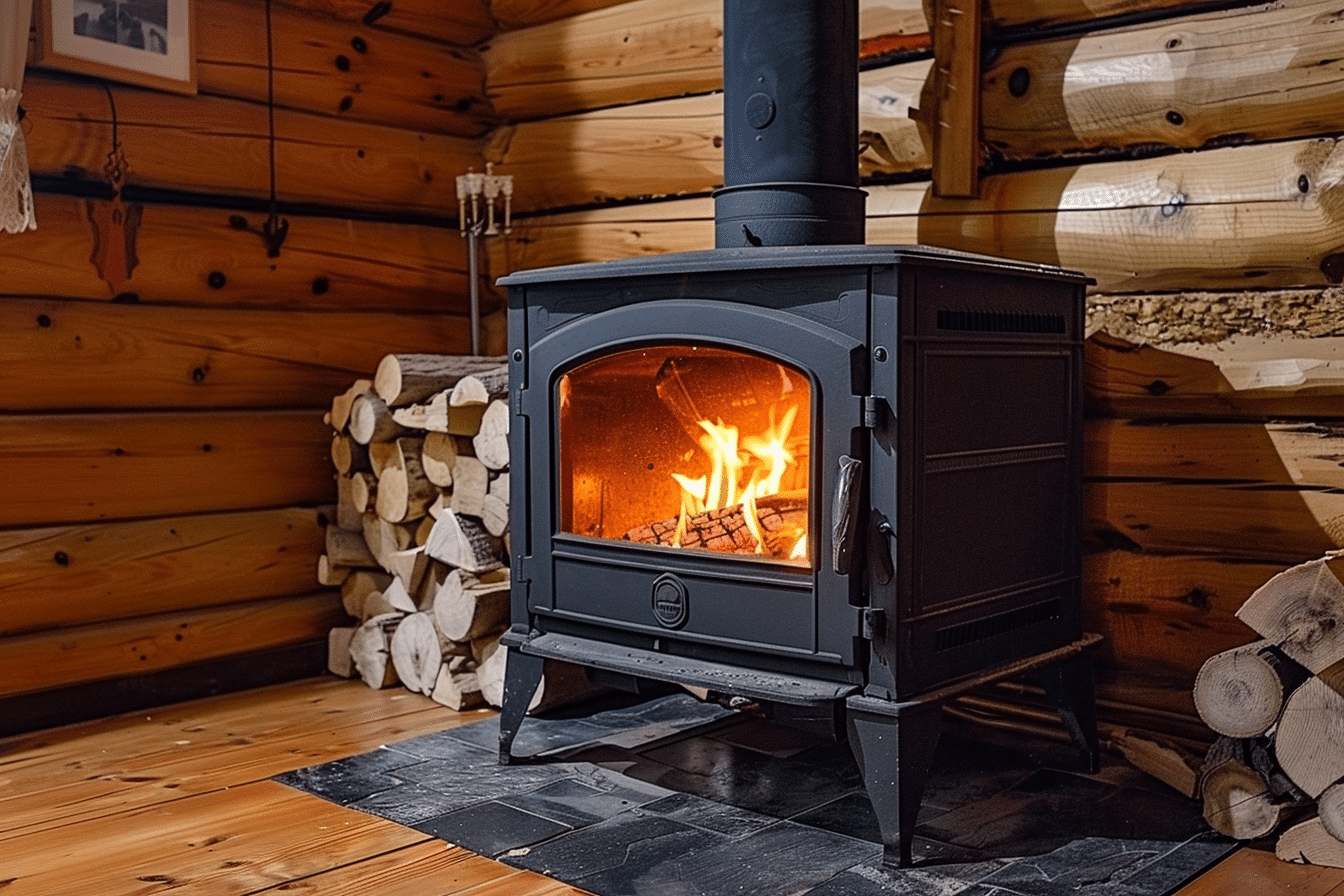
Hearth and Fireplace Surround: Most building regulations require a wood stove to be installed on a non-combustible hearth. This is usually a stone or tile slab that extends out from the wall. You might need to build a new hearth, or adapt an existing one. This could add £200 to £800, depending on the size and material. And if you’re going for a fancy stone surround or a new fireplace opening, that’s a whole other kettle of fish (and a whole lot more money!).
Carbon Monoxide Detector: This is a non-negotiable safety item. You absolutely must have a working carbon monoxide detector near your wood stove. These are relatively inexpensive, usually costing between £20 and £50, but they are vital. Don’t skimp on this. Seriously. It could save your life.
Building Regulations Approval: Depending on your local council and the nature of the installation, you might need to apply for building regulations approval. This can cost anywhere from £100 to £400, and it’s essential to ensure your installation is compliant and legal. Ignorance is not bliss when it comes to building regs!
First Loads of Wood: You’ve got your stove, you’re ready to go… but you need fuel! Unless you’re a lumberjack with a chainsaw and a pickup truck, you’ll need to buy your first load of seasoned hardwood. This can vary hugely in price depending on your location and whether you buy by the cubic meter, the bag, or a full delivery. Expect to spend £100 to £300 for a decent starting supply. And make sure it’s seasoned! Wet wood smokes like Brenda’s kitchen, and burns terribly.
Chimney Sweep (Annual): To keep your flue system safe and efficient, you’ll need an annual chimney sweep. This is a recurring cost, but essential. Budget around £50 to £100 per year for this service.

Maintenance and Repairs: Like any appliance, wood stoves can require maintenance and, occasionally, repairs. Door seals wear out, glass can crack, and internal bricks might need replacing. While not an immediate installation cost, it’s something to factor into the long-term ownership.
So, What's the Grand Total?
Alright, let’s try and put some numbers on this. Based on the above, a realistic budget for installing a standard wood stove would look something like this:
- Stove: £800 - £2,000 (mid-range)
- Flue System (new liner or twin-wall): £700 - £2,500
- Installation Labour: £800 - £1,500
- Hearth/Surround: £200 - £500
- Carbon Monoxide Detector: £30
- Building Regulations (if applicable): £200
- Initial Wood Supply: £150
Adding all that up, you’re looking at a ballpark figure of £2,880 to £7,380. Yikes. See what I mean? It’s not a small investment.
Now, if you’re lucky enough to have a perfectly intact chimney and a builder friend who’s willing to give you a very good deal on labour (but please, still get it HETAS certified!), you might shave a few thousand off that. Conversely, if you’re going for a top-of-the-line designer stove and a complex flue system through multiple floors, you could easily be looking at £10,000 or more. Brenda’s smoky experiment, in hindsight, was probably the cheapest part of her stove journey!
So, before you get swept away by the romantic imagery of roaring fires and reduced bills, take a deep breath and do your homework. Get quotes from reputable installers. Understand what’s involved. Because while a wood stove can be a beautiful, warm, and cost-effective addition to your home, it’s a significant investment that requires careful planning and budgeting. And trust me, you’d much rather be enjoying the warmth than wondering why your living room looks like a bonfire.


