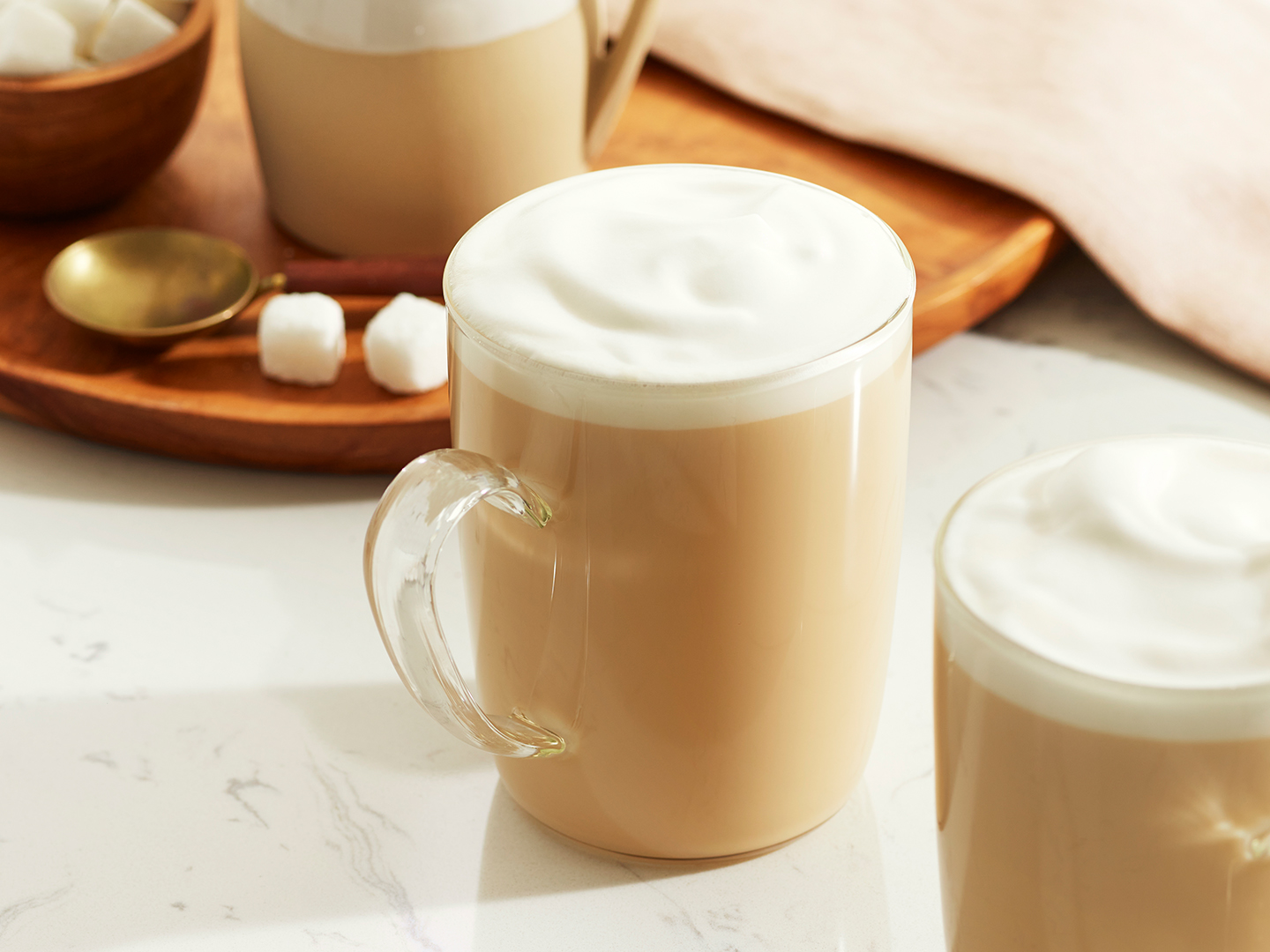
Chai Latte Is It Good For You

Hey there, my fellow beverage enthusiasts! Let's talk about something that's become a total hug in a mug for so many of us: the glorious, the fragrant, the wonderfully spiced chai latte. Seriously, is there anything better on a chilly morning, a rainy afternoon, or even just when you need a little oomph? I think not!
But as we sip on that creamy, dreamy goodness, a little voice in the back of our heads sometimes whispers, "Is this actually good for me?" It's a fair question, right? We're not just chugging down liquid happiness; we want to know if it's also doing our bodies a solid. So, grab your favorite mug (mine's currently sporting a grumpy cat, because, relatable), and let's dive into the delicious world of chai lattes and see if they pass the "good for you" test. Spoiler alert: it's not a simple yes or no, but we're going to break it down in a way that won't make your brain feel like a poorly brewed cup of tea.
The Magical Mix: What's Actually In a Chai Latte?
Before we can judge our beloved chai, we gotta know its components. Think of it like meeting someone for the first time – you need to know their name and maybe their favorite color before you can decide if you want to hang out, right? So, what are the key players in our chai latte adventure?
Must Read
First up, we have black tea. This is the foundation, the backbone, the reason it’s called "chai" in the first place. Chai, in its most basic form, is just the Hindi word for tea. But when we say "chai" here, we usually mean a specific blend of spices brewed with black tea. This black tea brings its own set of potential benefits, like antioxidants called theaflavins and thearubigins. These little guys are like tiny superheroes fighting off cellular damage. Not too shabby!
Then come the spices. Ah, the spices! This is where the magic truly happens. Traditionally, you'll find a symphony of flavors like:
- Cinnamon: Warm, sweet, and a little bit spicy. It's like a cozy blanket for your taste buds.
- Cardamom: This is the rockstar of chai, with its fragrant, slightly minty, citrusy notes. It's so sophisticated.
- Ginger: That zesty kick that warms you from the inside out. Perfect for a sore throat or just a dreary day.
- Cloves: Pungent and deeply aromatic. A little goes a long way, and they add a serious depth of flavor.
- Black Peppercorns: Yes, you read that right! A few peppercorns add a subtle warmth and complexity that you might not even notice consciously, but your taste buds will thank you for it.
Each of these spices isn't just for show, either. They've got their own little health halos. For instance, ginger is famous for its anti-inflammatory and digestive properties. Cinnamon has been linked to blood sugar regulation (though don't go replacing your medicine with it, okay?). And cloves are packed with antioxidants. It’s like a spice rack full of tiny health boosters!
Next, we introduce milk. This is where the "latte" part comes in. You've got your options here: dairy milk (whole, skim, 2%), almond milk, oat milk, soy milk, coconut milk… the list goes on and on. The type of milk you choose can significantly impact the overall health profile of your chai latte. We'll get into that more later.
And finally, the sweet, sweet sweetener. This is often where the "is it good for you?" question really starts to get complicated. Sugar, honey, agave, artificial sweeteners… they all bring something different to the table, and not always something we want. Some chai latte preparations, especially from cafes, can be loaded with added sugar, which, let's be honest, is usually the main culprit when we talk about unhealthy drinks.

The "Good For You" Aspects: Let's Unpack the Positives!
Okay, so we've got our ingredients. Now, can we honestly say chai lattes are good for us? The answer, as with most things in life, is… it depends! But there are definitely some genuinely positive aspects we can celebrate.
First off, those spices we talked about? They're the real heroes here. As mentioned, ginger is a digestive champion. If you're feeling a bit sluggish in the tummy department, a warming cup of chai might actually be helpful. It can help to reduce bloating and gas – a win-win for everyone involved, especially if you're about to attend a fancy event or, you know, just want to feel comfortable in your own skin.
Antioxidants are another big plus. Black tea, along with the spices, is a decent source of these. Antioxidants help protect your cells from damage caused by free radicals, which are those pesky molecules that can contribute to aging and various diseases. So, in a way, you're sipping on something that's helping your body fight the good fight. Go you!
The warmth itself can be a mood booster. There's a psychological element to a comforting hot drink. It can be incredibly soothing, reducing stress and promoting a sense of calm. On a rough day, that warm embrace in a mug can be more therapeutic than you might think. It’s like a mini-vacation for your soul.
And let's not forget the caffeine. Black tea provides a moderate amount of caffeine, which can give you a gentle energy boost without the jitters you might get from a super-strong coffee. It's enough to wake you up and get you going, but usually not so much that you're bouncing off the walls. Unless you're super sensitive, of course. Then you might be the reason the office furniture needs repairing. Just kidding! (Mostly.)
The spices themselves can also have some interesting properties. Cinnamon, as we touched on, has been studied for its potential to help manage blood sugar levels. Ginger is renowned for its anti-inflammatory effects, which could be beneficial for overall health. And the other spices contribute to the overall antioxidant power. It’s like a tiny, delicious potion of wellness.

The "Not-So-Good" Aspects: Where Things Get a Little Tricky
Alright, let's talk about the elephant in the room, or rather, the mountain of sugar in your chai latte. This is where the "good for you" narrative can quickly go south. If you're getting your chai latte from a cafe, especially a chain, the amount of added sugar can be staggering. We're talking more sugar than a candy bar, sometimes!
Why is this a problem? Well, excessive sugar intake is linked to a whole host of health issues: weight gain, increased risk of type 2 diabetes, heart disease, dental problems… the list goes on. So, if your chai latte is basically a dessert masquerading as a beverage, it's probably not doing you any favors. It’s like getting a hug from a bear – nice, but a little overwhelming and potentially dangerous if you’re not prepared.
Then there's the milk choice. While dairy milk offers calcium and vitamin D, it also contains lactose, which can be an issue for many people. Non-dairy milks can be a great alternative, but pay attention to what’s in them. Some almond or oat milks are loaded with added sugars and thickeners that don't offer much nutritional value. So, check the labels!
Another thing to consider is the preparation method. Many pre-made chai mixes or syrups used in cafes are highly processed and contain artificial flavors, colors, and a boatload of sugar. They might taste good, but they're not exactly brimming with the natural goodness of real spices. It's the difference between a home-cooked meal made with fresh ingredients and a fast-food burger. Both can fill you up, but the nutritional payoff is vastly different.
And what about the caffeine? While a moderate amount is generally fine, if you're sensitive to caffeine or have issues with sleep, a chai latte, especially in the afternoon or evening, might not be your best friend. It's like having a little too much excitement before bedtime; you might end up staring at the ceiling, counting sheep that are doing complicated yoga poses.
Finally, there's the portion size. A giant, venti-sized chai latte can easily pack more calories and sugar than you realize. It's easy to get swept up in the sheer deliciousness and forget that you're consuming a significant amount of liquid calories. It’s like ordering a whole pizza for yourself – you might enjoy every bite, but your waistline might stage a small protest later.
Making Your Chai Latte "Good For You": Tips and Tricks!
So, is there hope for our beloved chai latte to be a genuinely good for you beverage? Absolutely! The key is to be mindful of what goes into it and how it’s prepared. Think of it as being the director of your own personal chai movie – you get to decide the plot and the ending!
1. DIY is Your Best Friend: Honestly, making chai latte at home is the best way to control the ingredients. You can use real spices, control the amount of sweetener (or skip it altogether!), and choose your preferred milk. It’s empowering, and frankly, much cheaper. Plus, the aroma of brewing spices in your own kitchen? Priceless!
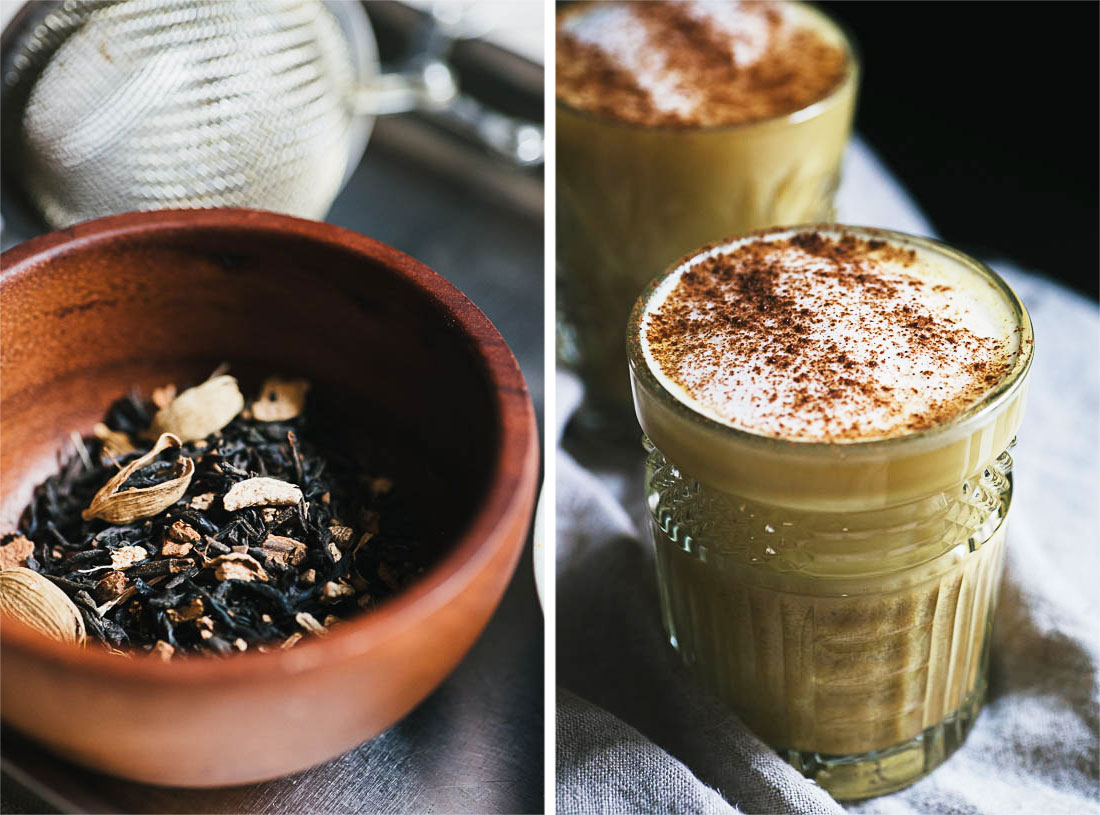
2. Spice it Up (Naturally!): Invest in whole spices like cardamom pods, cinnamon sticks, cloves, and fresh ginger. Toasting them lightly before grinding them can release even more incredible flavor. You can even make your own chai spice blend to keep on hand. It’s like having your own secret weapon for deliciousness.
3. Control the Sweetness: Start with no sweetener. Seriously. Taste your chai. You might find that the natural sweetness of the spices and milk is enough. If you absolutely need a touch of sweetness, use a small amount of honey, maple syrup, or a natural sugar alternative. Gradually reduce the amount you use over time. Your taste buds will adjust, and you’ll be surprised at how much less sugar you need.
4. Choose Your Milk Wisely: If you’re dairy-free, opt for unsweetened almond, oat, or soy milk. Always check the nutrition label to make sure there isn’t a ton of added sugar. If you do drink dairy, skim or low-fat milk will reduce the fat and calorie content.
5. Brew Your Own Tea: Use good quality loose-leaf black tea or a strong tea bag for your base. Avoid those overly sweet, pre-packaged chai mixes that are more syrup than spice. You want the real deal!

6. Portion Control is Key: Stick to a standard mug size. A 6-8 ounce serving is usually plenty for a treat. If you're at a cafe, ask for it with fewer pumps of syrup or less sugar. You can even ask for just the "chai concentrate" (the spiced tea base) and add your own milk and sweetener at home if you're taking it to go.
7. Listen to Your Body: Pay attention to how you feel after drinking a chai latte. If you experience jitters or a sugar crash, it’s a sign that something in your usual preparation isn't working for you. Adjust accordingly!
The Verdict: Is Chai Latte Your New Best Friend (Health-Wise)?
So, after all this dissecting and discussing, where do we land? Is the chai latte inherently "good for you"? Well, it's not a kale smoothie, let's be honest. But it’s also not a sugary soda or a deep-fried donut. The potential for good is definitely there!
When made with a focus on real spices, moderate sweetness, and mindful milk choices, a chai latte can be a delightful and even beneficial treat. The warming spices offer comfort and potential digestive and anti-inflammatory benefits. The black tea provides antioxidants, and the moderate caffeine can offer a gentle lift. It’s a drink that nourishes your spirit as much as it tantalizes your taste buds.
The key, as with most things in life, is balance and moderation. Think of your chai latte as a delicious indulgence, a moment of self-care, rather than a daily health staple. It’s a warm hug for your insides, a fragrant whisper of exotic lands, and a delightful way to add a little spice to your life.
So, next time you're craving that comforting, spiced goodness, don't feel guilty! Embrace it, but do it wisely. Make it your own, savor every sip, and let that fragrant warmth fill you with joy. After all, life is too short for bland beverages and unsmiling faces. Go forth, my friends, and enjoy your chai latte with a happy heart and a healthy dose of awareness. Your body, and your soul, will thank you!