
Can You Use Vaseline On A Dog

Hey there, fellow dog-lover! So, you've probably got a jar of that good old Vaseline sitting around, right? That magical petroleum jelly that can fix almost anything for us humans, from chapped lips to squeaky doors. And then, a little thought might pop into your head: "Can I slather this wonder product on my furry best friend?" It's a perfectly reasonable question, and one that deserves a good, honest chat.
Let's dive into the nitty-gritty, shall we? Because while Vaseline is a staple in many households, when it comes to our canine companions, things get a little more nuanced. Think of it like this: just because a treat is good for you doesn't mean it's automatically good for your dog. We're talking about a whole different species here, with their own unique sniffles and boo-boos.
So, can you use Vaseline on a dog? The short answer, my friend, is a cautious "it depends." Like a good detective, we need to examine the evidence and consider the circumstances. It's not a simple yes or no, but more of a "proceed with caution and know your stuff" kind of deal. And trust me, knowing your stuff can save you and your pup a whole lot of unnecessary drama. No one wants a drama-prone pup, right?
Must Read
The Great Vaseline Debate: When is it Okay?
Alright, let's get down to the brass tacks. There are indeed some situations where a small amount of Vaseline might be helpful for your dog. But and this is a big ol' BUT – we're talking about very specific, minor issues and always with a watchful eye.
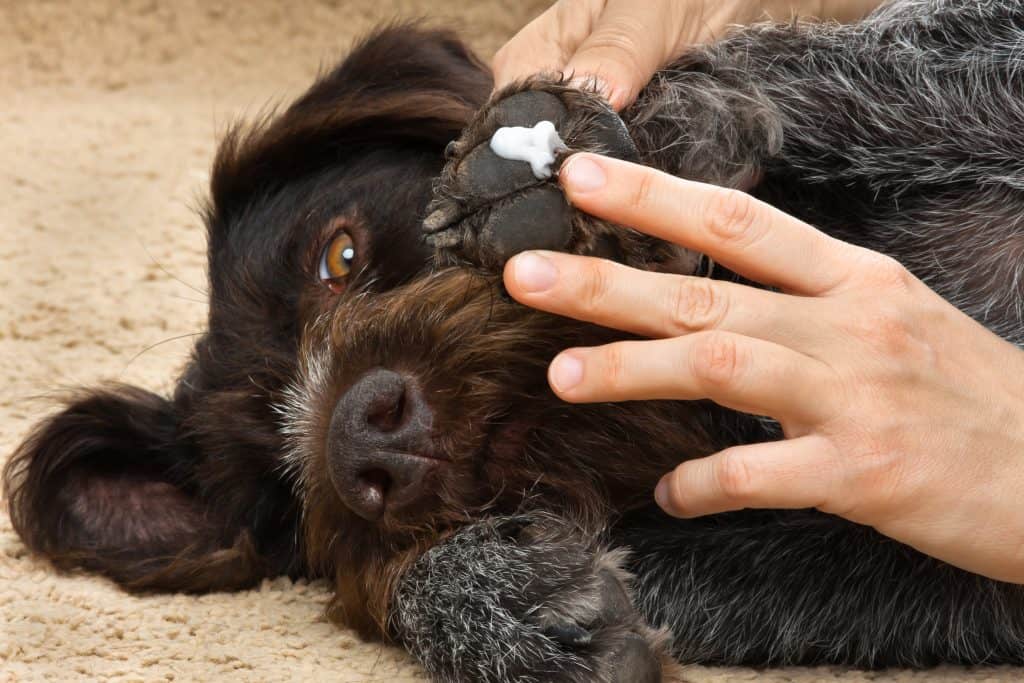
One of the most common uses is for dry, cracked paw pads. You know, those little leathery bits on the bottom of their feet that can get a bit rough, especially after a long walk on a hot sidewalk or a super cold, dry day. Think of it like our own hands getting dry and needing a good moisturizer. A tiny dab of Vaseline applied to their paw pads can help to soften them and prevent further cracking. Just be sure to rub it in well so they don't immediately try to lick it all off. And let's be real, they will try to lick it all off. It's a dog thing. It's like their mission statement.
Another scenario where it might be considered is for minor cuts or scrapes. Now, I'm not talking about gaping wounds or anything serious. For those, you need to get to the vet faster than a squirrel flees from a dog (which is saying something!). But for a small, superficial scratch that's not bleeding much, a tiny bit of Vaseline could potentially act as a barrier, keeping out dirt and keeping the wound moist, which can aid in healing. Again, the keyword here is tiny. We're talking less than a pea-sized amount, and only if you're absolutely sure it's a minor ouchie.
Some folks also use it to prevent fur from sticking to minor wounds when they're bandaging a small area. The idea is that the Vaseline acts as a protective layer between the fur and the bandage, making removal less painful. This is a bit more niche, and honestly, there are often better, vet-approved wound care products available. But in a pinch, and with extreme caution, it's a concept people have employed.
And then there's the dreaded "butt scoot." You know, when your dog is dragging their bum across the floor like they're trying to win a freestyle dance competition? Sometimes, this can be due to irritation around the anal glands. A very thin layer of Vaseline applied externally might offer some temporary relief from the friction and discomfort. However, and I cannot stress this enough, butt scooting is often a sign of a more serious underlying issue that requires veterinary attention. So, Vaseline is NOT a cure, just a potential temporary comfort measure before you see the vet.
When to Say a Big, Fat NO to Vaseline
Now, let's talk about the times you should absolutely, positively, 100% keep that Vaseline jar far, far away from your dog. This is where things get serious, and ignoring these warnings could lead to a whole heap of trouble. And nobody wants trouble, especially when it involves their furry child.
The biggest no-no is using Vaseline internally. Let me repeat that: DO NOT give your dog Vaseline to eat or apply it anywhere inside their body. Vaseline is petroleum-based. If ingested in significant amounts, it can cause stomach upset, vomiting, and diarrhea. In worse cases, it can lead to aspiration pneumonia if it gets into their lungs, which is a very serious, potentially life-threatening condition. Imagine trying to breathe when your lungs are full of oily jelly. Not fun.
Secondly, avoid using Vaseline on large or deep wounds. As mentioned before, if it's anything more than a superficial scratch, it's vet time. Vaseline can trap bacteria in a deeper wound, creating a breeding ground for infection. It can also prevent proper drainage and hinder the healing process. Think of it as putting a lid on a bubbling pot of trouble.
Never use Vaseline on or around your dog's eyes or genitals. These are extremely sensitive areas. Vaseline can cause irritation, stinging, and potentially block natural functions. It’s like trying to use duct tape on a delicate flower – just… no.
Also, if your dog has any skin allergies or sensitivities, Vaseline might exacerbate them. While it’s generally considered hypoallergenic for humans, individual reactions can vary, and a dog’s skin is different from ours. If your dog already has itchy skin, adding Vaseline could make them even more miserable. And a miserable dog is a sad sight.
Finally, and this is a big one for our furry friends: ingestion is a major concern. Dogs are curious creatures. They lick. They chew. They explore with their mouths. If you apply Vaseline anywhere on their body, they are highly likely to lick it off. Even if you only apply a tiny amount to their paws, they’ll spend the next hour trying to get every last bit. This brings us back to the potential for stomach upset and other issues. So, if you're going to use it, be prepared for the licking Olympics.

The "Why" Behind the Caution: What's in That Jar?
So, why all the fuss? What makes Vaseline, this seemingly harmless white goo, so questionable for our pups? It all comes down to its composition and how our dogs' bodies work. Vaseline is essentially purified petroleum jelly, which is a byproduct of crude oil. For us humans, it’s inert and forms a protective barrier. But for dogs, there are a few key differences.
As we touched on, ingestion is the primary concern. Dogs don't have the same digestive systems as us. That oily substance can be a real gut-wrencher. It’s not toxic in small amounts, but it can certainly cause an upset stomach. And as I mentioned, the risk of aspiration pneumonia if it gets into the lungs is a serious worry. It’s like a slippery slope, and we don’t want our pups slipping down it.
Another factor is absorption. While Vaseline creates a barrier, it doesn't truly "soak in" like a medicated cream designed for canine skin. This means that on a wound, it might just sit on top, potentially trapping moisture and hindering natural healing. Or, it might just provide a slippery surface for dirt and debris to cling to. Not ideal for a clean healing environment.
Then there's the smell. Dogs have an incredible sense of smell. While we might not detect much from Vaseline, your dog might find it unusual or even off-putting. This can contribute to them wanting to lick it off immediately. And let's face it, a dog obsessed with licking something off their body is not a happy dog.
The effectiveness of Vaseline on dog issues is also debatable. For dry paws, while it can offer temporary softness, there are often specialized paw balms designed specifically for dogs. These often contain natural ingredients like shea butter, beeswax, and vitamin E, which are better suited for canine skin and less likely to cause ingestion issues. They are formulated with dogs in mind, which makes them a more logical choice. Think of it as choosing a tool designed for the job, rather than trying to hammer a nail with a screwdriver.

Safer Alternatives: What Else Can You Do?
Okay, so Vaseline has its limitations and risks. What are some better, safer alternatives for those common doggy ailments? Glad you asked! Because thankfully, there are plenty of fantastic options out there.
For those dry, cracked paw pads, as I hinted at, dog-specific paw balms are your best friend. You can find them at most pet stores and online. They are formulated to be safe if licked and often contain nourishing ingredients that truly benefit your dog's paws. Some popular brands include Musher's Secret, Paw Nectar, and Burt's Bees for Pets. These are designed to hydrate, protect, and heal, making them a superior choice. Plus, they often have pleasant, dog-friendly scents or are fragrance-free.
When it comes to minor cuts and scrapes, veterinary-approved wound care products are the way to go. This could include antiseptic wipes specifically for dogs (like those containing chlorhexidine), a gentle saline solution for cleaning, and a veterinarian-recommended ointment or cream designed for wound healing. Your vet can guide you on the best products for your dog’s specific needs. They are formulated for efficacy and safety on canine skin, which is crucial.
If you're concerned about irritation around the anal glands or general skin dryness on your dog's body, consult your veterinarian. They can diagnose the underlying cause of the issue and prescribe appropriate treatment. This might involve dietary changes, medication, or specific topical treatments. Don't guess when it comes to your dog's health; their well-being is paramount. A vet's diagnosis is like the ultimate cheat sheet for your dog’s health.
For general skin health, a good quality dog shampoo and conditioner can make a world of difference. Keeping your dog's coat clean and moisturized can prevent many common skin issues. Also, ensuring they have a balanced and nutritious diet is fundamental to their overall health, including their skin and coat. You are what you eat, and that applies to our furry friends too!
And if you’re looking for a safe way to create a barrier against minor irritations, consider coconut oil. In small amounts, it can be beneficial for both skin and digestion for dogs. However, as with anything, moderation is key, and it’s always best to discuss any new supplement or treatment with your vet first. But generally speaking, it’s a more natural and often better-tolerated option than petroleum jelly.
The Takeaway: When in Doubt, Ask the Pro!
So, after all this talk, what’s the final verdict? Can you use Vaseline on a dog? The answer, as we’ve explored, is a qualified "maybe" for very specific, minor external applications, but with a massive caveat of caution.
It’s a product that’s readily available and has a multitude of uses for us humans. But when it comes to our beloved canine companions, we need to be a bit more discerning. Their bodies are different, their needs are different, and their ability to self-medicate (by licking!) is a significant factor.
The biggest takeaway is this: When in doubt, always consult your veterinarian. Seriously. They are the experts. They know dogs inside and out. They can assess your dog's specific condition and recommend the safest and most effective treatment. It’s better to get professional advice than to risk causing harm or delaying proper treatment.
Think of your vet as your dog's health superhero. They have the capes, the knowledge, and the tools to keep your furry friend happy and healthy. They can tell you if Vaseline is an appropriate (and safe!) choice for a minor issue, or if there’s a better, more specialized product out there. They are your ultimate resource, and their advice is golden.
Ultimately, using Vaseline on your dog should be a rare, carefully considered decision, with the understanding of its limitations and potential risks. Focus on products specifically designed for dogs, and always prioritize your dog's safety and well-being. Your dog trusts you to make the best choices for them, and by being informed and consulting with professionals, you’re giving them the best possible care. And isn't that what being a great dog parent is all about? Spreading love, providing comfort, and keeping those tails wagging with happy, healthy adventures!
So go forth, dog-loving friend, armed with knowledge and a heart full of love for your four-legged family member. Keep those paws protected, those noses sniff-ready, and those tails wagging! And remember, the best remedy for any doggy woe is a healthy dose of love, a good vet visit when needed, and maybe a really good belly rub. Because at the end of the day, that’s what makes their world a wonderful place. Here's to happy, healthy pups and the joy they bring us!

