Can You Turn A Riding Lawn Mower On Its Side
Hey there, lawn-loving pals! Ever found yourself staring at your trusty riding lawn mower, maybe after a particularly epic mowing session, and wondered, "Hey, I wonder if I can just… flip this bad boy on its side?"
It’s a question that pops into our heads, right? Especially when you’re faced with a stubborn bit of grass stuck under the deck, or maybe you’re just feeling a bit adventurous and want to peek at the underbelly of your grass-gobbling beast. We’ve all been there, staring at that hefty machine and thinking, "If only it were a little… more accessible."
So, let’s get down to the nitty-gritty. Can you, in fact, turn your lawn-mowing companion onto its side? The short answer is: yes, you can. But, and this is a big ol' "but" with flashing neon lights and a siren, it’s not exactly a walk in the park. Think of it more like wrestling a particularly stubborn badger. It’s possible, but you gotta do it right, or you might end up with more than just a clean mower deck.
Must Read
First things first, safety is king. Seriously, don’t just go all Hulk Smash on your mower. These things are heavier than they look, and gravity, as we all know, is a force to be reckoned with. A mower falling on you? Not exactly the kind of excitement we’re looking for on a Saturday afternoon.
So, if you’ve decided the side-flip is the way to go, let’s break down how to do it without becoming a cautionary tale. The absolute, most important first step is to make sure the engine is off. Like, completely off. No cranking, no sputtering, just dead. And while we’re at it, remove the ignition key. You don't want any accidental starts while you're trying to get under there, do you? That would be a real "oops" moment, and probably a painful one.
Next up: fuel. If your mower has a full tank of gas, that’s a lot of flammable liquid that could potentially spill. And nobody wants their lawn-mowing session to turn into a miniature inferno. So, if possible, try to run the mower until the fuel tank is pretty much empty. If you can't empty it, at least try to get it down to a manageable level. Less fuel means less mess, and a significantly lower fire hazard. Think of it as giving your mower a little diet before its acrobatic performance.
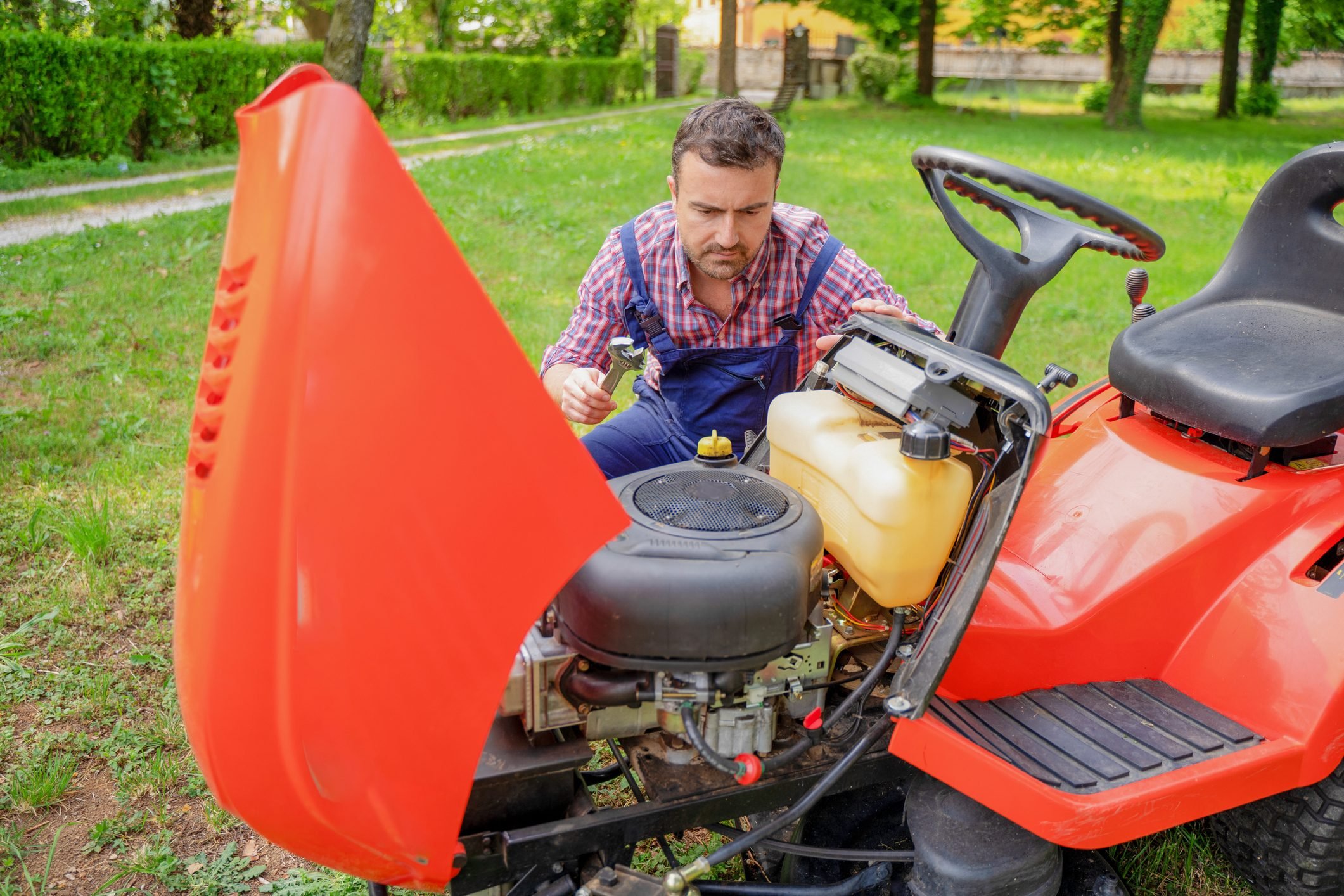
Now, let’s talk about the battery. If your mower has an electric start, you’ve got a battery. And while it’s not as dramatic as a fuel spill, it’s still a good idea to disconnect the battery. It’s another layer of safety, preventing any stray sparks or accidental electrical shenanigans. Just pop that hood, find the battery, and disconnect the negative terminal. Easy peasy lemon squeezy. (Unless you have a particularly stubborn battery terminal. Then it might be more like "challenging citrus fruit.")
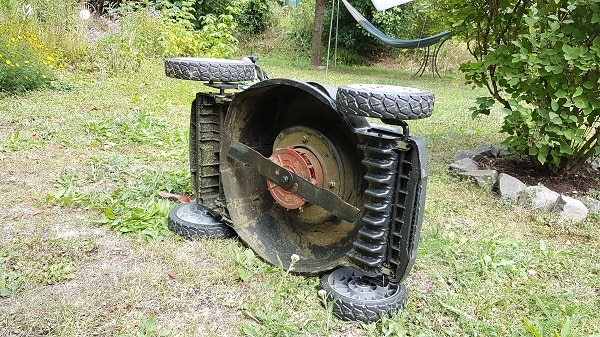
Okay, we’ve got safety covered. Engine off, key out, fuel low-ish, battery disconnected. What’s next? It’s time to orient yourself. Most riding mowers are designed to be tipped onto their side with the carburetor side up. Why? Because if you tip it the other way, all that precious oil in the engine might decide to take a little vacation into the carburetor or air filter. And trust me, your engine won’t be a happy camper with a belly full of oil where it doesn't belong.
So, picture your mower. It usually has a sort of rounded side. You want to tip it so that the side with the engine’s carburetor (usually on the side facing towards the front of the mower) is pointing upwards. This is like giving your engine a comfy pillow for its oil. Think of it as a little nap for your engine’s insides. The deck, the thing that actually cuts the grass, will be facing down towards the ground. This is where you’ll be doing most of your work.
Now, for the actual tipping. This is where asking for help comes in handy. These machines are not light. Trying to muscle it over by yourself can lead to strained backs, dropped mowers, and general unhappiness. Grab a friend, a neighbor, your patient significant other, or even that kid who owes you a favor from that time you lent them your best hedge trimmer. Two sets of hands are better than one, and it’s much safer.

When you’re tipping it, do it slowly and steadily. Don’t just heave and hope for the best. Guide it. Make sure nothing is in the way. You don't want to accidentally crush a prize-winning petunia or that garden gnome your aunt gave you. Gently lower it onto its side, making sure it’s stable.
Why would you even do this, you ask?
Good question! Most of the time, people tip their mowers for maintenance and cleaning. That mower deck, folks, it gets caked with grass clippings. It’s like a built-up beard of green goodness. Tipping it allows you to get a much better angle to scrape off all that gunk. You can reach those hard-to-get spots, sharpen your blades (if you’re feeling brave and have the right tools – maybe a separate article for that!), and generally give your mower a good scrub-down.
It's also a great way to check for any loose bolts or obvious damage underneath. You can see what’s going on with the blades, the belt, and other important bits. Think of it as a spa day for your mower, a chance to get all cleaned up and checked out.
Things to watch out for (besides the obvious gravity-related hazards):
So, you’ve got your mower on its side. What are the potential pitfalls? Well, besides the oil potentially migrating to unwelcome places (which we’ve already tried to mitigate by tipping it the right way), there are a few other things to keep an eye on.
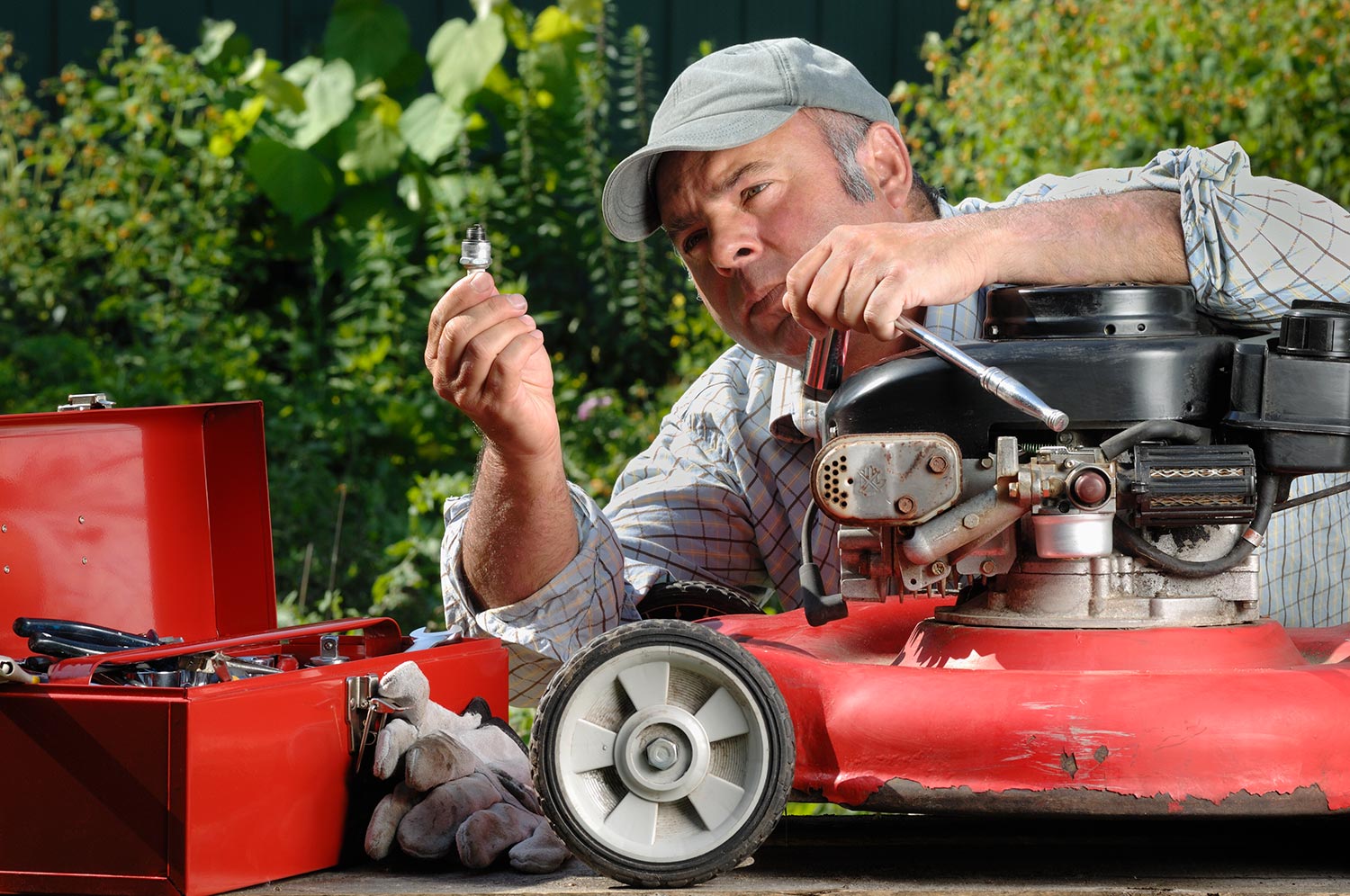
Blade removal: If you’re planning on taking off the blades, remember they’re sharp. Like, really sharp. Wear thick gloves. And be careful of the direction they’re facing. You don’t want to accidentally give yourself a haircut with your own mower blade.
Fuel and oil leaks: Even with the fuel low, you might get a drip or two. And depending on how long it’s been tipped, a little bit of oil might seep out. Have some rags or old newspapers handy. It’s better to have a few drips on the ground than to have your entire garage floor smelling like a greasy spoon diner.
Hydraulic fluid (if applicable): Some mowers have hydrostatic transmissions. If yours does, be extra careful. There might be hydraulic fluid involved, and that stuff can be a mess if it leaks. Consult your owner’s manual if you’re unsure about your specific model.
Control cables and linkages: When you tip the mower, make sure none of the control cables get kinked or damaged. These are often delicate and important for operating your mower. You don’t want to accidentally sever a vital connection while you’re giving your mower a bath.
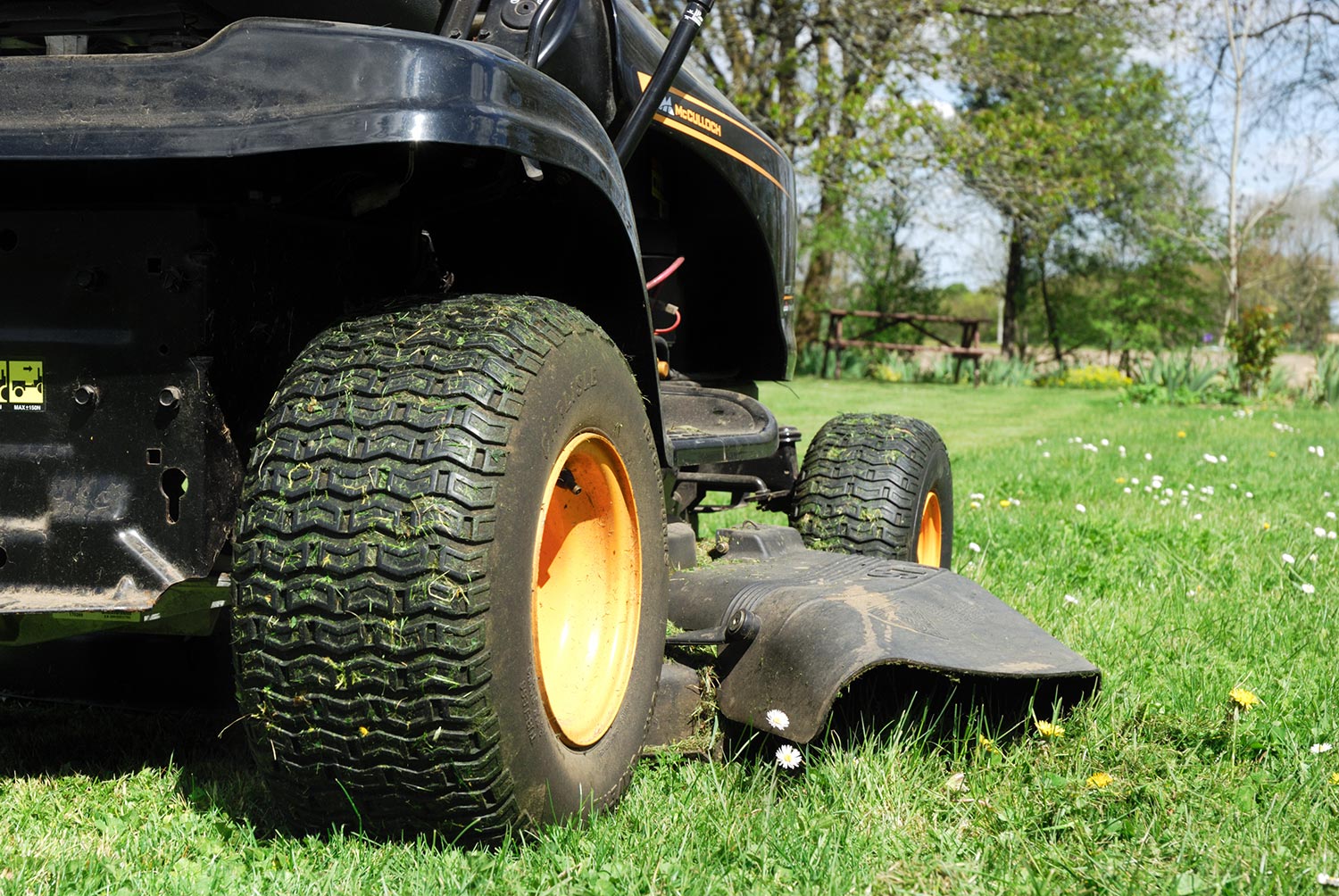
Getting it back upright: This is the reverse of tipping it over, and it’s just as important to do it carefully. Again, two people are ideal. Gently lift and guide the mower back onto its wheels. Make sure it lands on a stable surface and doesn’t roll away.
After the adventure: Once your mower is back on all four wheels and you’ve finished your maintenance, it’s a good idea to check the oil level. You might need to top it up, especially if you noticed any minor leaks. And then, of course, reconnect the battery. Give the engine a quick prime and start it up. Listen to it purr. It should sound happy and healthy, ready to tackle those lawns with renewed vigor.
So, while tipping your riding mower is definitely doable and can be super helpful for getting some work done, it's not something to be taken lightly. Preparation and caution are your best friends here. Think of it as a project, not a quick fix. And remember, if you’re ever in doubt, or if your mower feels too heavy or awkward, it’s always better to err on the side of caution and consult a professional. Or, you know, just buy a really long-handled grass rake and try to reach those tricky spots from the upright position. Whatever works!
Ultimately, whether you choose to tip your mower or not, the goal is to keep your lawn looking its best and your trusty machine running smoothly. And there’s a real satisfaction in knowing you’ve taken good care of your equipment. So, go forth, keep those lawns tidy, and remember that even the biggest, baddest lawn mowers can be tamed with a little know-how and a lot of careful effort. Here’s to a beautifully manicured yard and a happy, healthy mower – no matter how you get it clean!
/Toro-Timecutter-riding-lawn-mower-big-56b6bdab5f9b5829f834450e.jpg)