Can You Pour Cement In The Rain
So, you've got a weekend project brewing. Maybe it's that little patio you've been dreaming of, or perhaps you're finally tackling that wobbly garden path. You've got your bags of cement, your trusty shovel, and you're ready to roll. Then, you glance at the sky, and… oops. A few raindrops start to fall. Suddenly, a little voice in your head whispers, "Can you pour cement in the rain?" It's a question that might seem a bit niche, but stick with me, because understanding this is like knowing not to put your best cashmere sweater in the dryer – it's about preserving your hard work and avoiding a soggy, crumbly mess.
Think about it like baking a cake. If you're aiming for a perfectly fluffy chocolate creation, would you chuck it in the oven while the kitchen is practically a sauna from a boiling pot of water? Probably not. The steam would mess with the texture, right? Pouring cement in the rain is a similar kind of culinary (or rather, constructional) disaster waiting to happen.
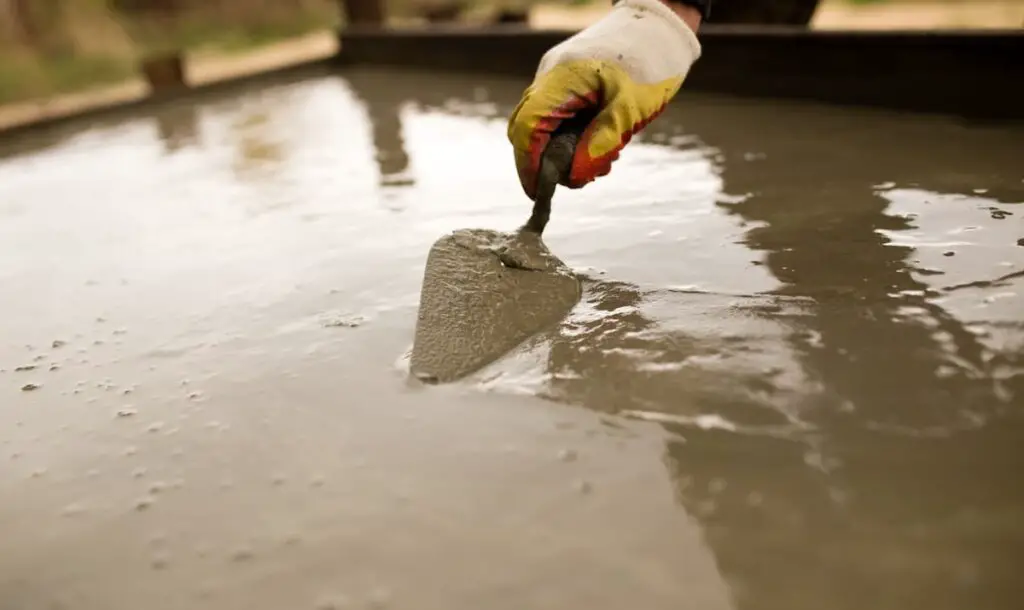
The main culprit here is water, water everywhere. Cement, when you mix it with water, undergoes a chemical reaction called hydration. It's this magic blend that makes it harden and become that super-strong stuff we rely on for everything from foundations to sidewalks. Now, adding too much water, or having extra water dilute your carefully measured mix, is like trying to make a perfect pancake batter with a gallon of milk instead of a cup. You'll end up with something thin, weak, and frankly, a bit useless.
Must Read
So, what happens when the heavens decide to open up while you're mid-pour? Well, those raindrops are essentially adding unwanted water to your cement. This can lead to a few rather unfortunate outcomes. First off, it can wash away some of the cement paste. Imagine you're building a sandcastle, and a rogue wave washes over it. Not ideal, right? The same principle applies here, but instead of sand, you’re left with a weaker, less dense concrete. This means your beautiful new patio might be prone to cracking sooner than you'd like. Nobody wants a cracked patio, especially when you were envisioning sipping iced tea on it this summer.
Another issue is segregation. This is a fancy word for the different components of your concrete deciding to go their separate ways. The cement paste, the water, and the aggregates (that's the sand and gravel) can start to separate if there's too much water. The heavier bits sink to the bottom, and the lighter bits float to the top. This creates uneven strength throughout your pour. It’s like making a soup and all the noodles end up at the bottom and the broth at the top – not the consistent deliciousness you were hoping for.
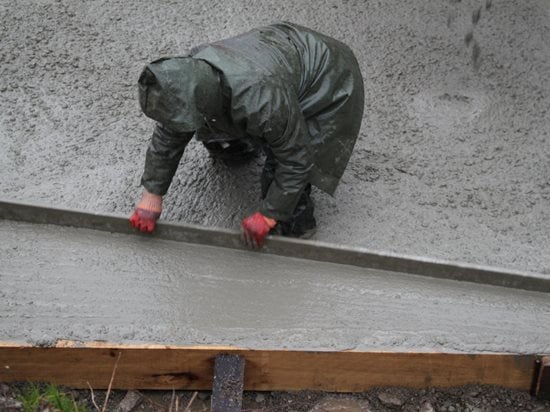
And then there's the surface finish. You've probably seen those beautifully smooth, almost polished concrete surfaces. If you pour in the rain, you're likely to end up with a rough, pitted, and uneven finish. Those raindrops can create little craters and make it incredibly difficult to achieve that smooth, professional look. It’s like trying to paint a masterpiece on a bumpy, wet wall – the paint just won’t adhere properly and will look all blotchy. You’ll be left with something that looks less like a designer patio and more like… well, a patch of lumpy, damp concrete.
Now, you might be thinking, "But what if it's just a light sprinkle? A few drops here and there?" This is where things get a little fuzzy, much like looking through a rain-streaked window. For a truly light sprinkle, where it's barely enough to dampen your hair, you might get away with it, especially if you're working quickly and can somehow shield the pour. However, the risk is still there. It’s a bit like playing a game of Jenga – one wobbly piece might not bring the whole tower down, but it certainly increases the chances.

The rule of thumb, and it's a pretty solid one, is to avoid pouring cement if it's actively raining. If the forecast looks dicey, it's always better to err on the side of caution. Think of it as rescheduling a picnic because of bad weather. You'd rather wait for sunshine and enjoy your sandwiches than have them soggy and ruined. Your concrete project deserves that same respect.
So, what are your options when the rain clouds gather?
Option 1: The Wait and See Approach
Sometimes, nature is just teasing. A quick shower might blow over. If you have a bit of flexibility in your schedule, it's perfectly fine to wait it out. Grab a cup of tea, catch up on your favourite show, and keep an eye on the sky. As soon as it clears, you can get back to your project with peace of mind.
Option 2: The Shelter Strategy
If you're on a tight deadline or the rain is persistent but light, you might consider setting up some kind of temporary shelter. Think tarps, plastic sheeting, or even a pop-up canopy. This can protect your pour from direct rainfall. Just make sure the shelter is secure and won't blow away in a strong gust of wind – that would be a whole new problem!

Option 3: The Rethink and Replan
If the rain is going to be heavy and prolonged, or if you're just not set up for sheltering, it might be time to accept defeat for the day. There's no shame in putting the cement bags back in a dry place and rescheduling. It’s better to do it right, even if it takes a little longer, than to do it wrong and have to fix it later.
Ultimately, caring about whether you can pour cement in the rain is about investing in the longevity and quality of your work. It’s about ensuring that the patio you build today will be enjoyed for years to come, without developing cracks or crumbling apart. It's about taking pride in your DIY efforts and not having them undone by a sudden downpour.
So next time you're staring down a cloudy sky with a wheelbarrow full of potential, remember the cake, the sandcastle, and the soup. Be smart, be prepared, and if in doubt, just wait for the sun. Your future self, relaxing on a perfect patio, will thank you for it!