Can You Plant A Hibiscus Braided Tree Outside
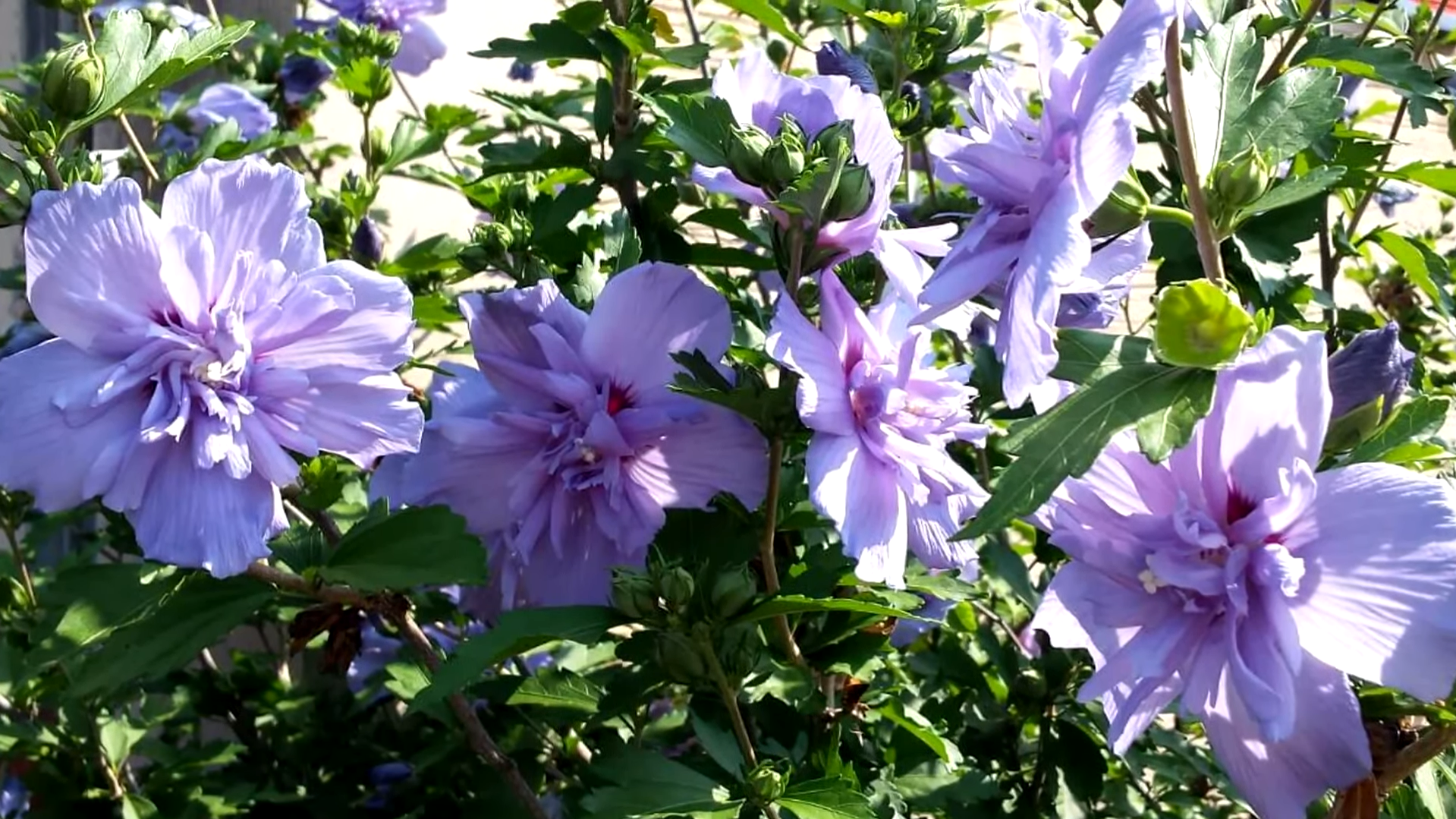
I remember the first time I saw one. It was at my aunt Carol's house, tucked away in a little sun-drenched corner of her backyard. It wasn't just a plant; it was a miniature work of art. Three hibiscus stems, all gnarled and twisted like they’d been in a friendly wrestling match, reaching upwards to a leafy crown. And then, BAM! Huge, vibrant trumpet-shaped flowers, the color of a sunset. I was mesmerized. "Aunt Carol," I blurted out, probably sounding like a kid who'd just discovered magic, "what IS that?" She just smiled her knowing smile and said, "That, my dear, is a hibiscus braided tree."
Fast forward a few years, and I’ve got a serious plant obsession going on. My apartment is basically a jungle, much to the amusement (and sometimes slight terror) of my friends. So, naturally, the question that’s been bouncing around in my brain like a rogue ping pong ball is: can I actually plant one of these beauties outside? Like, in the real dirt, under the actual sky? It’s a question that’s been keeping me up at night, or at least occupying a significant chunk of my gardening daydreams. You know, the kind of daydreams where you're wearing a floppy hat and expertly wielding a trowel. Ah, the glamorous life of a plant parent!
So, let's dive into this. Can you plant a hibiscus braided tree outside? The short, sweet, and slightly dramatic answer is: it depends. And, as with most things in life (and especially in gardening), the devil is in the details. Or, in this case, the climate.
Must Read
See, those gorgeous hibiscus plants, the ones that give us those show-stopping flowers, they’re not exactly known for their love of a good frost. They’re tropical divas, really. They thrive in warmth, sunshine, and a good dose of humidity. Think of them as tiny, floral celebrities who demand a very specific lifestyle.
The Great Climate Divide
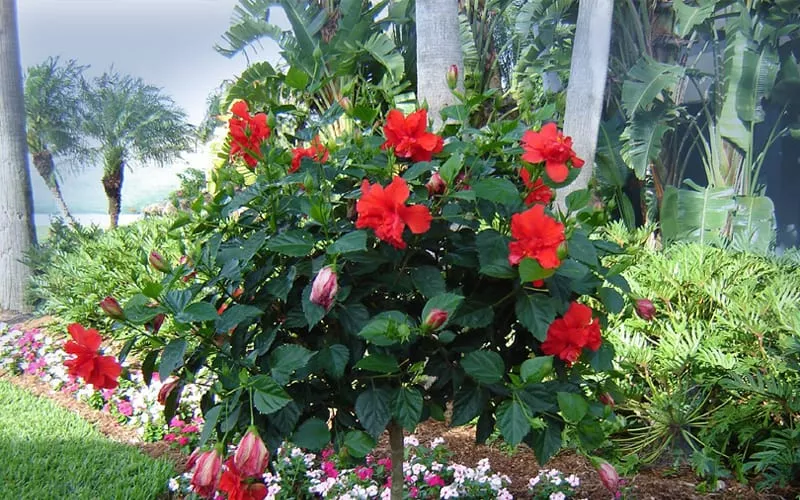
This is where we get down to brass tacks. If you live in a place that’s generally warm and cozy year-round, like Florida, Southern California, or parts of Hawaii, then the answer is a resounding YES! You can absolutely plant your hibiscus braided tree outside and watch it flourish. Imagine that! Your own personal piece of tropical paradise, right there in your garden.
However, if you’re living in a region that experiences frosts and freezing temperatures, then things get a little more… complicated. Hibiscus plants, especially the common Hibiscus rosa-sinensis (which is usually what’s braided into those tree forms), are not built for the cold. A hard freeze can spell disaster for them. Think of it like trying to send your favorite cashmere sweater out for a winter hike in Siberia. It’s just not going to end well.
So, that’s the biggie. Your hardiness zone is your best friend (or maybe your sworn enemy, depending on where you live). You can usually find your hardiness zone online or through your local extension office. Knowing this number is crucial for any outdoor planting endeavor, but it’s especially important for tropical plants like hibiscus.
So, What If I'm Not in Paradise?
Don't despair, fellow plant enthusiasts who reside in less-than-tropical climates! All hope is not lost. It just means your hibiscus braided tree might need to live a slightly more nomadic lifestyle. Think of it as a glamorous world traveler!
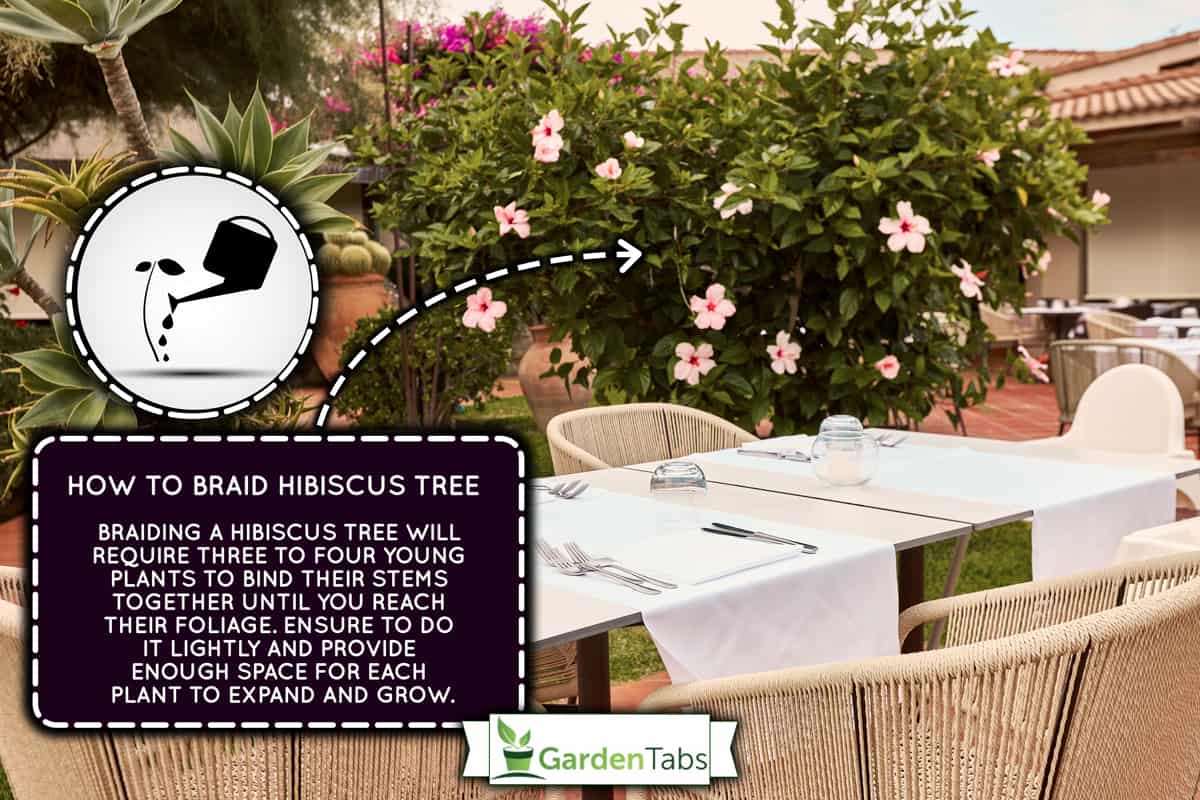
The most common and successful way to grow a hibiscus braided tree in a cooler climate is to treat it as a container plant. This is where you get to be a bit of a horticulturist and an interior decorator. You can keep your braided beauty in a pot, and then, when the weather starts to turn chilly and those ominous frost warnings begin to appear, you simply bring it inside.
It’s like having a tiny, portable vacation for your plant! You can keep it on a sunny windowsill, in a bright sunroom, or even under grow lights if you're really dedicated (and let’s be honest, who among us isn’t at this point?). This way, it’s protected from the harsh cold and can continue to put on a spectacular show of blooms. You get the best of both worlds: the outdoor glory and the indoor safety net.
When spring rolls around and the danger of frost has completely passed, you can then gradually reintroduce it to the outdoors. Think of it as a gentle acclimation process. You don't want to shock your plant by shoving it back out into the full sun after a long winter indoors. Start with a few hours of shade, then gradually increase its exposure to sunlight. It’s like easing them back into their summer routine.
The Art of Braiding and Its Implications
Now, let’s talk a bit about the braiding itself. Those gorgeous braided trunks are usually formed by taking three or more young, flexible hibiscus stems and carefully intertwining them as they grow. It's a process that takes patience and a bit of skill. But what does it mean for outdoor planting?
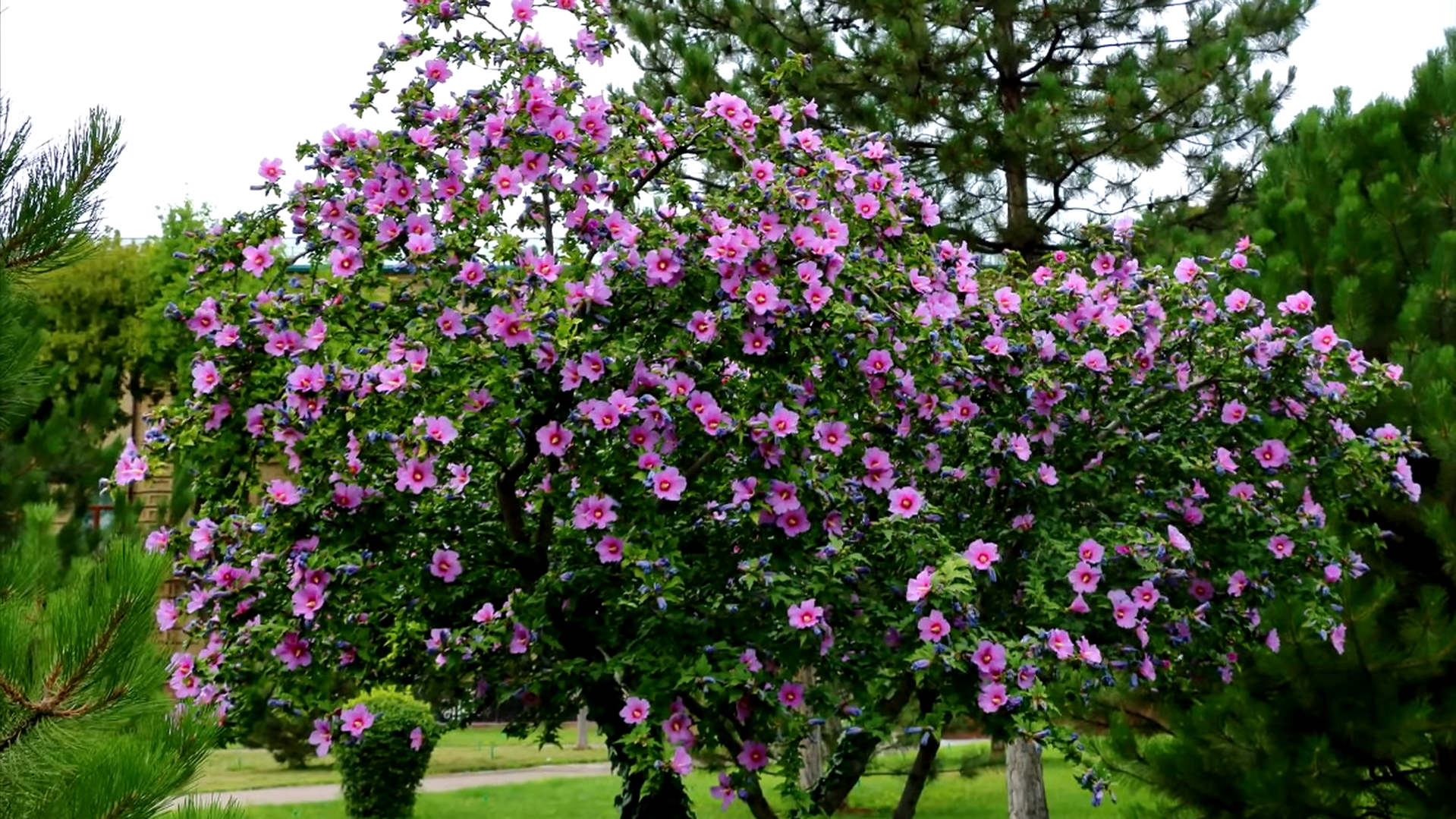
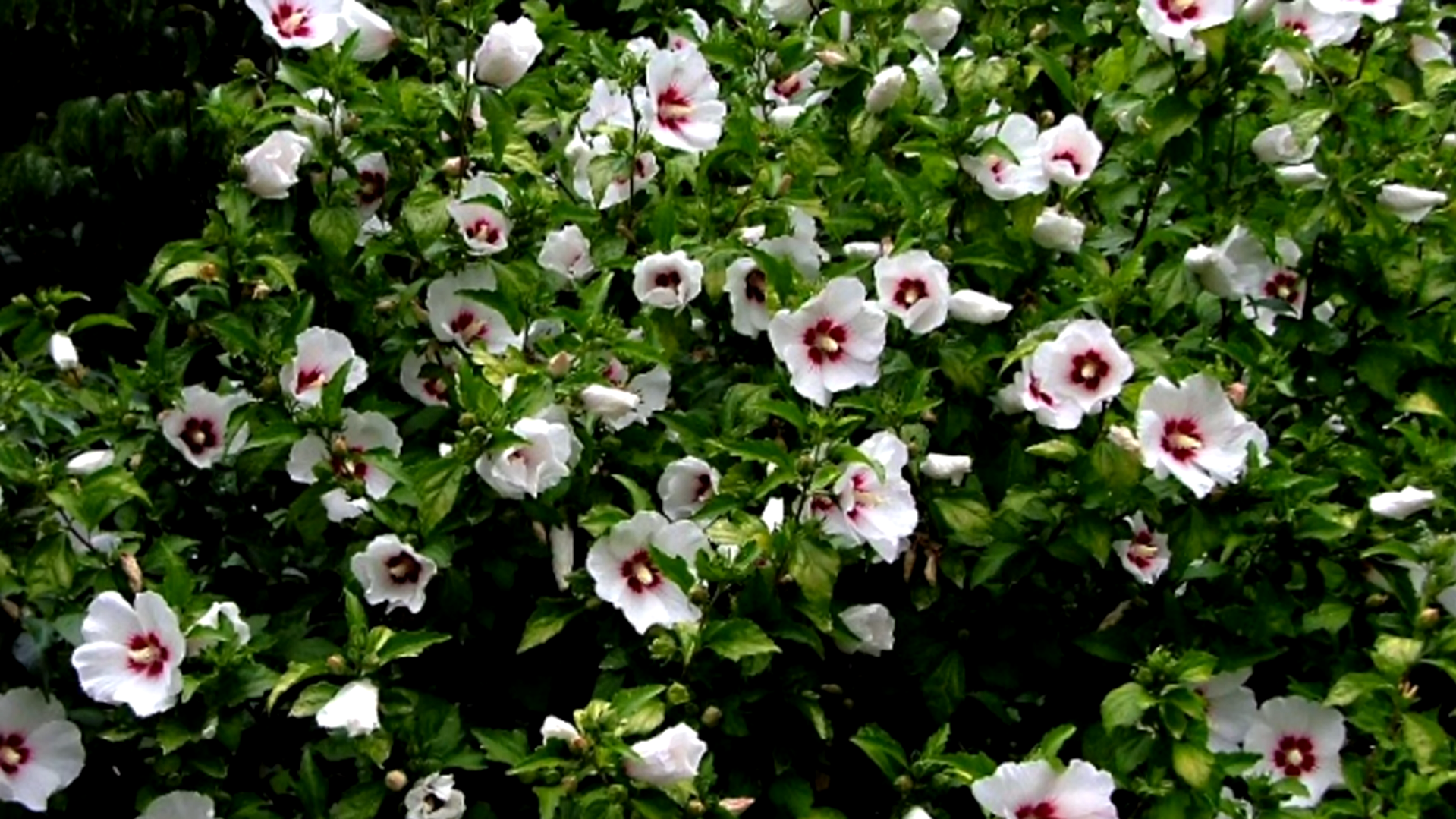
Honestly, the braiding itself doesn’t drastically change the plant’s cold hardiness. The critical factor remains the type of hibiscus and its inherent ability (or inability) to withstand cold. Most braided hibiscus trees are of the Hibiscus rosa-sinensis variety, which, as we’ve established, are not fans of the frost. There are other types of hibiscus, like Hibiscus syriacus (Rose of Sharon), that are much hardier and can be grown as trees year-round in many climates. But if you're looking at the classic, vibrant, tropical-looking braided hibiscus, you’re likely dealing with the more sensitive kind.
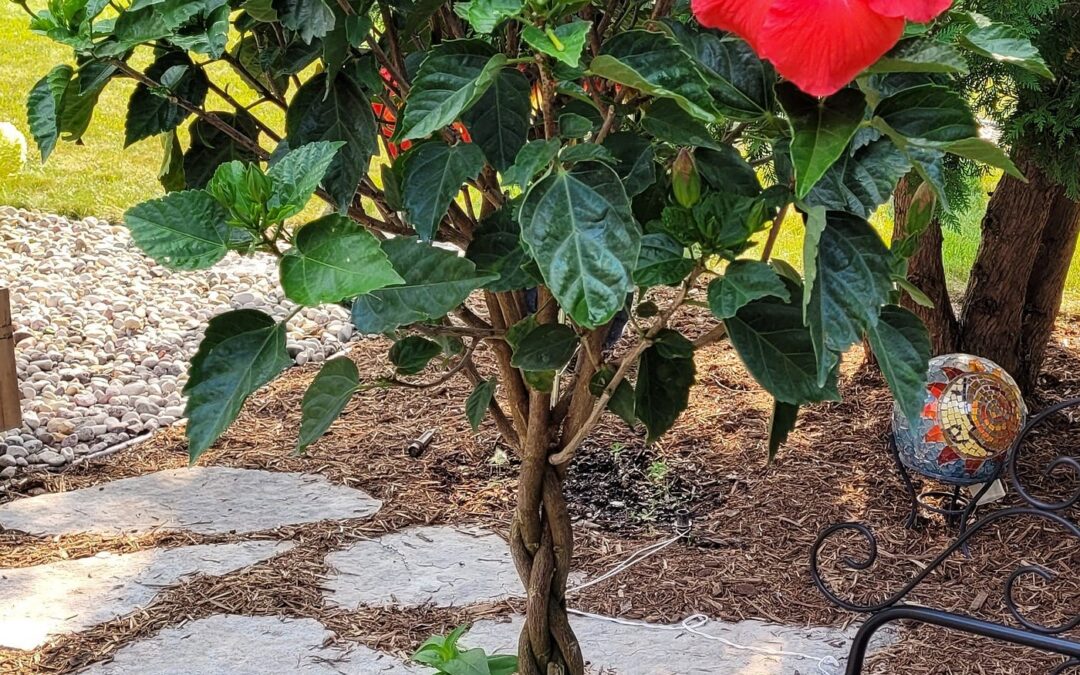
So, the braiding is more about aesthetics than it is about cold tolerance. It creates that stunning tree-like form that makes them such desirable plants, but it doesn’t magically give them the power to survive a blizzard. Fascinating, right? It’s like putting a fancy hat on a very sensitive creature – it looks great, but it doesn’t change their fundamental needs.
Choosing the Right Hibiscus Variety (Even If It's Braided)
While most commonly braided hibiscus are rosa-sinensis, it’s worth doing a quick check if you have the option. Some nurseries might offer braided trees of slightly hardier varieties, though this is less common for the truly spectacular, large-flowered types. If you're buying a braided hibiscus, ask the nursery or check the plant tag for the specific species. If it’s Hibiscus syriacus, you might have a bit more luck with outdoor survival in marginal climates, though it’s still best to consult your local hardiness zone.
But let's be real, the allure of the braided rosa-sinensis with its massive, dramatic blooms is hard to resist. So, for most of us, the container gardening approach is going to be our best bet for enjoying this particular horticultural marvel.
Outdoor Planting: What to Consider If You're In the Zone
Okay, so you’ve done your research, you’ve checked your hardiness zone, and guess what? You’re in a zone where Hibiscus rosa-sinensis can survive the winter outdoors! Hooray! Now, what do you need to think about to give your braided tree the best possible chance of thriving?
Sun, Sun, and More Sun!
Hibiscus are sun-worshippers. They need at least 6-8 hours of direct sunlight per day to produce those glorious flowers. More sun generally means more blooms. So, find the sunniest spot in your garden. Think of it as their personal VIP lounge. They want to soak up those rays and show off.
Soil Matters, Darling!
These plants aren’t overly fussy about soil, but they do appreciate good drainage. They don’t like to have their roots sitting in soggy soil, as this can lead to root rot. A well-draining, loamy soil is ideal. You can amend your existing soil with compost or other organic matter to improve its structure and fertility. If you have heavy clay soil, definitely consider adding some sand or perlite to help with drainage. Nobody likes soggy feet, not even a hibiscus tree!
Water Wisely
Hibiscus need consistent moisture, especially when they're establishing themselves and during hot, dry spells. However, as mentioned, they hate being waterlogged. The best approach is to water deeply when the top inch or two of soil feels dry. Stick your finger in the soil – it’s the oldest trick in the book, and it works! Let the soil dry out slightly between waterings. Overwatering is a common mistake, so be mindful of that.
Feeding Your Tropical Diva
To get those spectacular blooms, your hibiscus will appreciate a good feeding schedule. Use a fertilizer specifically formulated for flowering plants or a balanced fertilizer during the growing season (spring and summer). Follow the package directions, as over-fertilizing can be detrimental. Think of it as giving them a nutritious, delicious meal to fuel their floral displays.
Protection from the Elements
Even in warmer zones, extreme heat or strong winds can be stressful for hibiscus. While they love sun, intense afternoon sun in very hot climates can sometimes scorch their leaves. Providing some partial shade during the hottest part of the day might be beneficial. Also, consider a location that offers some protection from strong winds, which can damage those beautiful, delicate blooms and foliage.
The Indoor Life: When Paradise Isn't Permanent
For many of us, the reality of growing a braided hibiscus tree means embracing the role of a seasonal nomad. And that’s perfectly okay! It’s a rewarding experience in its own right. So, what’s the drill when you’re bringing your tropical treasure indoors?
The Great Indoors Transition
As mentioned before, the key is gradual acclimatization. Don't just yank it from the balmy outdoors and plop it in front of a frosty window. Likewise, when bringing it back out, don’t shock it. Start by bringing it into an unheated garage or porch for a week or two before moving it into the main house. This helps it adjust to the temperature change. When it’s time to go back outside, do the reverse – start in shade, then move to sun.
Light is Still King (Indoors)
Your hibiscus will still crave light indoors. The brightest window you have is essential. If you don’t have a sufficiently bright spot, then grow lights are your new best friend. Invest in a good quality LED grow light specifically designed for plants. They’re a game-changer for indoor plant enthusiasts.
Watering and Humidity Indoors
Indoor environments can be dry, especially with heating systems running. You might need to increase watering frequency slightly, but still, avoid soggy soil. Misting the leaves or placing the pot on a pebble tray filled with water can help increase humidity around the plant. They’ll thank you for it, probably with more blooms!
Pest Patrol
When you bring plants indoors, you also bring the potential for indoor pests. Keep an eye out for common culprits like spider mites, aphids, or mealybugs. Inspect your plant regularly, and if you spot any unwelcome guests, treat them promptly with insecticidal soap or neem oil. It’s easier to deal with a small infestation than a full-blown invasion.
The Verdict: A Tropical Dream, Managed Carefully
So, can you plant a hibiscus braided tree outside? Yes, if you live in a suitable climate where temperatures remain mild year-round. For the rest of us, the answer is: yes, with a little bit of strategic planning and seasonal movement. Treating it as a container plant and bringing it indoors for the winter is a perfectly viable and often very successful way to enjoy these stunning plants.
It might require a bit more effort than planting a hardy perennial, but the reward of those breathtaking hibiscus blooms is, in my humble opinion, absolutely worth it. There’s something incredibly satisfying about nurturing a plant that requires a little extra care and attention, and then being rewarded with its vibrant beauty. It’s a testament to your green thumb, your dedication, and your willingness to embrace a bit of horticultural adventure.
So, if you’ve been eyeing a gorgeous braided hibiscus tree, and you’re in a cooler climate, don’t let that stop you! Embrace the container life. Become the proud owner of a plant that travels with the seasons. You’ll have a unique and show-stopping addition to your garden (and your home!) that is sure to turn heads and spark conversations. Just imagine the delight on people's faces when they see your living sculpture, bursting with color. It's a little piece of tropical magic, managed with a whole lot of love.