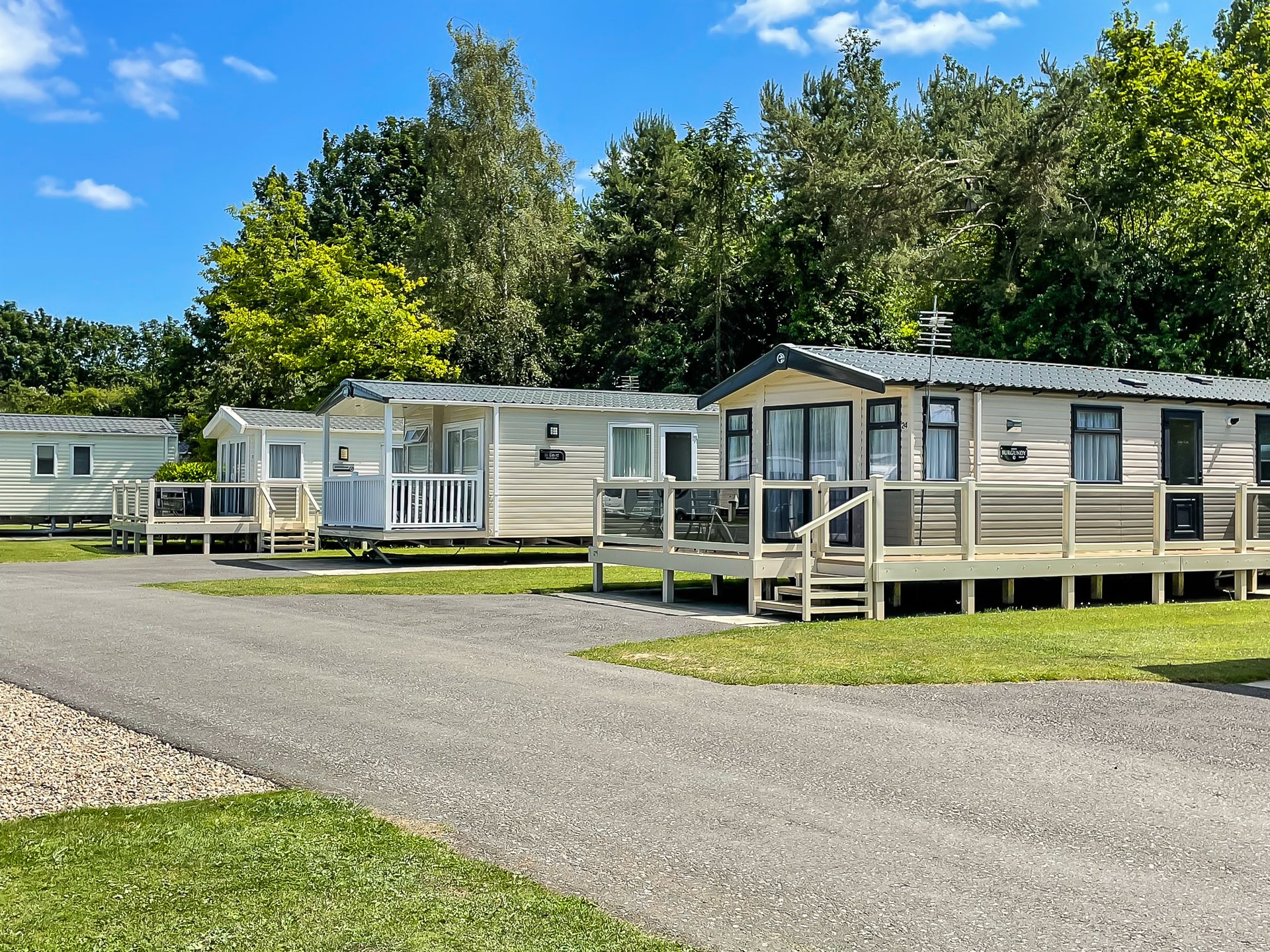
Can You Live On A Caravan Park

Okay, so, picture this: you're sipping your coffee, right? And you're thinking, "What if I just… chucked it all in?" Like, the daily grind, the endless bills, the drama. And then, a little voice in your head whispers, "Caravan park living!" Sounds kinda wild, doesn't it? But hang on, it’s not as far-fetched as it might seem. I mean, who hasn't daydreamed about a simpler life, maybe with a bit more… nature? And a lot less lawn mowing. Seriously, who enjoys that?
So, the big question: can you actually live on a caravan park? Like, full-time, no kidding? The answer, my friend, is a resounding yes! But, like most things in life, it’s not quite as simple as just parking your digs and calling it home. There are hoops to jump through, a few nudges and winks to understand, and a whole lot of embracing a different kind of lifestyle. Think less 'McMansion' and more 'cozy nook with a view'.
First off, we need to get our terminology straight. Are we talking about a holiday park, where you pop in for a week of sun and questionable entertainment? Or are we talking about a residential park, specifically designed for people who want to live there permanently? These are crucially different beasts, my dear. One is for a fleeting escape, the other is for the long haul. So, if you're envisioning a life of permanent vacation, make sure you’re looking at the right kind of park, eh?
Must Read
The Nitty-Gritty: What You Really Need to Know
Alright, let's dive into the less glamorous, but super important, bits. Because no one wants to end up living on a caravan park without realizing they're actually on a site that's supposed to be for holiday homes only. That would be a rather awkward eviction, wouldn't it? So, residential caravan parks are your golden ticket here. They have specific licenses and regulations that allow people to reside there all year round. Think of them as mini-communities, but with more open space and a distinct lack of noisy neighbours at 3 AM (usually, anyway).
Now, you can't just rock up with your trusty (and possibly slightly rusty) mobile home and plonk it down anywhere. Oh no, my friend. You'll typically be buying or renting a pitch. This is the plot of land your caravan will sit on. And here's a little secret: you usually don't own the land itself. You own the caravan, and you have a long-term lease on the pitch. It's a bit like renting a really, really nice parking spot for your house. But hey, it’s still a house!
This is why understanding the agreement is so vital. Read the fine print. Then read it again. Then maybe get a lawyer friend (if you have one) to have a peek. What are the pitch fees? How much do they go up each year? What are the rules about pets? Can you park two cars? Can you have a garden gnome? These are the big questions, people! And trust me, you don't want any nasty surprises down the line.
The Cost Factor: Is it Cheaper?
So, the million-dollar question (or perhaps the fifty-thousand-dollar question, depending on your taste in caravans): is it cheaper to live on a caravan park? Generally speaking, yes. And that's a massive draw for a lot of people. Think about it. You're often bypassing the astronomical prices of buying a brick-and-mortar house. And the ongoing costs? Well, they can be significantly lower. Your council tax will likely be a lot less, or sometimes even non-existent, depending on the park's setup. That's like a little financial miracle!

But – and there's always a 'but', isn't there? – you have to factor in those pitch fees. These can vary wildly. Some might be a few hundred quid a month, others could be significantly more. And remember, they usually go up. So, while the initial outlay for the caravan itself might be lower than a house, the ongoing rental of the land is something you'll be paying for indefinitely. It’s a trade-off. You save on the mortgage, but you pay for the privilege of the spot.
Then there are the utility bills. Some parks have communal services, where you pay a flat fee. Others will have individual meters, just like a regular house. So, you'll still be paying for your electricity, gas (if you have it), water, and broadband. Don't assume it's all magically included in the pitch fee. Always, always clarify this before you sign on the dotted line. Nobody wants a surprise £500 gas bill in January, do they?
The Lifestyle: It's Not Just a Holiday!
Now, let's talk about the vibe. Living on a caravan park is a whole different ball game to suburban life. It’s a community. You’re going to see your neighbours. A lot. And that can be a good thing! Many caravan parks have a real sense of camaraderie. People look out for each other. There are often communal events, quizzes, maybe even a bit of friendly competition at the annual bake-off. Sounds rather charming, doesn't it?
But, and here’s the flip side of that coin, you have to be prepared for that close-knit environment. If you’re someone who craves total privacy and loves to just be left alone, it might not be your cup of tea. You'll be living in close proximity to others, and you’ll likely be sharing facilities. Think about it: your garden might be a few feet from your neighbour's. Your living room window might look directly into theirs. It’s a bit like a permanent sleepover, but with bills.

And the decor. Oh, the decor! Caravans are designed for holidaymakers, which often means a certain aesthetic. Think neutral colours, practical furniture, and maybe a slightly dated feel. If you’re a fan of minimalist chic or avant-garde design, you might find yourself reaching for the paint cans pretty quickly. But the good news is, you can usually personalize your caravan to your heart's content. Just be mindful of the park's rules, of course. No attaching a giant inflatable flamingo to the roof. Probably.
Practicalities: The Little Things Matter
Let’s get down to some practicalities. Space. Caravans, while often surprisingly spacious inside, are still… caravans. Storage can be a bit of a challenge. You’ll need to get creative. Think vertical storage, clever shelving, and ruthlessly decluttering. If you’re a hoarder of, say, vintage teacups, you might need to re-evaluate your collection. Or invest in a really, really big shed.
And maintenance. Caravans need looking after. They’re exposed to the elements, after all. You'll need to keep an eye on things like damp, wear and tear, and general upkeep. Some parks have maintenance teams, but often, it’s down to you. So, if your DIY skills are more 'enthusiastic amateur' than 'master craftsman', you might want to brush up on your skills or have a reliable handyman on speed dial. Or, you know, a very patient neighbour.
What about connectivity? Can you get decent internet? Most residential parks nowadays understand that people need to be online. So, you'll usually be able to get broadband and mobile signal. But it’s always worth checking. Some more remote parks might have spotty reception, which could be a deal-breaker if you work from home or are a serial streamer. Imagine trying to watch your favourite show and it keeps buffering. The horror!
Who is it For? The Ideal Caravan Dweller
So, who is this lifestyle really for? I think it’s brilliant for retirees looking for a more affordable and community-focused way to live. You get to downsize, potentially travel more (your caravan is your mobile home, after all!), and have built-in social connections. It's a fantastic option for those who want to free up capital from a larger house and enjoy their golden years without the financial strain.

It can also be a great stepping stone for younger people or couples who are saving up for a house deposit. Buying a caravan and living on a park can be a much cheaper alternative to renting a flat, allowing you to save more aggressively. You get your own space, without the sky-high rental fees. Plus, it’s an adventure! Who says you have to follow the traditional path?
And for minimalists? Absolutely! If you’re someone who believes that less is more, a caravan can be a dream come true. It forces you to live with less, to be intentional about what you own, and to focus on experiences rather than possessions. It’s a chance to simplify your life and embrace a more nomadic, yet rooted, existence. Think less 'stuff', more 'stuff you can actually do'.
The Downsides: Let's Be Realistic
Now, I wouldn't be a good friend if I only told you the sunny side, would I? There are downsides. And we need to talk about them. Firstly, depreciation. Caravans, unlike houses, tend to depreciate in value. So, if you think of it purely as an investment, you might be disappointed. It’s more about the lifestyle and the cost savings than a property ladder you’re climbing.
Then there's the stigma. Let's be honest, some people still look down on caravan park living. They might think it's a bit 'rough around the edges' or for people who 'can't afford anything better'. This is, of course, utter nonsense. But it’s a perception that’s out there. You need to be comfortable with your choices and not worry too much about what others think. If you're happy, that's all that matters, right?

And finally, weather. You're in a caravan. It's not exactly a fortress. Stormy weather can be a bit… lively. You might hear the wind whistling, feel a bit of a wobble, and wonder if your roof is about to take flight. It's not for the faint-hearted during a gale. But most modern caravans are built to withstand pretty severe weather, so it's usually more of a dramatic soundtrack than a genuine danger. Still, it’s an experience!
Making the Move: Tips for Success
So, you're tempted? Good! If you're considering this lifestyle, here are a few little nuggets of advice. Visit different parks. Don't just go to the first one you see. Explore. Get a feel for the atmosphere. Talk to the residents if you can. Ask them what they love and what they don't love. They’re the experts, after all!
Rent first. If possible, try renting a static caravan on a residential park for a few months. This is the ultimate test drive. You'll get a real sense of what it's like to live there day in, day out, without the commitment of buying. It’s like a prolonged holiday that also happens to be your real life. Genius, really.
And budget carefully. Seriously, do your sums. Factor in the cost of the caravan, the pitch fees, utilities, insurance, and any potential maintenance. Don't forget a buffer for unexpected expenses. It’s always better to be pleasantly surprised than unpleasantly shocked by your bank balance. So, be savvy!
Ultimately, living on a caravan park isn't for everyone. But for a growing number of people, it's a smart, affordable, and fulfilling way to live. It’s about embracing a simpler, more community-focused existence. It’s about trading in the endless upkeep of a big house for more freedom, more nature, and more time to actually live. So, next time you're having that coffee and dreaming of escape, remember the humble caravan park. It might just be your answer.